
Best Bathtub Cleaner for Plastic Tubs: A First Time Buyer's Guide for 2026
Disclosure: We may earn a commission when you buy through links on this page, at no extra cost to you. As an Amazon Associate I earn from qualifying purchases. Learn more

Shopping for the best bathtub cleaner for plastic tubs for the first time? Learn the terms, compare types, and avoid rookie mistakes with this easy guide.
Buying a tub cleaner sounds simple until you face a shelf of sprays, gels and powders and a tub that scratches far more easily than porcelain. The best bathtub cleaner for plastic tubs has to lift soap scum and body oil without dulling the surface. This guide starts with the basic terms, then walks through the choices in plain language.
Note your tub material and your worst stain as you read, then use the product table below to match a cleaner type to those notes.


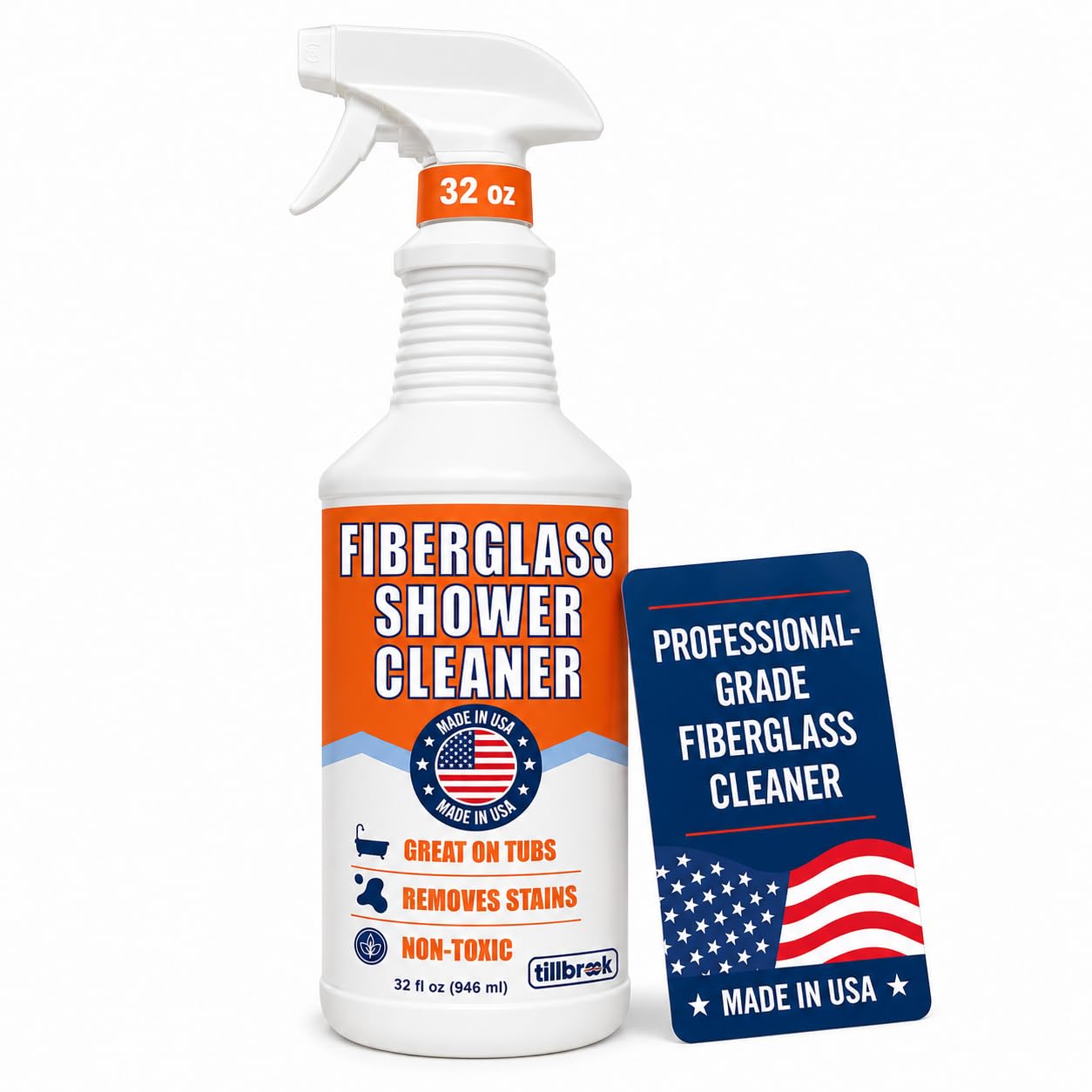
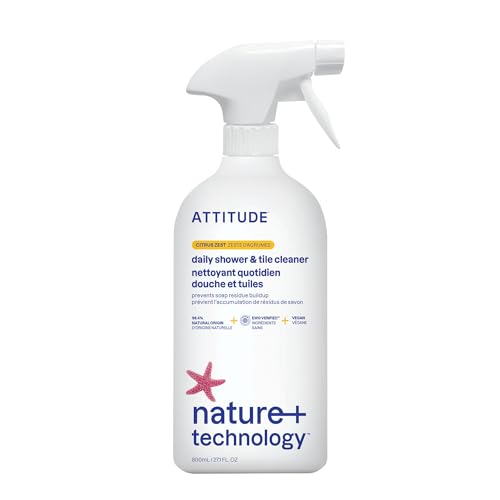
Bathtub Cleaners 101: The Basics for Plastic Tubs
A bathtub cleaner is a liquid, gel or powder made to loosen the film that water and soap leave behind, so you can wipe or rinse it away with little scrubbing. Most tubs sold as plastic are acrylic, ABS or fiberglass with a smooth top layer, and that layer can turn dull if a formula carries abrasive grit. The formula wets the surface, softens the soil during a short wait, and holds the grime until you rinse.
Labels divide cleaners into daily cleaners for light film and heavy duty formulas for neglected tubs. A daily spray used weekly prevents most buildup, while a stronger gel earns its place only when rings survive a normal wipe. If your bathroom has mixed tub materials, see our guide to the best cleaners for tubs.
Who Should Buy a Cleaner Made for Plastic Tubs?
Choose by your surface and your household, not by the boldest claim on the bottle.
Owners of Acrylic and Fiberglass Tubs
Your tub looks glossy when new, and that shine is the finish you must protect. You need a formula that states it is safe for acrylic or fiberglass and cleans without grit. A spray or gel suits you well, since both spread evenly and rinse off without hard rubbing.
Busy Households That Clean Little and Often
Your main problem is a fast return of soap film after showers and baths. A mild daily spray or a concentrate you dilute yourself keeps cost per clean low. If you are still choosing the tub itself, see our guide to the best plastic tubs before you stock cleaning supplies.
Sensitive Households With Kids and Pets
You care as much about what stays in the air and on the surface as about the shine. Look for fragrance free formulas and a label that says when the tub is ready for use again. Store every bottle closed and out of reach, and rinse well before a child or pet touches the surface.
Key Features to Compare
The right cleaner is not the strongest bottle on the shelf, but the one whose chemistry, format and scent fit your surface and routine. Compare the six factors below in this order.
Plastic Safe Chemistry and No Abrasive Grit
This factor comes first, since a cleaner that damages the finish creates a bigger problem than the dirt it removed. Look for wording that names acrylic, fiberglass or plastic as safe surfaces, and avoid powders that feel gritty between your fingers. Mild formulas rely on surfactants and gentle acids or alkaline builders that loosen film, rather than on sanding the surface clean. If a label warns against use on plastic, trust it.
Effectiveness on the Specific Mess in Your Tub
Name your main mess before you shop, since each soil responds to a different kind of formula. Soap scum and body oil need surfactants and a few minutes of contact time, while chalky limescale from hard water responds to mild acidic cleaners. Dark mildew stains may need a formula that says it can disinfect, and only products with that claim should be treated as disinfectants. Heavy duty formulas suit a tub left for weeks, but they are wasted on light weekly film.
Format: Spray, Gel, Wipes or Concentrate
Format decides how much work your arms do and how much you pay for each clean. A spray covers walls fast, while a gel clings to sloped sides so it can work longer before you wipe. Wipes cost the most per use and create more waste, but they help for a quick clean before guests. A concentrate costs more at first and less over time, since you dilute a small amount for each clean. For a broader shortlist, see our guide to the best cleaner for plastic tubs.
Ingredients and Safety Around the Home
Read the ingredient panel and the caution lines with the same care you give the claims on the front. Many plastic safe cleaners are bleach free, and an EPA Safer Choice label marks a formula that meets a federal program for safer ingredients. Ventilate the room, keep kids and pets out, and never mix products. If someone develops trouble breathing, eye pain or a skin burn after exposure, leave for fresh air and seek medical help or poison control advice right away.
Scent and Fragrance Free Options for Sensitive Noses
Scent is a comfort choice that can decide whether you clean as often as the tub needs. Strongly scented formulas can linger in a small bathroom, while fragrance free cleaners for plastic tubs leave little smell once rinsed. Choose fragrance free if scent triggers headaches or if the tub is used for bathing babies.
Eco Friendly Packaging, Refills and Cost Per Use
Packaging shapes both waste and long term cost. Concentrates and refills use one durable bottle many times, so they cut plastic waste and bring the cost of each clean down. Some formulas are described as biodegradable, which refers to how the ingredients break down after use rather than to the bottle itself. A simple spray may cost around $5 to $10, while a concentrate often costs about $10 to $20 and lasts through many more cleans.
Getting Started: Setup and First Use on a Plastic Tub
Your first clean goes better when you test the formula before you cover the whole surface.
- Clear bottles and toys from the tub, then rinse with warm water to remove loose hair and grit.
- Read the full label, including dwell time, dilution and any surfaces to avoid.
- Test the cleaner on a small hidden area and check for dulling or color change.
- Apply evenly, wait the stated time without letting it dry, then wipe with a soft sponge.
- Rinse the whole surface well and dry it once, so you can judge the true shine.
Use soft tools only, since a scouring pad can leave scratches that hold dirt. Hair and soap caught at the drain need a different product, so see our guide to the best bathtub drain cleaner for that separate job.
Rookie Mistakes to Avoid
- Scrubbing with a scouring pad or gritty powder scratches the finish, and those fine lines trap soil so the tub looks dirty again fast.
- Mixing bleach with ammonia or with an acidic cleaner creates dangerous fumes.
- Letting a cleaner dry on the surface leaves streaks that attract fresh film.
- Using a tile strength formula on plastic can dull the top layer for good.
- Skipping the small test area means a bad reaction shows up across the whole tub.
- Cleaning only when rings turn dark forces harder scrubbing, which raises the risk of scratches.
Care and Maintenance for a Plastic Tub Surface
A short routine keeps most plastic tubs clean with mild products alone. Rinse the tub after baths, since a quick rinse removes soap before it can set into film. Once a week, spray your regular cleaner, give it a few minutes, wipe with a soft cloth and rinse. Drying the surface afterwards slows water spots and leaves a streak free finish.
Store cleaners upright with caps closed, away from heat and out of reach of children. Check the finish each month for dull patches, and switch to a gentler formula if you spot any.
Frequently Asked Questions
What features matter most in bathtub cleaners for plastic tubs?
Surface safety matters most, followed by a match between the formula and your main mess. After those two, judge dwell time, since a cleaner that needs about five to ten minutes fits a normal routine better than one that must sit far longer. Also check whether the sprayer works at an angle.
Are natural bathtub cleaners as effective on plastic tubs?
Natural cleaners can be as effective on fresh soap scum and light daily film, which is where most home cleaning happens. They may work more slowly on old limescale, so allow the full dwell time and repeat once rather than scrubbing harder. Vinegar based mixes deserve caution and should never be combined with bleach.
Is bathtub cleaner for plastic tubs safe to use around kids and pets?
A plastic tub cleaner is safe around kids and pets when you follow the label, ventilate the room and rinse fully before the next bath. Keep children and animals out while the formula sits, since wet cleaner can irritate skin, eyes and paws. Once the tub is rinsed and dry, bath water should pick up no residue.
What cleaning products should never be mixed in a plastic tub?
Bleach should never be mixed with ammonia or with acids such as vinegar, since those mixtures release harmful gases. The same rule covers mixing two tub cleaners to make a stronger one. Use one product at a time and rinse fully before switching. If a mix happens by accident, leave the room and air it out from outside.
How often should you clean a plastic tub?
You should give a plastic tub a light clean once a week in most homes. Homes with hard water or daily baths for several people may need a quick spray and wipe twice a week. Watch the area near the drain and the waterline, since film appears there first. A monthly look at the corners catches early mildew.
Wrapping Up
For a first purchase, settle three things: a formula that names plastic as a safe surface, a format that fits how often you clean, and a scent level your household can live with. Match the strength to your worst regular mess. Mild products used on schedule beat strong products used in a panic.
Compare the shortlist in the product table above against those three points, and the best bathtub cleaner for plastic tubs for your home should stand out clearly. Start mild and clean on schedule.


