
Best Cleaner for Android Tablets: A First Time Buyer's Guide for 2026
Disclosure: We may earn a commission when you buy through links on this page, at no extra cost to you. As an Amazon Associate I earn from qualifying purchases. Learn more

New to buying the best cleaner for android tablets? Learn the key terms, safe formats, and first use steps in this plain English guide for new buyers.
A tablet screen collects fingerprints, dust, and smudges faster than almost any other device you own, and the wrong cleaner can leave streaks or harm the coating. If you are shopping for the best cleaner for android tablets for the first time, this guide starts with the basics and then walks through formats, strength, cost, and safe first use. One well chosen product is all most people need.
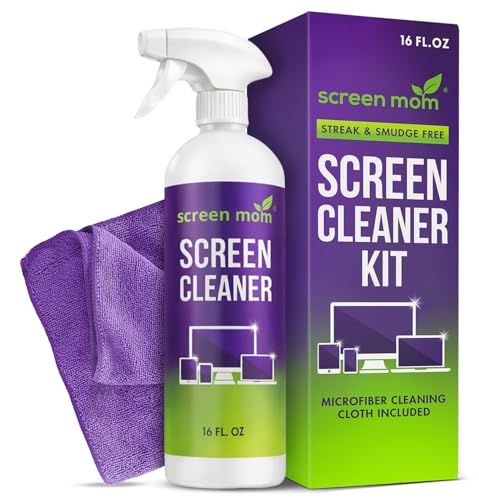
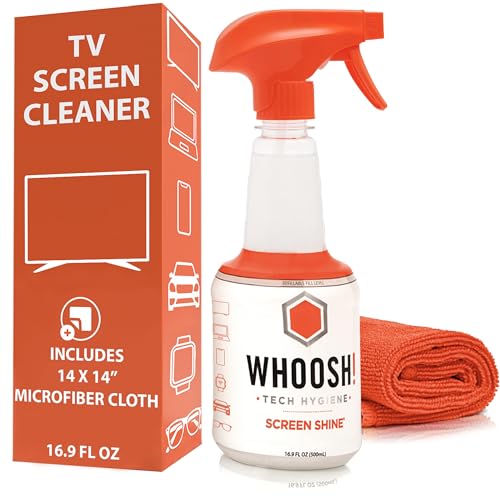
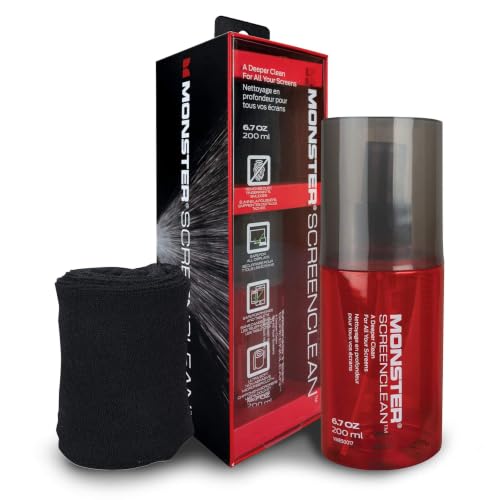
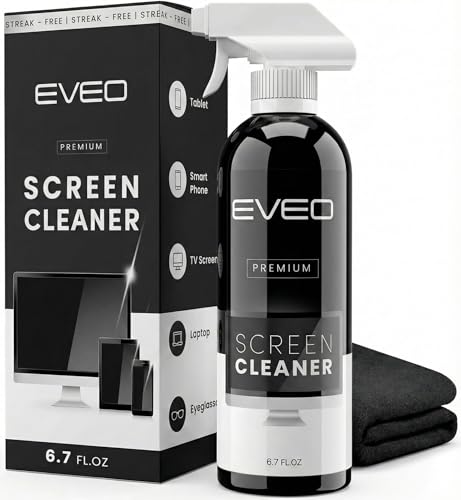
Use the comparison table below to scan formats and prices side by side, then use the sections below to decode each term on the label. By the end, you will know what to buy, what to skip, and how to clean your screen with confidence.



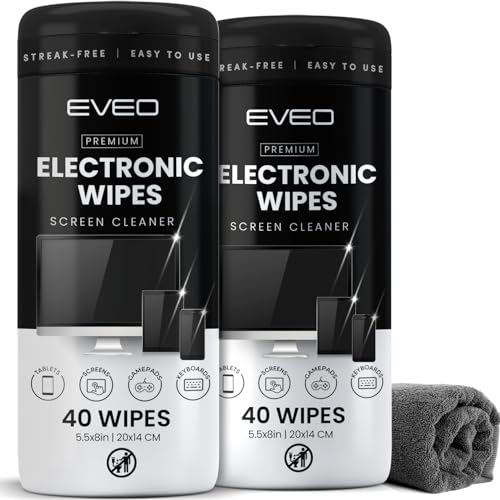


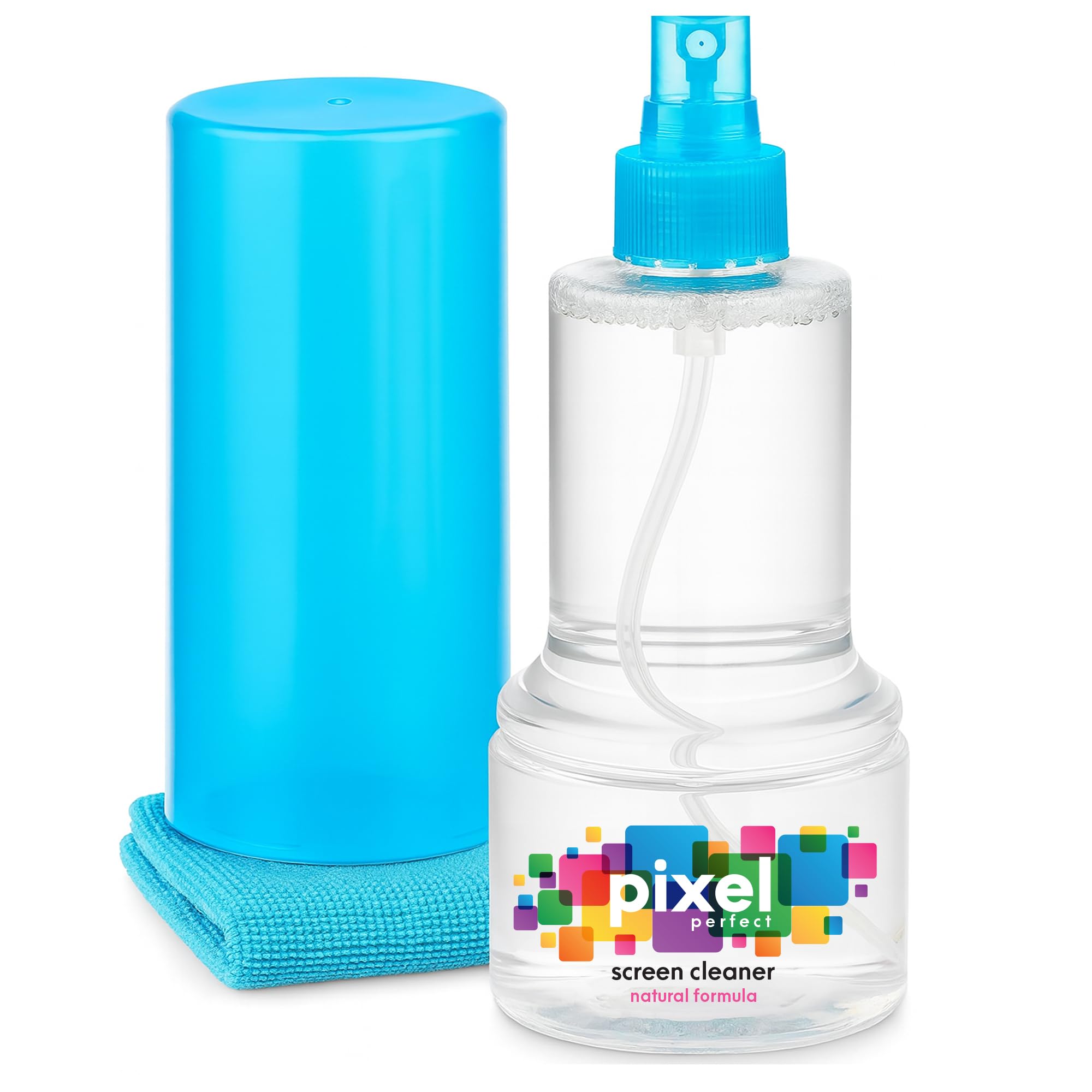
Cleaners 101: The Basics for Tablet Screens
A cleaner for an Android tablet is a gentle cleaning solution, usually paired with a soft microfiber cloth, that is made for coated glass screens. Its job is to lift skin oils, dust, and smudges without scratching the glass or wearing down the thin coating that helps the screen resist fingerprints. Cleaning and disinfecting are not the same task. Cleaning removes visible dirt and oils, while a product that claims to disinfect is meant to kill germs and usually needs the surface to stay wet longer to work.
The solution loosens the oils your fingers leave behind, and the cloth traps it so you are not pushing it around the glass. Household sprays for windows or bathroom tile are built for tougher messes and can be far too harsh for a touchscreen. If you are still choosing the device, see our guide to the best android tablets first, since screen size and coating type can shape the supplies you need.
Dust control in the room matters more than most new buyers expect. Dust from the air settles on the screen all day, and gritty dust causes fine scratches when you wipe a dry screen with pressure. Cleaner room air means you wipe less often and with a lighter touch. If dust is a constant problem at home, see our guide to the best air cleaners for the rooms where your tablet usually sits.
Key Specs Explained in Plain English
Labels pack a lot of short claims into a small space. As you compare rows in the product table above, use the five points below to translate each claim into something practical.
Features That Matter for Android Tablets
What matters most is whether the formula is safe for coated glass. Look for a cleaner made for electronics or touchscreens, with no ammonia and little or no alcohol, since strong solvents can wear the screen coating. A streak free finish matters too, because residue can make the display look cloudy under bright light.
The cloth counts as part of the feature set, not an afterthought. A soft microfiber cloth with smooth edges protects the glass far better than any paper product. A cleaner that is also safe on screen protectors saves you a second purchase.
Effectiveness on the Specific Mess
For the mess a tablet actually gets, you need less strength than ads suggest. Fingerprints, skin oil, dust, and light food smudges respond well to everyday cleaners on a barely damp cloth. Sticky spots from dried drinks need patience instead of force. Dampen the cloth, hold it on the spot for a few seconds to soften the residue, then wipe gently.
Save your caution for products built for other jobs. Limescale removers are made for kettles and faucets, and their acids can etch a tablet coating and leave a cloudy patch. Heavy duty formulas for ovens and grout carry the same risk and have no place on a screen. Hard water spots need only a cloth dampened with plain water, never a descaling product.
Cost per Use and Value
The shelf price tells you little until you divide it by the number of cleanings you get. A large spray bottle that uses two light mists per cleaning can last a busy household for months. A concentrate goes further still, since you dilute a small amount with water for each refill. A washable cloth adds value too, since it replaces paper towels for good.
Wipes cost the most per cleaning, which is the trade for their convenience. A starter spray often costs under $15 and can last for months, while a box of wipes at a similar price may be gone in a few weeks. For most first time buyers, a midsize spray with two cloths is the lowest cost way to start.
Format: Spray, Gel, Pods, Wipes, and Concentrate
Spray is the most flexible format for a first purchase. You control how much liquid lands on the cloth, and one bottle serves tablets, cases, and stands. Gel is thicker and clings where you put it, which helps on a grimy case or stand, but it needs a thorough wipe and a dry buff so no film stays behind.
Wipes are the travel friendly option, since each one arrives damp and ready, though an opened pack dries out if the seal is left loose. A concentrate is the storage friendly option, because one small bottle makes many refills. Pods, by contrast, are measured doses made for laundry and floor cleaning machines, not for screens, so leave them for the rooms they were designed for.
Eco Friendly Packaging
Packaging choices change how much plastic and waste your routine creates. Refill bottles and concentrates cut plastic sharply, since you keep one spray bottle and replace only the liquid. Reusable microfiber cloths beat disposable wipes at home for the same reason.
Two label terms are worth knowing here. The EPA Safer Choice label means the ingredients have been reviewed against a safer ingredient standard. A biodegradable claim means the material is designed to break down, but those wipes still belong in the trash and should never be flushed. Gentler formulas are often fragrance free as well, so one careful label read can cover both goals.
Picking the Best Cleaner for Android Tablets for Different Uses
The right choice depends on where and how the tablet gets used, not on finding one perfect bottle. A tablet that stays on your couch needs a different routine from one that travels in a work bag or passes between children.
Cases, Keyboard Covers, and Stands
The screen is only part of the job, because a silicone case, a fabric keyboard cover, and a plastic stand collect the same skin oil and crumbs and then transfer them straight back onto clean glass. Most screen cleaners are safe on hard plastic and silicone, so wipe the case edges and the stand with the same damp cloth after the screen is done. Fabric covers need a dry brush first and a barely damp cloth second, since soaked fabric takes hours to dry and can wick moisture into the tablet along the hinge.
For a shared family tablet, a fragrance free spray covers most days, with a disinfecting step used only as the label directs after illness in the home. For a work bag or car, wipes win on convenience. At a desk or couch, a spray bottle and two cloths give the best control for the least money.
Rookie Mistakes to Avoid
Most screen damage from cleaning comes from a few habits that are easy to change once you spot them.
- Spraying cleaner straight onto the screen instead of the cloth, which lets liquid creep into ports and under the screen edges.
- Wiping with paper towels or a rough shirt, which can leave fine scratches and lint across the glass.
- Reaching for a household glass cleaner with ammonia, which can wear down the fingerprint resistant coating.
- Scrubbing a sticky spot with hard pressure, which risks cracking the glass or damaging the layer beneath it.
- Mixing two cleaning products to make a stronger cleaner, which can create fumes that irritate your eyes and lungs.
Getting Started: Setup and First Use
Your first cleaning sets the pattern for every one after it, so go slowly and follow the label on your specific product.
- Read the full label first, including where the product can be used and how long it should sit.
- Turn the tablet off and unplug the charger, so you can see smudges clearly and keep liquid away from ports.
- Try the cleaner on a small corner of the screen or case, wait a minute, and check for cloudiness.
- Spray the cloth until it is damp, never wet, and never spray the tablet itself.
- Wipe in slow, light passes, then buff with the dry side of the cloth until the glass looks clear.
Let the screen dry fully before you plug the tablet in or hand it to a child. Use one product at a time and never mix cleaners. Store the bottle upright and out of reach of children and pets. If a child or pet swallows any cleaning product, follow the first aid text on the label and contact your local poison control line or a doctor right away.
Frequently Asked Questions
What features matter most in a cleaner for Android tablets?
The features that matter most are a formula made for electronics, no ammonia, and a soft microfiber cloth in the kit. One extra check helps first time buyers. Make sure the label names tablets, phones, or touchscreens directly, rather than glass in general, since window glass has no delicate coating to protect. Buying the smallest bottle first lets you confirm the cleaner suits your screen protector.
Is tablet screen cleaner safe to use around kids and pets?
Tablet screen cleaner is safe to use around kids and pets when you follow the label and let the screen dry completely before small hands or paws touch it. Store bottles and wipe packs up high or behind a latched door, since a scented wipe can tempt a toddler or a dog to chew it. Clean in a ventilated room and wash your hands afterward.
Are natural cleaners for Android tablets as effective as regular options?
Natural cleaners for Android tablets are as effective as regular options for daily fingerprints, dust, and light smudges. The caution is about homemade mixes rather than store bought plant based products. Vinegar and lemon juice are natural but acidic, and acids can dull the screen coating. A plant based cleaner that lists electronics on its label gives you the gentler ingredient profile without that risk.
How often should you clean an Android tablet screen?
You should clean an Android tablet screen with a light wipe whenever smudges build up enough to bother you, which for most people is every day or two. Plan a slower, more careful cleaning about once a week, including the case edges. Clean sooner after travel, after sharing the tablet, or after anyone in the home has been sick.
What cleaners should never be mixed together when cleaning an Android tablet?
Bleach should never be mixed with ammonia or with any acid when cleaning an Android tablet. Bleach with ammonia creates toxic gases, and bleach with acids such as vinegar or limescale removers does the same, and both mixes can burn lungs and eyes. If two products are ever mixed by accident, leave the room for fresh air at once. Anyone who has trouble breathing afterward needs medical help right away, so call emergency services or poison control.
Final Thoughts
Choosing the best cleaner for android tablets comes down to three points you can check on any label. The formula must be safe for coated touchscreen glass, the format must fit the way you actually use the tablet, and the cost per use must make sense for how often you clean. Compare those points against the product table above, and you can buy with confidence on your first try.
Start simple, with one spray, two microfiber cloths, and the slow first use routine from this guide. You can add wipes for travel or a concentrate for refills later.


