
Best Chrome OS Tablets of 2026: Complete Buying Guide
Disclosure: We may earn a commission when you buy through links on this page, at no extra cost to you. As an Amazon Associate I earn from qualifying purchases. Learn more

Learn how to choose the best chrome os tablets with clear guidance on size, battery life, storage, keyboards, and value for school, work, and travel.
A tablet that runs Chrome OS gives you a touch screen for reading and media, plus a real browser and an optional keyboard for writing and classwork. That mix suits many homes, but sizes, keyboards, and stylus support vary a lot between models.
This guide explains how to choose best chrome os tablets without guessing, from screen and battery basics to ports and care. Use the comparison table below to compare weight, display size, and storage, then use the sections that follow to match those specs to your routine.
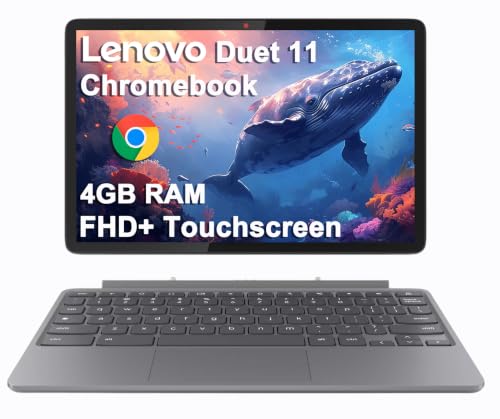
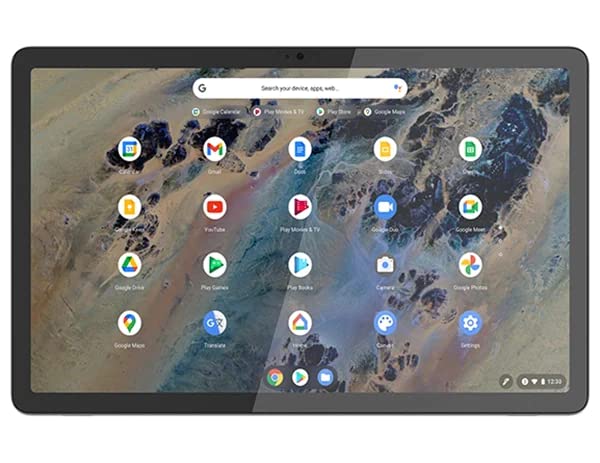

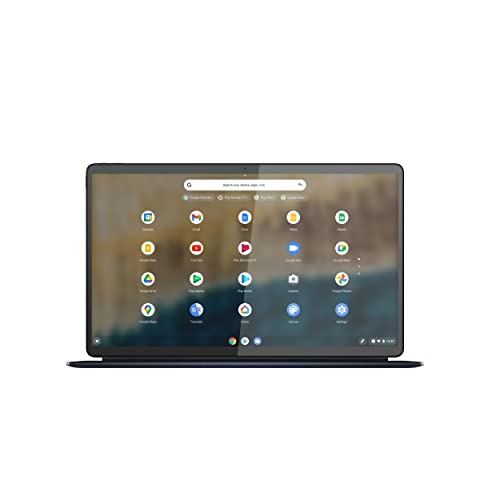


Three Common Profiles at a Glance
The Balanced Profile
The balanced profile balances a bright 11 to 12 inch display, at least 8 GB of RAM, and a keyboard that feels stable on a desk. It should last a full school or work day on one charge and support a stylus if you take notes. This profile suits most buyers because it handles browsing, documents, video calls, and streaming without feeling cramped. Expect to pay a mid level price, about $300 to $550, and look for a later update end date so the tablet stays secure for years.
The Budget Profile
The budget profile keeps the essentials and trims extras you may not need, such as a bundled stylus or a very high resolution screen. Look for a solid processor, 128 GB of storage, and a display that stays clear in normal indoor light. Battery life and build quality matter more here than thinness. Prices often fall around $200 to $350. The main limit is speed with many tabs open, so value models work best for focused tasks, reading, and media rather than heavy multitasking all day long.
The Beginner Profile
The beginner profile favors simplicity, a clear screen, and a keyboard and case that are easy to attach and remove. Automatic updates, a simple home screen, and good speakers make the first weeks feel friendly. Choose a model with clear setup prompts and a sturdy stand or cover, since new users often carry the tablet between rooms. Prices are often around $250 to $400. The trade off is fewer ports and less power for demanding apps, which most beginners will not miss during everyday use.
How to Choose Chrome OS Tablets: A Buying Guide
Processor and Performance Tier
The processor controls how quickly pages load, apps open, and video calls stay smooth. Entry level chips are fine for reading, email, and one or two apps at a time. Mid tier chips are a better fit if you split the screen, keep many tabs open, or join calls while taking notes. On a tablet, heat matters too, because a chip that runs cool keeps the back comfortable in your hands. Choose the tier that matches your busiest hour, not your lightest task.
Graphics (Integrated vs Dedicated GPU)
Chrome OS tablets rely on integrated graphics, which share power with the main processor. That setup handles streaming, casual games, drawing apps, and photo viewing well. There is no dedicated graphics card in this category, and you do not need one for school or office work. If you want high frame rate gaming or heavy video editing, a laptop platform will serve you better. For a tablet, a smooth refresh rate and a responsive touch layer matter more for daily feel than raw graphics power.
Operating System (Windows, macOS, ChromeOS, Android, iPadOS)
Chrome OS stands out for its full Chrome browser, fast startup, and automatic updates. Android apps add games and media options, while the browser handles documents and learning platforms. It differs from a pure Android tablet because the desktop style browser and window controls make multitasking easier. It also differs from Windows because upkeep is lighter and battery life is often longer. To place this choice in context, see our guide to the best os for tablets before you commit to one system.
Ports and Connectivity
Most Chrome OS tablets offer one or two USB C ports for charging, drives, and external displays. Check whether the keyboard connects with pins or Bluetooth, since pin connections need no separate charging and feel more reliable. WiFi 6 or newer helps in busy homes and classrooms, and Bluetooth supports headphones and mice. If you plan to present or study at a desk, confirm display output over USB C. A headphone jack is less common now, so plan for wireless audio or a small adapter.
Keyboard, Trackpad, and Build
The keyboard decides whether the tablet can truly replace a laptop for writing. Keys should have clear spacing, the deck should not flex much on a desk, and the trackpad should track smoothly without jumping. Some keyboards work poorly on a lap, so think about where you will type most often. For build, look for a strong hinge or stand, a screen finish that resists smudges, and a case that protects corners. If you are comparing tablet styles more broadly, see our guide to the best pc tablets for how Windows designs differ.
Battery Life in Real World Use
Claimed battery life assumes light tasks and modest brightness, so real use will vary. Video calls, high brightness, and many open tabs drain the battery faster than reading or note taking. Aim for a model rated for a full day, then build habits that help, such as lowering brightness indoors and closing unused Android apps. Fast charging over USB C is useful when you need a quick boost before class or travel. Also check whether the keyboard draws power from the tablet, which can shorten untethered time slightly.
Chrome OS Tablets vs Other Options
Gaming Laptops
Gaming laptops offer far stronger graphics, larger screens, and fans for sustained power. They suit players who want demanding titles and creators who edit long videos. The cost is size, weight, noise, and shorter battery life away from an outlet. Most cost well above a tablet budget. Choose a gaming laptop only when performance is your top priority and portability is secondary, because you will feel the weight every time you carry it between rooms or across campus.
Budget Laptops
Budget laptops give you a built in keyboard, more ports, and often more storage for a similar price. They are a sensible choice for long writing sessions and desk based work. The trade off is a heavier body and a screen that usually does not detach for reading or media. If your day is mostly typing at a table, a budget laptop may be simpler. If you split time between a couch, a desk, and travel, the tablet form will likely feel more flexible.
Chromebooks
A standard Chromebook shares the same system but stays in a laptop shape with a fixed keyboard. That shape is sturdier on a lap and often costs less for the same power. A Chrome OS tablet, by contrast, detaches or folds for reading, drawing, and video. Families who want one device for homework and entertainment often prefer the tablet. Students who type essays all day may prefer the fixed keyboard. Your posture and typing time should decide between these close cousins.
2 in 1 Convertibles
Convertibles fold their keyboard behind the screen to act like a thick tablet. They keep strong hinges and full keyboards while still offering touch and stylus use. They tend to weigh more than detachable tablets, but they feel more stable for typing anywhere. If you like the idea of a tablet yet worry about a flimsy keyboard, a convertible is a middle path. Shoppers exploring close relatives can also see our guide to the best chrome tablets for additional context on naming and styles.
Setup and Care Tips
- Keep the OS and firmware updated. Updates protect your accounts and often improve touch response and battery life.
- Avoid running at 100 percent charge all the time. Use the tablet on battery during the week so the battery cycles in a healthy way.
- Use a padded sleeve when commuting. Tablet screens face outward in a bag, so padding and a separate pocket prevent scratches and pressure damage.
- Clean vents and ports gently. Use a soft brush or short bursts of compressed air, and never push objects into a USB C port.
- Back up important files. Keep school and work files in cloud storage so a lost or damaged tablet does not mean lost work.
Chrome OS Tablets: Your Questions Answered
How long should a chrome os tablet last?
A chrome os tablet should last about four to six years for everyday use if the battery and screen are cared for. The update end date is the hard limit for security, so check it before you buy and favor later dates. Tablets face more drops and battery cycles than desk laptops, which can shorten life. A protective case, mindful charging, and cloud backups help you get the full value from the device over that span.
Is a Chromebook enough for school?
Yes, a Chromebook style tablet is enough for most school tasks that run in a browser, including documents, slides, and learning platforms. A detachable keyboard makes long assignments comfortable, and a stylus helps with math and diagrams. Confirm that your school exam tools and printer setup support Chrome OS. Also ask whether classes require any special desktop software, because that single check can prevent a costly mismatch at the start of term.
Should I buy a laptop or a tablet?
Buy a tablet if you read, draw, watch video, and move between rooms or locations throughout the day. Buy a laptop if you type for hours, need many ports, or work mostly at one desk. A Chrome OS tablet with a good keyboard sits between the two and suits mixed routines. List your three most common tasks and how long each lasts, then choose the form that keeps you comfortable during the longest one.
How much RAM do I need?
Choose 8 GB of RAM for smooth browsing, note taking, and video calls on a Chrome OS tablet. That amount handles split screen work and a healthy number of tabs without constant reloads. Models with 4 GB can feel slow within a year or two as web pages grow heavier. If you plan to keep the tablet for many years or use Android apps often, 8 GB or more is the safer and more satisfying choice.
Is a dedicated GPU worth it?
No, a dedicated GPU is not available or needed in this tablet category for normal tasks. Integrated graphics already cover streaming, casual games, and drawing apps at tablet screen sizes. Money spent chasing graphics power here would be wasted, because the platform and app library do not use it the way a gaming laptop does. Put your budget toward RAM, a better keyboard, or a brighter display, and you will notice the benefit every day.
The Bottom Line
Match the tablet to your routine first, then confirm 8 GB of RAM, a comfortable keyboard, and a late update end date. Use the comparison table above to check weight, battery claims, and storage before you decide. When those pieces fit your day, best chrome os tablets offer a flexible mix of touch ease and real browser power for school, work, and home.


