
Best Chromebook Tablets for Every Need: How to Pick the Right One for 2026
Disclosure: We may earn a commission when you buy through links on this page, at no extra cost to you. As an Amazon Associate I earn from qualifying purchases. Learn more

Not all chromebook tablets fit every routine. See which best chromebook tablets match how you actually use them, what features to prioritize, and what to skip.
There is no single tablet that suits every person, because a student, a traveler, and a remote worker ask very different things from the same screen. A model that feels perfect for reading on a couch may feel cramped for a full work day at a kitchen table.
This guide starts with your routine, then explains the specs that support it, so you can choose best chromebook tablets with a clear purpose. Use the comparison table below to compare size, weight, and battery claims, then match those facts to the user groups and features below.
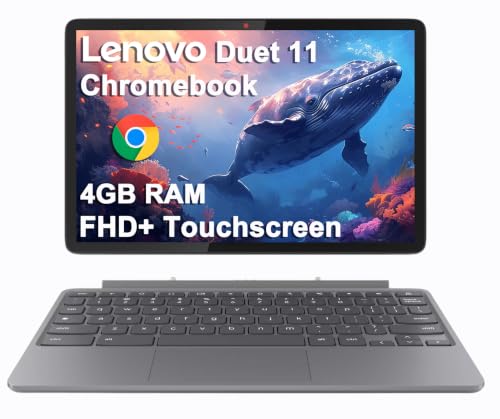
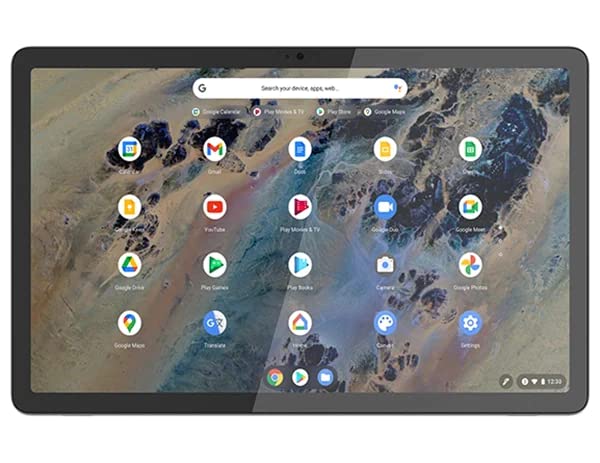



Who Should Buy Which Chromebook Tablets?
For Remote Workers and Creators
Remote workers need a clear camera, a microphone that captures speech cleanly, and a screen large enough for documents beside a video call. Prioritize 8 GB of RAM or more, a keyboard with a stable stand, and USB C display support for a desk monitor. Reliability matters most, so favor a later update end date and a brand with clear warranty service. Creators who sketch or mark up files should confirm stylus support and low lag. A slightly larger and heavier model is a fair trade for comfort during long calls and writing sessions.
For Travelers and Commuters
Travelers should prioritize low weight, long battery life, and a case that protects the screen in a crowded bag. A compact 10 to 11 inch model slips into a small tote and is easy to hold for reading on a train or plane. Look for fast charging over USB C so a short stop at a cafe can restore hours of use. Durability counts as well, including strong corners and a cover that stays closed. Skip bulky keyboards you will rarely bring, and choose storage that holds offline shows, books, and documents without stress.
For Gamers and Power Users
Gamers and power users should look for the strongest processor tier in this category, a smooth refresh rate, and responsive touch input. Cloud gaming and Android games run best on a stable WiFi connection, so newer wireless standards help. More RAM keeps games and browser tabs from competing for memory. Still, set fair expectations, because a Chromebook tablet will not match a gaming laptop for demanding titles. If performance is your main joy, weigh whether a convertible with a larger screen and better cooling fits your habits more than a thin detachable model.
Key Features to Compare
RAM and Storage
RAM keeps your open tabs, apps, and calls running without constant reloads. Treat 8 GB as the practical minimum for students and workers, and consider more if you split the screen often or keep the device for many years. Storage holds downloads, photos, Android apps, and offline files. A 128 GB drive suits most routines that rely on cloud storage, while 256 GB helps travelers and creators who work offline. Because expansion is limited on many tablets, choosing enough storage at purchase avoids juggling files later.
Graphics (Integrated vs Dedicated GPU)
Chromebook tablets use integrated graphics that are built into the processor, and that is enough for streaming, drawing, casual games, and photo viewing. A dedicated graphics card is not part of this category, and chasing one would point you toward a very different and heavier machine. What matters more here is screen quality and touch response, because those shape drawing and media use every day. If you edit long videos or play demanding games as a core hobby, be honest about that need and consider a laptop instead of forcing a tablet to do that job.
Processor and Performance Tier
The processor sets the pace for page loads, app launches, and video calls. Entry level chips serve reading, email, and light browsing with a few tabs. Mid tier chips feel noticeably smoother with documents, split screen work, and frequent calls. Since tablets have no fans in many designs, a chip that stays cool also keeps the device pleasant to hold. Match the tier to your busiest routine rather than your average one, because slowdowns appear exactly when you are under time pressure at school or work.
Keyboard, Trackpad, and Build
A good keyboard turns a tablet into a real writing tool, so check key spacing, stability, and whether the stand holds its angle on different surfaces. Pin connected keyboards draw power from the tablet and avoid Bluetooth pairing delays. Trackpads should feel smooth and accurate for selecting text. For build quality, look for a firm frame, protected corners, and a hinge or kickstand that does not wobble. Artists who plan heavy stylus use may also want to see our guide to the best drawing tablet for chromebook for pen focused advice.
Ports and Connectivity
Most models provide USB C for charging, storage drives, and external displays, sometimes with a second port on larger designs. Confirm display output if you hope to work at a desk monitor, and check Bluetooth for headphones, mice, and pens. WiFi 6 or newer improves performance in busy classrooms and apartment buildings where many networks compete. If you often work away from outlets, fast charging support can matter as much as port count. Broad tablet shoppers can also see our guide to the best pc tablets to compare port choices across systems.
Common Mistakes to Avoid When Buying Chromebook Tablets
- Looking only at price. The cheapest model may skimp on RAM and screen quality, which you will notice every day for years.
- Ignoring RAM and storage. These specs rarely can be upgraded later, so buy for the routine you expect next year, not only today.
- Buying the wrong size. A large screen helps work but tires your hands for reading, while a tiny screen cramps split screen study.
- Skipping warranty checks. Confirm the warranty length and update end date, especially on discounted older stock.
- Assuming a stylus is included. Some models support a pen but sell it separately, which changes the true total cost.
Care and Maintenance Tips
Keep the OS and firmware updated so security fixes and touch improvements arrive on schedule. Avoid running at 100 percent charge all the time by using the tablet on battery during the week, and keep it away from heat sources that stress the battery. Use a padded sleeve when commuting and a case that covers corners at home, since tablets are held often and dropped more easily than laptops. Clean the screen with a soft cloth, keep ports free of lint, and store important files in cloud storage as a backup habit. Readers still weighing where to buy can see our guide to the best tablets to purchase for general shopping pointers.
FAQs
Should I buy a laptop or a tablet?
Buy a tablet if your day mixes reading, media, touch apps, and short writing in many places. Buy a laptop if you type for hours at a desk and need a stable keyboard on your lap. A Chromebook tablet with a well made keyboard covers mixed routines nicely. A useful check is to time your longest typing task each week. If that task regularly lasts over an hour, keyboard comfort should outweigh the charm of a detachable screen.
How much RAM do I need?
Most people need 8 GB of RAM for smooth browsing, classes, and video calls on a Chromebook tablet. That amount prevents constant tab reloads and supports split screen note taking. Heavy users who keep the device for many years should look above that level where available. Avoid settling for 4 GB to save a small amount, because web apps grow heavier each year and RAM cannot be added later on these sealed designs.
Is a dedicated GPU worth it?
No, a dedicated GPU is not worth chasing in a Chromebook tablet, because this category does not offer one and does not need one for its core tasks. Integrated graphics handle streaming, casual games, and drawing apps at these screen sizes. The money and weight of stronger graphics belong to gaming laptops. If graphics heavy work defines your routine, that is a sign to change device category rather than to overspend within this one.
Is a Chromebook enough for school?
Yes, a Chromebook tablet is enough for school work that lives in the browser, including research, writing, slides, and learning platforms. The touch screen helps with diagrams and reading, and a keyboard cover handles essays. Before you buy, confirm that exam software, printers, and any special course programs at your school support Chrome OS. Also check whether teachers expect a stylus, because buying the correct pen at the same time avoids delays in the first weeks.
How long should a chromebook tablet last?
A chromebook tablet should last about four to six years with careful handling and healthy battery habits. The update end date sets the real limit, since security updates stop after that point even if the hardware still works. Favor models with later end dates, even at a slightly higher price. Drops and battery wear are the usual reasons tablets retire early, so a good case and mindful charging protect both your money and your daily routine.
Wrapping Up
Let your routine lead the choice, then confirm RAM, keyboard comfort, and the update end date before you spend. Travelers should prize weight and battery life, workers should prize screen space and call quality, and everyone should use the product table above to verify the details. With that match made, best chromebook tablets become an easy, flexible tool for learning, work, and downtime.


