Best All Court Tennis Shoes 2026: Complete Guide
Disclosure: We may earn a commission when you buy through links on this page, at no extra cost to you. As an Amazon Associate I earn from qualifying purchases. Learn more

Playing on hard, clay and indoor courts in one week? See how to choose the best all court tennis shoes by grip, support and durability.
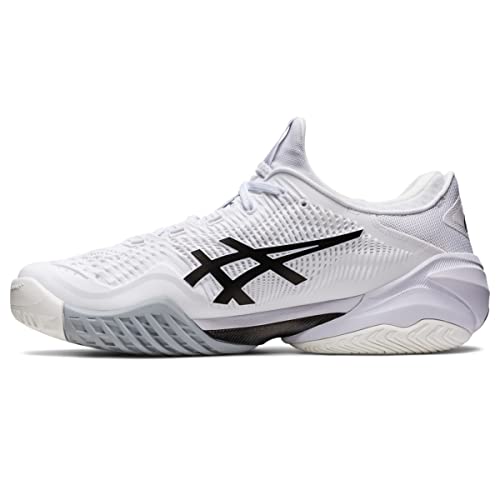
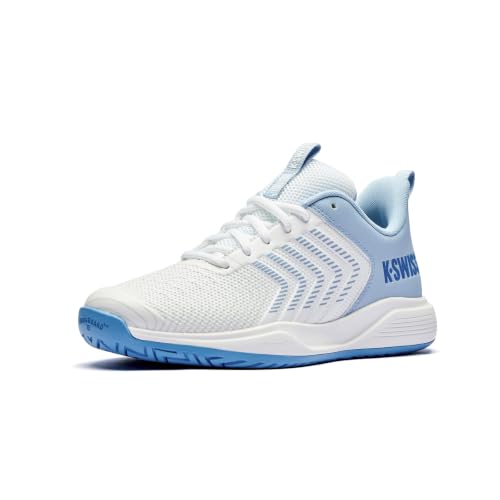
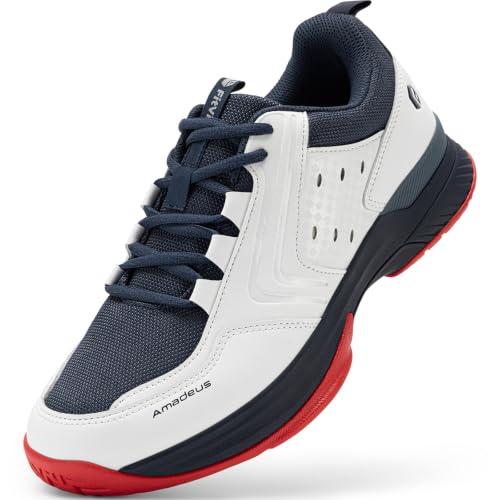
Players who move between hard courts, clay and indoor surfaces in the same week need one shoe that copes with all of them. The best all court tennis shoes combine a durable outsole, strong lateral support and enough cushioning for long matches, without the extreme specialization of a clay only or grass only design. The product table above lets you compare versatile models quickly.
This guide explains what all court means, which features matter for each surface, how to get the fit right and how to make shoes last, so you can choose with your own playing week in mind.


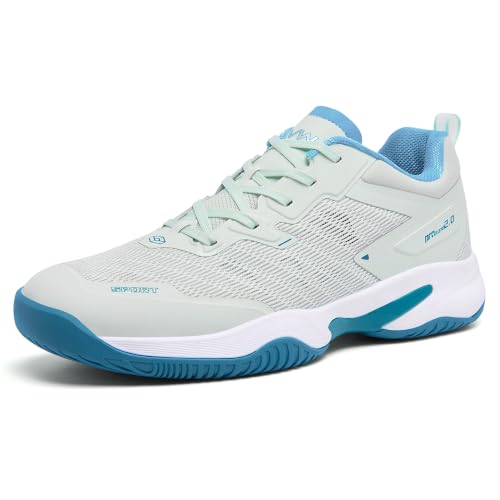
Who Should Buy All Court Tennis Shoes
These shoes suit club and recreational players who use different surfaces, coaches who work on several courts, and players who want one pair rather than a rotation. They also suit pickleball players who switch between sports, since both need strong lateral support.
If you play almost entirely on clay, a clay specific shoe with a full herringbone tread grips better. If you play almost entirely on hard courts, a hard court shoe with a harder outsole lasts longer.
Key Features of the Best All Court Tennis Shoes
Outsole Pattern and Grip
An all court outsole usually mixes herringbone zones with a durable rubber compound. It should grip on clay without packing, and slide slightly on hard courts so your joints are not jarred. Check the tread depth and look for a shoe with a stated outsole durability guarantee if you play often.
Lateral Support
Tennis is a side to side game. Look for a sturdy midfoot, a wide base and reinforced sides that stop your foot sliding off the footbed during hard cuts. A snug lacing system and a firm heel counter keep the foot planted.
Cushioning
Hard courts punish joints, so a responsive midsole with good heel cushioning helps over long matches. Too much softness reduces stability, so balance is better than the thickest foam.
Durability of the Toe Area
Players who drag their toes on serves and slides wear through uppers quickly. A reinforced toe cap, thick overlays and abrasion resistant materials extend life.
Weight and Breathability
Lighter shoes feel quicker but offer less protection, while heavier shoes last longer. Mesh panels keep feet cooler in summer.
Court Surfaces Compared
Hard Courts
Hard courts wear outsoles fast and stress joints. Choose a durable outsole, strong cushioning and a stable base.
Clay Courts
Clay rewards grip patterns that shed dust and allow controlled sliding. All court shoes work, though clay specialists grip slightly better.
Indoor and Carpet Courts
Smooth indoor surfaces reward flexible, lighter shoes with softer rubber. Mixed use shoes usually do fine as long as the outsole is clean.
Fit and Sizing
Try shoes in the afternoon, with your tennis socks, and leave a thumb width in front of the longest toe. Your heel should stay put when you change direction. Tennis shoes often fit slightly narrower than casual shoes, so check width options.
What to Spend
Good all court shoes cost $60 to $120. Mid range models at $120 to $170 usually add better cushioning and outsole warranties. Premium models over that range mainly suit frequent competitive players.
How Playing Style Changes the Choice
Baseline players slide and push off sideways constantly, so they need strong lateral support and a durable outsole. Serve and volley players move forward more and may favor lighter shoes with a reinforced toe. Doubles players cover short distances with sudden stops, so stable cushioning matters. If you hit with heavy topspin and slide on hard courts, look for abrasion resistant overlays on the sides and toe.
Checking Fit Before a Match
Lace the shoes fully, use all the eyelets and try a few split steps and side shuffles. Your foot should not slide inside the shoe, and your toes should not hit the front on a hard stop. Wear the socks you play in, and break the shoes in with a practice session before an important match. Replace insoles if they flatten, since a fresh insole can revive an otherwise good pair.
Care and Lifespan
Brush clay off the soles after play, air shoes out between matches and rotate pairs if you play often. Replace shoes when the outsole is smooth, the midsole feels flat or the sides stretch. Frequent players may need a new pair every four to six months.
The best all court tennis shoes also respect your body. Courts are unforgiving, and the combination of stops, slides and jumps loads ankles, knees and feet. Choose a pair with a stable platform, replace them before the cushioning is gone, and consider a second pair if you play four or more times a week. Alternating shoes lets the midsole recover between sessions and often extends the life of both pairs. Add proper socks and a short warm up, and your shoes will have far less work to do protecting you from avoidable strain.
Finally, think about the court you play on most. If most of your matches are on hard courts, pick a pair with extra outsole rubber under the forefoot, because that zone wears fastest. If clay dominates, check that the tread is open enough to shed dust, and brush the soles after each session. Indoor players can prioritize flexibility and low weight, since the surface is smoother and kinder to joints.
Common Mistakes to Avoid
- Wearing running shoes on court, which lack lateral support.
- Continuing to use shoes after the outsole slips.
- Choosing a size that is too snug and causes toe bruising.
- Skipping a warm up and then blaming the shoes for sore ankles.
Warm up before matches and talk with a clinician about persistent foot or ankle pain.
Related Guides
For related choices, see our guides to the best hard court tennis shoes, the best clay court tennis shoes, the best women's tennis court shoes and the best men's tennis court shoes.
After You Buy
Break the shoes in with a practice session before a match, and check lacing after the first few games, since new laces loosen. Note how the outsole grips on your usual court and keep a record of the date you started wearing them. Keep the receipt for the return window, and clean the soles regularly so the tread keeps working.
Frequently Asked Questions
Can I use all court shoes on clay?
Yes. They grip well enough for recreational play, though specialist clay shoes shed dust a little better.
How long do tennis shoes last?
Regular players often replace them every four to six months, while occasional players may get a year or more.
Are tennis shoes good for pickleball?
They work, and many pickleball players prefer them for lateral support, though court specific pickleball shoes are also available.
Do I need a special sock?
Cushioned athletic socks reduce blisters. Moisture wicking fabrics work best.
What size should I buy?
Choose the size that leaves a thumb width in front of your toes and keeps your heel secure.
Final Thoughts
Focus on lateral support, outsole durability and fit, then let the surface mix decide the tread. The best all court tennis shoes keep you stable on every surface you play on, from fast hard courts to slow clay. Compare your shortlist in the product table above and replace shoes when the outsole slips.