
Best Cleaning Solution for Shoes: Every Type Explained Side by Side for 2026
Disclosure: We may earn a commission when you buy through links on this page, at no extra cost to you. As an Amazon Associate I earn from qualifying purchases. Learn more

Liquids, foams, wipes and dry kits each suit different shoe materials. Compare them side by side to choose the best cleaning solution for shoes for your pairs.
Shoe cleaners come as liquids, foams, wipes, and dry kits, and the wrong one can fade canvas, darken leather, or leave suede stiff. This guide compares each type in plain language so you can choose the best cleaning solution for shoes for the materials you actually own. You will learn what each format does well, where it falls short, and how much you should expect to spend.
Start with the comparison table below for a quick view of formats and prices, then read the type by type breakdown to match a cleaner to your shoes.






Types of Cleaning Solutions Compared
Most shoe cleaning products fall into four families. The active ingredients often overlap, but the format changes how much control you have, how much water reaches the shoe, and how long the job takes. A household dish soap mix can work in a pinch on sturdy canvas, yet dedicated shoe cleaners are usually gentler on dyes and glues and rinse cleaner. Judge each family below by your most worn pair, not by the dirtiest pair you own.
Liquid Concentrate Kits
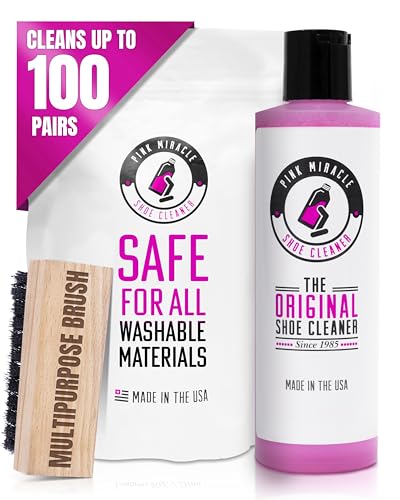
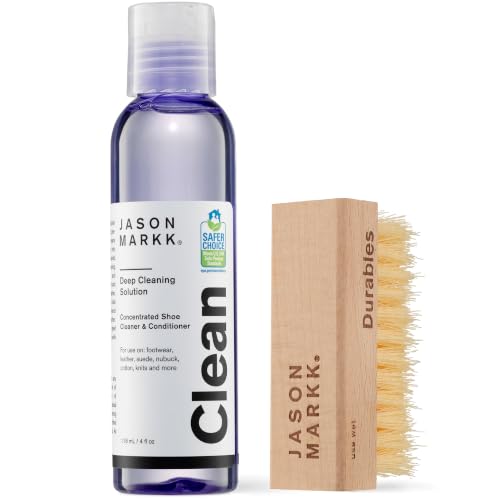
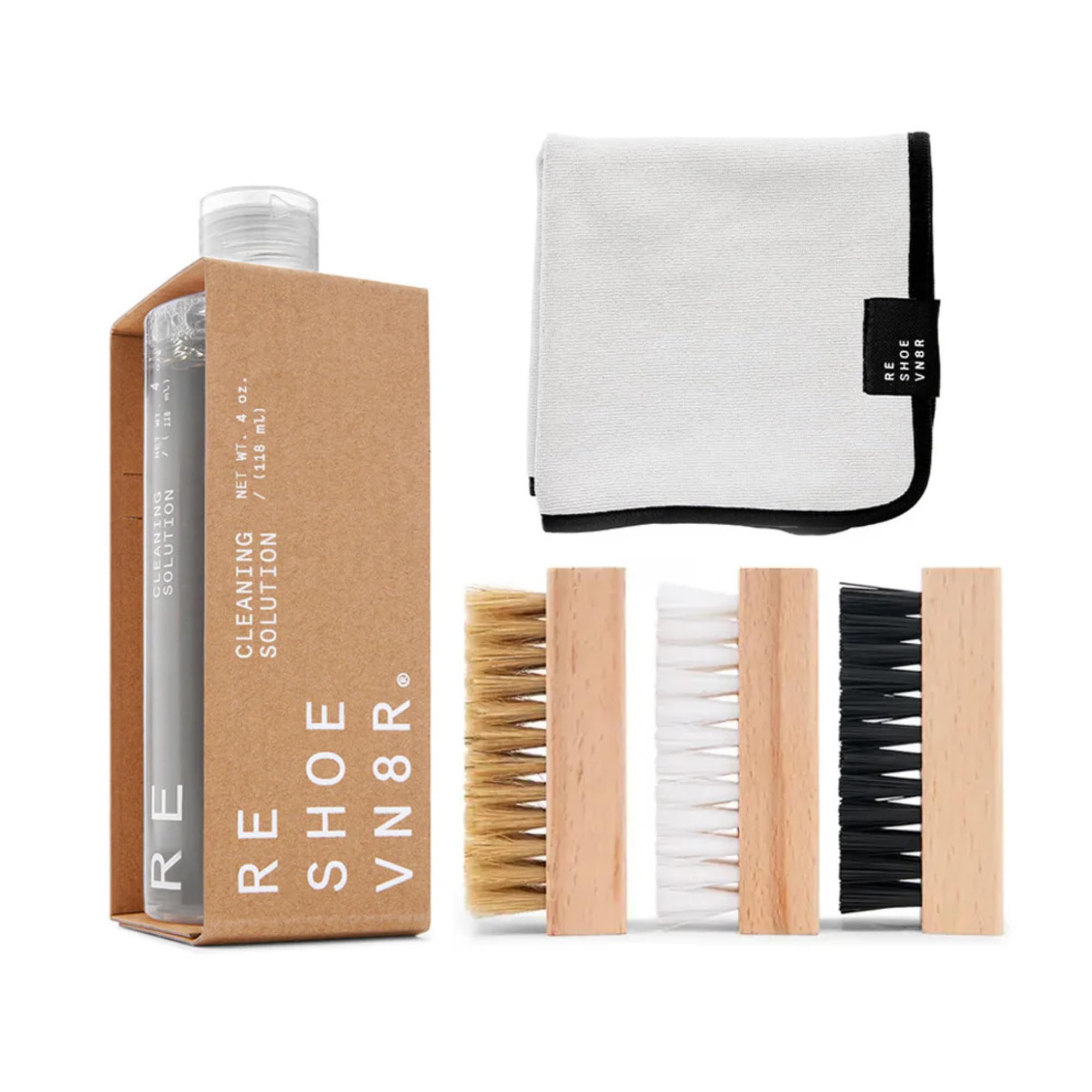
Liquid kits pair a concentrated cleaner with a brush, and you dilute a small amount in water before scrubbing. They offer the deepest clean of any format and handle mud, grass stains, and dirty midsoles well. Cost per wash is low, often well under $1 once you own the kit, and one bottle can last a year of regular use. The downsides are effort and water: you will soak uppers more than with foam, so delicate leather and glued parts need care and a slow dry. Choose a kit if you clean several pairs a month and want one product for canvas, mesh, and synthetic shoes.
Ready to Use Foam Cleaners
Foam cleaners pump out a light foam that you brush across the upper and wipe away, using far less water than a liquid kit. Less water means faster drying and less risk for leather, knit, and shoes with foam midsoles that soak up liquid. Foam lifts everyday dust, light scuffs, and surface grime well, but it struggles with ground in mud and stained laces. Bottles cost about $10 to $20 and suit people who clean little and often. If your shoes get dusty rather than truly dirty, foam is usually the most convenient format to keep by the door.
Cleaning Wipes and Travel Packs
Wipes are presoaked sheets you rub over scuffs and dirty spots, then throw away. They shine on smooth leather and rubber midsoles, where a quick pass restores a clean look in under a minute. They are the only format that fits easily in a gym bag, desk drawer, or carry on, which makes them ideal before meetings and photos. Their cleaning power is the weakest of the four families, and cost per use is the highest. Wipes also dry out once the pack seal weakens, so buy small packs you will finish. Treat them as touch up tools rather than your main cleaner.
Suede and Nubuck Dry Cleaning Kits
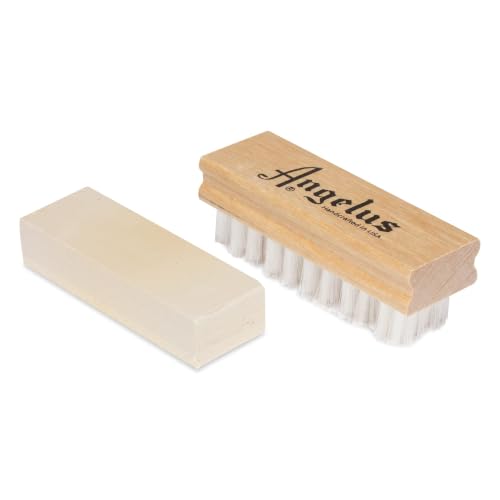
Dry kits use a firm eraser and a stiff brush instead of liquid, because water spots and flattens suede and nubuck. The eraser lifts dry stains and shiny marks, and the brush raises the nap so the surface looks even again. These kits are essential if you own suede boots or nubuck sneakers, since standard liquids can leave permanent dark patches. They cannot remove oil stains fully or clean fabric shoes, so suede owners still need a gentle liquid for other pairs. Expect to pay about $8 to $18 for a kit that lasts through many uses, and always brush in one direction for the final pass.
Foam Cleaners vs Liquid Kits: Which Should You Choose?
Foam wins on speed, drying time, and safety for delicate uppers, while liquid kits win on deep cleaning power and cost per wash. If your shoes are mostly mesh runners and canvas sneakers that collect real dirt, a liquid kit restores them more fully and costs less across a season. If your shoes are leather, knit, or lightly worn fashion pairs, foam protects the materials and gets you out the door faster. Many households end up owning both, using foam for weekly touch ups and the liquid kit for a monthly deep clean. Decide by asking one question: do my shoes get dirty, or just dusty?
How to Choose the Right Cleaning Solution
Material Safety Comes First
Match the cleaner to the most delicate material on the shoe. Suede and nubuck need dry methods, smooth leather wants gentle and low water products, and canvas and mesh tolerate the widest range. Check the label for materials the maker warns against, and test any new cleaner on a hidden spot near the heel first. Wait ten minutes and check for color lift on your cloth, because dye transfer is easier to spot early than after a full scrub. When a shoe mixes materials, such as leather with mesh panels, clean for the delicate part and go gently everywhere else.
Cleaning Power and Stain Type
Fresh dirt and dust need only mild surfactants, while grass, oil, and road salt need stronger formulas and more brush work. Salt lines on winter boots respond well to a half and half mix of water and white vinegar before a gentle cleaner, a useful trick that costs almost nothing. Colored cleaners can tint white shoes, so choose clear formulas for light pairs. Avoid bleach on fabrics and colored leather, since it weakens fibers and strips dye unevenly. For white midsoles, a cleaner with mild brighteners helps, but patient brushing matters more than any single ingredient.
Ease of Use and Drying Time
Your routine decides the format you will actually use. Foam and wipes need no mixing or rinsing and let shoes dry in about an hour, while a soaked liquid wash can need a full day of air drying. If you clean shoes the night before work, favor low water formats. Liquid kits reward patience with a deeper reset for heavily worn pairs. Whatever you pick, stuff cleaned shoes loosely with plain paper to hold shape and draw moisture out, and keep them away from radiators and hair dryers, because direct heat cracks leather and warps soles.
Features That Matter for Shoes
Look for a balanced formula that cleans without harsh solvents, a brush matched to your materials, and clear directions for leather, fabric, and suede. Soft bristles suit knit and mesh, while a firmer brush tackles rubber midsoles and textured soles. Concentrated formulas stretch your budget because each bottle covers more washes. Scent is personal, but avoid heavy fragrance if you store shoes in a small closet. A resealable cap and a bottle that stands upright sound minor until a leak stains a shelf, so check packaging quality too.
How to Make Your Cleaning Solution Last Longer
Store bottles upright in a cool cupboard away from sunlight, which breaks down cleaning agents over time. Measure concentrates instead of pouring freely, since doubling the dose rarely cleans better and can leave residue that attracts new dirt. Rinse brushes after each session and let them dry fully so mildew does not move to the next pair. Keep wipes sealed tight and store the pack upside down so the top sheet stays moist. Rotate two pairs of everyday shoes so each pair gets cleaned less often and dries fully between wears.
Frequently Asked Questions
What features matter most in cleaning solutions for shoes?
Material safety, gentle but effective cleaning agents, and a suitable brush matter most. A solution that is safe for your upper material protects dye and texture while it lifts dirt. Clear directions by material help you avoid guesswork. Concentration is a bonus because it lowers cost per wash. Skip products that promise instant whitening with harsh chemicals, since they often damage fabric and stitching.
How do I match a cleaning solution to my shoe material?
Start by naming the main material of the upper, then choose the format built for it. Suede and nubuck need dry eraser kits, smooth leather needs gentle low water cleaners, and canvas and mesh accept most liquid or foam products. When materials are mixed, follow the rule for the most delicate one. Always spot test near the heel and wait ten minutes before cleaning the whole shoe.
Do I need a separate cleaner for waterproof shoes?
Usually not, but you should avoid heavy soaking and silicone rich products on membrane lined shoes. Strong detergents and fabric softeners can clog the pores that let a waterproof membrane breathe, which reduces comfort on long walks. Use a gentle foam or a diluted liquid, rinse lightly, and let the shoes air dry. If the outer fabric starts soaking up water, a reproofing spray made for footwear restores surface shedding.
How often should I replace or refresh my shoe cleaning supplies?
Replace wipes when they feel dry, brushes when bristles bend or splay, and liquids when they smell off or stop foaming as they should. A liquid concentrate often lasts a year or more with normal use. Erasers in suede kits wear down slowly and can serve for several seasons. Restocking on a simple yearly check keeps you from discovering an empty bottle the night before you need clean shoes.
Can I wear my shoes right after cleaning them?
Wait until the shoes feel fully dry to the touch, inside and out. Wearing damp shoes stretches uppers, encourages odor, and can blister your heels because wet linings grip skin. Foam cleaned shoes may be ready in about an hour, while soaked canvas can need a full day. Press a dry tissue inside the toe area; if it picks up moisture, give the pair more time.
Our Verdict
Choose by material first, dirt level second, and convenience third. Liquid kits suit deep cleaning on sturdy shoes, foam suits quick care for delicate pairs, and dry kits are non negotiable for suede. Check the product table above for current formats and prices, and pick the best cleaning solution for shoes that matches the pairs you wear most.


