
Best Cleaning Kit for Timberland Boots of 2026: Complete Buying Guide
Disclosure: We may earn a commission when you buy through links on this page, at no extra cost to you. As an Amazon Associate I earn from qualifying purchases. Learn more

Nubuck, suede and smooth leather each need their own tools. Compare brushes, cleaners and protectors to pick the best cleaning kit for timberland boots.
Timberland boots earn their keep in mud, slush, and job site dust, and their nubuck and leather uppers show every bit of it. Salt lines, water spots, and ground in dirt can make a sound pair look worn out long before the soles give up. Choosing the best cleaning kit for timberland boots comes down to matching the brushes and cleaners in the box to the exact material on your boots.
This guide explains what a complete kit should contain, how the main kit types differ, and which extras are worth paying for. Check the comparison table below first, then use the buying guide sections to judge each option against your boots, your climate, and how rough your weekly wear really is.
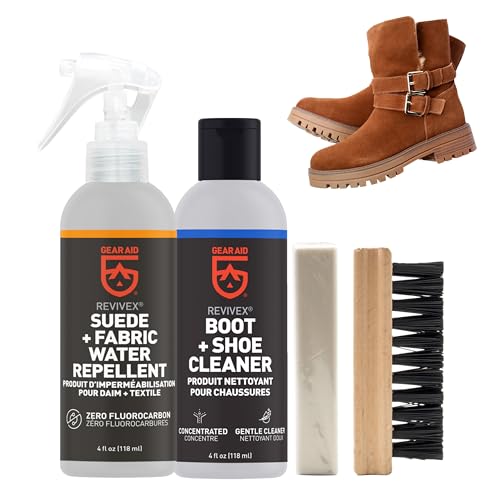


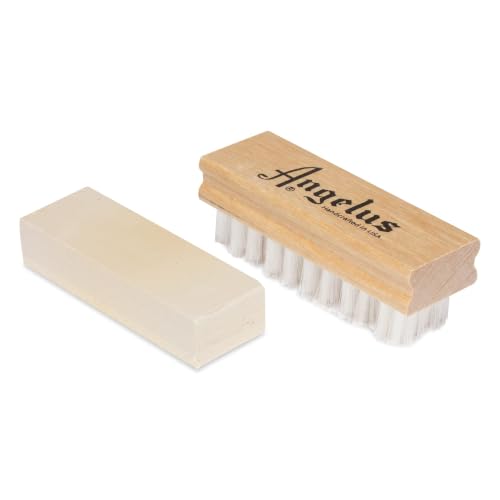
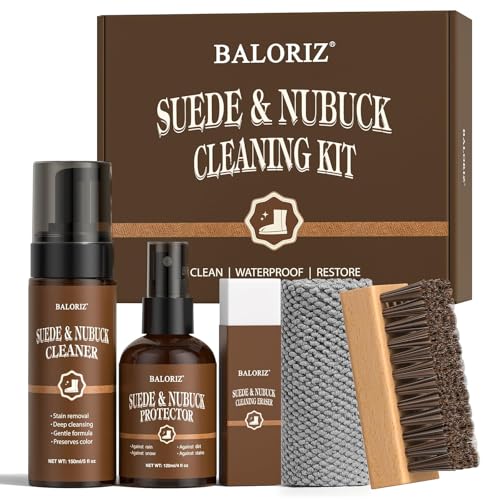


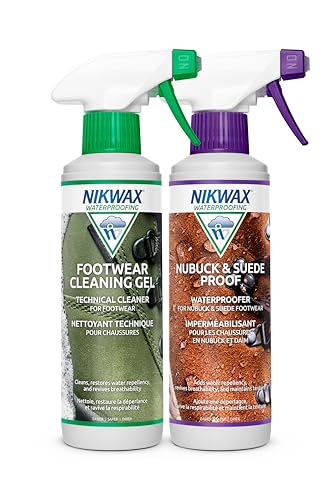
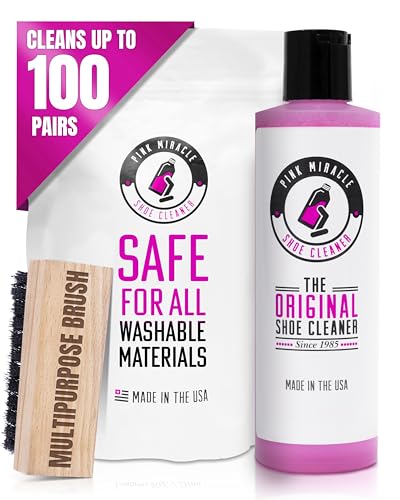


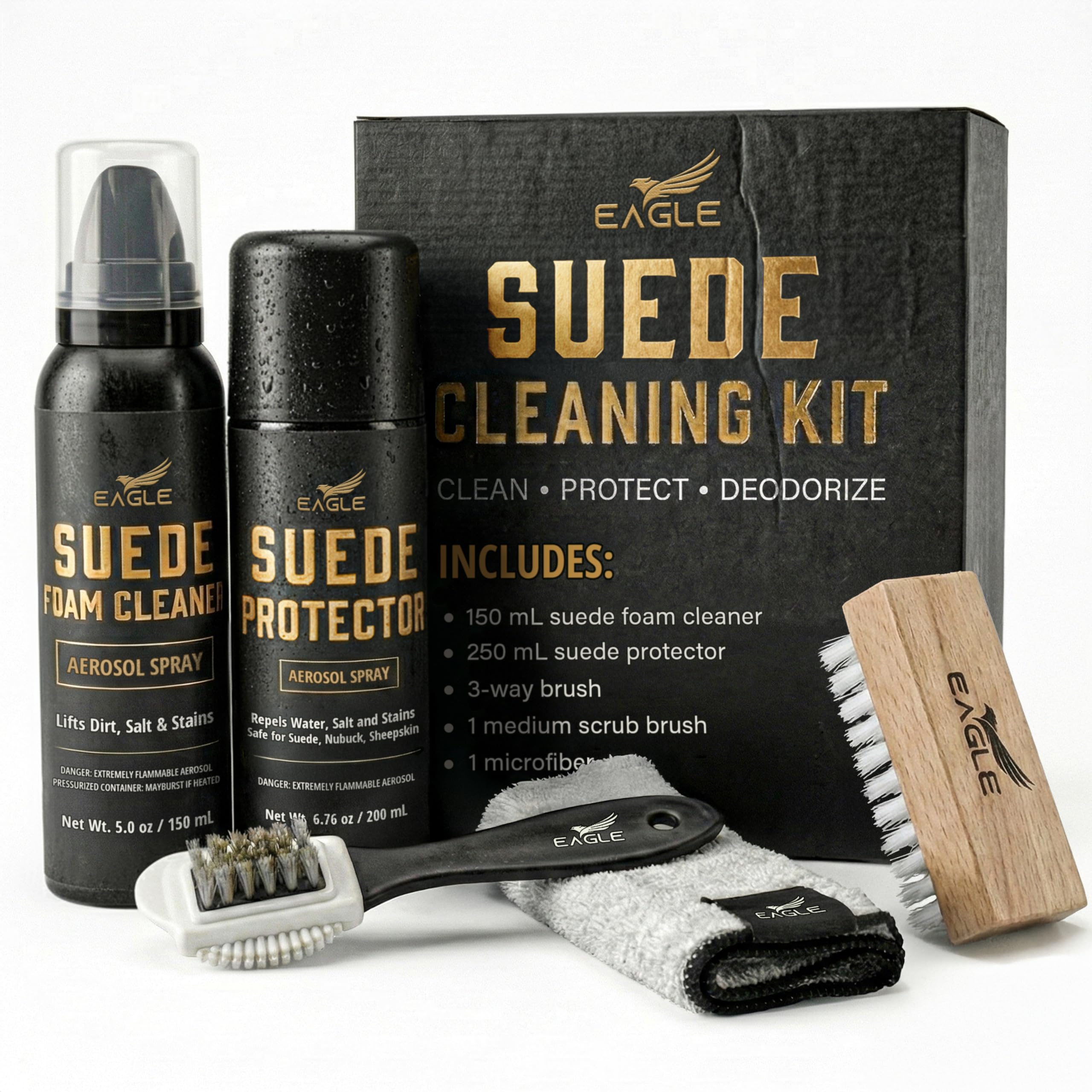
Three Kit Profiles Worth Your Money
Rather than ranking specific products, this section describes the three kit profiles that cover nearly every owner. Match the descriptions to the product table above. A kit that fits its profile description, lists every included item, and states which materials it suits is a kit you can buy with confidence.
Overall Profile: The Complete Nubuck and Leather Kit
Choose this profile if you own the classic wheat nubuck style or a mix of nubuck and smooth leather pairs. A complete kit includes a dry cleaning bar or eraser, a stiff bristle brush, a softer brush for finishing, a foam or gel cleaner, and a protector spray. Expect to pay around $25 to $40. The strength is coverage: every common mark, from scuffs to salt, has a matching tool. The limitation is size, since a full kit is more than you need for one lightly worn pair.
Value Profile: The Basic Three Piece Kit
Pick this profile for boots worn mainly on dry city streets and light trails. A basic kit pairs an eraser block with a two sided brush and a small bottle of cleaner, usually around $12 to $20. It handles dust, light scuffs, and surface dirt well, which covers most weekly care. The trade off is protection: you will likely add a waterproofing spray later, and deep salt stains may need a stronger cleaner than the small bottle provides.
Premium Profile: The Full Care System
Reach for this profile when your boots face snow, road salt, mud, or daily work wear. Premium kits, often around $40 to $60, add a dedicated salt stain remover, a richer conditioner for smooth leather, extra brushes with different stiffness levels, and a larger protector supply. The benefit is restoration power for boots that already look tired. The limitation is routine length: a full system asks for more steps, and using every product every week is more care than most boots need.
How to Choose the Best Cleaning Kit for Timberland Boots
This buying guide is the heart of the decision. Timberland boots use specific materials, mainly nubuck, smooth full grain leather, and suede panels, and each one reacts differently to water, brushes, and chemicals. Read your boot material first, then work through the factors below in order.
Features That Matter for Timberland Boots
Nubuck has a fine, velvety nap that traps dirt and flattens when it gets wet or greasy. A proper kit therefore starts with dry tools: an eraser to lift marks and a brush to raise the nap again. Cleaners should state clearly that they are safe for nubuck and suede, because general leather creams can darken nubuck permanently. Protector spray should be a breathable, water based or silicone free formula made for nubuck, so the finish stays matte rather than shiny.
Brush Sizes and Boot Coverage
Brush size sounds minor until you clean a tall boot. A small travel brush works fine on low shoes but makes a six inch boot slow going, and it struggles around the padded collar and tongue gussets. Look for at least one full sized brush with a handle you can grip firmly, plus a smaller crepe or detail brush for seams and eyelet rows. Kits that include both save you from buying extras within the first month.
Cleaner Strength and Boot Material
Match cleaner strength to the stain, not to your frustration. Foaming cleaners lift everyday dirt and are the safest starting point for nubuck. Gel and liquid deep cleaners handle salt lines and oily spots but can pull color if overused, so a kit that includes both a gentle foam and a stronger option gives you control. For smooth leather Timberlands, a conditioner matters more than raw cleaning power, because leather that dries out cracks at the flex points above the toes.
Waterproofing and Protector Sprays
Most Timberland boots leave the factory with some water resistance, and a protector spray renews that barrier as it wears off. A good kit includes a spray that repels water and stains without sealing the material, so feet can still breathe on long days. Plan to reapply every few weeks in wet seasons. Note the trade off: heavy wax based waterproofing lasts longer but darkens nubuck and changes its texture, which is why spray protectors made for nubuck are the safer kit inclusion.
Support Items: Trees, Cloths, and Storage
The supporting items in a kit quietly decide how well your boots age. Soft lint free cloths let you buff smooth leather and wipe cleaner residue from seams. Foam inserts or simple boot trees hold the shape while boots dry, which prevents deep creasing across the vamp. A kit that includes cloths and a storage bag keeps gritty brushes away from clean uppers between uses, a small detail that prevents fresh scratches during the next cleaning session.
Kit Size and Portability
Consider where the kit will live. A compact kit in a zip case suits apartment closets, truck cabs, and travel, while a larger boxed set suits a garage bench where you clean boots weekly. Weight matters less here than completeness: a tiny kit that lacks an eraser will not help your nubuck, however tidy it looks. Choose the smallest kit that still covers dry cleaning, wet cleaning, and protection for your boot material.
Drying Time and Care Out of the Box
A new kit should let you care for boots the day it arrives, with no extra purchases. Check that instructions give drying times, because nubuck must dry naturally at room temperature for several hours before brushing, and rushing with direct heat stiffens the nap. Kits that include a quick reference card with the correct order, dry clean first, wet clean second, protect last, prevent the most common beginner mistake of spraying protector over dirt.
Types of Cleaning Kits
Kits fall into four broad types. Most owners do best with the first type, then add items from the others as their boots and climate demand.
Dry Cleaning Kits
Dry kits contain only an eraser and brushes, with no liquids at all. They suit nubuck and suede boots that see dust and scuffs but little mud or salt. The advantage is safety: with no moisture or chemicals, there is almost no risk of darkening or staining. The limit is obvious, since dry tools cannot lift salt lines or grease, so boots worn through winter will eventually need a wet cleaner as well.
Foam Cleaner Kits
Foam kits add a foaming cleaner and usually a protector spray to the basic dry tools. Foam sits on the surface rather than soaking in, which makes it the most forgiving wet option for nubuck. These kits handle the widest range of everyday messes and suit most owners. Their weakness is heavy contamination: thick mud and old salt deposits may need a second treatment or a stronger gel cleaner.
Waterproofing and Protection Kits
Protection focused kits emphasize sprays, balms, and applicators over brushes. They suit owners whose boots are already clean but face wet commutes, snowy sidewalks, or muddy yards. A good one includes a nubuck safe spray and clear guidance on coats and curing time. The drawback is that protection over dirt seals the dirt in, so pair this type with at least a basic brush and eraser for preparation.
Travel and Compact Kits
Travel kits shrink the essentials into a small case: a mini brush, a small eraser, and sometimes wipes or a tiny spray. They keep boots presentable on trips and in work lockers, and they are a sensible second kit for drivers. They are not a substitute for a full home kit, because the small brush size and limited cleaner volume make deep cleaning slow and incomplete.
Tips to Get the Most From Your Cleaning Kit
- Always dry clean first: brush off loose dirt and use the eraser before any liquid touches nubuck, so you do not grind grit into the nap.
- Air dry wet boots away from direct heat, stuffed loosely with paper, for at least several hours before brushing or spraying.
- Rotate two pairs if you wear boots daily, giving each pair a rest day so the lining dries fully and odors fade.
- Test any new cleaner on a hidden spot near the heel first, and wait for it to dry before treating the whole boot.
- Reapply protector spray after every deep clean, because cleaning strips part of the old protective layer along with the dirt.
- Store brushes bristle side up or in the kit bag, since crushed bristles scratch rather than lift dirt.
Cleaning Kits: Your Questions Answered
What features matter most in a cleaning kit for Timberland boots?
A nubuck safe eraser, two brush stiffness levels, and a breathable protector spray matter most. Together they cover dry marks, ground in dirt, and water protection without risking the matte finish. A cleaner that clearly states it suits nubuck and suede is the other must have, since the wrong cleaner can darken light colored boots in a single use.
Are expensive cleaning kits worth it?
They are worth it when your boots face salt, mud, or daily work wear, because premium kits add salt removers and conditioners that basic kits lack. For lightly worn boots, a mid priced kit covers nearly everything. Judge by contents rather than price: a costly kit that duplicates brushes but omits a protector is worse value than a cheaper, complete one.
Can I clean Timberland boots every day with a kit?
You can brush them daily, but you should not wet clean them daily. A quick dry brush after wear removes dust before it settles into the nap, and that habit takes under a minute. Save foam or gel cleaners for visible dirt, roughly every few weeks, because repeated wetting and drying slowly stiffens nubuck and fades its color.
How should a cleaning kit match different Timberland boot materials?
Match the kit to the upper material first. Nubuck and suede need dry tools and nubuck safe sprays, smooth leather needs a cream cleaner and conditioner, and fabric panels need only mild foam. Many owners have mixed pairs, so a kit that lists each material it covers, with separate instructions per material, prevents the classic error of using leather cream on nubuck.
Do Timberland boots still need protector spray if they are sold as waterproof?
Yes, because the factory water resistance wears down with abrasion, flexing, and cleaning. The waterproof membrane inside keeps water out, but the outer nubuck can still absorb water, gain weight, and stain. A light protector spray keeps the surface shedding water and resisting salt marks, which preserves both comfort and appearance between deep cleans.
Our Verdict
Start with material match, brush coverage, and a safe protector, and the right kit becomes obvious. Light wear suits a basic three piece kit, while salt and work site grime justify a full care system. Compare the product table above with those three criteria in mind, and the best cleaning kit for timberland boots for your pair will stand out quickly.


