
Best Clear Sandals: Our 2026 Checklist and Buying Guide
Disclosure: We may earn a commission when you buy through links on this page, at no extra cost to you. As an Amazon Associate I earn from qualifying purchases. Learn more

Use this checklist to compare the best clear sandals by fit, strap comfort, clarity, sole grip, and care so you can choose a pair that suits your plans.
Clear sandals look simple, but the difference between a pair you love and a pair that pinches, squeaks, or turns cloudy in a month comes down to details you can check before you buy. This guide gives you a clear checklist for judging the best clear sandals on fit, material quality, comfort, and care. Work through each point, glance at the comparison table below to build a shortlist, and you will know exactly which style fits your feet and your plans.
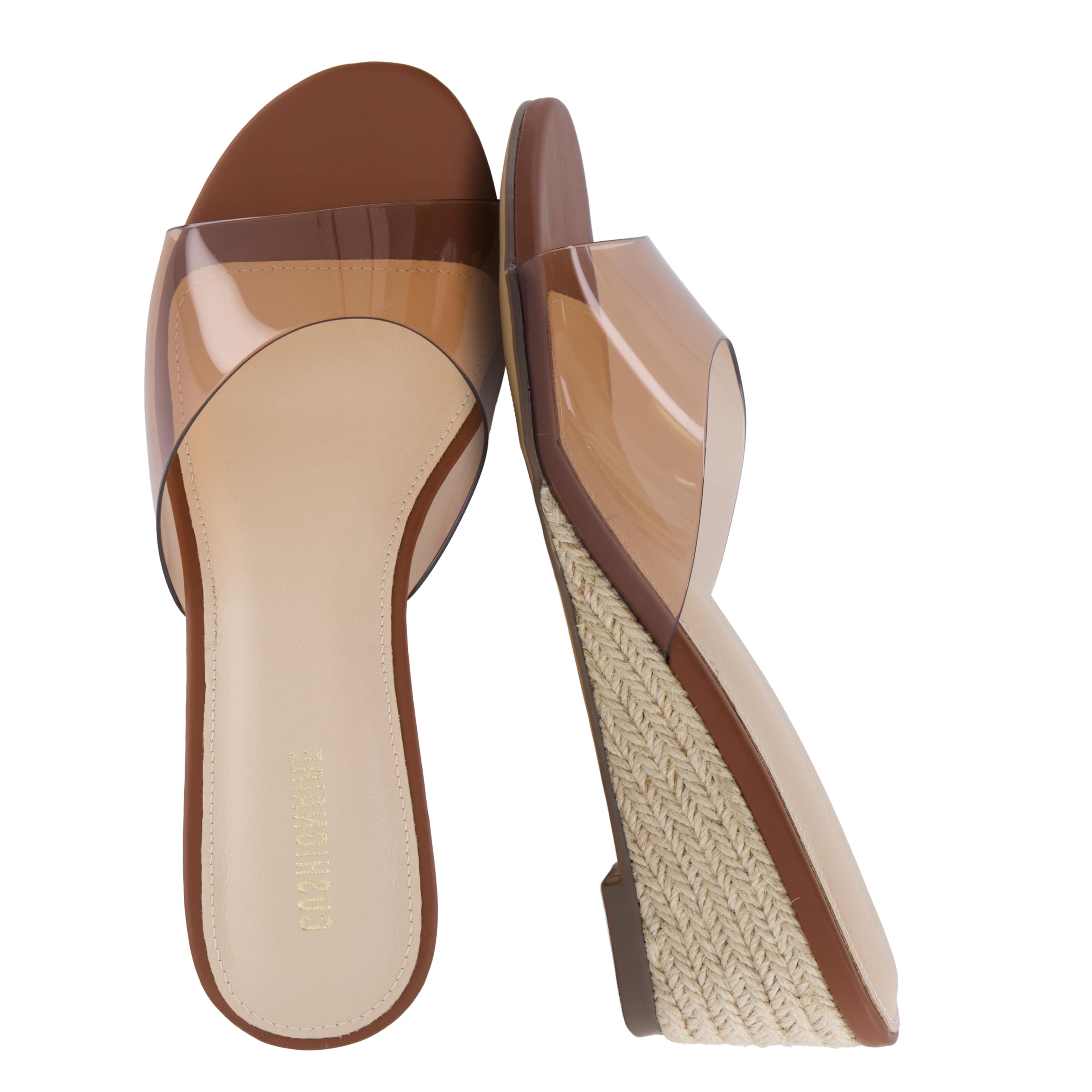

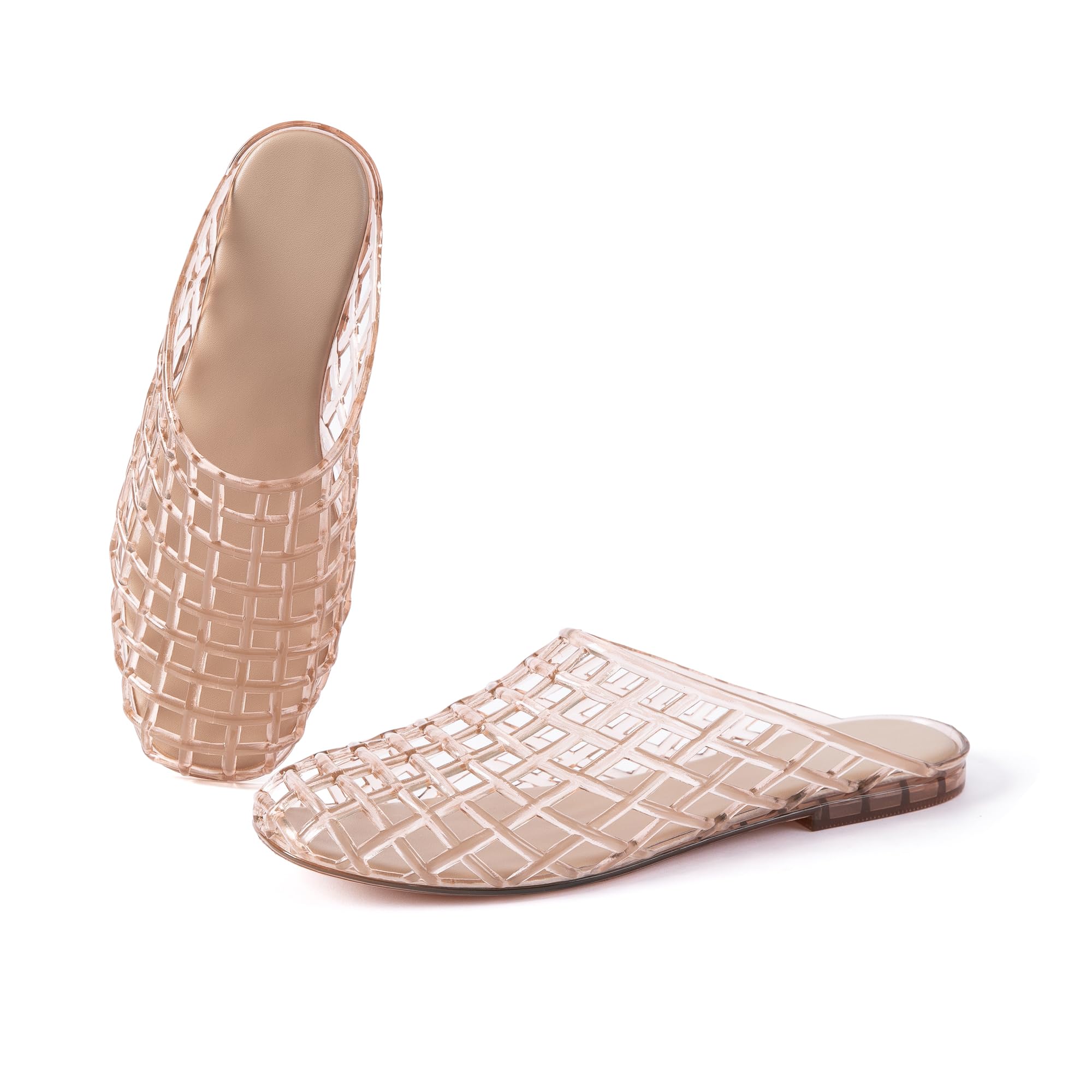
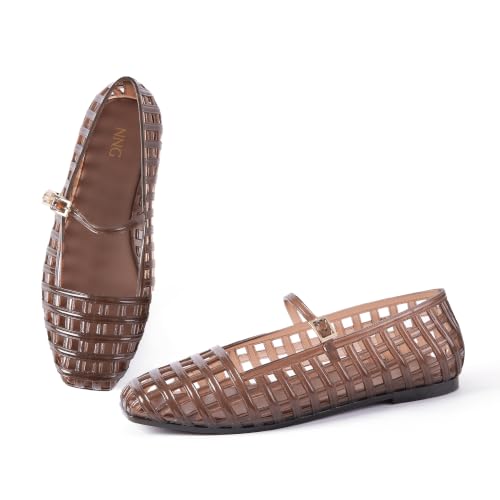

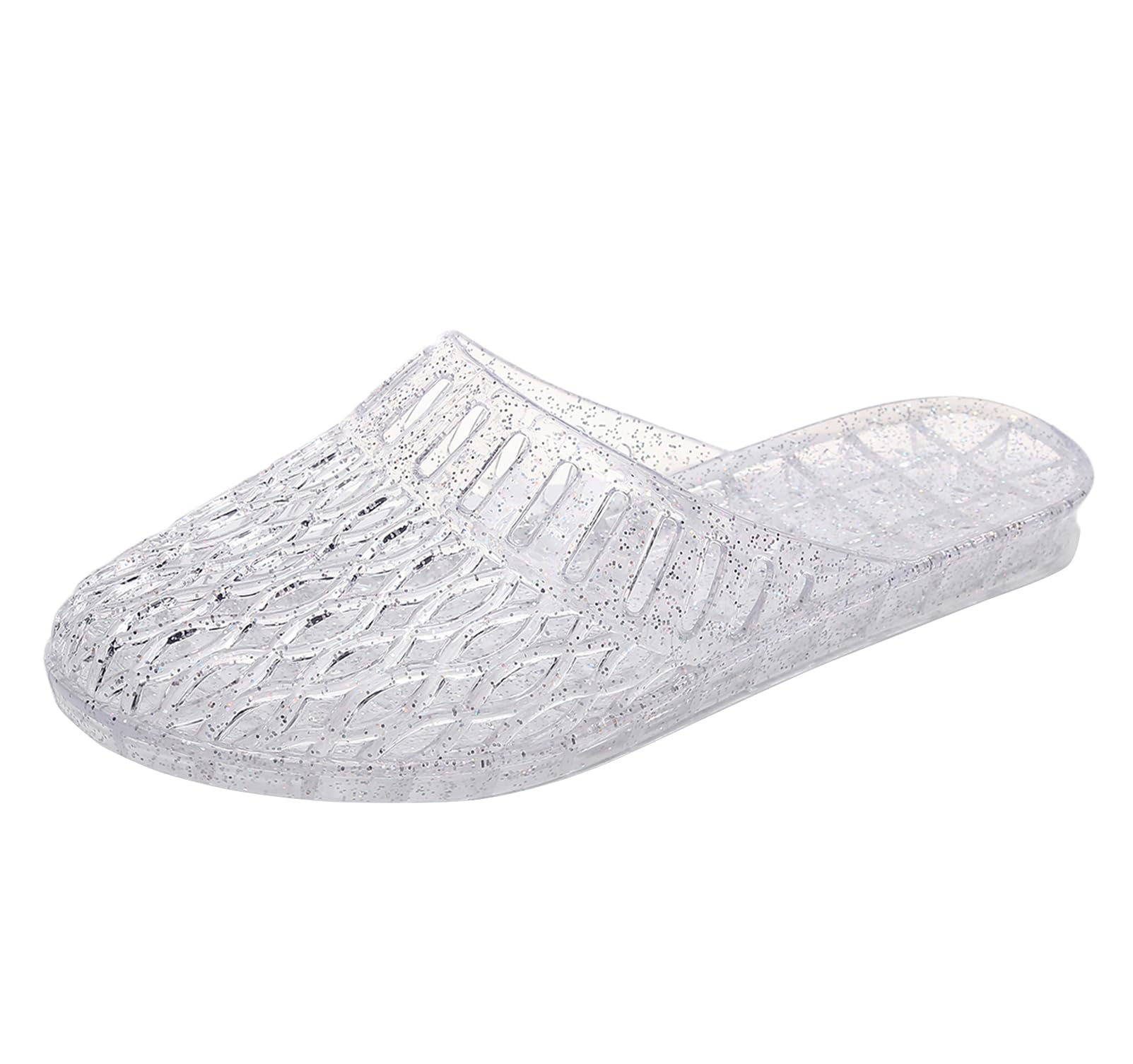



How We Evaluate the Best Clear Sandals
Fit, Sizing, and Toe Box
Fit is the first pass or fail check, because clear straps show every squeeze and rarely stretch the way leather does. Measure your feet in the afternoon, when they are at their largest, and compare against the size chart for that specific style rather than your usual size. Look for a toe box with room to spread your toes, straps that clear your ankle bone, and a footbed about a quarter inch longer than your longest toe. If you fall between sizes, most clear styles feel better sized up, since a tight transparent strap digs in and fogs against the skin.
Cushioning and Support
Many clear sandals are built on thin, flat soles that look sleek but tire your feet fast. Check the footbed for molded contouring, a gentle arch rise, and cushioning under the heel and ball of the foot. A slight heel to toe drop, or a small wedge, usually feels kinder over a full day than a board flat sole. If you know you need real support for long walks, our guide to the best sandals for plantar pain explains the features that help sensitive feet, and it is a useful cross check before you commit to a fashion first pair.
Material Clarity and Yellowing
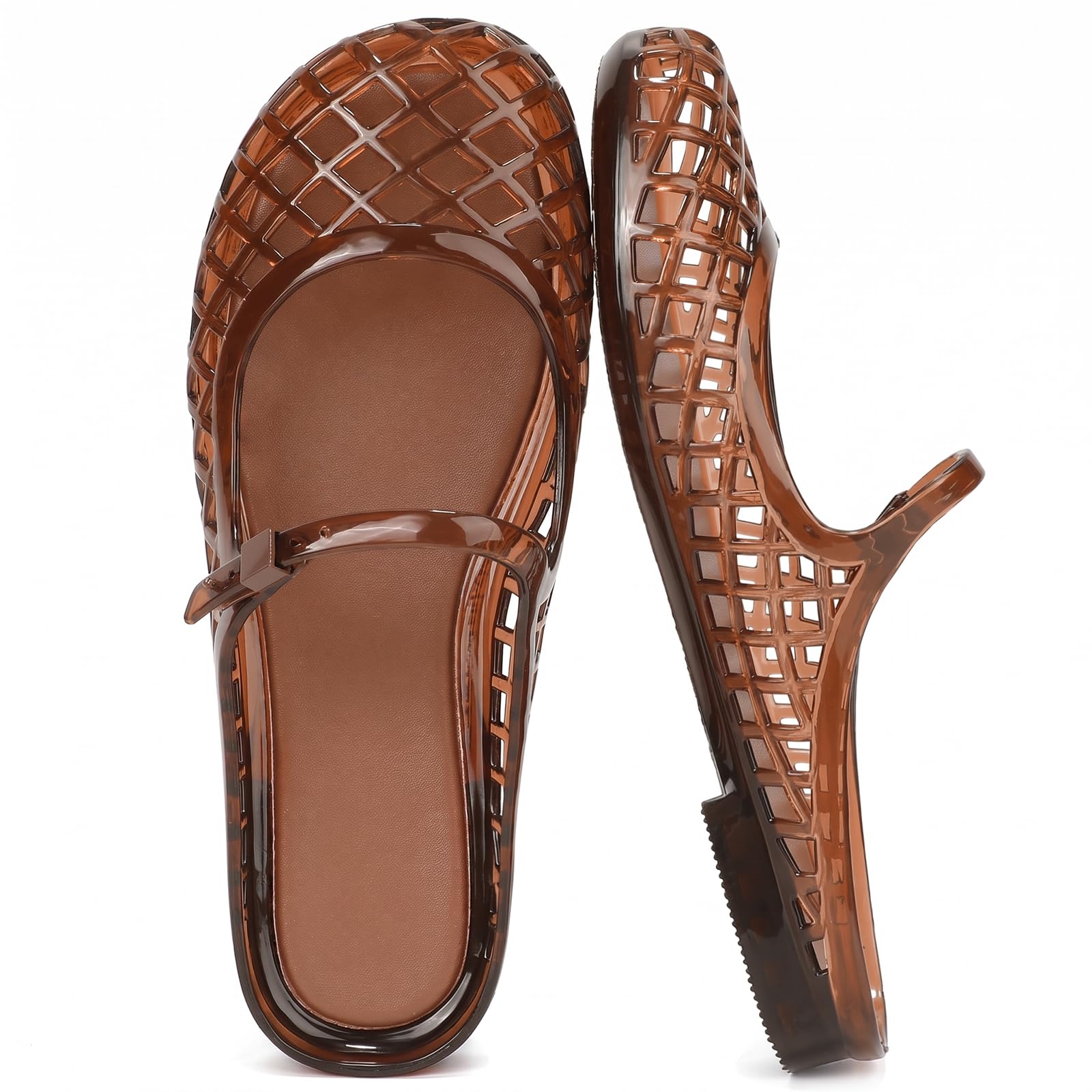
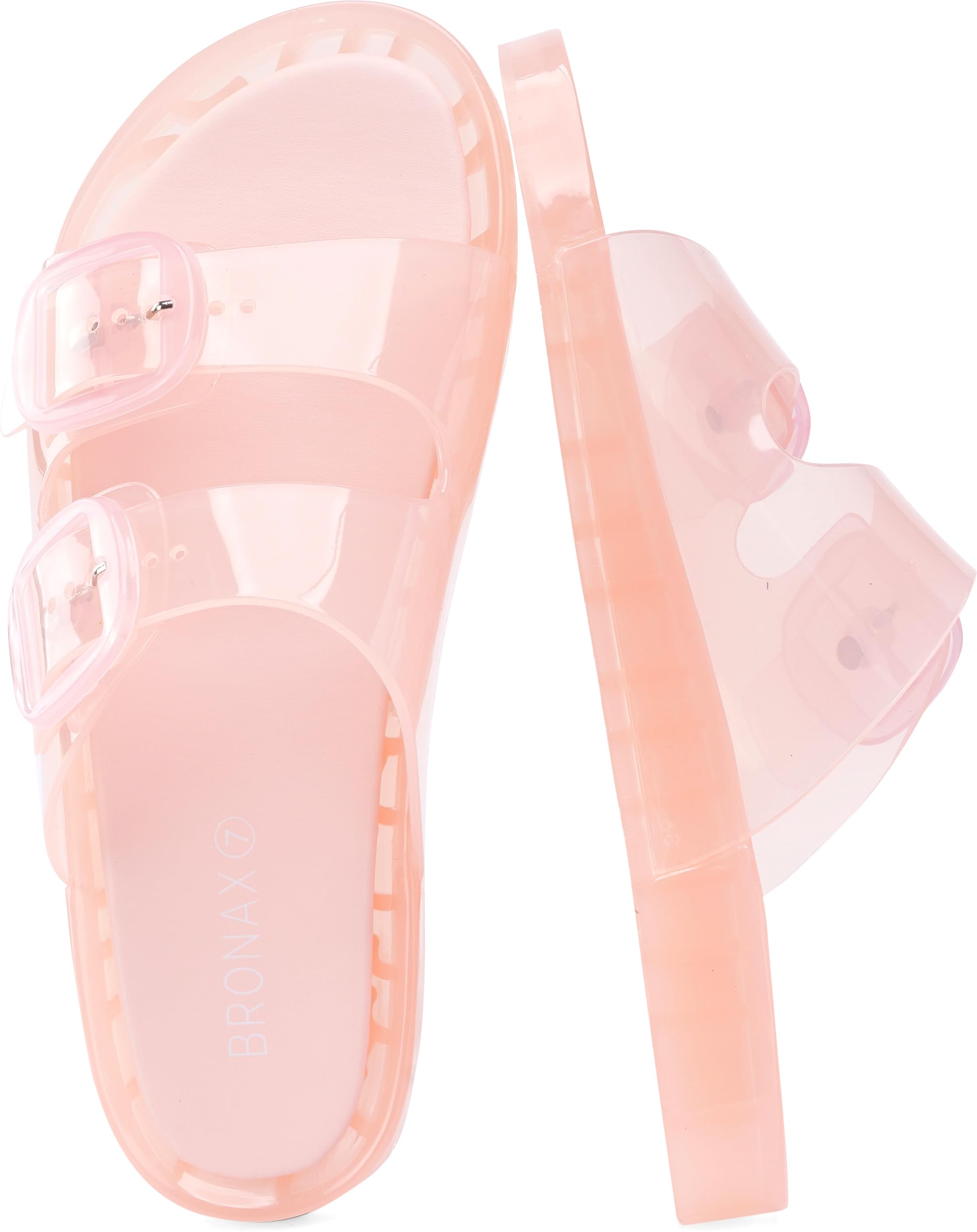
The clear in clear sandals is usually PVC, vinyl, or a similar flexible plastic, and quality varies a lot. Good material looks glass clear out of the box, bends without white crease marks, and resists the yellow tint that sun and heat bring out in cheaper blends. Hold the strap up to light when the sandals arrive: cloudiness, bubbles, or uneven thickness are early warning signs. Water friendly material is a genuine plus here, since most clear sandals shrug off rain and poolside splashes, but rinse off salt and chlorine to slow dulling.
Durability and Expected Lifespan
Judge durability at the stress points: where straps anchor into the sole, the stitching or bonding around the edges, and the thickness of the outsole. Straps glued into a split sole peel sooner than straps that run under the footbed and are secured through it. A clear sandal worn a few times a month for events can last several seasons, while a daily wear pair on hot pavement may show scuffs and strap fatigue within one summer. Flexible soles should bend at the ball of the foot, not fold in the middle of the arch.
Upper Materials and Breathability
Transparent uppers do not breathe the way mesh or leather does, so design has to do the work. Open sides, fewer and narrower straps, and space around the toes all reduce the steamy, stuck feeling that makes clear shoes fog up. Powder or a thin no show sock can help on very hot days, though most people simply rotate clear sandals with a breathable pair. If your feet run hot, choose a slide or a two strap style over an enclosed pump shape, and save closed clear styles for evenings and shorter outings.
Arch Support and Foot Type
Know your foot type before you shop. Flat feet usually need a firmer, contoured footbed that resists rolling inward, while high arches do better with cushioning that fills the arch and softens impact. Wide feet need straps set wider apart and a sole that does not taper sharply at the ball. If you have diabetes, poor circulation, or ongoing foot pain, talk with your clinician before choosing open sandals with thin soles, because small blisters and pressure spots can become serious problems for sensitive feet.
What Passing Our Checklist Looks Like at Each Price Tier
Budget Tier: Fun Pairs for Occasional Wear
Budget clear sandals, often under $30, are fine for a holiday, a party, or trying the look before you invest. At this level, accept a flatter sole and basic material, but still reject straps with sharp inner edges or soles that crease white when bent. Comfort upgrades are rare here, so plan these for shorter outings. Check the return policy, because sizing quirks are common in low cost transparent styles and an easy exchange matters more than a small saving.
Midrange Tier: The Everyday Sweet Spot
Midrange pairs, about $30 to $70, are where comfort features show up: padded footbeds, sturdier strap anchors, and clearer material that holds up through a season of regular wear. This is the tier to choose for weddings, vacations, and summer evenings when you will be on your feet for hours. You will also see better sizing consistency and half sizes more often. For most buyers comparing the best rated sandals across styles, this tier offers the clearest value.
Premium Tier: Polished Looks and Better Build
Premium clear sandals, often over $70, sell refinement: crystal clear straps with finished edges, cushioned or leather lined footbeds, and heels and soles shaped for a dressier look. The comfort gap over midrange pairs is real but modest, so pay the premium when the sandals must carry a formal outfit or you want one pair to last several seasons. Inspect photos closely for edge finishing, since polish at the strap edges is what separates this tier visually.
Quick Buyer Checklist
- Did you measure your feet in the afternoon and check this style size chart?
- Can you spread your toes without the straps pressing on the joints?
- Does the footbed have visible arch contour and heel cushioning?
- Is the clear material glass clear, with no bubbles, clouding, or white creases when bent?
- Are the straps secured through or under the footbed, not just glued on top?
- Does the outsole grip when you twist it, with tread you can feel?
- Is there a return window long enough to try the pair indoors first?
Red Flags to Watch For
- Vague materials. Listings that only say plastic or synthetic without naming the material hide low grade blends that yellow fast.
- Sharp strap edges. Unfinished edges cut into skin within an hour, and you cannot soften them the way you can leather.
- No size chart or reviews pattern. A flood of comments about running tiny or huge signals sizing you cannot trust.
- Glue beads and bubbles. Visible excess glue at the strap joints points to weak bonding that heat will loosen.
- Very short return window. Sellers who resist returns on footwear often know the fit runs strange.
Guys exploring the same look will find fit notes differ a little, and our guide to the best sandals for guys covers wider sizing and strap placement for men feet.
Setup and Care Tips
Wear new clear sandals around the house for an hour before their first real outing, so you can spot rubbing while returns are still easy. Clean the straps with a soft cloth, mild soap, and cool water, then air dry away from direct heat and strong sun, which warp and yellow the material. Store pairs flat, unstacked, with a cloth between them so the clear surfaces do not stick or scuff. A light wipe after each wear keeps dust from grinding into the surface and dulling the finish.
FAQs
Can I wear clear sandals all day?
You can wear well cushioned clear sandals all day, but thin flat styles are better saved for shorter outings. Choose a contoured footbed, keep strap edges smooth against your skin, and break the pair in with a few shorter wears first. If your day involves miles of walking or standing on hard floors, rotate to a more supportive shoe and let the clear pair shine for the parts of the day that matter most.
Are clear sandals waterproof?
Most clear sandals handle water well because their straps and soles are synthetic and do not soak it up. Rain, splashes, and a quick rinse will not harm them. What water does not do is protect the material from sun, so dry them in shade rather than leaving them on a hot deck. Check for metal buckles or leather footbeds, since those parts can tarnish or stain even when the clear parts are fine.
Are expensive clear sandals worth it?
Expensive clear sandals are worth it when you need polished looks, better cushioning, and straps that stay clear through several seasons. The jump from budget to midrange buys the biggest comfort gains, while premium pricing mostly refines finish and footbed materials. If you only wear the style twice a year, a midrange pair kept in its box between events will serve you just as happily.
How long is the break in period for clear sandals?
Expect two or three short wears over about a week, because clear straps soften only slightly and mostly it is your feet adjusting to the edges. Wear them indoors first, and place a small adhesive cushion strip on any spot that rubs. If a strap still digs after several wears, the fit is wrong rather than stiff, and exchanging sizes beats hoping the material will stretch.
How should clear sandals fit?
Clear sandals should fit snugly without pressing, with your heel seated in the cup, toes clear of the front edge, and straps lying flat without a gap you can pinch. Because the material shows pressure as white or fogged patches against the skin, visible squeezing means the fit is too tight. Walk on carpet and check that your foot does not slide forward, which points to straps set too loose or too high.
How often should I replace my clear sandals?
Replace clear sandals when the material yellows or cracks, straps loosen at their anchors, or the footbed cushioning feels packed flat. For an occasional wear pair stored in the dark, that may be several years. A daily summer pair on hot pavement may be done after one or two seasons. Retiring them early matters for safety, since a strap that lets go on stairs or in a crowd can cause a fall.
Wrapping Up
Judge fit first, material clarity second, and strap construction third, and the best clear sandals for your needs will stand out quickly. Use the checklist above in the shop and again when your pair arrives, and compare your finalists against the product table above before you decide. A careful ten minute check at home saves a season of sore feet.


