
Best Classic Women's Luxury Watches in 2026: Which Type Is Right for You?
Disclosure: We may earn a commission when you buy through links on this page, at no extra cost to you. As an Amazon Associate I earn from qualifying purchases. Learn more

Compare types of best classic women's luxury watches by movement, case size, materials, and price tier with this clear buying guide for women.
Luxury watch shopping for women often mixes fine jewelry language with vague promises, which makes real comparison hard. Case size, movement, and materials matter far more than sparkle in a product photo. This guide to best classic women's luxury watches compares each major type plainly, so you can match a style to your wrist, your wardrobe, and your daily routine. Read the comparison table below first, then use the sections that follow to weigh each type against your own life.
Classic here means enduring design rather than trend driven shapes. Clean dials, balanced proportions, and straps that can be replaced keep a watch wearable for many years.


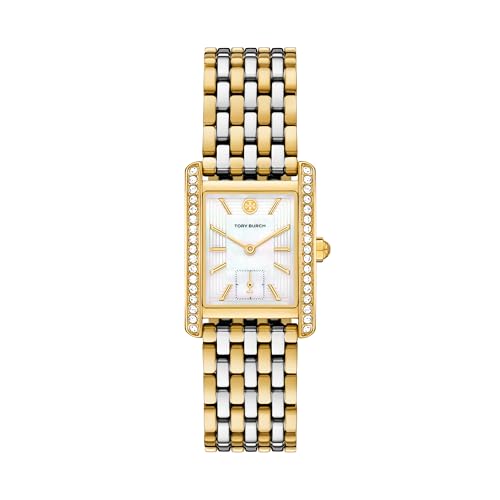


Types of Classic Luxury Watches Compared
Three broad types cover most of the best classic women's luxury watches. A traditional automatic or quartz watch offers timeless looks and low fuss. A solar watch adds light powered convenience.
A smartwatch in a classic styled case adds connected features but asks for charging and software care. Your daily habits, not the price tag, should pick the type.
Smartwatches
A luxury styled smartwatch pairs a polished case and a fine strap with a full digital display, GPS, and health sensors. It suits women who track workouts, want call and message alerts, and change watch faces to match an outfit.
The costs are daily or near daily charging, a screen that can look out of place at a formal dinner, and a service life tied to software support. Heart and sleep data are general wellness information only and never replace medical advice or a medical device. If you love data and charge a phone nightly without fail, this type can earn its place.
Solar Watches
Solar watches hide a light powered cell in a classic dial, so they look traditional while avoiding routine battery changes. They suit busy owners who want grab and go accuracy and who keep the watch where daylight reaches it.
Dial choice is narrower than with quartz, and very dark storage for months can drain the cell. Prices sit in the middle of the luxury entry range, around $300 to $900 for well finished models. For travel across time zones, a solar watch with a simple world time function is quietly practical.
Dive and Field Watches
Classic styled dive and field watches bring stronger cases, clear lume, and water resistance of 100 meters or more in a refined form. They suit women who swim, travel, or work with their hands and still want one watch for dinner. The trade off is extra thickness and weight, plus a sportier dial that may fight with delicate bracelets worn on the same wrist.
Sizes have improved, and many now start at 36 mm. If you want related styles in a broader frame, see our guide to the best classic women's watches for everyday proportions and strap ideas.
Smartwatches vs Solar Watches: Which Should You Choose?
Choose a smartwatch if alerts, workout tracking, and contactless payment shape your day and you accept charging as a routine. Choose a solar watch if you want a dial that always looks like a watch, a battery you can mostly forget, and no app permissions to manage.
On cost, solar models usually cost less over five years because there is no planned replacement cycle tied to software. On looks, solar wins at formal events. On function, the smartwatch wins by a wide margin. Many women solve the split by wearing a solar or automatic watch most days and a smartwatch only for exercise, which keeps each tool honest to its purpose.
How to Choose the Right Classic Luxury Watch
Smart and Fitness Features
Decide which features you will still use after the first month. GPS matters for runners and hikers, while most office days need only a step count and a silent alarm. More sensors mean more charging and a thicker case.
If a health concern drives the purchase, talk with your clinician about what data would actually help, since a watch is not a medical device. Women who mainly want a beautiful timepiece can skip this category entirely and gain a slimmer case and a longer service life for the same money.
Movement Type
Quartz movements are slim, accurate, and light, which helps a smaller case sit flat and elegant. Automatic movements add craft and a smooth second hand, with a service due every five to seven years and a slightly thicker case. Solar movements remove battery swaps but limit dial materials.
Smart movements offer the most function and the shortest lifespan. Match the movement to your tolerance for upkeep. If you rotate several watches, quartz and solar stay ready, while an automatic will stop and need resetting after a few days off the wrist.
Brand Reputation, Warranty, and Value
At luxury prices, after sales care is part of what you buy. Look for a warranty of two years or more, published service costs, and an authorized service center in the United States. Established houses tend to hold value better and keep straps, crystals, and gaskets available for older models.
Keep receipts and warranty cards together, and register the watch if the brand offers it. For a wider view of the field beyond classic styling, our guide to the best women's luxury watches compares modern and traditional designs side by side.
What Women Should Look For
Proportion is the detail most often missed. A case that fits the wrist in width but sits tall will catch on cuffs and feel top heavy by evening. Look for curved lugs, a slim profile, and a strap that tapers so the watch stays centered. Weight matters too, since a steel bracelet can double the load of a leather strap.
Check clasp quality, because a fine clasp that opens with one hand and never pinches skin is a daily luxury. Finally, confirm that replacement straps in your lug width are easy to find, so the watch can change mood without a new purchase.
Case Size and Wrist Fit
Many women find 28 to 36 mm the most balanced range for a classic look, though a slim 38 mm can work on a larger wrist. Judge by lug to lug length first, since that span decides overhang. Leave a small gap between the case edge and the sides of your wrist when viewed from above.
Try the watch with a blouse cuff and a coat sleeve, not only with bare arms. If you shop online, cut a paper circle to the stated diameter and tape it to your wrist for a quick scale check before you order.
Materials, Dial, and Strap Choices
Sapphire crystal is the standard to expect at this level, since it resists the scratches that come from desks, bags, and jewelry. Case metals range from polished steel to gold tone and two tone finishes, and solid gold sits at the top of the price ladder.
Mother of pearl and other natural dials look lovely but can soften contrast, so check legibility in plain daylight. Diamond markers add cost fast and should never replace basic specs like water resistance. For context on the full luxury field for all wearers, see the best luxury watches guide before you commit to a budget.
Straps decide comfort more than any other part. Leather is light and formal but ages with water and heat, while a metal bracelet is durable and easy to clean. A quick release strap system lets you change looks in seconds and makes one watch serve work, travel, and evening wear. If you prefer a narrower field focused on value within luxury, the best classic watches overview is a useful companion read.
Tips to Get the Most From Your Classic Luxury Watch
- Service an automatic watch every five to seven years and keep the service record with the warranty papers.
- Rinse the case and bracelet with fresh water after saltwater exposure, then dry each link with a soft cloth.
- Store the watch away from magnets and strong perfume sprays, and keep leather straps out of direct sun when not worn.
- Charge or expose a solar or smart model on a regular rhythm so the cell never sits empty for months.
- Have water resistance seals checked every two years if you swim or shower with the watch.
FAQs
What makes classic luxury watches for women different?
The difference lies in proportion, finishing, and strap design rather than in timekeeping alone. Cases run smaller and slimmer, lugs curve to sit flat, and dials favor restraint over bulk. Materials and service support sit at a higher level than fashion watches at similar sizes. A true classic also avoids seasonal shapes, so it pairs with clothing you already own instead of demanding a new wardrobe.
What case size fits my wrist?
Measure your wrist and compare it with the lug to lug length, not only the diameter. On a wrist near 5.5 to 6 inches, a case of 28 to 33 mm with a short lug span usually looks balanced. Larger wrists can carry 36 to 38 mm with ease. The case should not extend past the edges of your wrist, and the strap should hold it centered without squeezing.
Is a smartwatch worth it over a classic watch?
It is worth it if you act on its alerts and tracking most days. If the data sits unread, a classic watch gives you better looks, longer life, and no charging for similar money. Think about replacement cycles too, since a smartwatch may feel dated in three to five years while a classic design stays current for decades. Your phone habits usually predict the answer honestly.
How long does a watch battery last?
A quartz battery typically lasts two to three years, and solar cells can run for a decade or more before capacity fades. Smartwatch batteries are measured in days per charge and in a few years of total life. Ask about battery service cost before you buy a sealed luxury case, since some designs must return to the maker for a simple cell change. Prompt replacement also protects the movement from leaks.
Quartz or automatic: which is better for women?
Quartz is better if you want the slimmest case, the lightest weight, and near zero upkeep between battery changes. An automatic is better if you value mechanical craft and wear the watch most days so it stays wound. Both can be equally elegant. The deciding factor is your routine, not prestige, and many collectors own one of each for different parts of the week.
How water resistant should a luxury watch be?
For daily wear with hand washing and rain, 30 to 50 meters is enough when seals are fresh. Choose 100 meters if you swim, and never use pushers or the crown in water. Steam from a hot shower can stress seals more than cold water, so remove the watch before bathing. Have the rating rechecked after any case opening, including a routine battery change.
Our Verdict
Let fit lead, then movement, then materials, and let decoration come last. A watch that sits flat, suits your upkeep habits, and carries sapphire glass will please you long after trends move on. Compare your finalists in the product table above, and choose the best classic women's luxury watches option that fits your wrist and your week, not just your wishlist.


