
Best Classic Ski Boots: What Actually Matters Before You Buy for 2026
Disclosure: We may earn a commission when you buy through links on this page, at no extra cost to you. As an Amazon Associate I earn from qualifying purchases. Learn more

Use this buying guide for the best classic ski boots to compare flex, binding fit, warmth, and sizing before you choose a pair for the trails.
A classic cross country boot looks simple, but the wrong pair can ruin a good ski day fast. Boots that flex in the wrong place make your kick slip, and boots that pinch your toes go numb long before the loop is done. This guide walks you through a plain checklist for choosing best classic ski boots for your trails, your bindings, and your feet.
Work through the criteria below in order, then compare your shortlist against the comparison table below. If you are still sorting out the difference between classic and skate gear, our guide to the best classic cross country ski boots explains how the two setups compare side by side.

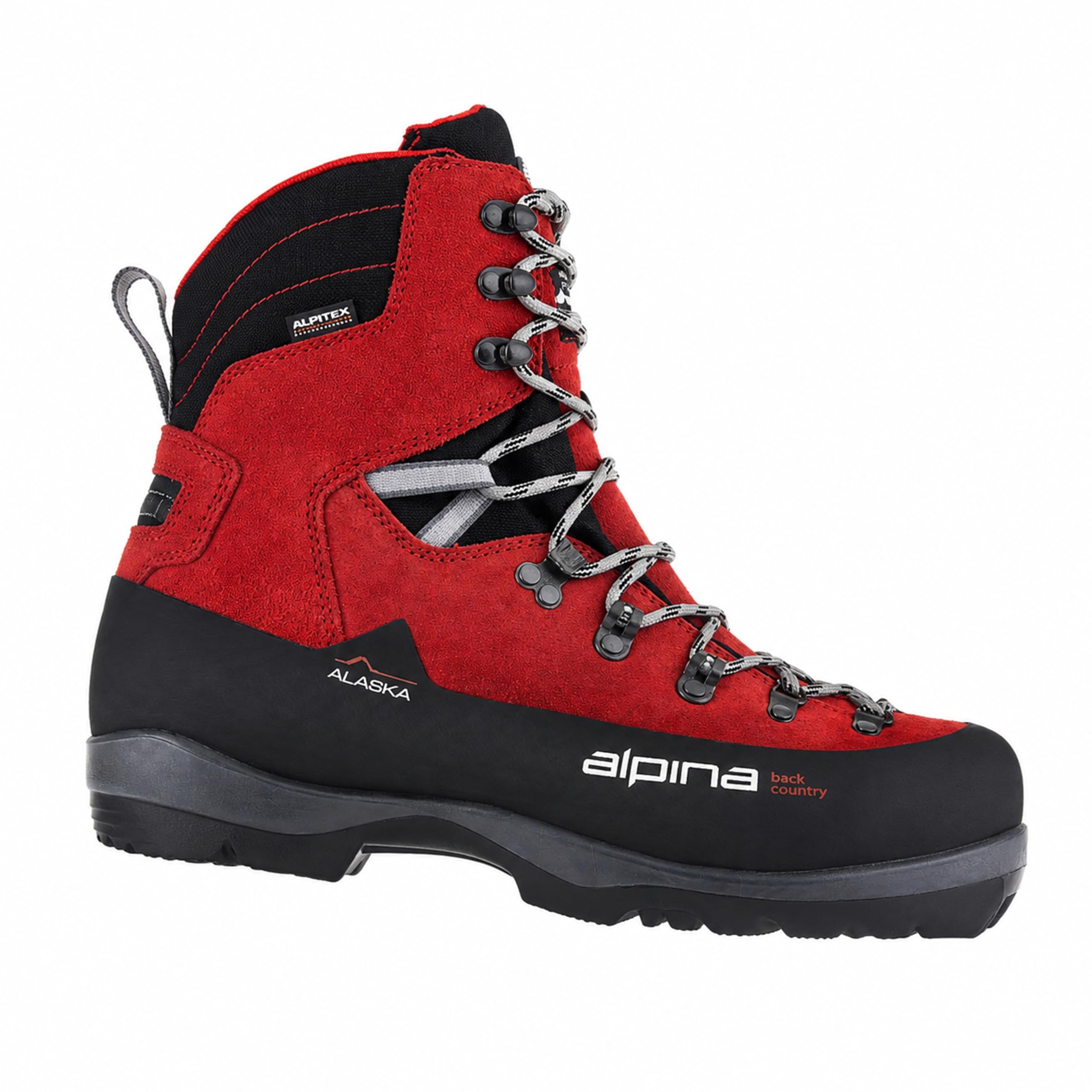

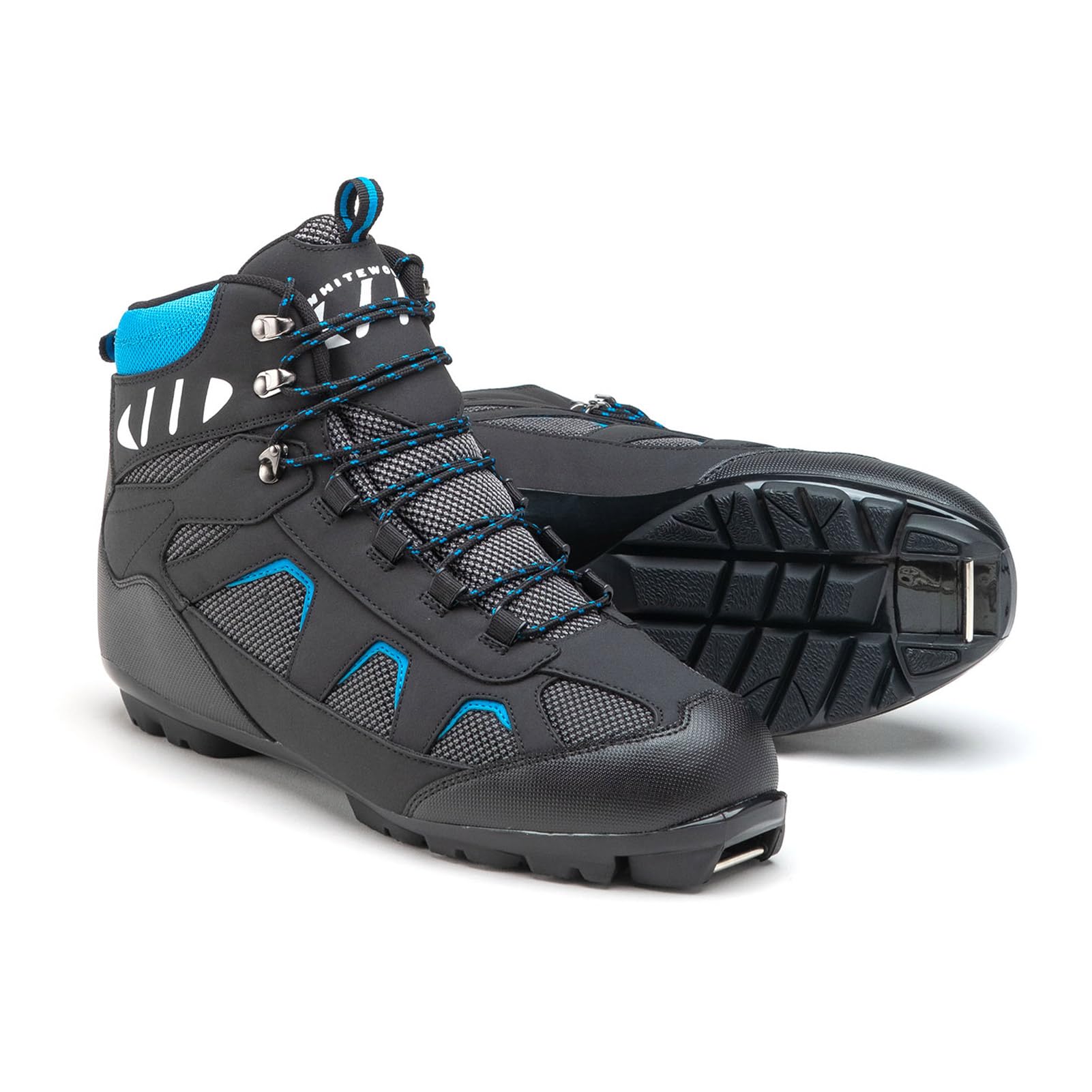
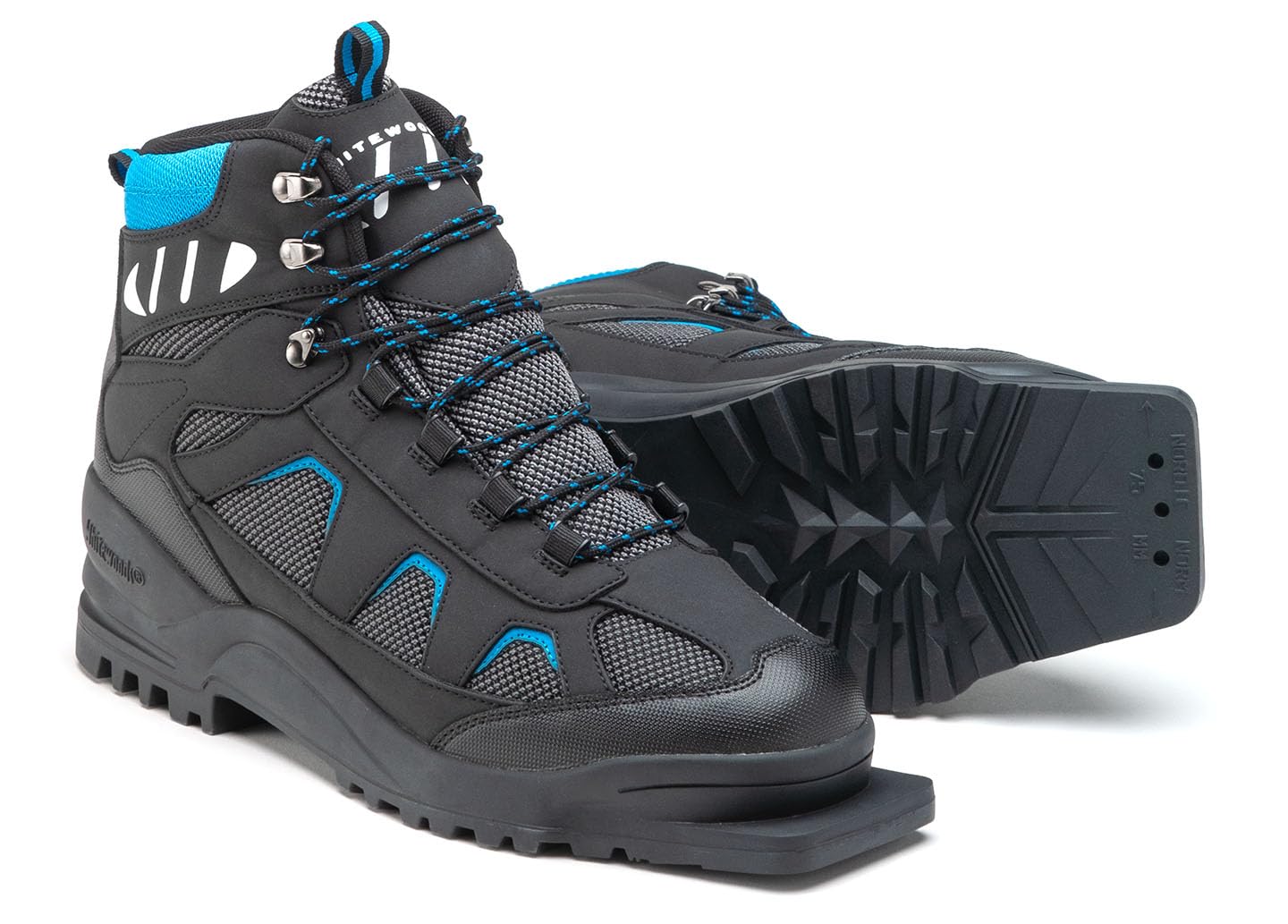


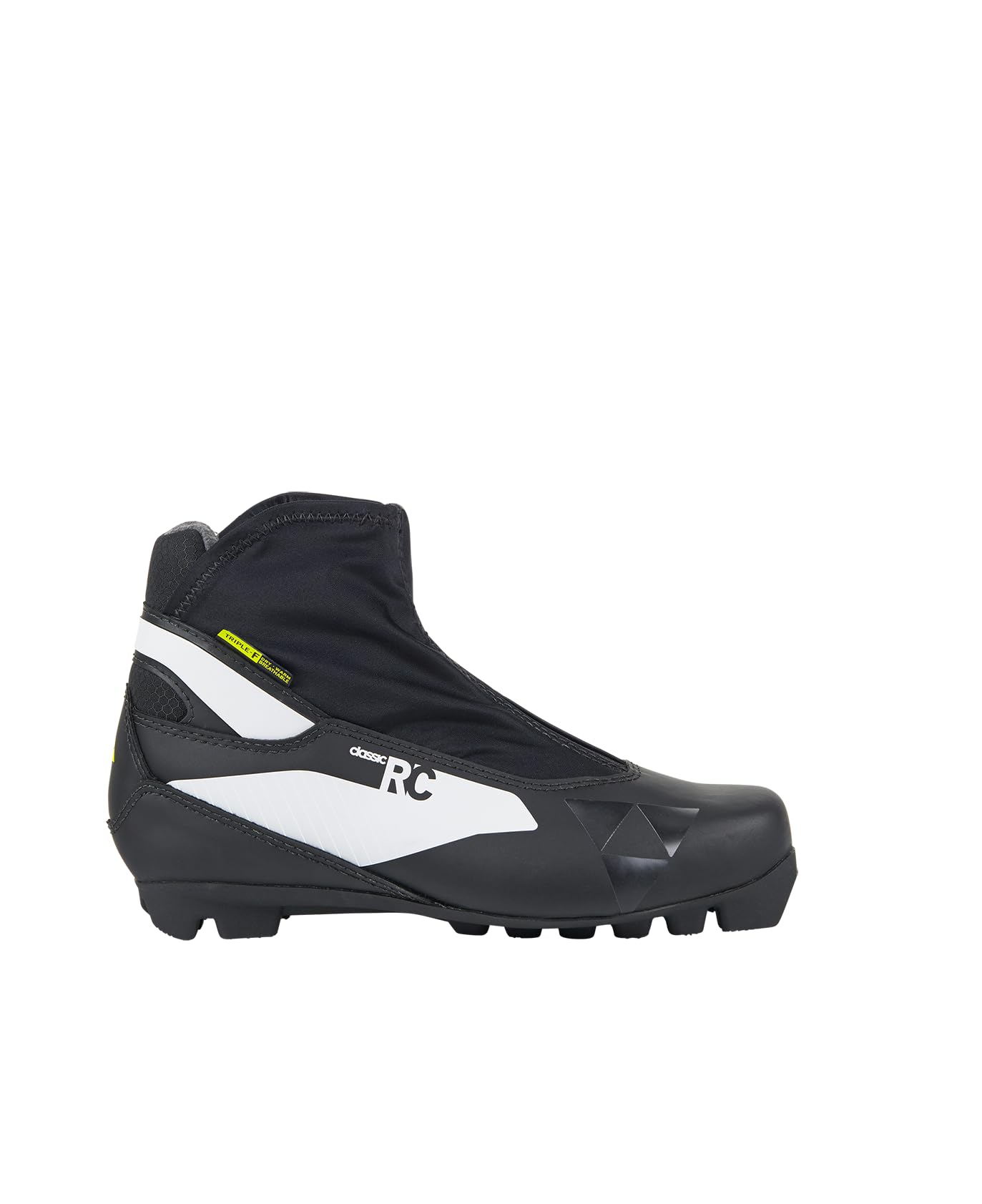


How to Choose the Best Classic Ski Boots for Your Skiing
Classic technique asks a boot to do two opposite jobs. It must bend easily at the ball of your foot so you can finish each kick, yet stay snug enough at the heel that your foot does not lift and blister. Every criterion below flows from that balance, so judge each boot against all of them rather than chasing one headline feature.
Skill Level and Intended Use
New skiers do best in soft, forgiving boots built for groomed tracks at a relaxed pace. The flex comes easily, the cuff sits low, and comfort matters more than precision. Intermediate all around options add a touch of support for longer tours and rolling terrain.
Advanced performance options feel stiffer and more direct, which suits racing and fast training but can punish sloppy technique. Match the boot to the skiing you actually do most weeks, not the skiing you hope to do once a season.
Flex, Grip, and Stability
Forgiveness in a classic boot comes from a sole that flexes smoothly under the ball of the foot. That bend lets you press the grip zone of the ski into the snow, so your kick holds instead of sliding back. A boot that is too stiff forces you to kick from your toes and tires your calves. Stability comes from the other direction: a firm heel counter and a secure midfoot hold keep the ski tracking straight during the glide phase, so you are not wobbling or correcting with every stride.
Binding Compatibility and Sole System
Nothing else matters if the boot cannot click into your bindings. Most classic boots use the NNN pattern, sold under names such as Turnamic, Rottefella, and Prolink, and these all share the same bar and groove layout. Older SNS boots use a different bar position and a single wide groove, so they do not fit NNN bindings.
A shrinking number of backcountry setups still use 75 mm three pin soles. Check the sole of any boot against your binding before you order, and if you are replacing worn boots, bring the old pair or a photo of the binding when you shop.
Materials and Construction
Most classic boots pair a synthetic upper with a molded sole, and that combination keeps weight low and drying time short. Look for a reinforced heel counter, a stitched or well bonded sole joint, and a lace cover that keeps snow out of the laces. Some higher end soles add composite stiffening through the midfoot, which sharpens control without blocking forefoot flex. Durability shows in the details: doubled stitching at flex points, a toe cap that resists scuffs from the binding, and hardware that will not rust after a wet spring tour.
Warmth and Weather Protection
Classic skiing is steady work, so your feet generate heat, yet long glides and cold descents can chill them quickly. A light layer of insulation around the toes helps on slow days and in deep cold, while very warm boots can feel swampy during hard efforts in mild weather. A fitted gaiter or a tall lace cover keeps snow from packing in when you step off the track. If you mostly ski in above zero temperatures on groomed trails, breathability usually beats maximum insulation.
Fit, Sizing, and the Size Chart
Start with the brand size chart and your Mondopoint length, since cross country boots are sized in EU numbers that do not convert evenly to US sizes. Your toes should brush nothing when you stand tall, then pull clear of the front when you flex forward into a kick position. Width matters as much as length: narrow feet swim in wide lasts and lose grip, while wide feet crammed into narrow boots go numb. Wear your ski socks for any fitting, and remember that a snug heel with a relaxed toe box is the goal.
Buying Guidance: Matching a Boot to Your Skiing
With the checklist above in mind, narrow your choice by the kind of skier you are. The three groups below cover most buyers, and each one points to a different balance of flex, warmth, and support in the product table above.
New Skiers and Occasional Tourers
If you rent skis a few times a winter or you are finishing your first season, choose comfort first. A soft flexing boot with a roomy toe box and light insulation keeps your feet happy while your technique develops. Forgiveness matters more than precision at this stage, because a boot that bends easily helps you learn the kick without fighting the gear. Spend the money you save on good socks and a lesson, since both improve your day more than a race level boot would.
Fitness Skiers and Regular Tourers
Skiers who log weekly miles on groomed trails benefit from the intermediate all around options. These boots add a sturdier heel hold and a slightly firmer sole, so the ski answers faster when you pick up the pace or climb rolling hills. Look for a secure speed lacing system or a dial closure that you can adjust with gloves on. If your tours run long, this is also the group that gains the most from upgrading support underfoot, so read our guide to the best insoles for ski boots before you decide a boot fits badly.
Performance and Racing Skiers
Advanced performance options trade plush comfort for a close fit and a direct feel. A stiffer carbon or composite reinforced sole transfers more of your kick into the ski, and a low volume last holds the foot with almost no movement. Expect a break in period and less warmth than a touring boot offers. Fit becomes critical here, because a performance boot that is half a size off is miserable, so many racers pair their boots with shaped support from our guide to the best footbeds for ski boots to fine tune the hold.
Quick Buyer Checklist
Run through these questions before you buy. A good match should earn a yes on nearly every line.
- Does the sole pattern match the bindings already mounted on your skis?
- Does the boot flex at the ball of your foot without creasing sharply?
- Does your heel stay seated when you walk and flex in the boot?
- Can you wiggle your toes while wearing your thickest ski socks?
- Does the size chart place you between sizes, and if so, can you try the larger one?
- Is the insulation level right for your coldest usual ski day?
- Does the lace cover close fully so snow stays out of the boot?
- Do you understand the return terms in case the fit is wrong?
Red Flags to Watch For
A few warning signs should send you back to the product table above for another look.
- The listing never states which binding system the sole fits, so compatibility is left to guesswork.
- Sizing advice is missing or contradicts the brand size chart, a common cause of returns.
- The boot promises race level stiffness and plush warmth at a bargain price, which usually means neither claim holds up.
- Reviews mention the sole splitting from the upper or the heel lifting badly within one season.
- The seller offers no clear warranty or return path for a product that depends on precise fit.
Setup and Care Tips for Classic Ski Boots
A classic boot needs no real setup beyond confirming the binding click and adjusting your laces, but the first outing goes better if you flex the boots indoors and walk around for ten minutes to spot hot spots early. After each ski, pull the insoles out and let the boots dry at room temperature away from direct heat, since hot air can crack synthetic uppers and warp soles.
Store them buckled loosely or laced in a cool, dry place out of direct sun. Before each season, check the sole bar and grooves for packed grit or damage, because a worn bar can release or refuse to click in. If you also ski downhill, note that alpine boots are a different system entirely, which our overview of the best ski boots covers in detail.
Classic Ski Boots: Your Questions Answered
Are premium classic ski boots worth it for a beginner?
Usually not right away. Premium boots buy you a stiffer sole, a closer fit, and lighter materials, and beginners rarely use those gains while their kick is still developing. A mid priced comfort boot teaches better habits because it flexes where it should. One exception is fit: if your feet are very narrow or very wide, a higher end model in the right last can be worth the money from day one.
What size classic ski boot should I buy?
Buy by Mondopoint length and the brand size chart, not by your street shoe size. Measure your foot in the evening, wearing ski socks, and choose the size that leaves slight toe room when you stand. If you land between sizes, the larger size is safer for warmth, since tight boots restrict blood flow and get cold. One point many skiers miss is that women specific models use a different last and a lower cuff, so women should compare our guide to the best women's ski boots before settling for a small unisex size.
Do classic ski boots work for skate skiing?
Not well. Skate boots have a stiff sole and a tall supportive cuff that resists sideways ankle roll, while classic boots are built to bend forward at the forefoot. Using a classic boot for skating feels unstable and wears the sole flex point quickly. If you plan to do both techniques, buy the boot for the style you ski most, or budget for two pairs over time rather than one compromise pair that does neither job properly.
How long do classic ski boots last?
A well kept pair often lasts five to ten seasons of regular use. The sole bar and the flex point wear first, and uppers usually outlast both. You can stretch the life of a boot by drying it after every outing and keeping it out of hot car trunks in summer. Replace the boot when the heel starts lifting no matter how you lace it, or when the sole bar shows deep rounding that makes the binding feel loose.
Final Thoughts
Boots are the one piece of classic gear that touches both you and the ski, so they deserve the most care in your budget. Judge every candidate on binding fit first, forefoot flex second, and a heel hold that keeps your foot planted without squeezing. Use the product table above to compare the best classic ski boots against that short list, trust your own feet over any headline claim, and your next groomed loop will feel smoother from the first kick.


