
Best Classic Cross Country Ski Boots at Every Price: What Your Money Really Gets You for 2026
Disclosure: We may earn a commission when you buy through links on this page, at no extra cost to you. As an Amazon Associate I earn from qualifying purchases. Learn more

Compare best classic cross country ski boots by price, fit, binding fit, warmth, and sole flex so you can choose the right pair without overspending.
Classic boots can cost a little or a lot, and the price gap is not always obvious from a photo. The best classic cross country ski boots for you depend on how often you ski, how cold your trails get, and whether your bindings match the sole. This guide explains what each price level really changes so you can spend on fit and function first.
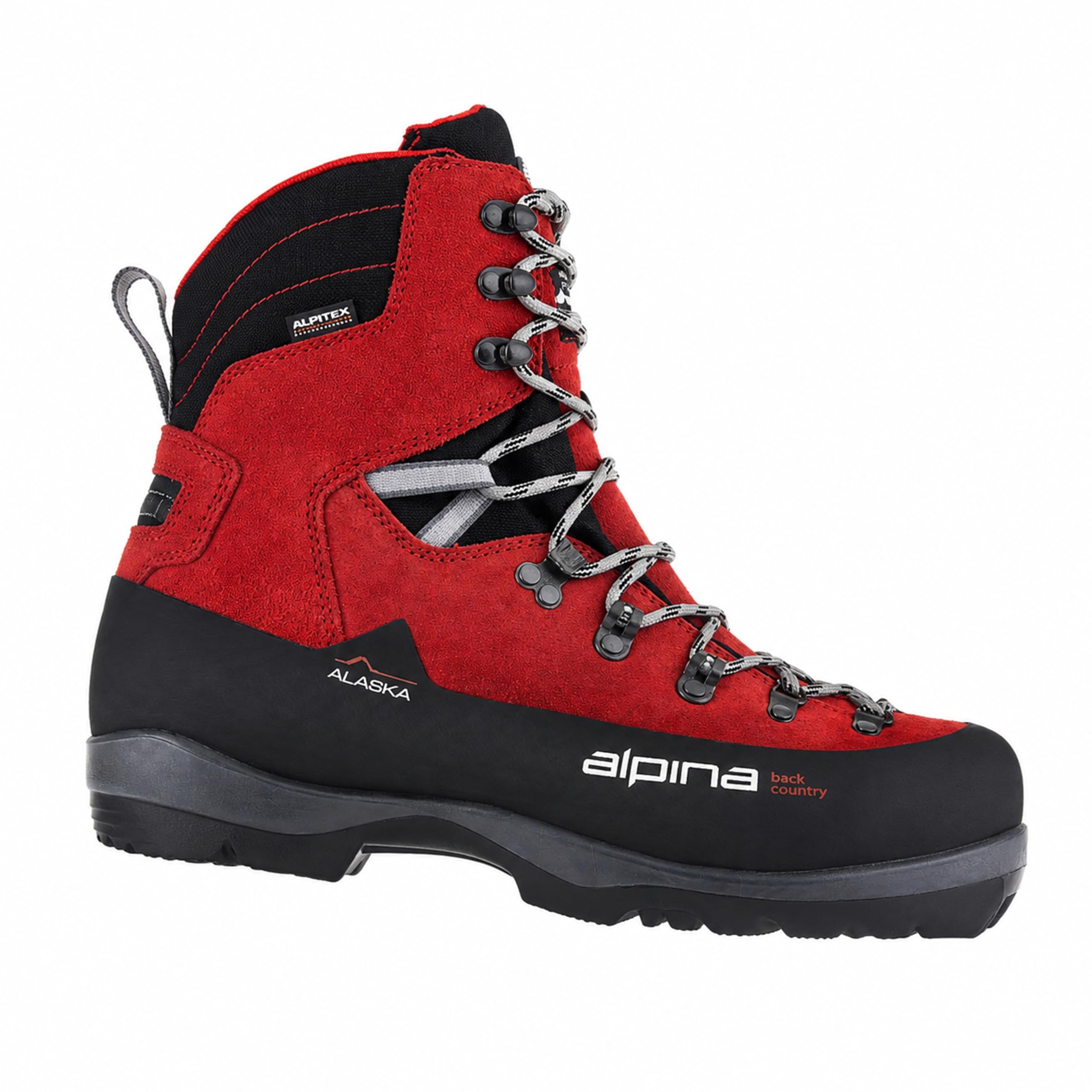
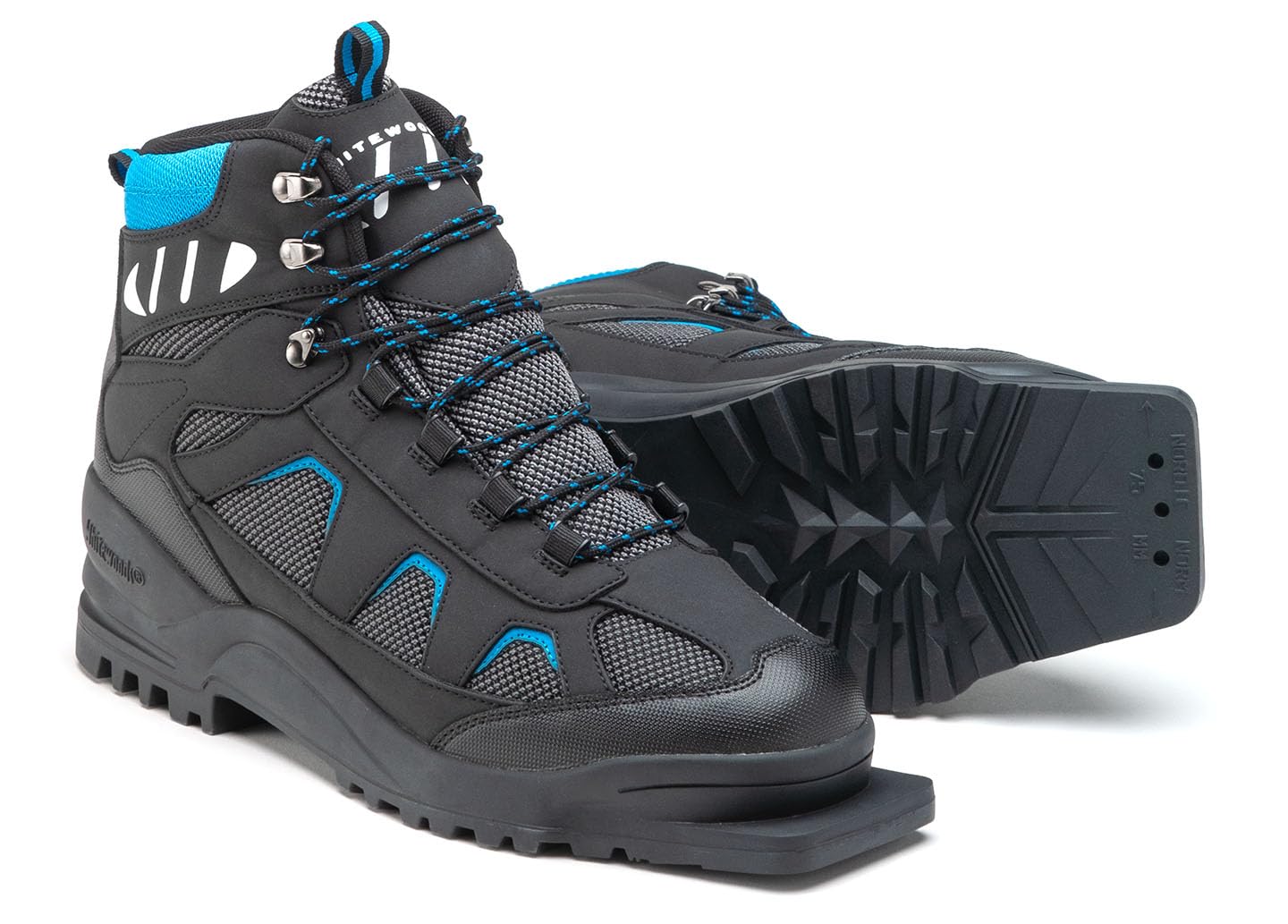
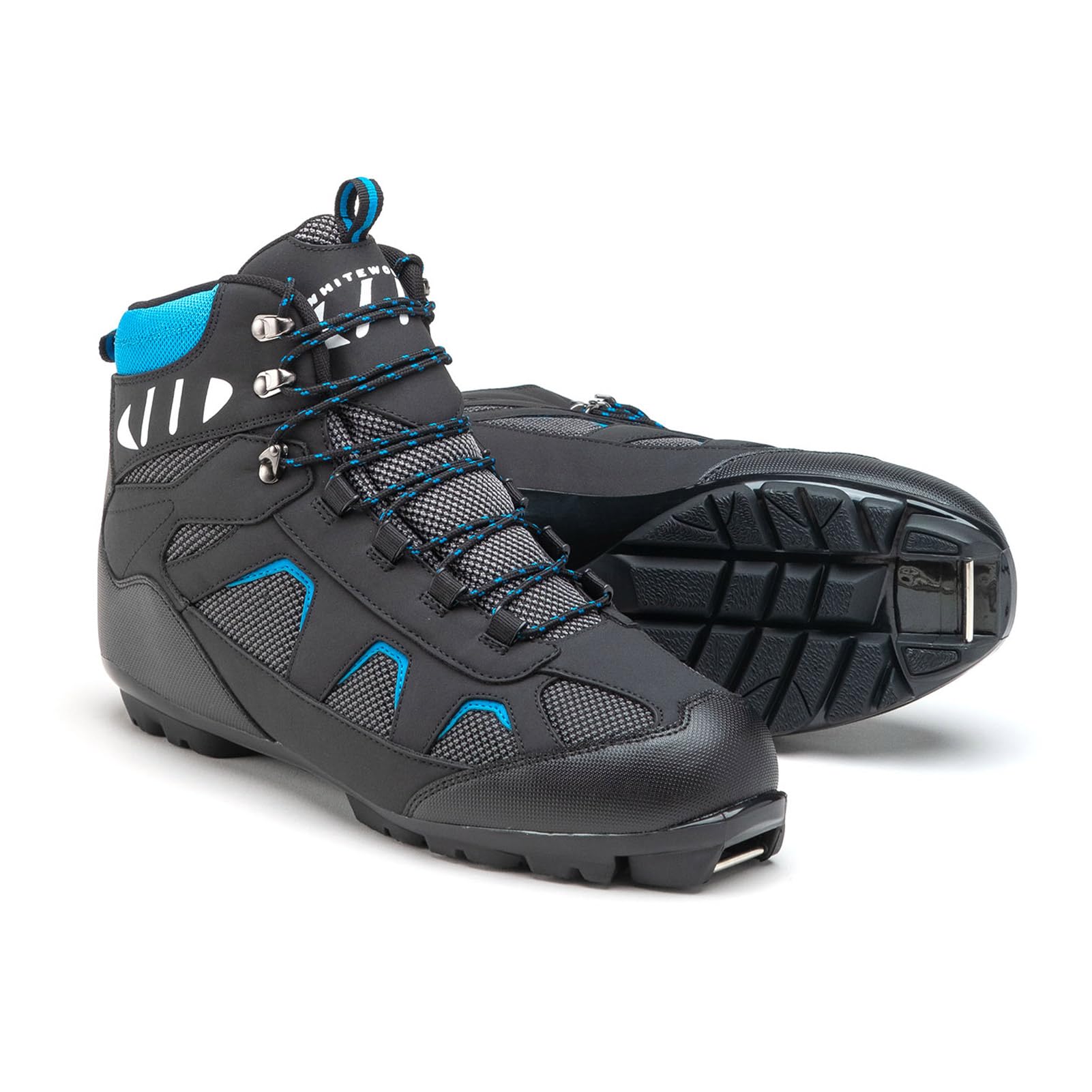
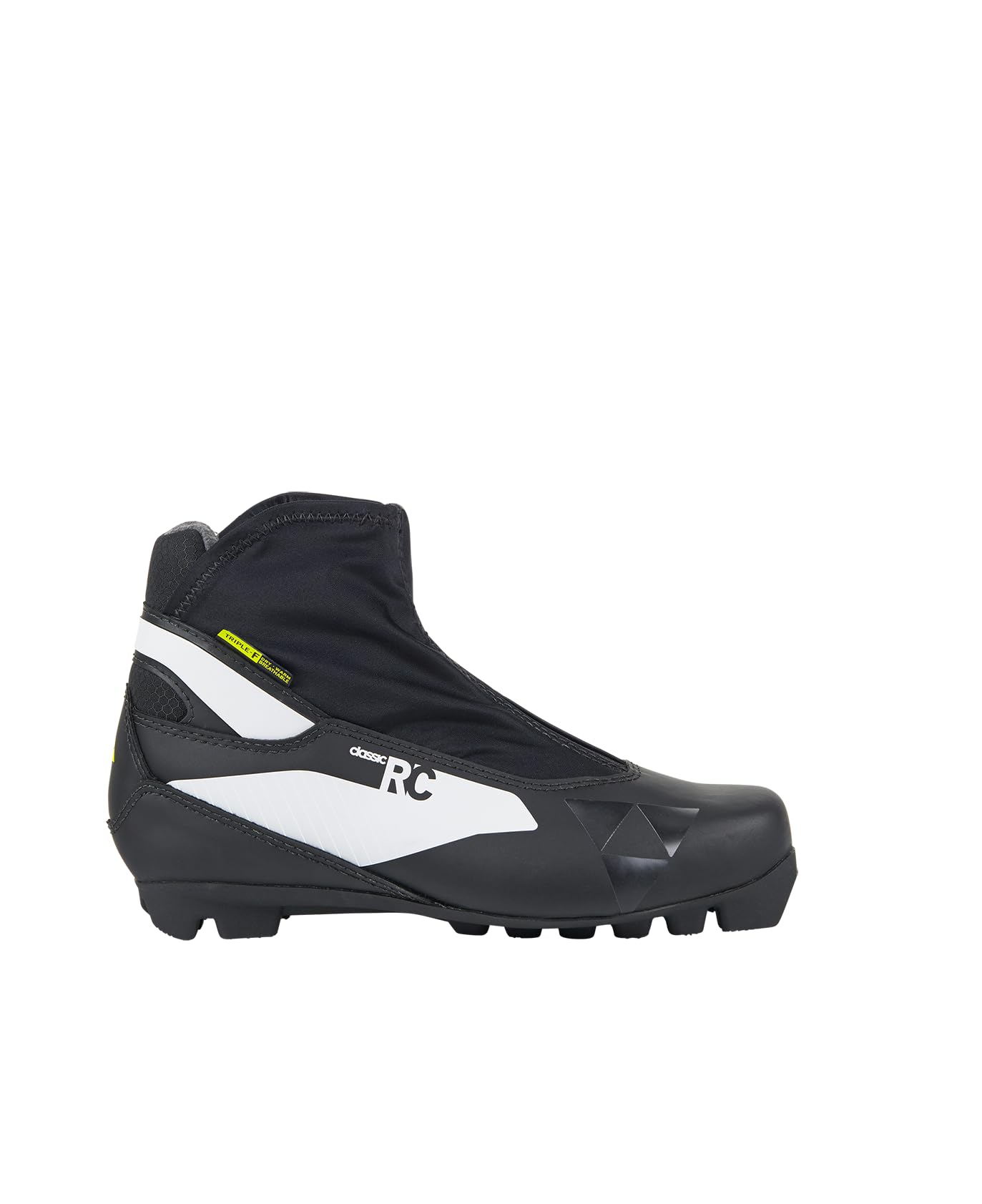
Use the comparison table below to compare sole types, cuff height, and insulation side by side. Then use the sections that follow to judge which differences matter for groomed tracks, rolling park trails, or longer touring days.






How to Judge Value Before You Spend
Price is a useful starting point, but it is a poor way to choose a boot on its own. A boot that fits your foot shape and matches your binding will serve you better than a costly boot with the wrong sole. Start with compatibility and fit, then decide how much support and warmth your skiing calls for.
Starting Out Without Overspending
If you ski a few times each month on groomed tracks, a simple touring boot usually covers your needs well. Look for a soft flexing sole, a secure heel hold, and enough room for a medium weight ski sock. Extra racing features add cost without adding comfort at a relaxed pace. If you are still deciding, see our guide to the best cross country ski boots for beginners for a broader view of beginner options.
Getting More Comfort for Regular Skiing
Skiers who go out weekly often notice value in better lacing, a shaped ankle cuff, and insulation for colder mornings. These upgrades help hold your heel down during the kick phase, which improves control without forcing you to lace painfully tight. The benefit shows up most on longer outings, where small pressure points can end a day early.
Paying More for Fit and Performance
Higher prices often buy lighter materials, a stiffer lateral frame, and a closer fit around the ankle and midfoot. That support helps stronger skiers transfer power cleanly and stay balanced on icy corners. It does not automatically make a boot warmer or more durable, so read the details rather than assuming more money means better in every way.
What Your Money Gets You at Each Price Tier
Most classic boots fall into three broad price bands on the US market. The bands below use approximate prices to show typical trade offs, not promises about any single model. As you read, remember that price alone does not define the best classic cross country ski boots for your feet, your bindings, or your local snow.
Budget Tier: What to Expect
Budget boots often cost around $80 to $130 and focus on basic touring comfort. Expect a soft sole, a simple lace cover, modest insulation, and a generous fit that suits casual pacing. The trade off is less ankle support and less precise heel hold on firm tracks. For learning the classic stride on groomed snow, that softer and more forgiving feel can be a real advantage.
Middle Price Tier: Where Most Classic Skiers Land
Boots around $130 to $200 usually add a shaped cuff, better insulation, and a sole with more support under the arch while still flexing forward for the kick. Many use composite parts in the cuff or heel counter to add stability without much weight. This is often the most balanced choice for skiers who tour for fitness or ski varied groomed terrain. You also tend to get more refined fits in this band.
Premium Tier: What Extra Money Actually Buys
Premium boots can cost about $200 to $350 or more, especially models built for racing or fast training. They may use carbon or advanced composite parts, precise lacing, and lighter uppers that dry faster.
The fit is often narrower and the sole response feels quicker when you push off. Those gains help experienced skiers, but they can feel demanding if your technique is still developing. Warmth varies widely, so check insulation carefully.
Features Worth Paying For and Features You Can Skip
Some features change how a boot skis every time you use it, while others mostly change how it looks on a shelf. The points below help you sort the two groups. Focus on sole flex, binding fit, support, and warmth before paying for cosmetic details or race inspired extras you may never need.
Sole Flex and How It Shapes Your Glide
Classic technique needs the sole to bend forward as your foot rolls through the kick, then support you as you glide on one ski. A softer flex offers more forgiveness for new skiers because small timing errors feel less harsh. A firmer sole rewards a clean stride and helps on hard snow, but it can feel stiff on a gentle tour. Choose flex for your main terrain and pace.
Binding Compatibility and Sole Standards
A classic boot only works with bindings built for its sole standard, so this check comes before any price comparison. Common systems include NNN, Turnamic, and Prolink soles, while older SNS soles use a different profile and are not interchangeable. Look at the name printed on your binding and match that exact system when you order. If you are comparing the wider market, see our guide to the best cross country ski boots to keep sole systems straight.
Materials, Cuff Support, and Warmth
Uppers are usually synthetic fabrics chosen to shed snow, resist abrasion, and dry at a reasonable pace. A plastic or composite cuff and heel counter can steady your ankle without making the boot feel like a downhill boot. Insulation matters if you ski in single digit cold or stand around during lessons, while lighter models suit fast skiing that generates heat. A covered lace area helps keep snow out and protects warmth.
Fit Details That Matter More Than Extras
Heel hold, arch feel, and toe room decide whether a boot stays comfortable after the first mile. Your toes need space to spread as you kick, and your heel should lift very little, because repeated lifting leads to blisters. Women often find a lower cuff and a narrower heel work better, so if that sounds like you, see our guide to the best women's cross country ski boots for fit notes specific to those lasts.
Sizing and Fit: How to Use a Size Chart Well
Start with the size chart for the exact brand you are considering, because European sizing is common and conversions vary between makers. Measure both feet in the evening while wearing your ski socks, note the longer foot, and compare that length in centimeters to the chart. If you fall between sizes, consider sock thickness and whether your feet swell on long tours.
Width deserves the same care as length, because a boot that feels snug in a warm room often feels tighter in the cold. If wide fit is a known issue for you, see our guide to the best cross country ski boots for wide feet before settling for a longer size that leaves your heel loose. Length is a poor fix for width, because extra room lets your foot slide and rub.
Try boots indoors with your usual socks and flex forward as if you were kicking. Walk and stand on one foot to feel for heel lift or pinching at the ankle bone. Snugness across the midfoot is normal in a new boot, but sharp pressure or numb toes are signs to try another size or shape.
Choosing Boots for Your Trails and Goals
Groomed track skiing rewards a lighter classic boot with a forward flex and modest cuff height, because set tracks guide the ski for you. Ungroomed park trails and frozen lakes call for a bit more support and warmth as snow gets rougher. The boot still needs to flex for classic motion, so avoid choosing a stiff boot simply because the terrain sounds rugged.
If your plans lean toward breaking trail and deep snow, your needs move away from classic track boots altogether. That style calls for taller and stiffer boots built for off track touring. To understand that boundary before you buy, see our guide to the best backcountry cross country ski boots and compare support and intended terrain.
Long Term Costs to Factor In
The boot price is only part of what you will spend over a few seasons. Good ski socks and spare laces protect comfort, and a drying routine keeps odors down. If you change binding systems, new bindings and mounting can add about $60 to $120, so keeping your current system often saves real money. Try the stock footbed first before paying for insoles.
Warranty terms also affect value, because a boot with available replacement parts can cost less over time than a cheaper boot that splits at the toe flex point early. Budget for the whole setup, and use the product table above to weigh starting prices against the features you actually need.
Common Mistakes to Avoid
- Buying a boot before checking its sole standard, which leaves you with boots that cannot click into your bindings.
- Sizing up to fix a narrow forefoot, which lets your heel lift and causes blisters on longer tours.
- Choosing a stiff race style boot for relaxed touring, which can make the classic kick feel awkward and tiring.
- Wearing thick hiking socks to add warmth, which crowds the toe area and can make your feet feel colder.
- Judging fit in thin everyday socks, which hides pressure points that appear with proper ski socks.
- Paying extra for advanced cuff parts while ignoring basic warmth, which leaves you cold on slow or windy days.
How to Make Your Classic Boots Last Longer
Dry your boots after every outing by opening the laces, pulling the tongue forward, and letting air reach the lining at room temperature. Keep them away from direct heat such as a wood stove, because strong heat can warp plastic parts and dry out coated fabrics. Remove damp insoles so they dry fully, and brush snow from the cuff before it melts into the lining.
Store boots loosely laced in a dry place out of strong sunlight. Check the sole bar and flex area for cracks before the season starts, and replace worn laces before they snap at a trailhead. A loose heel counter or a cracked sole changes how the boot skis and is a reason to shop for a replacement.
Frequently Asked Questions
Is a premium classic cross country ski boot worth it for a beginner?
Usually not at first, because premium classic cross country ski boots often fit closer and flex in a way that rewards practiced technique. A beginner gains more from a comfortable touring boot and money left for lessons, wax, or proper socks. One clear exception is a skier with hard to fit feet who finds comfort only in a higher priced last. In that case fit, not status, justifies the cost.
How long do classic cross country ski boots last?
Classic cross country ski boots often last several seasons of regular use, with life shaped by mileage, drying habits, and how hard you flex the sole. A useful sign of wear is a soft or cracked flex point under the forefoot, which can change kick feel before the upper looks worn. Rotating drying days on back to back ski trips also helps the lining recover. Replace boots when support or binding hold feels insecure.
What size classic cross country ski boots should you get?
Choose classic cross country ski boots by your longer foot measurement in centimeters and the brand chart, not by your shoe size alone. A practical extra check is to press your foot forward in the unlaced boot and confirm a small space behind your heel. If your toes go numb within ten minutes indoors, that size or shape is wrong even if the chart says otherwise. Sock thickness should match what you ski in.
Can classic cross country ski boots be used for skate skiing?
Classic cross country ski boots can work for a first try at skate skiing, but the soft forward flex and low cuff give little side support for the skating push. You may feel your ankle roll outward and tire quickly on longer skate sessions. Combi boots exist as a middle path, though they compromise a bit for each technique. If you skate often, a dedicated skate boot will feel far more stable.
Do classic cross country ski boots keep your feet warm on very cold days?
Warmth in classic cross country ski boots depends on insulation, fit, and how steadily you move, so a roomy fit with a proper ski sock often beats a tight insulated boot. Cold toes during a slow group ski are common because you generate less heat while standing. An overboot can add protection on the coldest days without forcing you to replace boots that otherwise fit well.
Final Thoughts
Start with binding fit and foot shape, then choose the price tier that matches how often and how hard you ski. Sole flex, heel hold, and warmth will shape your days far more than race inspired extras. Use the product table above to compare those basics within your budget, and you will land on the best classic cross country ski boots for your trails with fewer regrets and no wasted spending.


