
Best Backcountry Cross Country Ski Boots by Budget for 2026: A Guide to Types and Fit
Disclosure: We may earn a commission when you buy through links on this page, at no extra cost to you. As an Amazon Associate I earn from qualifying purchases. Learn more

Compare backcountry cross country ski boots by binding, cuff support, warmth and fit, with budget tiers and checks for ungroomed snow and winter tours.
Prices for backcountry boots run from about $140 to $400, and the gap buys support, warmth and control. The best backcountry cross country ski boots for you depend on your bindings, your terrain and how cold your tours get. This guide shows where the money helps, so you can read the comparison table below with clear priorities.
A boot that feels perfect on a groomed track can feel vague when you break trail or edge across a slope. Backcountry models add a higher cuff, a stiffer sole and more insulation than track boots.



Who Should Buy Backcountry Cross Country Ski Boots?
Buy by the tour you repeat most often. Snow depth, slope angle and pack weight change what your ankles and feet need. If most of your miles stay in set tracks, see our guide to the best cross country ski boots before you pay for support you may rarely use.
Track Skiers Who Wander onto Ungroomed Snow
You ski groomed trails most days but cut across meadows, frozen lakes and park paths. A softer backcountry boot with a moderate cuff gives you more control than a track boot without feeling stiff on easy ground. If this is your first winter away from the tracks, see our guide to the best cross country ski boots for beginners for a gentler start.
Regular Tourers on Rolling Ungroomed Terrain
You spend whole days on forest roads, farm fields and low hills, often breaking your own trail. Choose a boot with a firm cuff, a supportive sole and enough insulation for stops in the wind. You will feel the extra control on every traverse and the extra warmth each time you pause.
Skiers on Steeper Ground with a Loaded Pack
You climb and descend real slopes, carry a full pack and sometimes stay out for several days. Choose the stiffest sole and tallest cuff you can still stride in comfortably. A rigid boot lets you edge on firm traverses and control speed on descents. Try this level with your pack on, because pack weight presses your foot flatter and can change the fit.
Key Features to Compare
The differences among the best backcountry cross country ski boots show up in five places, and each one changes how a tour feels. Check binding fit first, because a boot that cannot click into your bindings is useless no matter how warm it feels in the shop.
Binding Compatibility Comes Before Everything Else
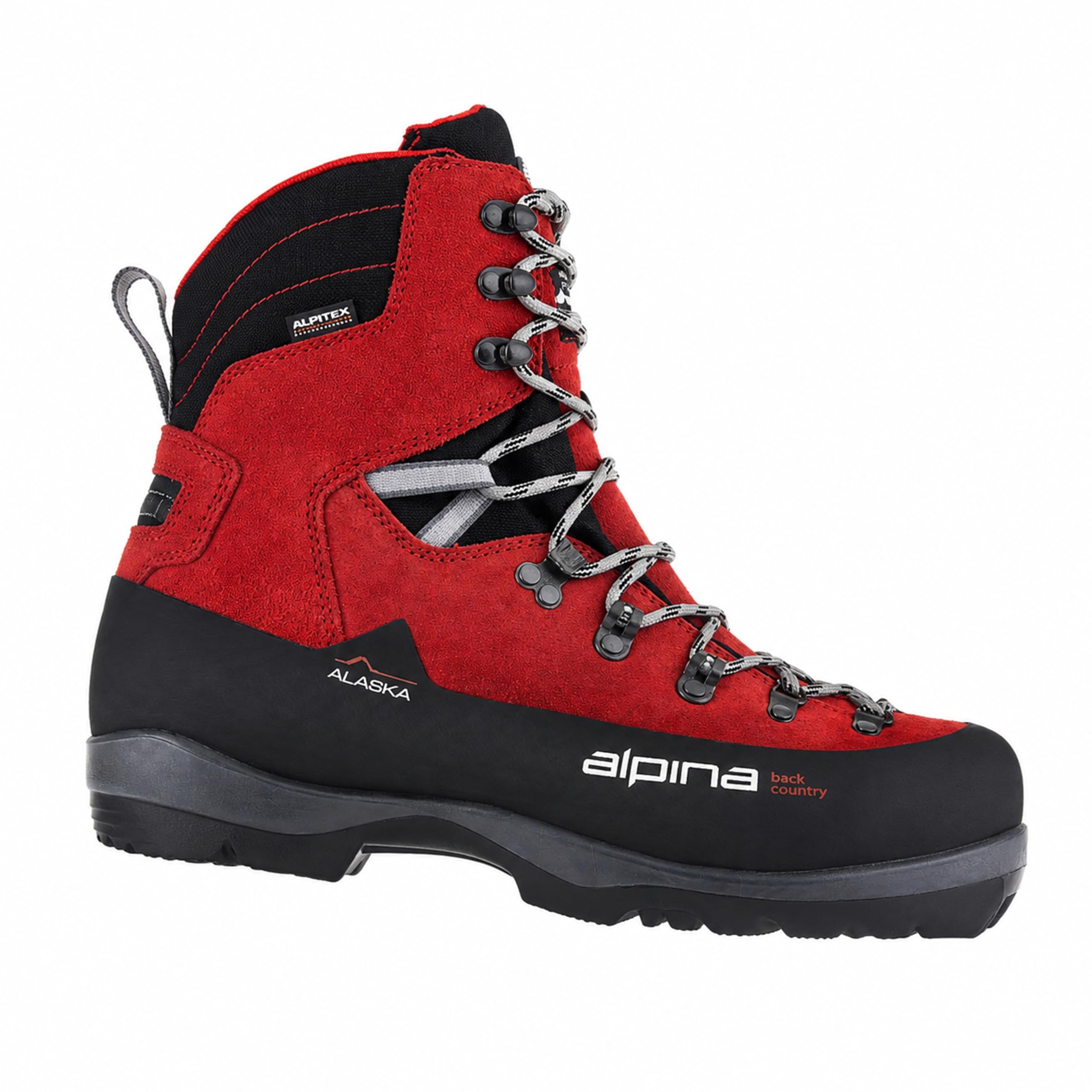
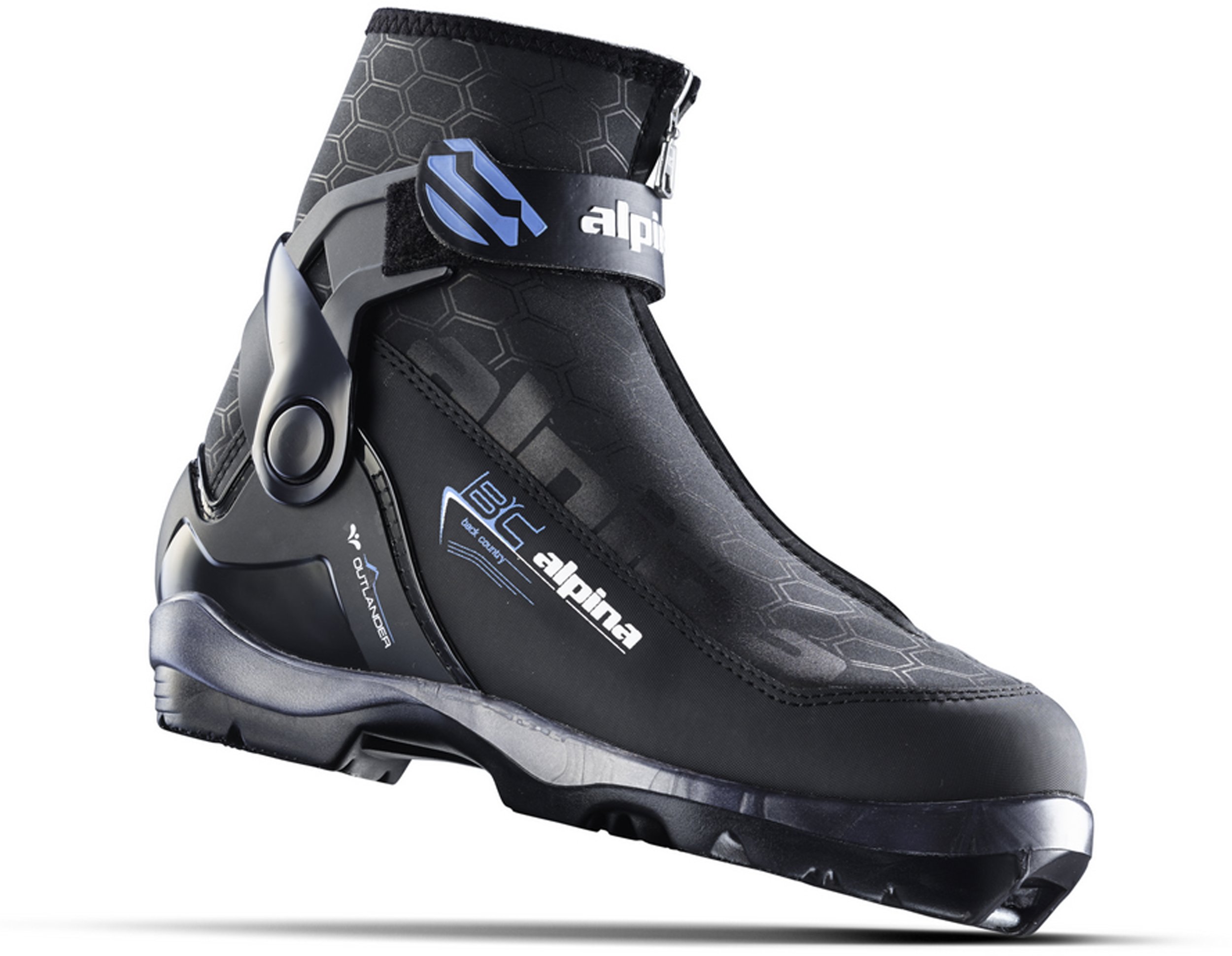
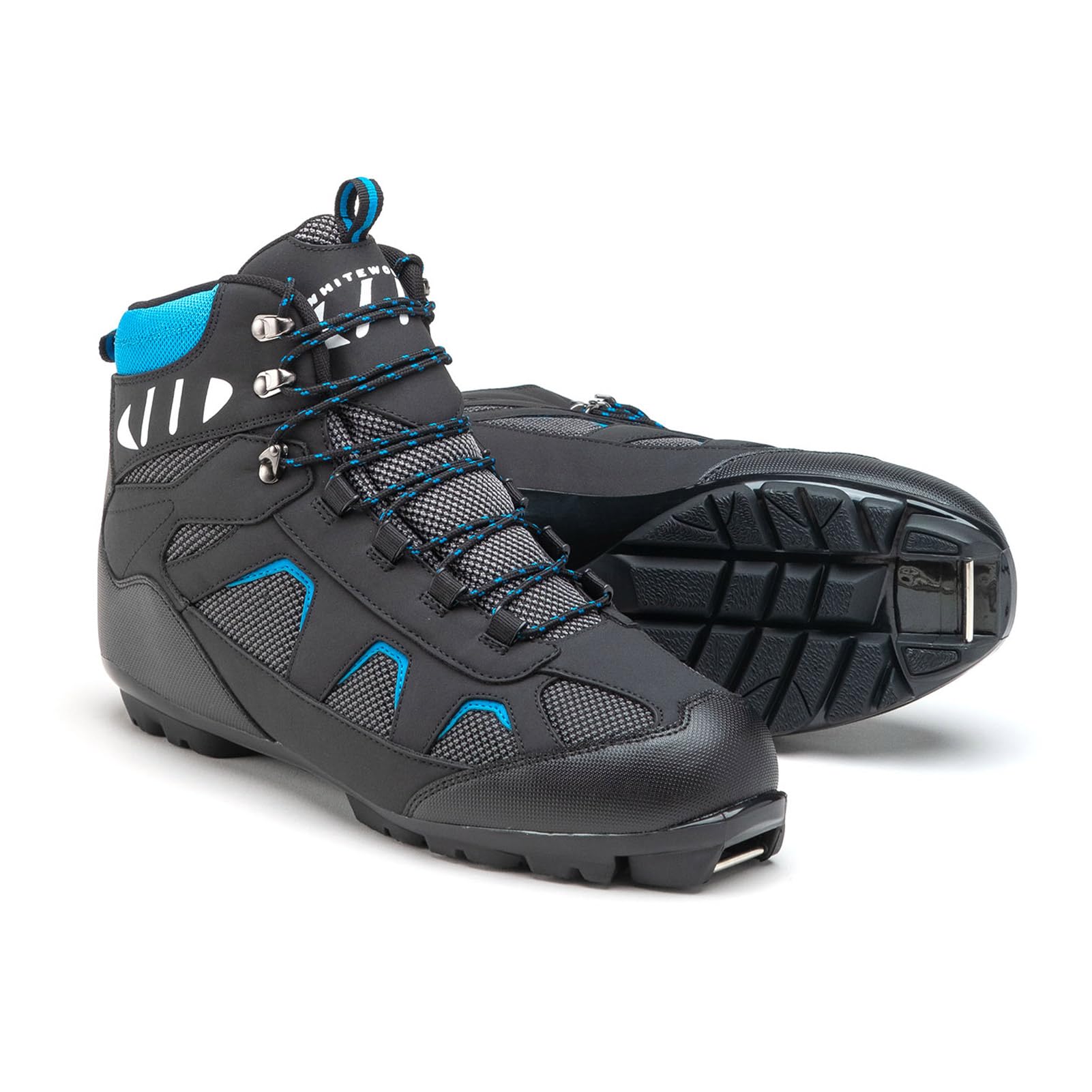
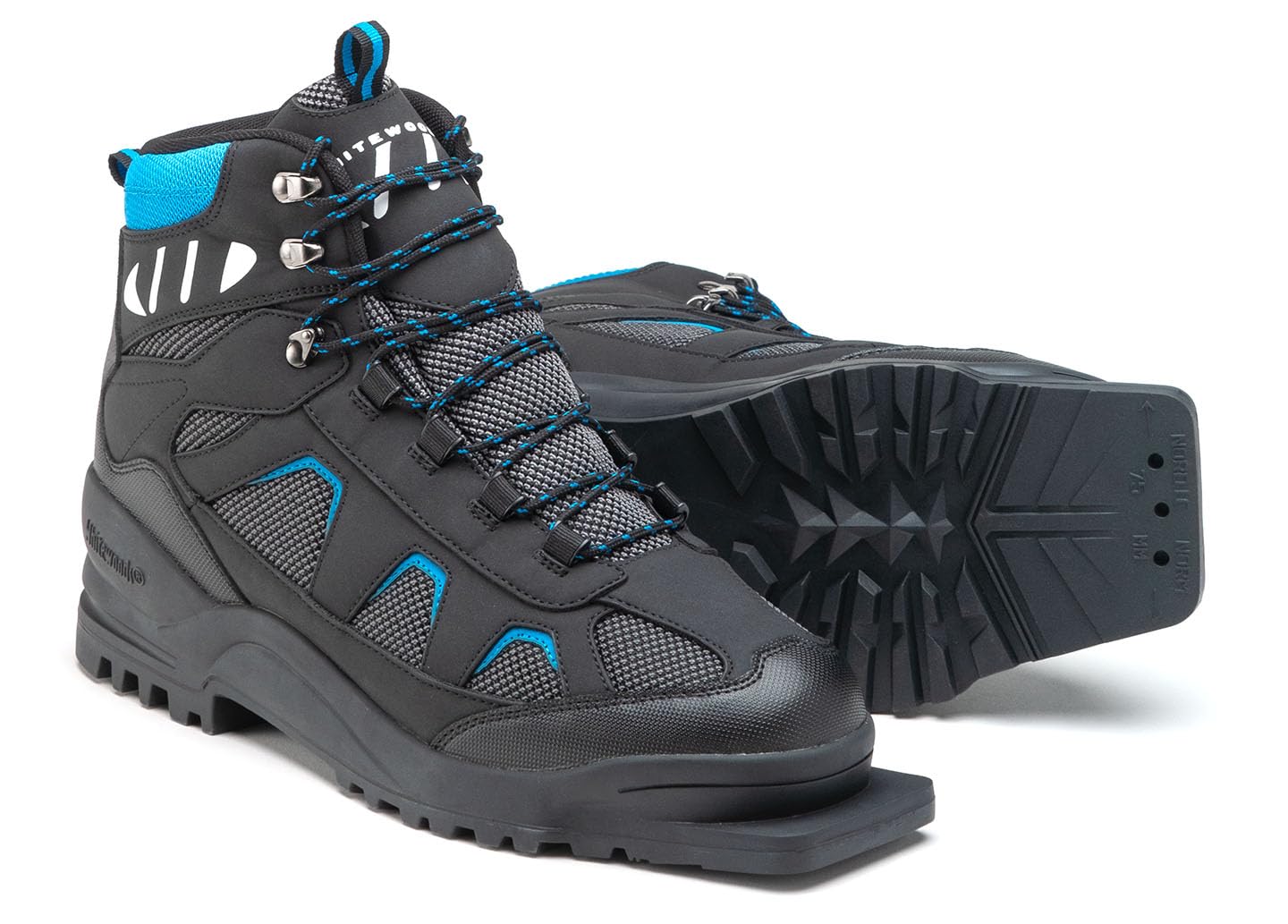
Backcountry boots use three main systems, and they do not interchange. NNN BC boots have a wider bar and a stouter sole than regular NNN boots, while SNS BC uses a different bar and rail shape. Boots for 75 mm three pin bindings have a duckbill toe that clamps into a pin binding. Bring your binding model name when you shop, and click the boot in before you pay. A size chart helps with length, but it cannot confirm binding fit.
Cuff Height and Ankle Support
A backcountry cuff rises above the ankle bone and closes with laces plus a strap or a buckle on stiffer models. That height guards your ankle when a ski tips in soft snow and gives you leverage when you turn. A low, soft cuff feels free on flat ground but lets your ankle roll on side slopes.
Sole Stiffness and Control on Descents
The sole must flex at the toes for a natural kick, yet resist twisting when you edge. Soft soles suit flat tours and feel easy from the first step. Stiffer soles, often built with a composite shank, hold an edge on traverses and keep the ski tracking straight on descents. Twist the boot by hand in the shop. If the heel swings far while the toe stays put, it will feel vague on firm snow.
Warmth and Weather Protection for Cold Tours
Insulation keeps your toes warm when you move slowly or stop, and it matters most in deep cold. A built in gaiter and a lace cover shed snow that would otherwise melt into the boot, while a water resistant outer slows slush soak through. Pick the level that matches your coldest normal tour, not the coldest day you can imagine.
Fit, Width and Sizing with Ski Socks
Try boots late in the day with the thick socks you ski in, because feet swell as hours pass. Your toes should brush nothing when you stand, and they need room to spread when you kick. A snug heel stops lift and blisters, while pressure on top of the foot can numb toes in cold air. If your feet run wide, see our guide to the best cross country ski boots for wide feet for more on volume and toe room.
Outsole Grip and Boot Weight on Foot Sections
Deep tread lugs give grip when you walk across icy parking lots, carry skis to the trail or cross a bare ridge on foot. Weight counts on long climbs, where every gram lifts thousands of times a day. Still, a heavier boot with real ankle support can feel lighter by the end, because your legs do less work to keep the ski steady.
Backcountry Touring Boot Prices From Occasional Miles to Steep Ground
Most backcountry models serve classic touring rather than skating, and readers who stay in set tracks can compare the styles in our guide to the best classic cross country ski boots. Price tiers here map closely to cuff stiffness, insulation and sole control.
Entry Tier for Occasional Ungroomed Miles
Boots at about $140 to $200 give you a moderate cuff, basic insulation and a sole made for flat to rolling ground. They suit new tourers and track skiers who explore easy snow a few times a month. You give up some edge control on steep traverses and some warmth on very cold days, a sensible trade on gentle terrain.
Middle Tier for Weekly Tours in Rolling Terrain
Boots at about $200 to $280 add a firmer cuff, a stiffer sole and warmer insulation, plus a gaiter on many models. This is the tier most regular tourers should target, because the gains show up on every descent and every cold stop. If you tour most weekends, the jump from the entry tier is the one upgrade you will notice daily.
Higher Tier for Steep Descents and Heavy Packs
Boots at about $280 to $400 bring the tallest cuffs, the stiffest soles and the warmest builds in the category. They earn their price on steep ground, long traverses and multi day trips where control protects your knees and energy. Buy at this level when your routes, not your ambitions, already include hard descents.
Common Mistakes to Avoid
- Buying by street shoe size alone leaves toes hitting the front of the boot on every descent.
- Pairing NNN BC boots with regular NNN bindings means the boot cannot click in with a secure hold.
- Choosing a low, soft cuff for steep ground lets your ankle roll and drops your control on traverses.
- Wearing two pairs of socks invites bunching that causes blisters and squeezes your feet colder.
- Storing boots wet inside a closed bag breeds odor and breaks down liners and stitching sooner.
Care and Maintenance for Backcountry Ski Boots
Open the laces wide after each tour and pull the insoles out so the liners can dry at room temperature. Keep boots away from radiators and wood stoves, because strong heat can warp soles and crack outer materials. Stuff the toes with plain paper on very wet days to draw moisture out overnight.
Brush dried mud and road salt from the soles and check the toe bar or duckbill for deep wear before big trips. Close zips and straps before storage so they keep their shape, and store the pair upright in a dry room out of direct sun. Treat outer materials only with products the maker allows for that fabric or leather.
FAQ
Can backcountry cross country ski boots click into regular NNN track bindings?
No, backcountry cross country ski boots cannot click into regular NNN track bindings with a safe hold. The BC bar is wider and the sole is deeper, so the boot may seem to sit in place yet release under load. Ask the shop to test your exact binding, not a display model of a similar name.
What socks should you wear with backcountry cross country ski boots on cold tours?
Wear one pair of merino wool or synthetic ski socks that reaches over your calf. A single pair keeps the fit you tried in the shop and lets air gaps in the boot do the warming. Cotton socks hold sweat and chill your feet fast once you stop, so pack a spare dry pair on long tours and change at lunch.
Should a beginner buy a premium backcountry cross country ski boot for a first tour?
No, a beginner does not need a premium backcountry cross country ski boot for a first tour. Fit and a correct binding match shape your first days far more than cuff stiffness does. An entry or middle tier boot leaves room in the budget for a lesson, and a lesson improves balance faster than gear does. Upgrade later when your routes get steeper and you can name the control you lack.
How long do backcountry cross country ski boots usually last?
Backcountry cross country ski boots usually last several seasons of regular touring. Life depends on miles, snow grit and how well the liners dry between trips. Watch the toe bar area for grooves and the sole for cracks near the flex point, because wear there affects how the boot holds in the binding.
Final Thoughts
Start with your binding system, then match cuff height and sole stiffness to your steepest normal terrain, and size the boot with your ski socks on. Warmth and price fall into place once those three choices are right. Use the product table above to compare tiers against your routes. When you judge best backcountry cross country ski boots by fit and control rather than price alone, the right pair is the one your feet forget on a long tour.


