
Best Class 10 Micro SD Cards: Budget, Midrange, and Premium Picks for 2026
Disclosure: We may earn a commission when you buy through links on this page, at no extra cost to you. As an Amazon Associate I earn from qualifying purchases. Learn more

Compare the best class 10 micro sd cards by capacity, speed ratings, and price tier to find real value without paying for speed you will never use.
A tiny memory card can cost around $10 or around $100, and the packaging alone rarely explains why. This guide to best class 10 micro sd cards sorts the price ladder into plain terms, so you can see what extra money actually buys and where it buys nothing. The comparison table below pulls the current options together in one place.
Class 10 is a floor, not a finish line. It promises a minimum sustained write speed, yet two cards with the same label can feel very different in a phone, a camera, or a game console. Capacity, extra speed ratings, endurance, and warranty separate a smart buy from a frustrating one.


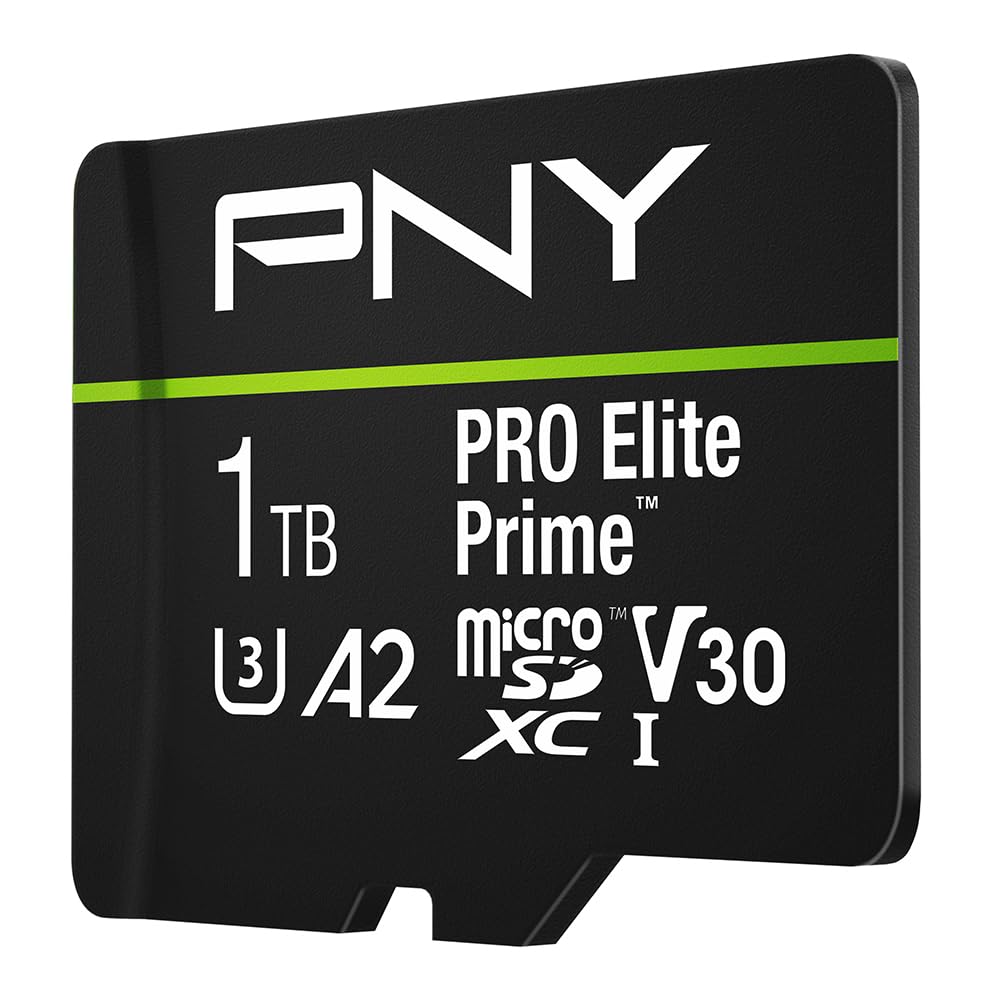
How to Choose by Budget Instead of by Guesswork
Forget the idea of one perfect card for everyone. Your budget should follow the job the card will do every day, because a card that stores music lives an easier life than a card that records video for hours. The three buyer groups below match use, capacity, and price.
Budget Buyers Who Need Reliable Basic Storage
You mostly store photos, music, documents, and app data, and you record video only in short clips. A modest capacity from a known brand gives you the best value here, and paying for top speed ratings would add cost without changing your day. Budget options stay easy to use because nearly every phone, tablet, and camera accepts this class without special settings.
One caution shapes this group more than any other. Very cheap cards from unknown sellers carry the highest counterfeit risk, and a fake card can report more capacity than it holds, then quietly lose your files. A budget card from a retailer you trust protects you far more than the lowest price on a listing.
Everyday Users Who Want Room to Grow
You shoot a lot of photos, record family video, and keep a growing library of games or downloaded shows. Stepping up one capacity size from what you think you need is the smartest money move in this guide, because cards fill faster than anyone expects. A mid priced card also tends to carry stronger extra ratings, so transfers to a computer finish sooner.
Think about your next device as well as your current one. A card bought today often moves into a new phone or camera later, and a little extra speed and capacity make that move painless.
Demanding Users Who Record and Move Large Files
You record long video, shoot bursts of high resolution photos, or move huge folders between devices every week. For you, the Class 10 label is only the starting point, and the higher video and application ratings covered later decide whether a card keeps up. Durability also earns its cost here, because a card that travels between a drone, a camera bag, and a reader faces drops, heat, and constant handling.
Your time has value too. Faster read speeds shorten the wait when you copy a full card to a computer, and over a year of weekly use a premium card can return its higher price in saved minutes alone.
What Your Money Gets You at Each Price Tier
The product table above shows how wide the price spread runs for cards that share the same Class 10 label. The tiers below explain what typically changes as the price climbs, and where the climb stops helping.
Budget Tier: What to Expect
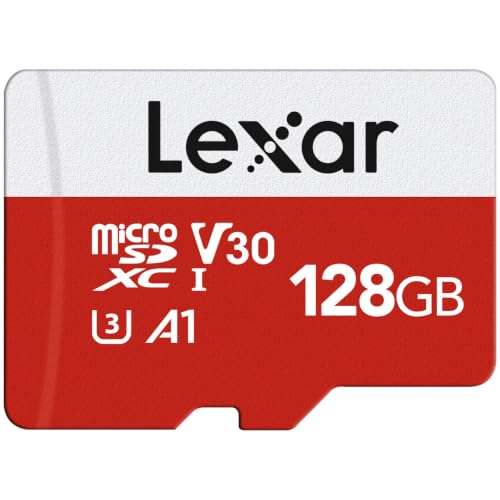
Budget cards usually cost around $10 for smaller capacities such as 32 GB or 64 GB. You get the guaranteed Class 10 minimum speed, basic packaging, and sometimes a full size adapter in the box. What you give up is headroom: extra speed ratings are modest, endurance suits ordinary use only, and warranty terms tend to be shorter. For a spare card, a kids tablet, or simple music storage, those trade offs are honest ones.
Midrange Tier: The Sweet Spot for Most Buyers
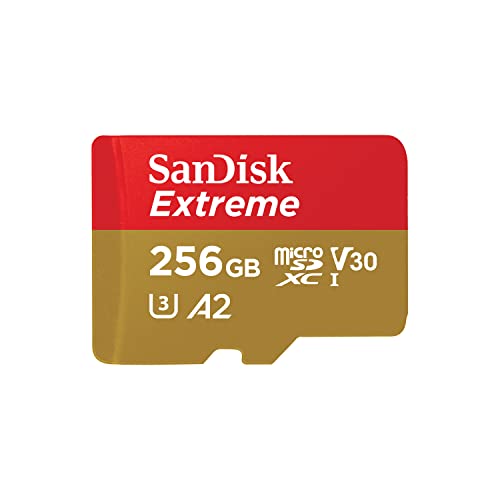
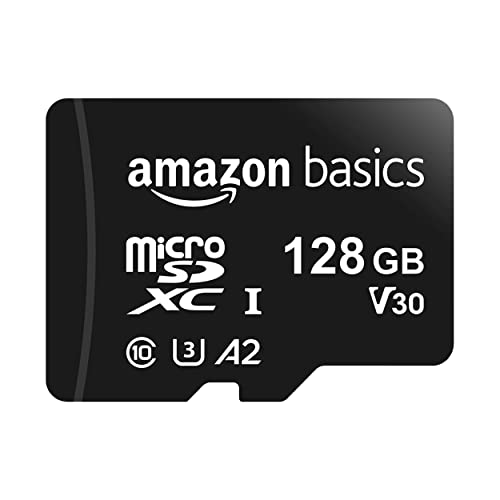
Midrange cards often run about $15 to $30 for 128 GB or 256 GB, and this is where most buyers should land. At this level you typically gain a U3 rating, a V30 video rating, and an A2 application rating alongside the Class 10 mark, plus stronger water and shock resistance. Warranties commonly stretch to ten years or more. If your needs grow beyond this class later, our guide to the best micro sd cards shows the wider field.
Premium Tier: When Spending More Pays Off
Premium cards can cost about $40 to $60 for 512 GB, and around $100 or more at 1 TB. The money buys the largest capacities, the fastest sustained write speeds for long 4K recording, and high endurance builds made for constant writing. Spending more pays off only when your device can use the speed and your work punishes weaker cards, so match the card to a real demand.
Features Worth Paying For (and Ones to Skip)
Card packaging crowds a small label with letters and numbers, and only some of them change your experience. Shoppers comparing best class 10 micro sd cards often pay for ratings their devices cannot use. This section sorts the features that deserve your money from the ones that mostly decorate the box.
Price vs Value
Value comes from cost per gigabyte matched with the ratings you will actually use, not from the lowest sticker price. A 256 GB midrange card at about $25 often delivers more usable storage and speed per dollar than a 64 GB budget card bought three times over. Pay for capacity and proven ratings first, and skip UHS II cards unless your device has the extra contact row they need, since they fall back to ordinary speeds without it.
Intended Use and Who It Is For
Match the card to the device that will push it hardest. Phones benefit from strong application ratings for loading apps, cameras care about sustained write speed for video, and consoles care about capacity and steady read speed. Nintendo Switch owners comparing game storage can also see our guide to the best switch micro sd cards for console specific sizing advice. Name your main device before you shop.
Maintenance and Long Term Costs
These cards ask for almost no upkeep, which keeps long term costs low. Your real expenses are a decent card reader for fast transfers, a small case for spares, and a backup drive so one lost card never means lost photos. Warranty coverage is the other long term factor, since a card replaced free in year six costs you nothing but postage. Keep a photo of the card markings so a warranty claim stays simple.
Key Performance Specs
Class 10 guarantees a minimum sequential write speed of 10 MB per second, enough for full HD video and everyday photography. The U rating refines that promise, with U1 matching the Class 10 floor and U3 guaranteeing 30 MB per second for 4K recording. Video ratings echo the same scale, so V10, V30, and V60 tell you the sustained speed a camera can count on.
Application ratings A1 and A2 measure how quickly a card handles the small random reads and writes that apps demand. Readers who want the full ratings picture can see our guide to the best class for micro sd cards.
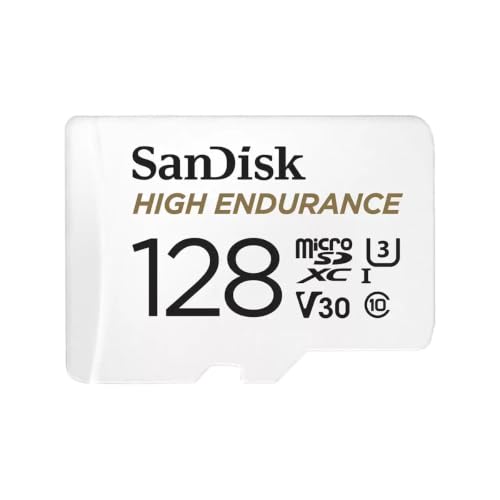
Two specs deserve a final word. Capacity decides the format, since cards up to 32 GB use one file system family and larger cards use exFAT, which older devices may not read. Endurance is the second spec, because cards built for dash cams and security cameras are rated for many more hours of constant writing than standard cards.
Common Mistakes to Avoid
Most card regrets come from format mix ups and rushed assumptions rather than defective hardware. If your camera takes a full size card rather than a micro card, pause and see our guide to the best class 10 sd cards so you order the format your slot accepts.
- Buying capacity your device cannot read, which leaves a large card unrecognized or limited to a smaller usable size.
- Judging a card by read speed alone, which hides the slow write speed that stalls video recording and photo bursts.
- Trusting a price far below every known brand, which often signals a counterfeit card with falsified capacity.
- Recording over the same card for years without a backup, which turns one failure into the loss of every stored memory.
- Pulling a card out while a device is writing, which can corrupt the file being saved and sometimes the whole card.
- Formatting a card in a computer when the camera manual asks for in camera formatting, which can leave the card unreadable in that camera.
Long Term Costs to Factor In
The sticker price is only the first cost of owning storage. Cards wear out with use, and a card in a security camera that writes around the clock may need replacement years sooner than a card in a camera used on weekends. Budget for one replacement cycle over the life of your device, plus a backup solution such as a portable drive or cloud storage. A strong warranty lowers that lifetime cost, so a pricier card with ten year coverage can beat two budget cards bought back to back.
Accessories stay modest but real. An adapter lets a micro card serve in a full size slot, a reader with USB 3 support unlocks the read speeds you paid for, and a labeled case prevents the classic loss of a card smaller than a fingernail.
Frequently Asked Questions
These answers cover the questions buyers ask most after reading the tiers and specs above. Each one adds a practical detail that the main sections did not cover.
How do I maintain a class 10 micro sd card?
Maintain a class 10 micro sd card by handling it with clean dry hands and storing it in its case when it leaves a device. Always use the eject option on a computer and power down cameras before removal, since interrupted writes cause most corruption. Keep a small share of the capacity free, because nearly full cards slow down and wear faster.
What features matter most when buying class 10 micro sd cards?
Capacity, the U and V ratings beside the Class 10 mark, and endurance matter most when buying class 10 micro sd cards. Capacity decides how much you can store, the ratings decide whether recording stays smooth, and endurance decides how long the card survives heavy writing. One feature buyers overlook is the endurance figure quoted in hours, which some makers print on the package for camera focused lines.
How long does a class 10 micro sd card last?
A class 10 micro sd card typically lasts three to ten years, depending on how heavily it is written to each day. Flash memory wears a little with every write cycle, so a card holding finished photos ages slowly while a card in a dash cam ages quickly. Watch for warning signs such as files that vanish or a device that stops recognizing the card, and retire the card at the first sign of trouble.
Are expensive class 10 micro sd cards worth it?
Expensive class 10 micro sd cards are worth it when you record long 4K video, need 512 GB or more, or rely on the card for paid work. The premium buys sustained write speed, higher endurance, and longer warranty coverage rather than a different Class 10 promise. One extra worth noting is bundled data recovery service, which some premium lines include for a set period.
How much should I spend on a class 10 micro sd card?
Most buyers should spend about $15 to $30 on a class 10 micro sd card, which lands a 128 GB or 256 GB card with strong extra ratings. Spend around $10 only for light duty or spare cards, and reserve about $40 to $100 budgets for large capacities or constant recording work. A card that fails during a once in a lifetime trip costs far more than the savings.
Final Thoughts
The right choice comes down to three checks: capacity your device supports, ratings that match your hardest task, and a seller you trust. Use the product table above to compare those points across the budget, midrange, and premium tiers. When those checks line up, best class 10 micro sd cards stop being a gamble and become quiet storage you never have to think about.


