Best 128gb Micro Sd Cards: A Buying Guide for 2026
Disclosure: We may earn a commission when you buy through links on this page, at no extra cost to you. As an Amazon Associate I earn from qualifying purchases. Learn more

Compare the best 128gb micro sd cards by speed class, endurance, and device fit, with plain advice on spotting fakes, fair prices, and everyday care.
A 128GB card looks like a simple purchase, yet two cards with the same capacity can behave very differently once you start recording video or loading apps. The difference sits in the small printed ratings, and those ratings decide whether footage saves smoothly or files crawl. This guide explains how to choose the best 128gb micro sd cards for your device and your workload, without paying for speed you cannot use.
We will walk through speed classes, endurance ratings, device fit, and counterfeit warning signs. The product table gathers the key options side by side, and readers still choosing a capacity can start with our overview of the best micro sd cards.






Who Should Buy Which Kind of Card
Phone Owners Who Fill Storage Fast
If your phone warns about low storage every few weeks, a 128GB card mostly holds photos, videos, and media. Your priority is painless everyday saving rather than raw speed, so a mid range card with a solid read speed serves you well. Look for an application performance rating if you plan to store apps on the card, because app loading depends on quick random access, not big sequential transfers.
Video Shooters With 4K Cameras and Drones
Recording 4K video writes a steady stream of data, and a slow card can stop a recording mid clip or corrupt a file you cannot shoot again. You need a guaranteed minimum write speed, not a headline number, so the video speed class matters more than anything else on the label. Drone pilots should also favor cards rated for wide temperature ranges, since a card in the air faces heat, cold, and vibration on every flight. The same V30 logic guides anyone comparing the best gopro micro sd cards for action footage.
Dash Cam and Security Camera Owners
Cameras that record in a loop rewrite the card for hours every day, and that workload wears out ordinary cards far faster than phone use. You belong in the high endurance corner of the market, built and warrantied for continuous recording. A standard card in a dash cam may work for a few months then fail without warning, often right when you need the footage most.
How to Choose: A Step by Step Buying Guide
The product table above is a useful shortcut, but the five checks below will keep you from buying a card that disappoints. Work through them in order, starting with the speed class, because that single rating shapes almost every result.
Key Performance Specs and Speed Classes
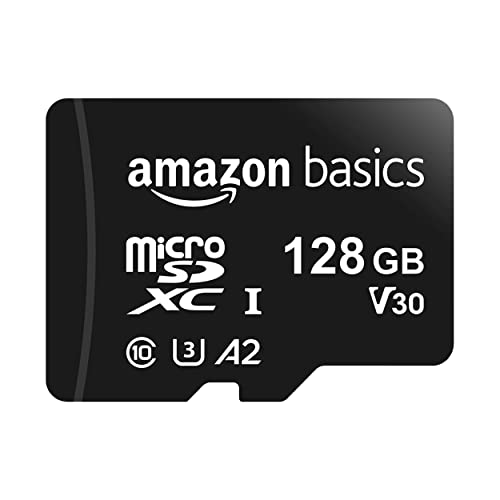
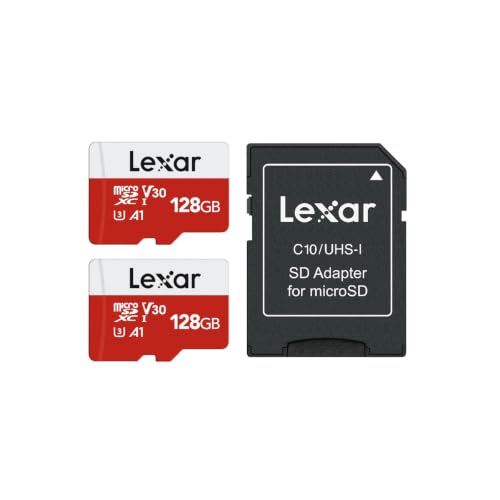
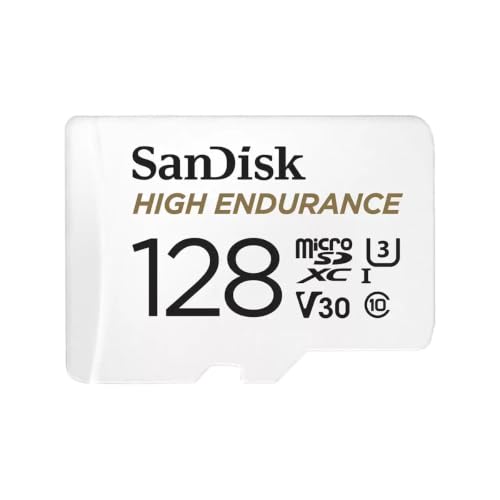
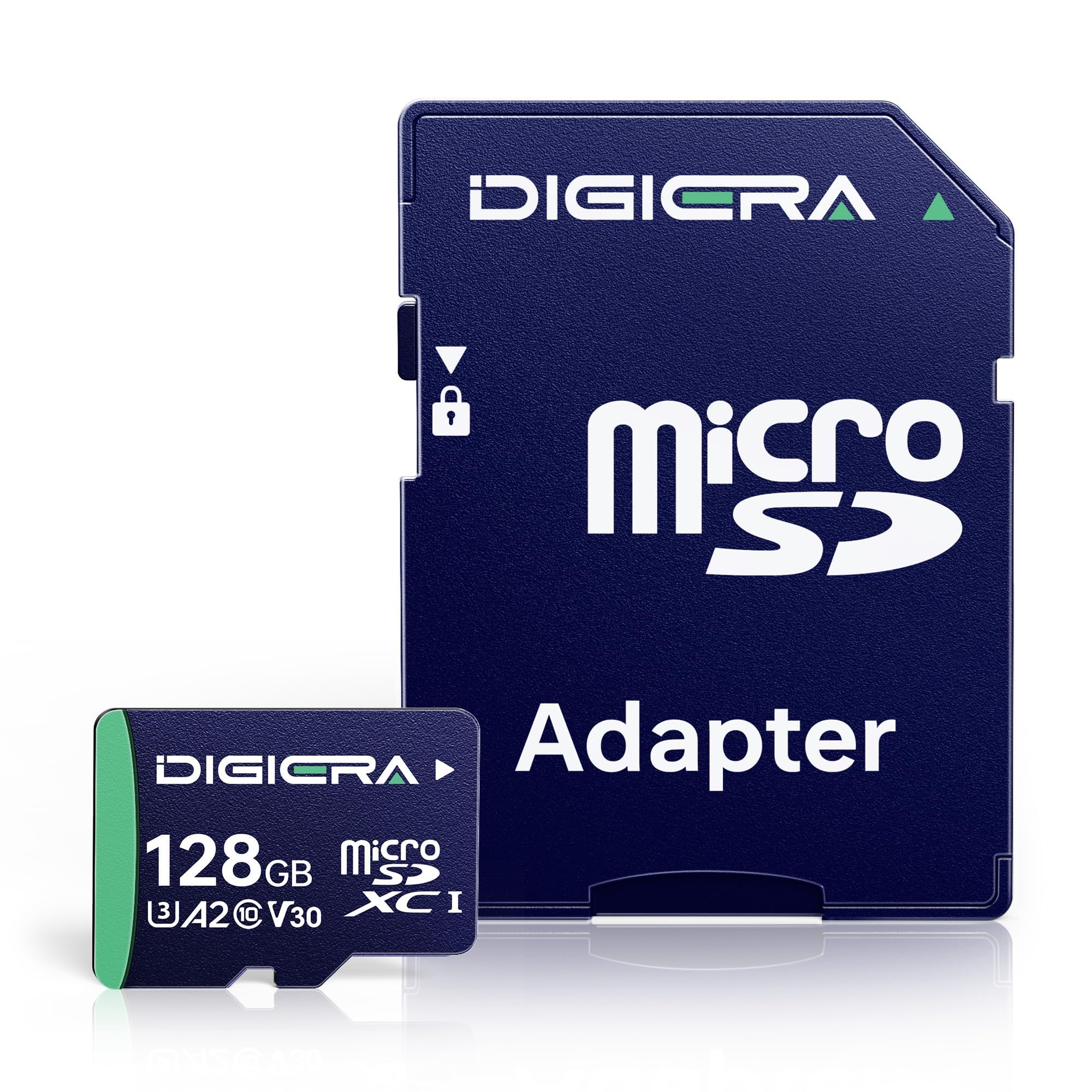
Start with the class markings, because a speed class figure is a guaranteed minimum rather than a best case claim. A Class 10 marking means the card sustains at least 10 megabytes per second of steady writing, while a U3 or V30 marking raises that floor to at least 30 megabytes per second. V60 doubles that floor again, to at least 60 megabytes per second. Read speeds printed in large type are peak figures from ideal conditions, so let the class floor drive your decision.
Two more markings deserve attention. The A1 and A2 application classes describe random access speed, which governs how quickly apps and games respond when they live on the card. The bus marking, UHS I or UHS II, describes the connection the card can use, and it pays off only when your device offers the matching contacts. A fast card in a slow slot simply runs at the speed of the slot.
| Class marking | Minimum steady write speed | Best suited to |
|---|---|---|
| Class 10 and U1 | at least 10 megabytes per second | still photos and HD video |
| U3 and V30 | at least 30 megabytes per second | 4K video and burst photo shooting |
| V60 | at least 60 megabytes per second | high bitrate 4K and 8K video |
| A1 and A2 | fast random access | apps and games stored on the card |
Matching the Card to Your Device
Your host device governs the speed you can use, so check its manual before you pay for performance it cannot reach. A 128GB card belongs to the SDXC family, and older gear built only for SDHC cards stops at 32GB and will not read it at all. Phones and cameras also state a maximum supported capacity, and a card above that ceiling may be ignored or trigger repeated format prompts.
Most cards arrive formatted as exFAT, which suits large video files, while some older devices ask you to format the card inside the device itself. Formatting in the device is the safer habit, because the device writes the exact file structure it prefers.
Build Quality and Endurance Ratings
All microSD cards share the same tiny shell, so build quality shows up in ratings, not in anything you can feel. Many cards carry printed protection claims covering water, shock, magnets, and X rays, and those claims matter most for gear that travels or lives outdoors. Treat them as a tiebreaker between otherwise equal cards, not as a reason to pay a premium.
Endurance is the rating that decides lifespan under heavy writing. High endurance lines are built with memory that tolerates far more rewrite cycles, and makers back them with warranties measured in recording hours. If your card will record security footage or a daily commute, endurance outranks every other spec here, including top read speed.
Authenticity, Seller Choice, and Warranty
With cards this small and this popular, the seller you choose governs your counterfeit risk more than any other decision. Fakes often report 128GB to your device while holding a fraction of that space, and files vanish once the real capacity fills. Buy from the maker itself or a large authorized retailer, and be suspicious of prices far below the going rate.
When a new card arrives, check it before trusting it with anything important. Free capacity checking tools write data across the whole card and read it back, exposing fake capacity and early faults in minutes. Keep the receipt until the check passes, because warranty claims usually ask for proof of purchase.
Maintenance and Long Term Costs
These cards ask for little upkeep, and the main cost over time is eventual replacement rather than accessories. A card used for daily recording may need swapping every year or two, while a phone card storing photos can serve far longer. Budget minded buyers should compare price per gigabyte across capacities, and our guide to the best micro sd memory cards works through that math for the wider family.
Small habits stretch a card life considerably. Eject the card through the device menu before removing it, keep it in a case rather than loose in a pocket, and copy important files to a second location regularly. A card is working storage, not an archive, and treating it that way prevents most losses.
Types of 128gb Micro Sd Cards
Premium Options
Premium cards pair the fastest class markings, sometimes including a UHS II bus, with long warranties. They suit professionals recording high bitrate video who cannot afford a dropped clip. Expect to pay about $40 to $80 at this capacity, and know the extra speed only appears in devices built to use it.
Budget Options
Budget cards cover the basics honestly, usually with a Class 10 or U1 floor and shorter warranties. They are a sensible match for casual photo storage, music libraries, and a spare card in a camera bag. Prices sit at about $15 to $25, but this is the tier where counterfeit listings cluster, so buy your budget card from a seller you trust.
High Endurance Options
High endurance cards trade a little top speed for memory built to survive constant rewriting, and their warranties suit surveillance and dash cam duty. They are the correct default for any camera that records all day. Expect about $30 to $60 for this capacity, a fair premium over a standard card when the footage matters.
Mid Range Options
Mid range cards are the balanced choice for most buyers, typically carrying a U3 or V30 floor, an A1 or A2 rating, and a warranty of several years. They record 4K video happily and load phone apps without fuss. Most shoppers should start here, at about $25 to $40, and only move up a tier when a specific workload demands it. Handheld console owners comparing the best switch micro sd cards will find the same A2 advice applies.
Picking the Right Card for Different Uses
Best 128gb Micro Sd Card for Tablets
A tablet card mostly stores films, books, and apps, so steady read speed and an A2 rating matter more than a high video class. Choose a mid range card and format it as portable storage if you swap it between devices often. Tablets used by children benefit from a card with strong shock and water ratings, since the device will be dropped often.
Best 128gb Micro Sd Cards for Phones
On a phone, the A2 application class is the marking that shapes daily feel, because apps launch from many small files rather than one large stream. Pick a card with A2 where your phone supports adoptable storage, and keep your most used apps on internal storage when possible. A V30 floor is a sensible bonus if you record 4K video on weekend trips. Our dedicated guide to the best micro sd cards for phones goes deeper on adoptable storage choices.
Best 128gb Micro Sd Card for Lg Smartphones
Many LG phones accept generous card capacities, but check the stated maximum for your phone before ordering. These phones offer a choice between portable storage and formatting the card as internal storage, and the internal option ties the card to that phone. A dependable mid range card with an A1 or A2 rating suits either mode, and moving photos to a computer regularly keeps the card from filling silently.
Setup and Care Tips
- Format a new card inside the device that will use it most, so the file structure matches that device exactly.
- Run a full capacity check on any new card before recording anything you cannot replace.
- Eject through the settings menu before pulling a card out, since removing it mid write can corrupt the file system.
- Store spare cards in a small hard case, away from heat, moisture, and loose coins or keys.
- Copy photos and footage to a computer or cloud folder on a schedule, because a card is working storage, not a backup.
- Replace a card that shows errors, slow saves, or files that will not open.
Questions Answered
Are expensive 128gb micro sd cards worth it?
Expensive cards are worth it only when your workload can use what the premium buys: a professional recording high bitrate video gains real insurance from a V60 floor and a long warranty, while a casual phone user gains almost nothing because the phone caps the transfer speed. One quieter benefit of premium lines is a smoother warranty process, with data recovery help on some ranges, which can matter more than speed after a failure.
How long does a 128gb micro sd card last?
Lifespan depends far more on how much you write than on age. A card holding photos in a phone can work for many years, while a card in a dash cam recording daily may wear out within one to two years. Watch for the warning signs: a card that flips into read only mode, refuses formats, or loses freshly saved files is at the end of its service life and should be replaced at once.
How do I maintain a 128gb micro sd card?
Maintenance is mostly gentle handling and tidy habits. Keep the gold contacts clean and dry, avoid touching them with bare fingers, and never bend the card or force it into a slot. Leave a little free space rather than filling the card completely, because very full cards slow down during writes. If a device reports errors, stop recording, copy everything off, and reformat before trusting the card again.
What features matter most when buying 128gb micro sd cards?
The class floor, the endurance rating, and device compatibility matter most, in that order for most buyers. One factor shoppers often miss is sustained write behavior over a long recording, since some cards start fast and slow sharply once their internal cache fills. For a camera that records continuously, that steady behavior beats a flashy peak read number every time.
How much should I spend on a 128gb micro sd card?
Most buyers land happily between about $20 and $35 for this capacity, which covers a trustworthy mid range card. Spending less invites the counterfeit risk described earlier, while spending more only pays when a device can use the extra speed or the card records all day. A quick sanity check is price per gigabyte: you should pay only a small fraction of a dollar per gigabyte from a reputable seller.
Final Thoughts
Choosing well comes down to three checks: the class floor your recording needs, the endurance your workload demands, and a seller you can trust. Match those and the best 128gb micro sd cards stop being a gamble and become a dependable part of your kit. Compare the picks in the product table above, run a capacity check when your card arrives, and you can record with confidence.