
Best Clarks Sandals for Walking Made Simple: A Clear Buying Guide for 2026
Disclosure: We may earn a commission when you buy through links on this page, at no extra cost to you. As an Amazon Associate I earn from qualifying purchases. Learn more

Shopping for the best clarks sandals for walking for the first time? Learn the terms, compare options, and avoid rookie mistakes with this easy guide.
Buying walking sandals for the first time can feel confusing because the product pages use terms that sound technical and important. This guide slows things down and explains each term in plain English, so you can match a pair of best clarks sandals for walking to your feet and your daily routes. You will learn what matters, what is mostly marketing, and how to check fit before you commit.
Start with the comparison table below to see how styles differ in price, weight, and support. Then read the sections that follow in order, because each one builds on the last and ends with simple checks you can do at home.


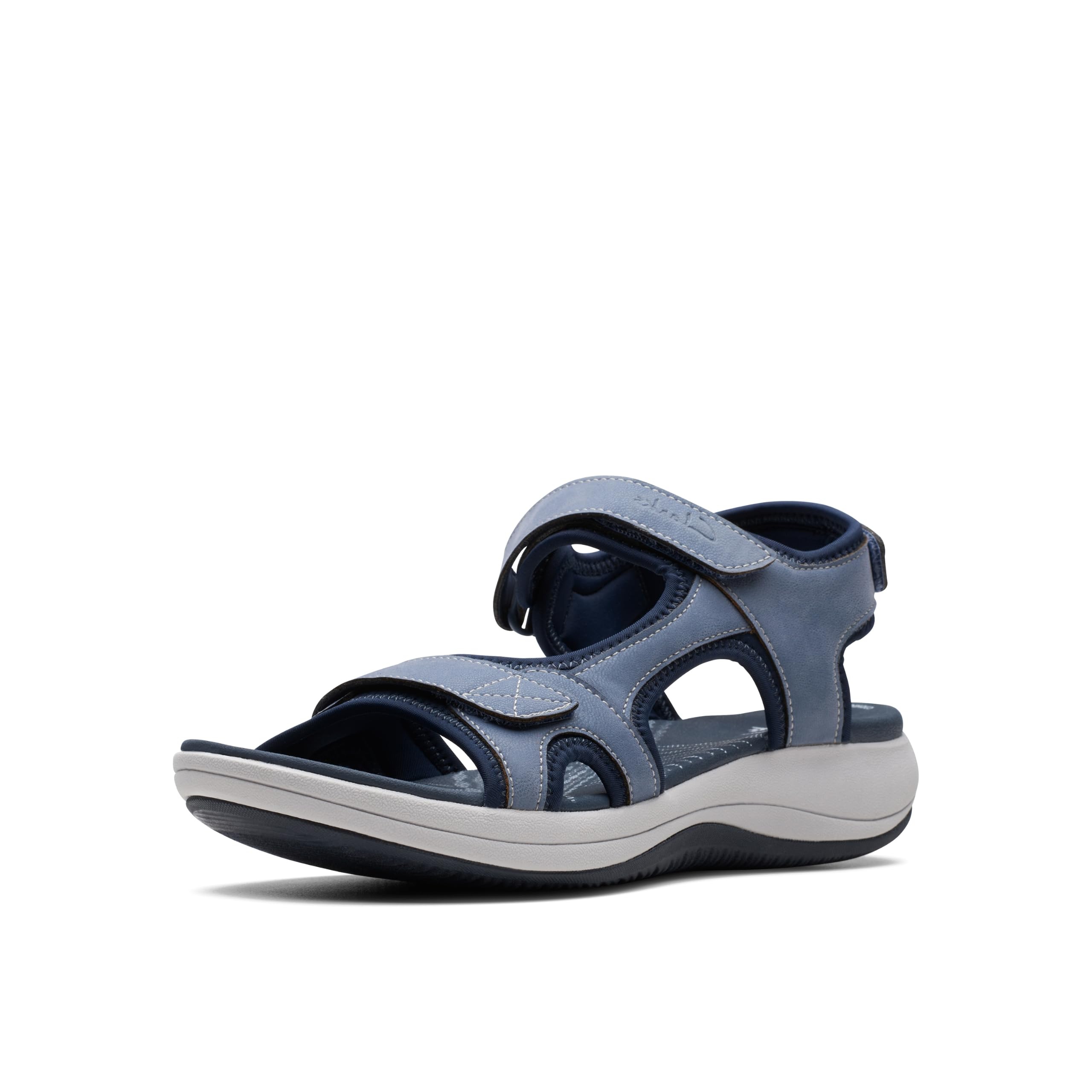
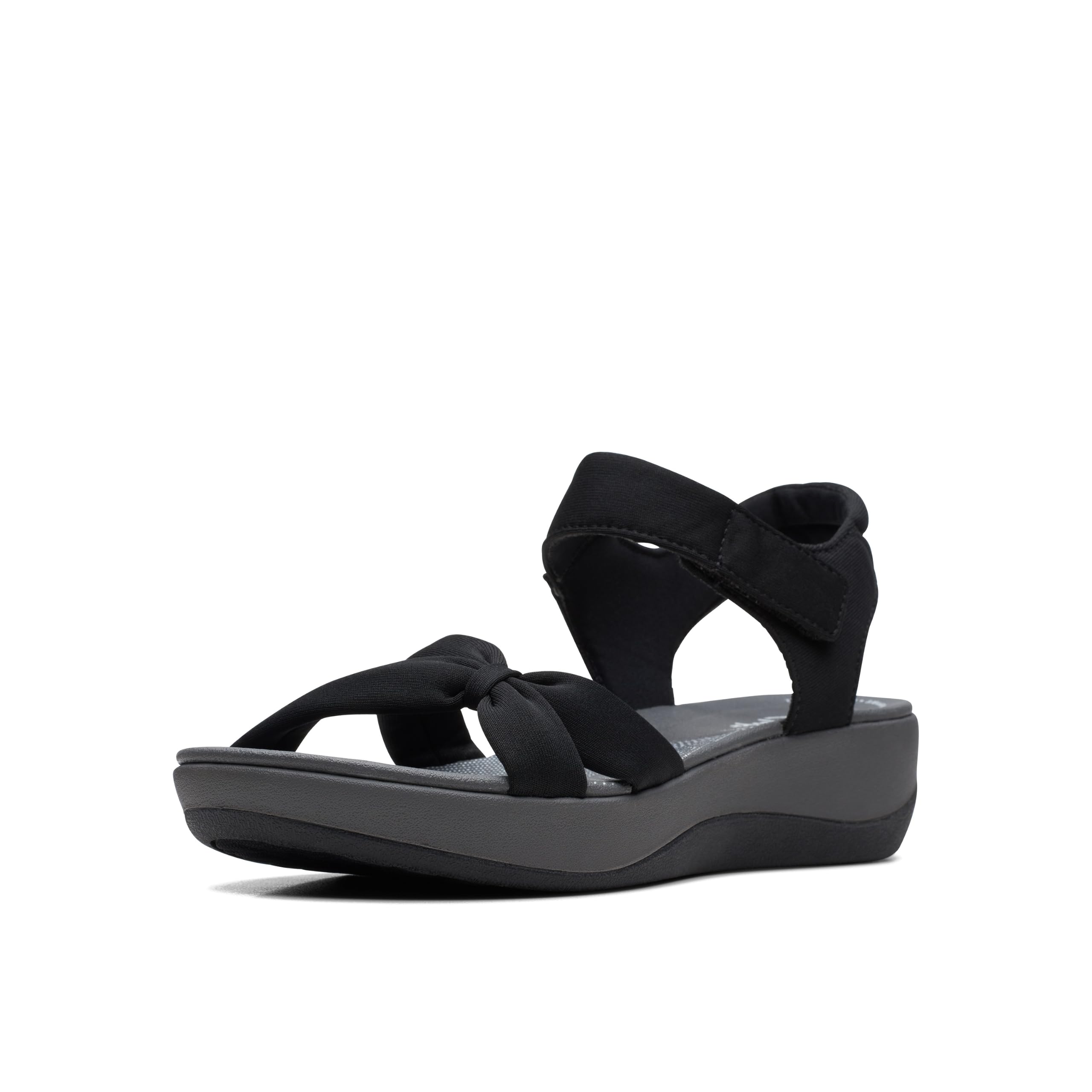


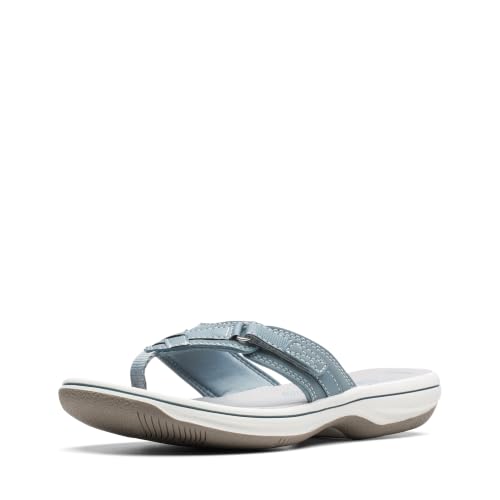
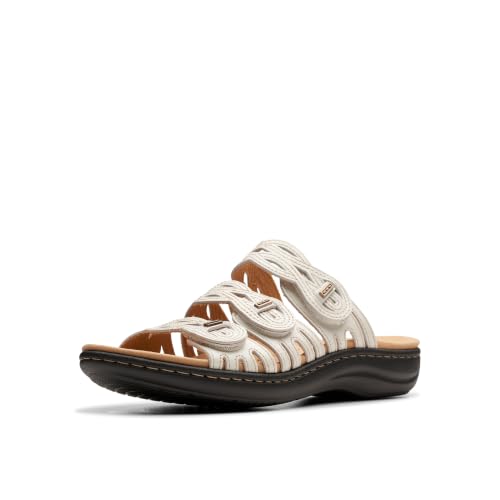

Clarks Sandals 101: The Basics
A walking sandal is an open shoe built for steady miles rather than short trips across a parking lot. It has a shaped footbed that supports your arch, straps that hold your foot without squeezing, and an outsole with enough grip for pavement, boardwalks, and light trails. Clarks is known for soft leather uppers and cushioned footbeds, and the brand offers both casual styles and more supportive walking styles.
The open design keeps your feet cooler than a closed shoe, which is why many people prefer sandals for summer travel and warm weather errands. The trade off is less protection from rain, cold, and rough ground. If your walks are often wet or chilly, see our guide to the best walking shoes for closed toe options that cover more of the foot.
Within the brand, styles range from simple slide sandals to sportier models with three or four adjustable straps. For walking, adjustable straps matter more than looks, because they let you fine tune the fit as your feet swell during the day. If you want the wider brand overview first, see our guide to the best clarks sandals before you narrow down to walking specific models.
Key Specs Explained in Plain English
Every spec below answers one simple question: how will this sandal feel after an hour of walking? Read each short section, note the range or feature you should aim for, and use those notes when you scan the product table above.
Features That Matter for Walking
Walking loads your feet in a repeating heel to toe pattern, so a good sandal needs cushioning under the heel, gentle support under the arch, and a sole that bends at the ball of the foot rather than in the middle. Look for a contoured footbed, a slight heel cup that keeps your foot centered, and straps that cross the midfoot so your toes do not grip to stay on. A modest heel to toe drop, often around 5 to 10 mm in cushioned styles, can feel natural if you are used to everyday shoes. If you want a second opinion on support levels across brands, compare with our guide to the best rated walking sandals after you finish here.
Fit, Sizing, and Toe Box
Measure your feet in the late afternoon, when they are at their largest, and stand while you measure because your foot spreads under your weight. Your longest toe should sit about a thumb width from the front edge of the footbed, and no strap should press on a bone or rub the side of your foot. A roomy toe box lets your toes spread on push off, which reduces blisters on longer walks. Many Clarks sandals come in medium and wide widths, and half sizes vary by style, so check the size chart for the exact model. Shoppers who need women specific last shapes can also see our guide to the best ladies walking sandals for fit notes.
Waterproofing and Wet Weather Use
Most leather walking sandals are not waterproof, and that is fine for dry summer use. Leather can handle a light splash, but repeated soaking stretches straps and can crack the material once it dries. Some sportier styles use synthetic straps and quick drying footbeds that tolerate puddles and beach walks much better. Fully waterproof membranes like Gore Tex appear in closed shoes far more often than in sandals, and in an open sandal a membrane adds little because water enters over the top. Choose based on your real weather: dry pavement favors breathable leather, while wet trips favor synthetic straps that dry overnight.
Durability and Expected Lifespan
A walking sandal used several times a week will usually feel supportive for about one to two warm seasons before the cushioning packs down. Watch the outsole first, because smooth worn rubber loses grip on wet pavement long before the straps fail. Press your thumb into the heel cushion every few months; if it feels flat and hard compared with a new pair in a store, support has faded. Rotating two pairs on heavy walking weeks spreads the wear and gives each footbed a day to recover its shape. Keep straps and buckles clean, since grit in the adjustment points wears the material faster.
Upper Materials and Breathability
Full grain and nubuck leather uppers feel soft against the skin and mold gently to your foot over the first week of wear. They breathe well in dry heat but dry slowly after rain. Synthetic and fabric straps dry fast and often cost less, though some feel stiffer at the edges until they soften. Mesh panels appear on sportier styles and boost airflow on hot days, which helps if your feet sweat. Whatever you choose, the inside of each strap should feel smooth when you run a finger along it, because rough seams are the top cause of hot spots on long walks.
Rookie Mistakes to Avoid
- Buying by looks alone. A pretty flat sandal with no arch support often feels fine for ten minutes and achy after two miles, so check the footbed shape before the color.
- Ordering your dress shoe size. Sandal sizing runs differently because your foot sits on an open footbed, so measure and use the brand size chart instead of guessing.
- Skipping strap adjustment. Many new owners wear every strap at the factory setting, then blame the sandal for heel slip that one tighter strap would fix.
- Planning a long walk on day one. Even soft sandals need short test walks so your skin and feet can adapt to new pressure points.
- Ignoring width. A wide foot squeezed into a medium width will spill over the footbed edge and rub, so choose the wide option when your forefoot feels crowded.
Getting Started: Setup and First Use
When your sandals arrive, adjust each strap while standing, starting at the heel and working forward, so your heel sits snug in the cup and your midfoot feels held but not pinched. Walk indoors for fifteen minutes and check for rubbing at the strap edges and pressure under the arch. If a spot feels warm, loosen or shift that strap a small amount before you judge the size.
Build up outdoors with a short flat walk, then add distance over the first week. If you plan a trip with full days of sightseeing, break the pair in at home first, and pack a closed backup shoe for rainy days. Travelers walking older city streets may also like our guide to the best walking sandals for europe for cobblestone specific advice. After wet walks, let sandals air dry at room temperature away from direct heat, which protects both leather and adhesives.
Frequently Asked Questions
What features matter most in clarks sandals for walking?
Adjustable straps, a contoured footbed, and a grippy outsole matter most. Adjustable straps let you correct heel slip and swelling through the day, which flat fashion sandals cannot do. A contoured footbed spreads pressure under the arch instead of leaving it unsupported. Also check strap lining softness, because a smooth lining prevents most blisters before they start.
How long is the break in period for Clarks walking sandals?
Most people need about three to five short walks before the pair feels fully settled. Leather straps soften and the footbed compresses slightly to match your footprint during that time. Start with twenty to thirty minutes on flat ground and add time each day. If pain sharpens instead of fading, the size or width is likely wrong rather than the pair needing more time.
Do I need waterproof sandals for walking?
You only need water friendly sandals if your routes regularly include rain, wet grass, or beach edges. For dry city walking, breathable leather is usually more comfortable and looks better with casual clothes. Synthetic straps and quick drying footbeds are the safer pick for wet trips because they do not stretch when soaked. Think about your last ten walks and buy for the weather you actually met.
Can I wear Clarks walking sandals all day?
Yes, many people wear supportive walking sandals for full days of errands and sightseeing. The key is a footbed with real arch support and straps that keep your foot from sliding, because sliding creates friction and fatigue. Stand up and walk around after lunch to check afternoon fit, since feet swell as the day goes on. If you stand on hard floors for work, alternate with a closed shoe some days.
How should clarks sandals fit for walking?
They should feel secure at the heel and midfoot with clear space in front of your toes. Your heel should not lift out of the cup with each step, and your toes should never hang over the front edge. Straps should lie flat without digging in when you flex your foot. A useful home test is a brisk walk down a hallway with one turn, which reveals both heel slip and toe crowding quickly.
The Bottom Line
For your first pair, focus on three things: adjustable straps that stop heel slip, a contoured footbed that supports your arch, and a toe box with room to spread. Match the upper material to your weather, measure your feet in the afternoon, and give the pair a few short walks before a long day out. When you are ready, compare your shortlist with the product table above and choose the best clarks sandals for walking that fits your feet, your routes, and your budget.


