
Best Clarks Sandals for 2026: Which One Fits the Way You Use It?
Disclosure: We may earn a commission when you buy through links on this page, at no extra cost to you. As an Amazon Associate I earn from qualifying purchases. Learn more

Clarks sandals sorted by use: fit, cushioning, materials and value, so the best clarks sandals match how you actually wear them.
There is no single Clarks sandal that suits every foot and every day. A pair that feels perfect for evening walks can feel too soft for a long shift, and a sturdy travel style can feel like too much for quick errands. This guide helps you match the best clarks sandals to the way you will actually wear them.
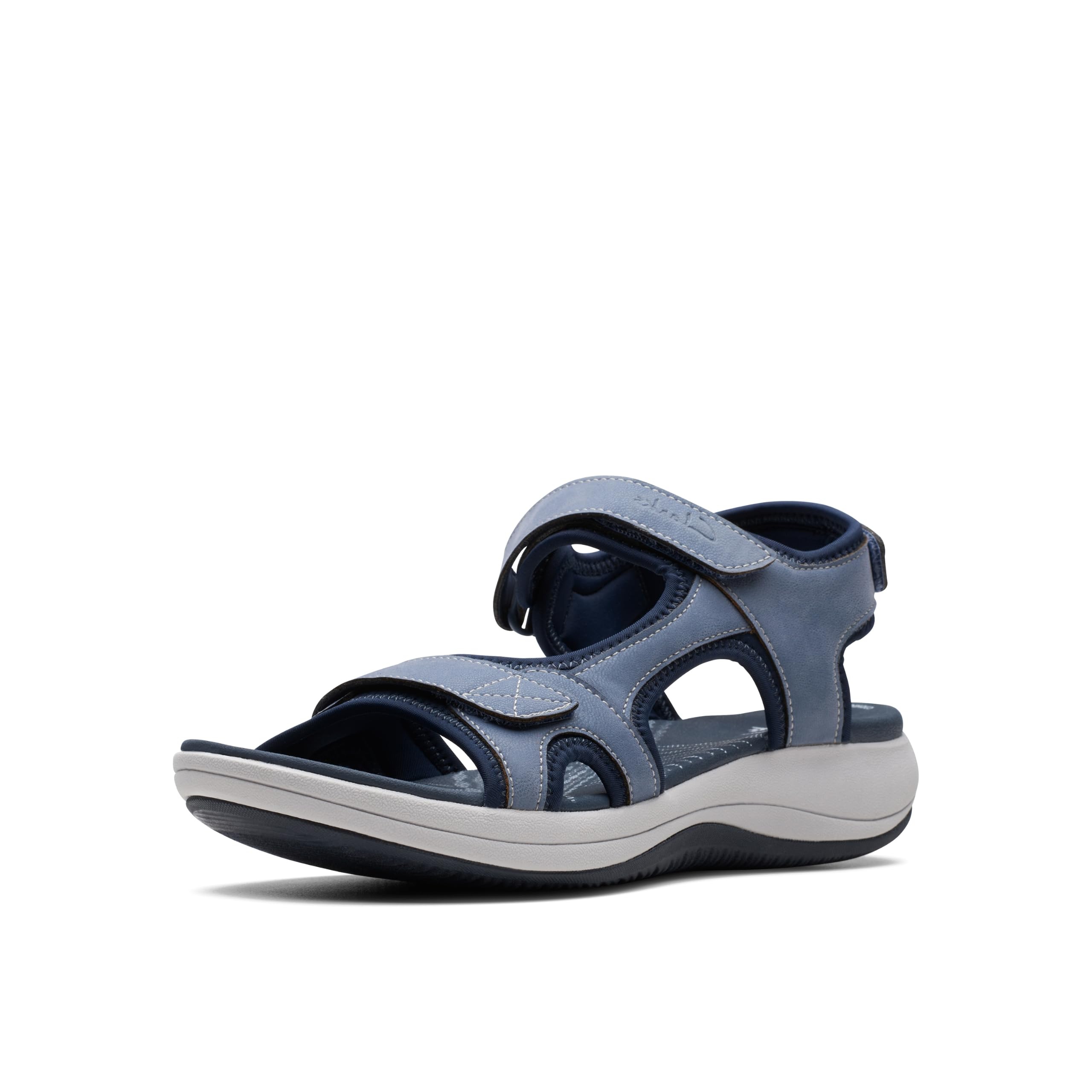
Start with your main use, then weigh fit, cushioning, and materials in that order. Use the comparison table below to see the main styles side by side, then read the sections that match your routine.



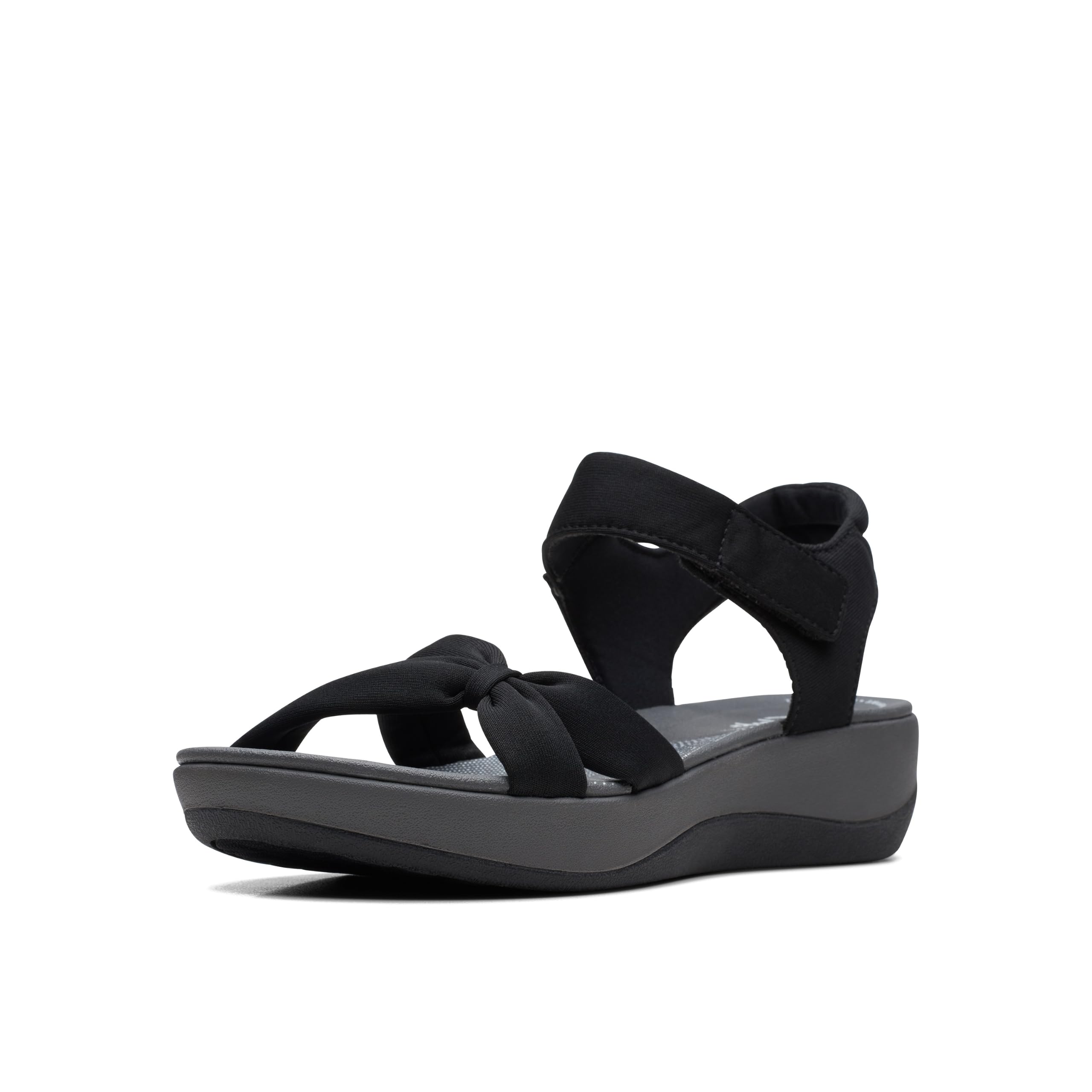


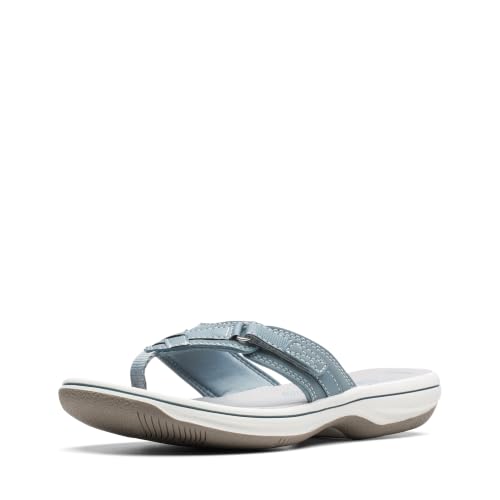
Who Should Buy Which Clarks Sandals?
For Weekend Beginners
If you wear sandals mainly for short walks, errands, and casual days out, you do not need the most built up style in the range. Look for a cushioned footbed, two or three adjustable straps, and an outsole with enough grip for wet pavement. A simple design in a neutral color will pair with most of your wardrobe and cost less than the most feature heavy styles.
Comfort out of the box matters more than long term toughness at this level. Choose soft straps with no rough edges, and allow a short break in period at home before a full day out. If a strap rubs within ten minutes indoors, it will not improve on a hot afternoon, so exchange the size or style early while returns are simple.
For Bad Weather and Tough Conditions
If your sandals will face rain, garden work, or rough ground, prioritize protection and grip over softness. A closed or partly covered toe shields your feet from knocks, a deeper tread pattern holds better on loose or wet surfaces, and synthetic or treated uppers cope with water far better than soft suede. Darker colors also hide splashes and scuffs between cleanings.
Be honest about the trade off, though. Tougher sandals are usually heavier and less breathable, and water resistant materials can feel warm on very hot days. If bad weather is rare for you, a lighter everyday pair plus an old pair of shoes for messy jobs is often the smarter and cheaper combination.
For Frequent or Serious Users
If you walk daily, travel on foot, or stand for long hours, build quality becomes the deciding factor. Look for a firm yet cushioned midsole that does not flatten quickly, straps anchored securely into the sole, and stitching or bonding that looks even and clean. If walking is your main use, our guide to the best clarks sandals for walking goes deeper on distance comfort.
Daily users also benefit from owning two pairs and rotating them, since foam recovers between wears and uppers dry fully. Check the warranty and the return window before you buy, and keep your receipt. A slightly higher price for a pair that lasts two full summers usually beats a cheap pair replaced every few months.
Key Features to Compare
Break In Period and Comfort Out of the Box
Good sandals should feel close to comfortable right away, with only mild stiffness in the straps or sole during the first few wears. Leather straps soften and shape to your foot over a week or two of short outings. Plan your first wears at home or on short trips, and use thin socks for an hour if a strap edge feels firm against your skin.
Sharp rubbing, pinching at the toes, or heel slip on every step are fit problems, not break in problems. Those rarely fix themselves. A useful test is a ten minute indoor walk on hard floors. If you keep thinking about your feet, something is wrong. Comfort you have to hope for usually stays uncomfortable.
Weight and Flexibility
Lighter sandals reduce leg fatigue on long days and pack easily for trips. The sole should bend at the ball of the foot, where your foot bends, rather than folding in the middle of the arch. A sole that twists very easily in your hands may feel soft at first but can leave your feet tired after hours of standing.
Balance is the goal. Very stiff soles protect against stones and suit rough ground, while flexible soles feel natural for smooth city walking. Think about your surfaces. Mostly pavement and indoor floors call for moderate flex with good cushioning. Trails, cobbles, and garden paths call for a firmer sole that shields the bottom of your foot.
Fit, Sizing, and Toe Box
Measure your feet late in the day, when they are at their largest, and match the longer foot to the size chart. Your toes should have room to spread without touching the front edge, and your heel should sit fully on the footbed without hanging off the back. If you fall between sizes, adjustable straps can fine tune the fit, but they cannot fix a footbed that is too short.
A wide toe box suits people whose feet swell in heat or who have bunions or broad forefeet. Narrow styles can look neat yet crowd the toes after an hour of walking. For a broader view of fit across brands, our guide to the best rated sandals explains how sizing varies between makers. When in doubt, order the size that gives your toes space, not the one that looks sleekest.
Upper Materials and Breathability
Leather uppers look polished, last well, and slowly shape to your foot, but they need more drying time after rain and can feel warm at first. Synthetic straps dry fast, weigh less, and handle beach days and sudden showers with no fuss, though they may look less formal. Fabric linings feel gentle against bare skin and reduce rubbing on long walks.
Breathability comes from open design more than from the material itself. More open straps mean more airflow and faster drying, but less hold on the foot. If your feet run hot, choose open styles with soft strap linings. If you walk fast or cover uneven ground, choose straps that hold the midfoot firmly so your toes do not grip to keep the sandal in place.
Waterproofing and Wet Weather Use
Most fashion and comfort sandals are not waterproof, and that is fine for dry daily wear. Water resistant straps and quick drying footbeds handle light rain and splashes, but full soaking can damage leather and soften glues over time. Note that waterproof membranes used in closed shoes matter far less in an open sandal, where water enters freely from above anyway.
Judge wet weather sandals by drying speed and grip instead. A rubber outsole with real tread, straps that do not stretch when wet, and a footbed that does not turn slippery are what keep you steady. After a soaking, stuff the sandals loosely with newspaper and let them air dry away from direct heat so materials do not crack.
Common Mistakes to Avoid When Buying Clarks Sandals
- Buying by price alone and ignoring fit, strap comfort, and return terms.
- Skipping the break in period and wearing a new pair for a full day of travel.
- Choosing a size from your shoe size without measuring, since sandal sizing runs differently.
- Ignoring footbed shape, then finding the arch support sits in the wrong place for your foot.
- Forgetting to check the warranty and exchange window before the first outdoor wear.
One more mistake is buying for a rare use. If a style only suits one outfit or one trip, you will reach for your everyday pair instead. If foot pain is part of why you are shopping, our guide to the best clarks sandals for plantar fasciitis covers the support features that matter most for that need.
Setup and Care Tips
Before the first long wear, adjust every strap so the sandal holds your heel and midfoot without pressure points, then walk indoors to confirm nothing rubs. Clean leather straps with a damp cloth and let them dry naturally. For fabric or synthetic straps, mild soap and water work well, followed by air drying in shade.
Rotate two pairs if you wear sandals daily, and store them away from direct sun so straps and soles age evenly. Replace a pair when the tread is smooth in the heel area, the footbed stays flat after rest, or straps loosen even at the tightest setting. Worn support is a common hidden cause of new foot and knee aches.
Frequently Asked Questions
How should clarks sandals fit?
Your heel should sit fully on the footbed, your toes should not touch the front edge, and the straps should hold your foot without pinching. A small amount of space, about a thumb width in total length, is normal. Your foot should not slide forward when you walk downhill or turn quickly, and the arch contour should meet your arch rather than pressing into the ball of your foot.
Can I wear them all day?
Yes, if the style has real cushioning, a shaped footbed, and straps that do not rub, most people can wear them all day. Build up gradually during the first week. People who stand on hard floors should look for firmer support rather than the softest foam, since very soft soles compress by midday. If pain builds through the day, the fit or support level is wrong for your feet.
Do I need waterproof shoes instead of sandals?
Only if you expect long exposure to rain, puddles, or wet ground. Sandals dry fast and suit warm wet days, but they offer no protection from cold water or debris. For cool, soaked conditions, a closed water resistant shoe keeps feet warmer and cleaner. Many people own both and choose by the forecast rather than forcing one pair to do every job in every season.
Are expensive clarks sandals worth it?
They can be, when the extra cost buys a better footbed, stronger strap anchors, and materials that hold their shape for more than one summer. Price alone proves nothing, so check reviews of durability and the warranty terms. If you wear sandals only a few times a month, a mid priced pair with good fit usually gives you nearly all the comfort at a lower total cost.
How often should I replace my clarks sandals?
Replace them when comfort or grip fades, not by a fixed calendar date. For daily wearers that is often after one to two summers. Smooth tread at the heel, a footbed that no longer springs back, cracked straps, or new aches after normal walks are all clear signs. Occasional wearers can keep a pair much longer if the sole and straps remain sound.
How long is the break in period?
Most comfort sandals settle within three to five short wears over about a week. Leather straps take the longest to soften, while synthetic straps feel close to final comfort almost at once. Wear them indoors first, then for short outings. Rubbing that causes a blister is not normal break in, so stop, adjust the straps, and reconsider the size if it repeats.
The Bottom Line
Start with your main use, then let fit and footbed shape decide between the styles that remain. Straps that hold without rubbing, a toe box with room to spread, and an outsole matched to your ground will matter every single day you wear them. Compare your shortlist in the product table above, and choose the best clarks sandals for the days you actually live, not the days you imagine.


