Best Clarity Car Speakers 2026: A Practical Buying Guide
Disclosure: We may earn a commission when you buy through links on this page, at no extra cost to you. As an Amazon Associate I earn from qualifying purchases. Learn more

The best clarity car speakers come down to tweeter design, crossover quality, sensitivity and fit, not peak watts. Compare coaxial and component options here.
Factory car speakers are built to a price, and the first thing they lose is clarity: voices on a podcast blur into road noise, cymbals turn to hiss, and you end up turning the volume up to hear words rather than to enjoy music. Choosing the best clarity car speakers is less about watts and more about the tweeter, the crossover, and how well the speaker fits your door. This guide explains those parts in plain language so you can compare options on the details that decide detail.
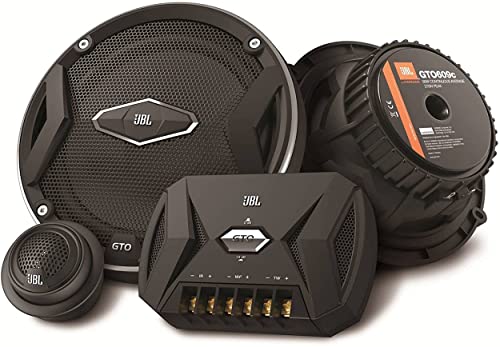
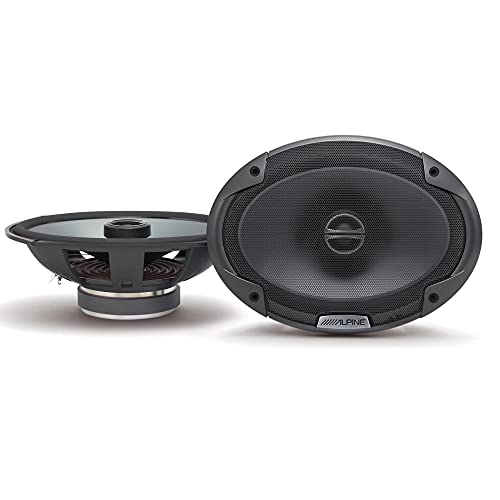
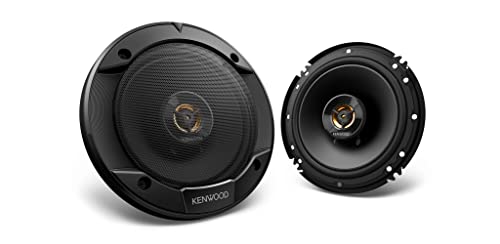
Start by noting what you listen to most. Podcasts and calls reward a smooth, forward midrange and a tweeter that sits high in the door or on the dash. Music rewards a wider frequency range and a tweeter that stays clean at volume. The comparison table below lists coaxial and component options side by side, and the sections that follow show which specifications actually predict clear sound in a moving car.






Who Should Buy Speakers for Clarity
This guide is for drivers who want speech and musical detail to stay clear at highway speed, not for people chasing maximum bass or sheer volume. That includes commuters who live on podcasts and audiobooks, anyone who takes work calls through the car, and music listeners who notice harsh or muddy highs from stock speakers. If you mainly want more low end, pair your choice here with our guide to the best sub speakers for car audio, since a subwoofer takes bass duty away from the door speakers and lets them focus on detail.
Coaxial or Component: The First Decision
Coaxial Speakers
A coaxial speaker mounts the tweeter in the center of the woofer cone, so one unit drops into the factory hole and connects to the factory wiring. It is the simplest upgrade and already a large step up in clarity over most stock paper cone speakers, because aftermarket tweeters and crossovers are far better than the single full range drivers many cars ship with. The limit is tweeter position: the tweeter sits low in the door, so high frequencies fire at your knees and lose some sparkle before they reach your ears.
Component Speakers
A component set separates the woofer, the tweeter, and an external crossover. You mount the tweeter high, in the factory sail panel, A pillar, or dash location, where it points at your head, and the woofer stays in the door. That placement is the single biggest clarity gain available, because voices and detail arrive directly rather than reflected off the floor. Components cost more, need a place for the crossover, and may need a tweeter mount or adapter, so they suit owners willing to spend an afternoon on installation. For a focused look at speech, our guide to the best car speakers for voice clarity explains why tweeter height matters so much for spoken word.
Key Features to Compare
Tweeter Material and Design
The tweeter is where clarity lives. Silk and other soft dome tweeters sound smooth and forgiving, which suits long listening and voices, while aluminum, titanium, and other metal domes sound brighter and more detailed but can turn harsh on cheap recordings or when driven hard. Many drivers find soft domes easier to live with in a car, where glass and hard plastics already brighten the sound. A swivel or pivoting tweeter on a coaxial speaker lets you aim it upward, which recovers some of the detail lost to a low mounting position.
Crossover Quality
The crossover splits the signal so the woofer handles lows and mids and the tweeter handles highs. A cheap crossover is a single capacitor that lets the two drivers overlap and smear each other. Better coaxials and all component sets use a multi part crossover that hands off cleanly, which is a large part of why they sound more open. Look for a stated crossover frequency and slope in the specifications, and for tweeter level adjustment on component sets, which lets you tame brightness after installation.
Sensitivity and Power Handling
Sensitivity, given in decibels, tells you how loud a speaker plays per watt. If you run the factory head unit or a basic aftermarket stereo with roughly 15 to 25 watts per channel, choose speakers with sensitivity around 90 dB or higher so they reach clean volume without strain. Power handling matters as the RMS number, not the peak number printed largest on the box. Match RMS to what your stereo or amplifier actually delivers; a speaker rated far above your amplifier simply plays quietly, while an underpowered amp pushed to clipping is the most common cause of distortion that owners blame on the speakers.
Size, Mounting Depth, and Fit
Measure the factory speaker, including diameter, mounting depth behind the panel, and the position of the magnet relative to the window track, before you order. Common sizes are 6.5 inch, 6 by 9 inch, 5.25 inch, and 6 by 8 inch, and a vehicle specific fit guide or adapter bracket solves most mismatches. A speaker that is forced into a shallow door, or that rubs the window glass, will rattle and buzz no matter how good it is. Grille clearance matters too, since a tall tweeter on a coaxial can hit the factory grille.
Cone Material and Midrange
Woofer cones made from polypropylene, treated paper, or woven fibers each sound a little different, but stiffness and damping matter more than the name. A stiff, well damped cone keeps the midrange, where voices live, clean at volume. Rubber surrounds last longer than foam in a hot car. If you compare how whole systems sound rather than individual drivers, our guide to the best sounding car speakers covers that broader view.
Installation Details That Protect Clarity
Even the best speaker sounds dull in a door that rattles and leaks sound. A square of sound deadening material behind and around the speaker opening, plus a foam baffle or gasket between the speaker and the door, removes buzz and tightens the midrange for a small cost. Use the factory wiring harness adapter rather than cutting wires, and check polarity on both sides, because one reversed speaker hollows out the center image where voices sit.
After installation, set the stereo's bass and treble to flat, turn off any loudness or bass boost, and listen for a day before adjusting. If a subwoofer is in the plan, set the high pass filter on the door speakers so they stop trying to reproduce deep bass, which is the quickest way to make midrange and vocals clearer at volume. Our guide to the best car audio speakers for clarity walks through the same setup steps for full systems.
What Your Money Gets
Around $40 to $80 a pair buys a coaxial speaker that clearly beats factory units, usually with a basic tweeter and a simple crossover. Around $80 to $160 brings better tweeters, real crossovers, swivel tweeters on coaxials, and entry level component sets, which is where most clarity focused buyers should look. Above about $160 a pair you move into refined component sets with better cone materials and adjustable crossovers, which pay off most when paired with an amplifier and a little sound treatment. Spending on a component set while running a weak factory stereo is a common mismatch; spend on placement and power first.
Common Mistakes to Avoid
- Choosing by peak wattage, which says almost nothing about clarity, instead of RMS power, sensitivity, and tweeter design.
- Ordering without measuring mounting depth, then discovering the magnet hits the window glass.
- Expecting a speaker swap to fix bass, when a small subwoofer and a high pass filter would do more for clarity.
- Installing into a bare, rattling door with no gasket or deadening, so the new speaker buzzes like the old one.
- Leaving bass boost and loudness settings on, which drowns the detail you just paid for.
Related Guides
If clear speech is your main goal, our guide to the best car speakers for voice clarity narrows the field further, and for clarity focused speakers outside the car, see our guide to the best speakers for clarity.
Frequently Asked Questions
Do I need an amplifier for clear sound?
Not always. Efficient speakers with sensitivity around 90 dB or higher play clean and clear from a factory or basic aftermarket stereo at normal volumes. An amplifier helps when you listen loud, when you choose a lower sensitivity component set, or when you add a subwoofer. The gain in clarity from an amp comes from headroom, since a stereo pushed to its limit distorts long before the speakers do.
Are component speakers always clearer than coaxials?
Component sets usually win because the tweeter can be mounted high and aimed at the listener, but a good coaxial with a swivel tweeter and a proper crossover comes close at lower cost and effort. If you are not willing to mount tweeters in the pillars or dash, a quality coaxial is the better real world choice.
What size speakers fit my car?
Measure the factory speaker or check a vehicle fit guide before buying. Many cars use 6.5 inch or 6 by 9 inch openings in the doors and rear deck, with 5.25 inch or 6 by 8 inch in others, and most aftermarket speakers include adapter brackets for the common variations. Mounting depth and grille clearance matter as much as diameter.
Why do my new speakers sound harsh?
Harshness usually comes from a metal dome tweeter aimed straight at hard glass, a tweeter level set too high on a component crossover, or a treble boost left on the stereo. Lower the tweeter level or the treble, aim a swivel tweeter slightly away from the glass, and give yourself a week to adjust before changing hardware.
Should I replace front and rear speakers at the same time?
Upgrade the front pair first, since that is where the sound stage and vocals come from, and fade the stereo slightly forward. Rear speakers matter mainly for back seat passengers. Replacing the rears with the same brand later keeps the tonal balance consistent, but the front swap delivers almost all of the clarity gain.
Final Thoughts
Clarity comes from the tweeter, the crossover, and where the speaker sits, not from the biggest wattage on the box. Measure your openings, match sensitivity and RMS power to your stereo, put the tweeter as high as your car allows, and add a gasket and a little deadening when you install. Compare the best clarity car speakers in the product table above with those points in hand, and the podcasts and music you already own will sound like different recordings.