
Best Clamps for Coolant Hoses: Types Compared and How to Choose for 2026
Disclosure: We may earn a commission when you buy through links on this page, at no extra cost to you. As an Amazon Associate I earn from qualifying purchases. Learn more
Compare the best clamps for coolant hoses by type: spring, worm gear, T bolt and ear clamps, with a tape measure sizing method, stainless steel advice and care tips.
A coolant hose can be new and correctly routed and still weep at the connection if the clamp is the wrong type or the wrong size. Choosing the best clamps for coolant hoses means matching clamp design to hose material, temperature swings, and how much access you have at the fitting.
This guide compares the main clamp types in plain terms, shows where each one seals well and where it fails, and gives you a sizing method you can use with a tape measure. Start here, then use the comparison table below to check sizes and prices.




Types of Clamps Compared
Coolant systems heat, cool, pressurize, and vibrate every drive. The best clamps for coolant hoses hold sealing pressure through all of that without cutting the hose. The four groups below cover nearly every coolant connection you will meet on cars, trucks, and equipment, from daily drivers to higher boost or heavy duty cooling setups.
Spring and Constant Tension Options
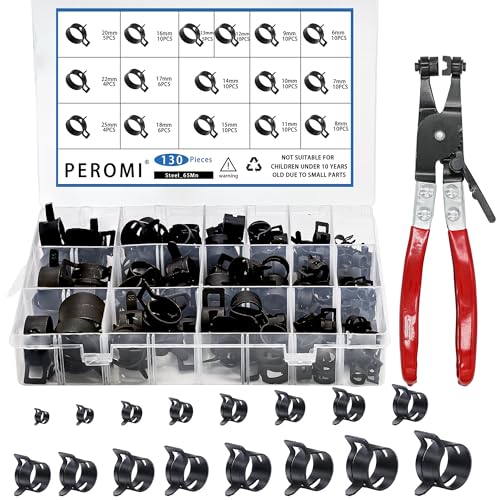
Spring clamps apply steady pressure as the hose and fitting expand and contract with heat. That self adjusting action is why many vehicles use them from the factory on coolant hoses, because cold morning leaks often trace back to a fixed clamp that loosened as parts shrank. They are light, compact, and excellent where space is tight. Their limit is access, because you need the right pliers to compress the tabs safely, and very large hoses may need a stronger style.
Premium and Heavy Duty Options
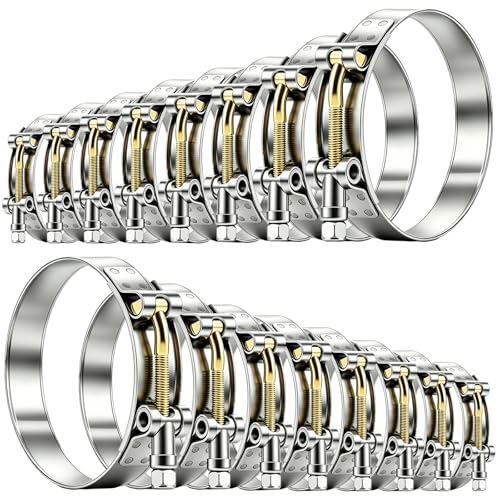
T bolt clamps and heavy duty worm gear clamps spread load over a wide band and suit larger hoses, silicone hoses, and connections that see higher pressure or vibration. A T bolt design gives even pressure around the full circle and resists loosening well. The trade offs are cost, size, and slower installation. These clamps can also overtighten easily in untrained hands, so torque control matters. Choose this group when a standard clamp has slipped, leaked, or feels too narrow for the hose.
Standard Options
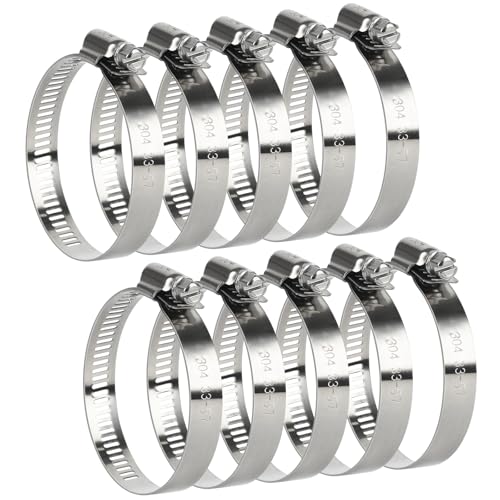
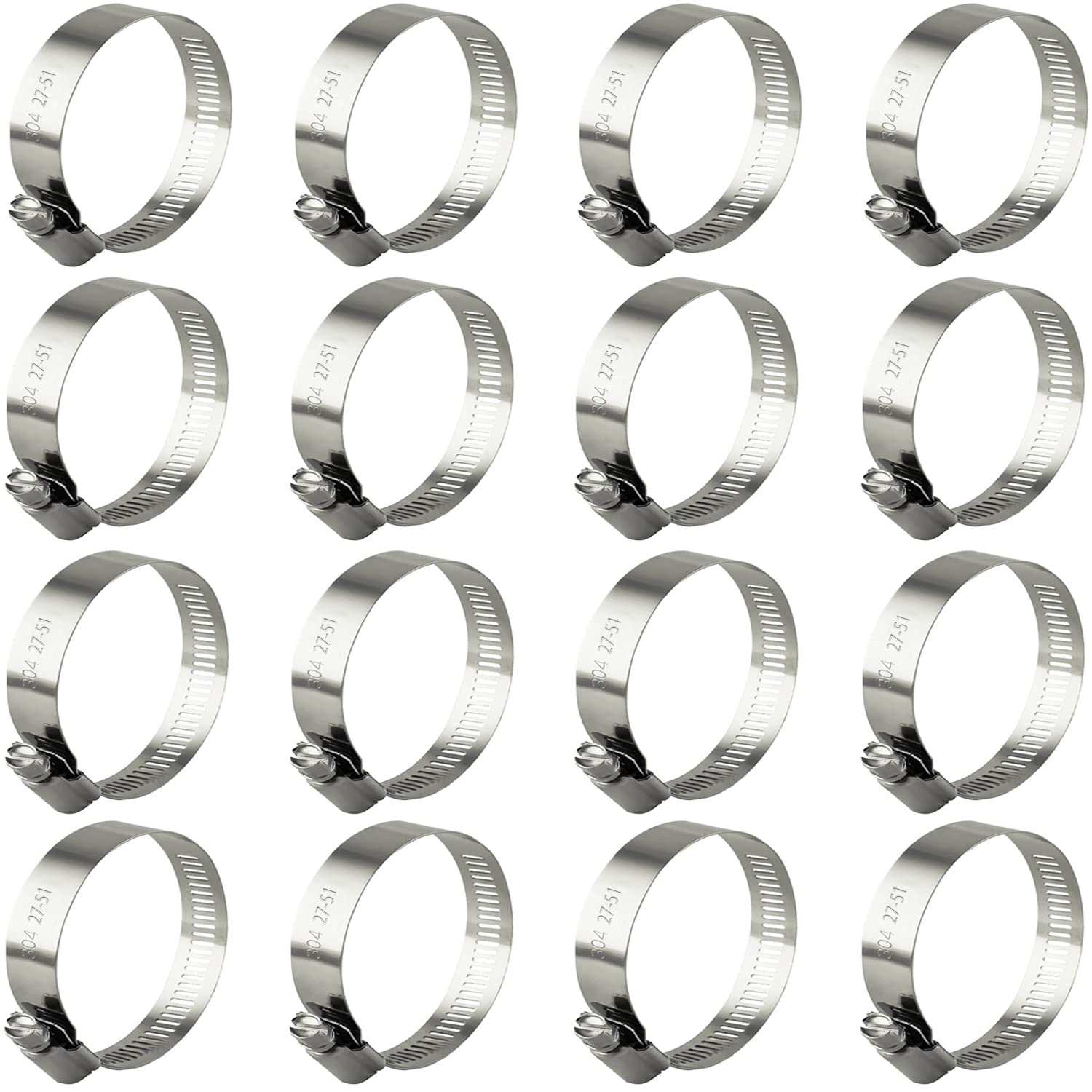
Standard worm gear clamps are the most common choice for general coolant work. A screw tightens a perforated or embossed band around the hose, and sizes cover almost every radiator and heater hose. They are cheap, widely available at around a few dollars each, and easy to fit with a nut driver. Their weakness is uneven pressure and band edges that can bite into soft hose if overtightened. A lined band and correct sizing make a standard clamp far more reliable.
Ear Clamps and Single Use Options
Ear clamps, also called pinch clamps, crimp into place with a special tool and give a clean, tamper resistant finish on smaller coolant and heater hoses. They hold well and cannot loosen from vibration because there is no screw. That permanence is also the drawback, because removal means cutting the clamp off and fitting a new one. This style suits a tidy factory style repair where you have the crimp tool and the correct size range on hand before you start the job.
Spring Options vs Heavy Duty Options: Which Should You Choose?
Choose spring and constant tension clamps for most standard rubber coolant hoses on daily vehicles, especially at the radiator and water pump where temperature swings are large. They adjust on their own, need no retightening, and reduce cold leak risk. Choose heavy duty T bolt or wide band clamps for large diameter hoses, silicone upgrades, and spots with a history of slipping or seepage. They give stronger and more even load but cost more and need careful torque. For a typical heater hose in a tight bay, spring wins on access and reliability. For a large lower radiator hose you can reach easily, heavy duty can be the safer long term call.
If you are replacing the hose as well as the clamp, see our guide to the best coolant hoses to match hose construction to the clamp style you choose here.
How to Choose the Right Clamp
Match the Clamp to Your Hose and Fitting Layout
Measure the outside diameter of the hose once it is pushed fully onto its fitting, because that installed size is what the clamp must close around. Pick a clamp whose range puts your size near the middle, not at the very end of its adjustment. Check access too. A clamp you cannot reach with a driver or pliers will end up poorly tightened, so choose the drive style and tab orientation that fits the space you actually have.
Material and Build Quality
Stainless steel is the default material to want for coolant work because it resists the rust that weakens plain steel bands in a damp engine bay. Look for a smooth band underside, rolled edges, and a screw housing that does not flex as you tighten. On softer hoses, a lined band protects the outer cover from the slots in a worm gear band. Cheap thin bands can strip or snap under modest torque, which is a poor saving on a part that protects your engine from overheating.
Features That Matter for Coolant Hoses
Coolant hoses need even sealing pressure, heat tolerance, and room for thermal expansion. A clamp should sit squarely behind the raised bead of the fitting, not on top of it, and should cover the sealing area without hanging off the hose end. Width matters. A band around 12 to 14 mm wide spreads pressure well on larger hoses, while narrower bands suit small heater hoses. If the hose is silicone, favor a lined or T bolt style, as explained in our guide to the best clamps for silicone hoses.
Durability and Weather Resistance
Coolant clamps live with heat cycles, road salt, and moisture, so corrosion resistance decides service life as much as initial strength. Stainless bands and screws resist seizure, which matters when you need to remove the clamp years later without cutting it. Avoid mixing a plated screw with a stainless band in salty climates if you can, because the weaker part corrodes first. After installation, recheck the joint after the first full heat cycle and again after a week of driving.
For the closely related radiator connection, see our guide to the best hose clamp for radiator hoses for fitting specific sizing notes.
Care and Maintenance Tips
Inspect coolant clamps at every coolant change and whenever you are already working near the hoses. Look for rust, a band that has cut into the hose cover, white or colored crust at the joint that signals a slow leak, and a hose that feels soft or swollen near the fitting. Tighten a screw clamp gently if it needs it, and never keep tightening to cure a leak caused by a damaged hose or a corroded fitting. Replace questionable clamps during hose service, because the part cost is small beside the cost of an overheating event.
Safety note: never open a pressurized cooling system while it is hot. Let the engine cool fully, wear eye protection, and treat spilled coolant as toxic to pets and wildlife. Wipe spills promptly and dispose of old coolant through a local collection route.
Clamps: Your Questions Answered
What features matter most in clamps for coolant hoses?
Even pressure, correct size range, and stainless construction matter most for coolant hoses. The clamp must hold through heat expansion without cutting the hose cover, and its midpoint range should match your installed hose diameter. A lined band helps on soft rubber and silicone. Access matters as well, because a clamp you can tighten squarely and recheck easily will seal better than a stronger clamp fitted at a poor angle.
Is stainless steel worth it for coolant clamps?
Yes, stainless steel is worth it for coolant clamps because the engine bay exposes the band and screw to moisture, heat, and road salt on every drive. Plated steel may cost less at purchase but can rust, seize, and lose clamping force sooner. Stainless also makes later removal far easier during hose service. The price gap per clamp is small, usually only a few dollars, while a failed clamp can cost an engine.
How many clamps do I need for a coolant hose job?
You need one clamp for each hose end, so most single hose replacements need two clamps, plus one spare in the correct size in case a band strips or a tab breaks. Count every connection you will disturb, including heater hoses you move for access. Buying a small assortment in your hose sizes is sensible for home work. Keep the spares dry and labeled by size range so you can find them during a repair.
What is the difference between a worm gear clamp and a spring clamp?
A worm gear clamp tightens to a fixed diameter with a screw, while a spring clamp flexes and keeps applying tension as the joint expands and contracts. That difference explains why spring clamps resist cold leaks well and need no retightening. Worm gear clamps are easier to fit with common tools and suit many repairs. Choose by hose size, access, and whether the joint has leaked at low temperature in the past.
How long should a coolant hose clamp last?
A quality stainless coolant clamp can last the life of the hose and often longer, while a plated clamp in a salty climate may show heavy rust within a few years. Replace any clamp that is distorted, stripped, rusted at the screw, or has cut deeply into the hose. Most careful owners replace clamps whenever they replace the hose itself. That habit costs little and removes a common cause of repeat leaks after otherwise good work.
Final Thoughts
Size the clamp to the installed hose, choose stainless steel, and match the type to the joint: spring for most factory style rubber hoses, wide band or T bolt for large or problem connections, and standard lined worm gear for general repairs. Use the product table above to compare the best clamps for coolant hoses in your size range, confirm the band width and material, and recheck every joint after the first full heat cycle.


