Best Clamps for Silicone Hoses: A First Time Buyer's Guide for 2026
Disclosure: We may earn a commission when you buy through links on this page, at no extra cost to you. As an Amazon Associate I earn from qualifying purchases. Learn more

New to silicone hoses? Learn how the best clamps for silicone hoses differ: lined bands, T bolt styles, sizing from the installed hose, and a first fit routine.
If this is your first silicone hose job, the clamp decision can feel like a small detail that carries outsized risk. Silicone is softer and slicker than rubber, so the best clamps for silicone hoses must grip evenly without slicing the hose wall or slowly walking off the fitting under pressure and heat.
This guide starts with the basics, explains each key specification in plain English, and ends with a simple setup routine. Read it in order, note your hose size, and then use the comparison table below to pick clamps that match.





Clamps 101: The Basics
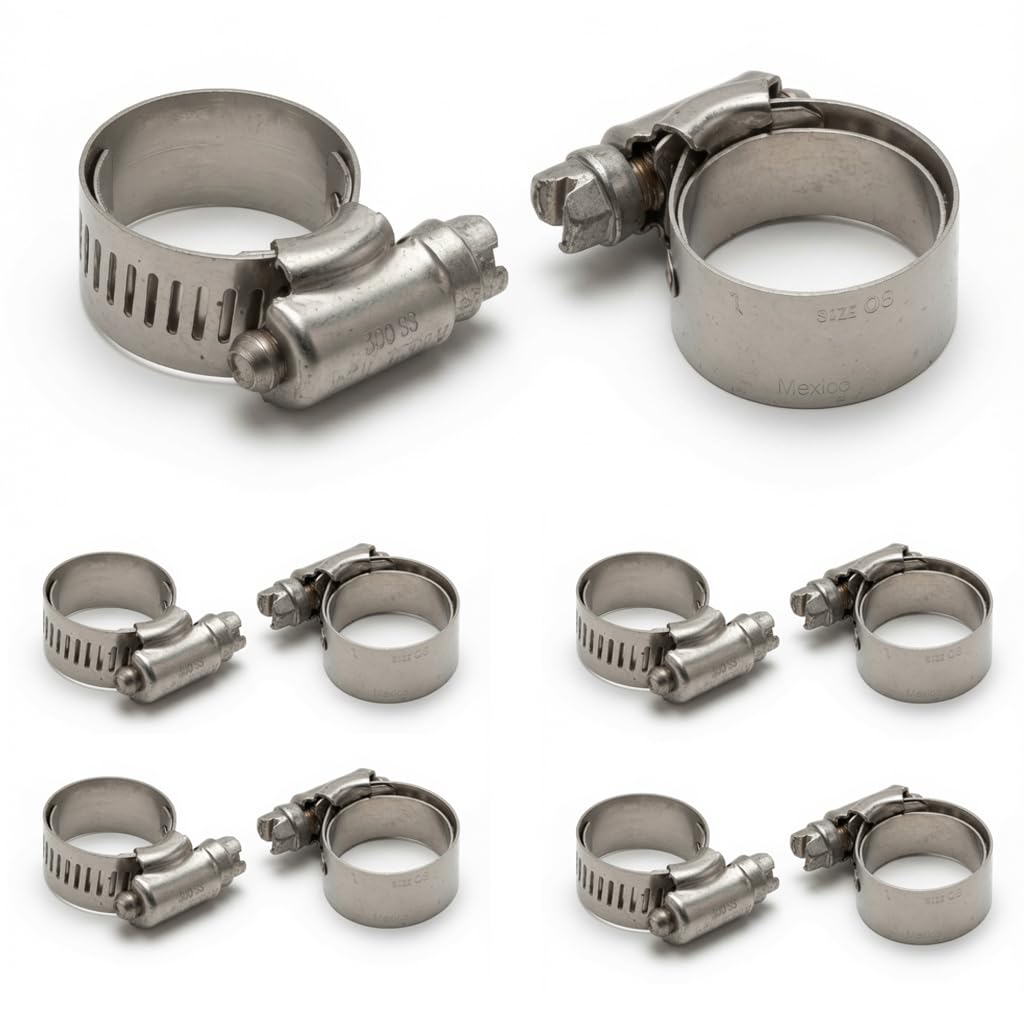
A hose clamp is a band that closes around a hose and presses it against a rigid fitting so fluid or air cannot escape at the joint. Tightening a screw, crimping an ear, or releasing spring tension reduces the band diameter and creates sealing pressure. On silicone hoses, how that pressure is spread matters as much as how much pressure you apply. A narrow band with sharp slots concentrates force in lines that can cut silicone, while a smooth wide band spreads force and protects the hose while still sealing well.
Three terms cover most listings. The size range tells you the smallest and largest diameters the clamp can close around. Band width tells you how much hose surface the clamp covers. A liner is a smooth inner strip that shields the hose from band slots and edges, and it is the single feature first time buyers should value most with silicone.
Key Specs Explained in Plain English
Features That Matter for Silicone Hoses
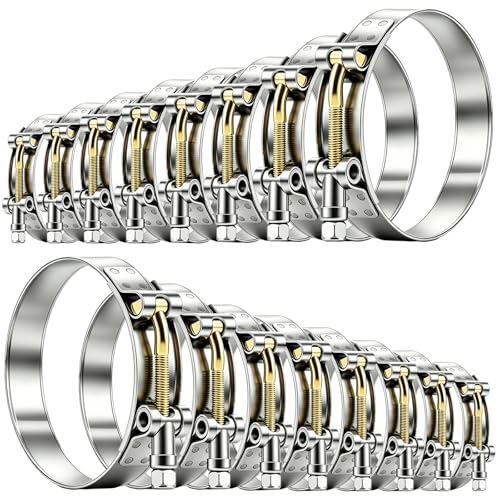
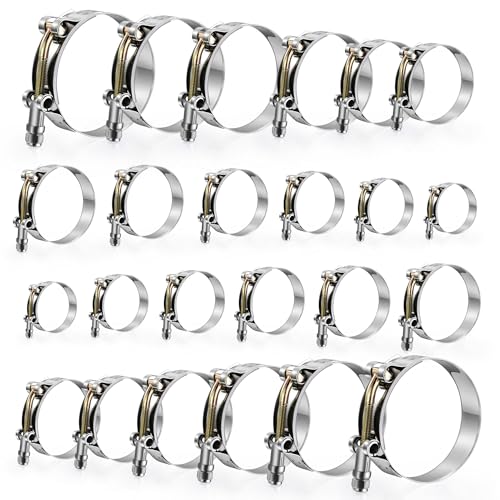
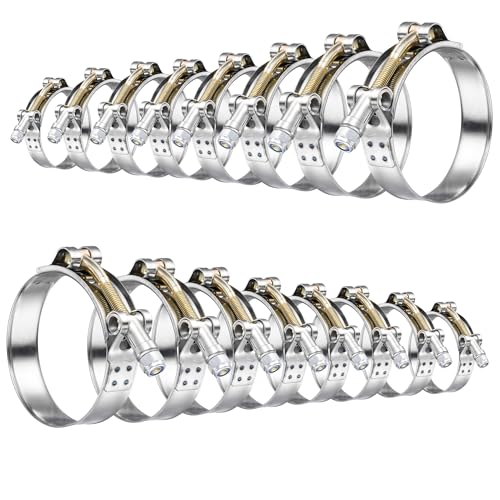
The best clamps for silicone hoses have lined bands, rolled edges, and even pressure because the material is soft, heat resistant, and more slippery than rubber. Look for clamps sold as suitable for silicone or soft hoses, with a solid inner liner and no exposed perforations touching the hose. T bolt clamps and lined worm gear clamps are the two most suitable common styles. Avoid bare perforated bands tightened hard, because the slots can emboss and eventually tear the outer layer of the hose.
Match the Clamp to Your Hose Size and Layout
Measure the outside diameter of the silicone hose after you slide it fully onto its fitting, since wall thickness and the fitting bead change the size the clamp must handle. Choose a clamp whose range places that measurement near the middle. In tight layouts, also check the screw housing or bolt position, because a clamp you cannot reach will not be tightened evenly. Plan the orientation of every clamp before you tighten the first one, so tools can reach each drive in turn.
Ease of Use and Storage
For a first job, a lined worm gear clamp is the easiest to fit and adjust with a simple nut driver, and you can loosen it later for service. T bolt clamps need a socket and a bit more care with torque but reward you with very even pressure. Keep spare clamps in your main hose sizes, stored dry and sorted by range. A labeled small parts box in the garage saves a stalled job when one clamp strips or turns out to be the wrong size.
Value and Coverage per Dollar
Clamps for silicone work cost more than basic hardware store bands, usually around a few dollars each for lined worm gear styles and more for T bolt designs. Judge value by protection as well as price. One lined clamp that seals and preserves a hose worth many times its price is better value than a cheap band that cuts the hose and forces a full replacement. Buy one or two spares in your size, because shipping a single clamp later often costs more than the part.
Material and Build Quality
Choose stainless steel for the band, liner, and screw or bolt whenever you can, because coolant, road salt, and engine bay moisture corrode plated parts and weaken clamping force. Inspect the band edges with a fingertip before fitting. They should feel smooth and slightly rolled, never sharp. The screw housing should stay rigid as you tighten, and the threads should turn without grit or wobble. Weak housings flex, give uneven pressure, and can strip at modest torque on larger hoses.
Safety and Fluid Compatibility
Match the clamp and hose to the fluid and temperature in your system, and never assume a clamp suited to a coolant hose suits a fuel or oil line, where ratings and rules differ. Work on a cool engine, relieve pressure before opening any cooling joint, and wear eye protection when draining fluid. Coolant is toxic to people and animals, so catch it in a pan, wipe spills at once, and dispose of it properly. If a joint involves a system you do not understand, ask a qualified mechanic to check your plan.
For radiator specific joints, compare the notes in our guide to the best hose clamp for radiator hoses with the sizing method above before you order.
Rookie Mistakes to Avoid
- Using a bare perforated worm gear clamp and tightening it hard, which lets the slots cut lines into the soft silicone surface.
- Sizing the clamp from the bare hose or the fitting alone instead of the hose installed on the fitting, which leads to a range that barely closes or cannot close enough.
- Placing the clamp on top of the fitting bead or too close to the hose end, instead of just behind the bead where sealing pressure belongs.
- Overtightening to fix a leak that is really caused by a damaged fitting, an uneven hose cut, or a hose that is the wrong inner diameter.
- Reusing a clamp that is rusted, bent, or stripped, even though a new clamp costs only a small amount beside the hose it protects.
A simple habit prevents most of these errors. Fit every clamp loosely first, confirm each one sits square and behind its bead, and only then tighten them in sequence, checking alignment as you go.
Getting Started: Setup and First Use
Start with the engine fully cool and your clamps, driver, and a clean cloth within reach. Slide each hose fully onto its fitting until it seats, position each clamp just behind the fitting bead, and tighten gradually until the band is snug and the hose does not rotate by hand. Avoid crushing the hose wall. Fill or start the system as your vehicle procedure requires, bring it to full operating temperature, and inspect every joint closely for weeping. Recheck clamp snugness after the first heat cycle and again after a short drive, because silicone settles under the band as it warms and cools.
If you are also sorting a standard rubber coolant joint on the same vehicle, see our guide to the best clamps for coolant hoses to compare when a spring style clamp may suit that joint better.
FAQs
What features matter most in clamps for silicone hoses?
A smooth liner, rolled edges, and even pressure matter most because silicone is soft and can be cut by exposed band slots. Stainless construction protects against corrosion in a hot, damp engine bay. Size range matters too, with your installed hose diameter sitting near the middle of the range. A T bolt or lined worm gear design in the correct size will seal reliably without damaging the hose you paid extra to own.
Is a T bolt clamp worth it for silicone hoses?
A T bolt clamp is worth it on larger silicone hoses and on joints that have slipped or seeped with a standard clamp, because it spreads strong pressure evenly around the full circle. On small heater size hoses, a quality lined worm gear clamp usually seals just as well and is easier to fit in tight space. Decide by diameter and access. Pay for T bolt strength where the joint size and pressure justify it, not everywhere by default.
How do I size a clamp for a silicone hose?
Size the clamp from the outside diameter of the hose measured while it sits fully on its fitting, because that is the circle the band must close. Use calipers if you have them or wrap a strip of paper, mark the overlap, and measure its length divided by about 3.14 to get diameter. Then choose a clamp range with that number near its middle. If you land between ranges, pick the range that still leaves tightening travel after the joint seals.
How much do clamps for silicone hoses cost?
Expect to pay around a few dollars each for lined worm gear clamps and noticeably more for stainless T bolt clamps in larger sizes. A full hose set for one vehicle often needs between four and ten clamps depending on how many joints you replace. Budget for spares in your main sizes. The clamp budget stays small compared with the hose set itself, so this is the wrong place in the job to chase the lowest possible price.
How long should a silicone hose clamp last?
A stainless lined or T bolt clamp can last as long as the silicone hose itself, which is often many years, as long as it stays free of damage and corrosion. Inspect clamps whenever you service the system and replace any that show rust at the screw, a bent band, or stripped threads. Many owners fit fresh clamps during a hose change as a matter of routine. That small habit prevents a new hose from leaking at an old and weakened joint.
When the hose itself is due for replacement, see our guide to the best silicone radiator hoses and our guide to the best silicone hoses for cars to plan clamp and hose sizes together.
Wrapping Up
Protect the hose first and the seal will follow. Choose a lined or T bolt clamp in stainless steel, size it from the installed hose, place it just behind the fitting bead, and tighten it evenly without crushing the wall. Use the product table above to compare the best clamps for silicone hoses in your measured size, order a spare or two, and recheck every joint after the first full heat cycle for a repair that stays dry.