
Best City Walking Shoes 2026 Guide
Disclosure: We may earn a commission when you buy through links on this page, at no extra cost to you. As an Amazon Associate I earn from qualifying purchases. Learn more

City walking means pavements, steps, and long days on foot. Compare cushioning, grip, and style for comfortable urban walking every single day.
City walking mixes pavements, stairs, public transit, and long days exploring, which demands shoes that stay comfortable and grippy for hours. The best city walking shoes balance cushioning, support, and a style that suits urban life, from commuting to sightseeing. The comparison table below gives a quick overview, and this guide explains how to choose for city miles.
Start with your city routine. Commuters need shoes that handle stations, stairs, and office floors, while tourists need all day comfort across varied pavements and attractions. Weather matters too, since rain, heat, and cold each change the ideal upper and sole. Matching shoes to your urban pattern prevents sore feet halfway through the day.


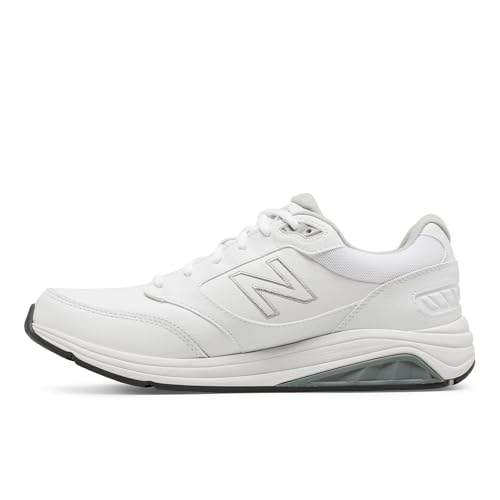


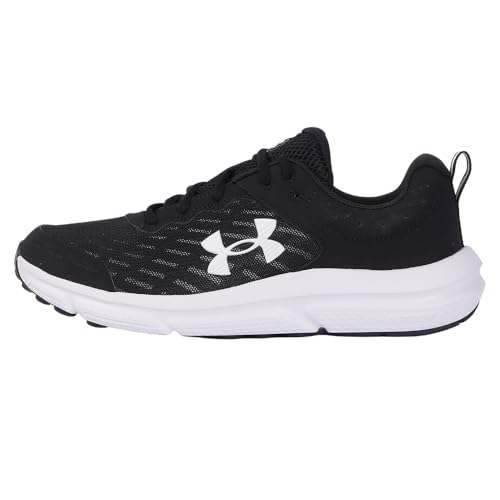

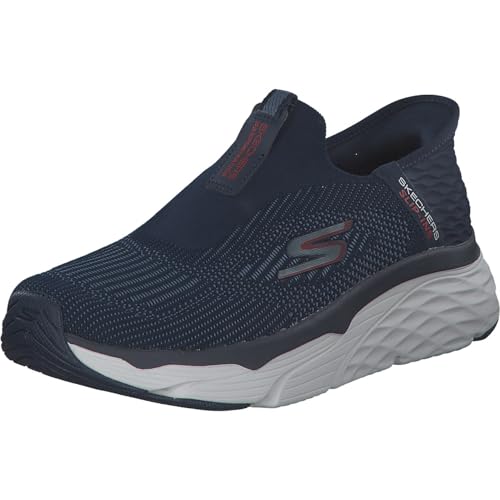
Types of City Walking Shoes Compared
City walking shoes span sporty walkers, smart casual styles, and weather ready models. Each suits different urban routines.
Sporty Walking Shoes
Sporty walking shoes offer the best cushioning and support for long urban distances. They use athletic midsoles, breathable uppers, and grippy outsoles that handle pavements and stairs well. Their sporty look suits casual commutes and tourism, but may not fit formal workplaces. For maximum comfort over city miles, they are hard to beat.
Smart Casual Walking Shoes
Smart casual walking shoes blend walking comfort with a tidier look for work and city socializing. They offer moderate cushioning and support in leather or refined synthetic uppers. Their comfort trails dedicated sporty walkers over very long distances, but they transition better from office to evening. They suit commuters who need one pair for work and walking.
Weather Ready Walking Shoes
Weather ready walking shoes add water resistance and tougher outsoles for rain, wet pavements, and winter streets. They keep feet drier in showers and grip slippery surfaces better. Their trade off is reduced breathability in warm weather and slightly heavier builds. If you walk in all weather, this type protects comfort across seasons.
How to Choose the Right City Walking Shoes
Cushioning, grip, and fit decide city walking comfort. Check each against your daily distance and surfaces.
Cushioning for Hard Pavements
City pavements are hard and unforgiving, so cushioning matters enormously over long days. Look for midsoles that absorb impact without feeling unstable, plus arch support that matches your foot shape. A shoe that feels soft in the shop but flattens after an hour will disappoint on a full city day, so try a longer walk where possible.
Grip for Urban Surfaces
Urban surfaces include smooth stone, wet metal grates, and worn steps, all of which can be slippery. Outsoles with good tread patterns and grippy rubber handle these better than smooth fashion soles. Check grip on wet surfaces especially, since rain transforms city walking safety. Worn soles should be replaced before they become a slip risk.
Fit and Break In
City shoes should fit correctly from the start, with roomy toes, secure heels, and no pinching. Urban days involve thousands of steps, so even minor fit issues become painful quickly. Wear your usual walking socks when trying shoes, and walk on hard floors to simulate pavements. Avoid shoes that need extensive breaking in for daily city use.
For the wider category, our guide to the best walking shoes covers cushioning and fit across brands, with separate notes in our guides to the best walking shoes for women and the best walking shoes for men. Men who want city specific sizing can read the best city walking shoes for men, and for hot weather days our guide to the best sandals for city walking compares open designs.
Common Mistakes to Avoid
A common mistake is wearing fashion shoes with thin soles for long city days. Stylish flats and dress shoes may look good but offer little cushioning or grip for miles of pavements and stairs. Save them for short outings, and choose proper walking shoes for days that involve hours on foot.
Another mistake is ignoring weather. Breathable mesh shoes soak through in rain, while heavy waterproof boots overheat in summer. Matching shoes to the season, or keeping a weather ready pair for wet days, keeps city walking comfortable year round rather than miserable in bad weather.
Planning for Everyday Use
Think about your commute and bag weight. Shoes that pack well or transition from transport to walking ease daily routines. If you change shoes at work, choose walking shoes that are easy to slip on and off and light to carry. Small conveniences add up over hundreds of commutes.
Care keeps city shoes comfortable longer. Clean uppers regularly, let shoes air out after wet days, and replace worn insoles and outsoles promptly. City grit and rain wear shoes faster than indoor use, so regular checks for sole wear and upper damage prevent sudden failures mid journey.
Getting More From Your City Walking Shoes
Carry a lightweight backup for long city days. Foldable flats or a second pair in your bag can rescue feet if shoes rub or weather changes suddenly. This is especially useful for tourists covering many miles and commuters facing unexpected rain. A backup pair weighs little and prevents a ruined day.
Protect feet in summer city heat with moisture wicking socks and breathable shoes. Pavements radiate heat, and feet swell in warm weather, so shoes that fit in the morning may pinch by afternoon. In winter, prioritize grip and water resistance, since wet leaves, icy patches, and slushy pavements demand outsoles that grip and uppers that repel water. Keep a weather ready pair for bad days rather than ruining good walking shoes in slush.
Break in city walking shoes on short neighborhood walks before a long sightseeing day. A few shorter outings reveal pressure points and let cushioning settle, so the first long day feels comfortable rather than painful. New shoes plus a full day of sightseeing is a recipe for blisters.
Frequently Asked Questions
Are running shoes good for city walking?
Running shoes can work well for city walking thanks to cushioning and grip, though they prioritize forward motion over all day standing comfort. Walking specific shoes often offer more stable support for slower paces and standing. Either can suit city use if fit, cushioning, and grip match your distance and surfaces.
How do I choose walking shoes for rainy cities?
Favor water resistant uppers, sealed seams, and grippy outsoles for wet pavements. Avoid highly breathable mesh that soaks through quickly. A weather ready walking shoe keeps feet drier and safer on wet stone and metal surfaces, though it may feel warmer in summer.
Should city walking shoes look smart or sporty?
It depends on your workplace and social settings. Sporty shoes maximize comfort for tourism and casual commutes, while smart casual shoes suit offices and evenings better. Many city walkers keep both: sporty shoes for long days and smart pairs for work transitions.
How long do city walking shoes last?
Lifespan depends on daily distance, weight, and surfaces, but many city walking shoes last several months to a year of daily use. Watch for flattened cushioning, worn outsoles, and upper breakdown rather than relying on time alone. Replace shoes when comfort or grip noticeably declines.
Do I need arch support for city walking?
Most walkers benefit from arch support that matches their foot shape, especially over long distances on hard pavements. Flat feet need structured support, while high arches need cushioning that fills the arch. Removable insoles let you customize support without buying new shoes.
Final Thoughts
The best city walking shoes keep you comfortable across pavements, stairs, and long urban days. Use the comparison table above to compare styles, then check cushioning, grip, and fit against your daily distance. Comfort that lasts all day matters more than looks alone.
When you shop for best city walking shoes, match the shoe to your commute, weather, and workplace. A pair that handles your real city routine will quickly become your most worn and most valued footwear.


