
Best Casual Walking Shoes for Travel: A First Time Buyer's Guide for 2026
Disclosure: We may earn a commission when you buy through links on this page, at no extra cost to you. As an Amazon Associate I earn from qualifying purchases. Learn more
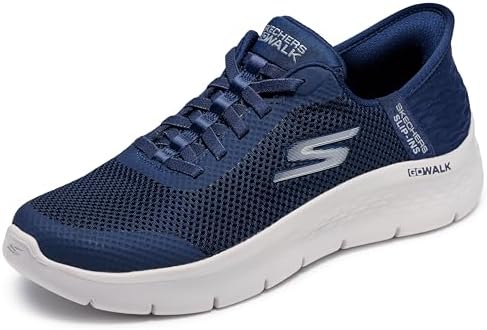
Shopping for the best casual walking shoes for travel for the first time? Learn the terms, compare options, and avoid rookie mistakes with this easy guide.
Buying travel walking shoes for the first time can feel confusing, because every listing uses terms like drop, last, and torsional support without explaining them. This guide starts from the basics and builds up in plain steps. By the end, you will know how to judge the best casual walking shoes for travel for your own trip, your own feet, and your own luggage limits.
We will cover what a casual walking shoe is, the specs that matter and the numbers to aim for, the mistakes new buyers make most often, and what to do in the first week after your shoes arrive. You will find the comparison table below to use alongside each section. No prior knowledge is assumed, and every term is explained where it first appears.

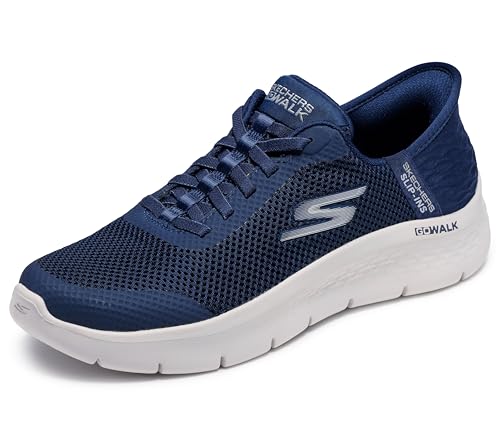


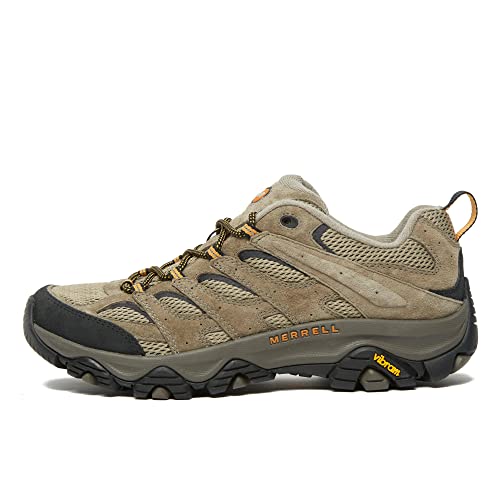


Casual Walking Shoes 101: The Basics
A casual walking shoe is a comfortable everyday shoe built for steady walking rather than running, hiking, or formal wear. It has a cushioned sole that absorbs step after step, an upper that looks tidy with travel clothes, and a fit designed for hours rather than minutes. Unlike running shoes, it trades speed focused shapes for stability and a natural stride. Unlike hiking boots, it stays light and flexible for city streets, museums, and airport days.
The basic parts are simple. The upper holds your foot, the midsole provides the cushion you feel, and the outsole is the rubber layer that grips the ground. Inside, the insole adds a first layer of comfort and can often be replaced.
When a listing mentions neutral shoes, it means the shoe does not try to correct your stride, which suits most first time buyers. Our guide to the best walking shoes gives a wider view of the category once you know these basics.
Key Specs Explained in Plain English
Specs are only useful when they connect to a feeling on your foot or a moment on your trip. Each section below explains one idea in simple language and gives you a target to aim for. Work through them in order and you will have a complete shopping filter.
Features That Matter for Travel
Travel changes what a walking shoe must do. You may walk 15,000 steps on cobblestones one day and stand in airport lines the next, all in the same pair. Prioritize a grippy rubber outsole for wet stone and tile, cushioning that stays comfortable late in the day, and an upper that packs without creasing badly and dries overnight if it gets wet.
Easy entry matters too, since you will slip shoes off at security and in homes or temples in some regions. Neutral shoes with moderate support suit most travelers. If your trip mixes city days with warm rest days, our guide to the best travel sandals for walking can help you choose a second pair that still supports real walking.
Measuring for Size and Portability
Portability starts with weight and bulk. A single travel walking shoe commonly weighs about 8 to 14 ounces, and the pair should compress or nest in your bag without forcing out clothing you need. Flexible uppers in knit or soft leather pack flatter than stiff designs. Measure the shoes against your actual bag, not just the listed dimensions, since soles curve and heels add length.
The trade is simple: the lightest and flattest shoes usually give up some cushion and support. For trips built around long daily walks, accept a little more bulk and protect your feet. For light sightseeing trips, a slimmer pair is fine. Wearing your walking shoes on the plane is the oldest packing trick of all, since it saves the most space and keeps your heaviest item out of the bag.
Fit, Sizing, and Toe Box
Measure both feet in the afternoon, when they are largest, and expect travel days to swell them a little more. Aim for about a thumb width of space beyond your longest toe, because feet slide forward slightly on downhill streets and after hours of walking. The toe box should let your toes lie flat and spread, which improves balance on uneven ground and prevents the rubbing that causes blisters.
Fit the larger foot and use lacing to fine tune the smaller one. If you are between sizes, most travelers do better with the larger size plus their planned travel socks. Try shoes at home on hard floors and stairs, not just carpet. Our guide to the best casual walking shoes adds more fit checks for everyday wear beyond travel.
Arch Support and Foot Type
Arch support is the shaped support under the middle of your foot, and it should match your arch type. Flat feet often feel best with gentle support and a stable heel, since the foot may roll inward, a motion called overpronation. High arches usually need more cushion, because the foot absorbs less shock naturally. Neutral feet can wear most neutral shoes comfortably.
A wet foot print on paper gives a rough picture of your arch at home. What matters most is how a shoe feels after an hour, not in the first minute. If you live with ongoing foot pain or a diagnosed condition, talk with a clinician about personal needs before a big trip rather than self prescribing a shoe style, and build in rest days so small aches do not end a holiday early.
Durability and Expected Lifespan
A travel walking shoe used daily typically gives its best service for about 300 to 500 miles, the same range used as guidance for running shoes. Rubber outsoles, stitched reinforcements, and uppers that hold their shape stretch that lifespan, while exposed foam soles and thin linings shorten it. For a two week trip of heavy walking, even a midlife pair can be fine, but do not start a major trip on shoes already near the end.
Watch the tread under the heel and the ball of the foot, and press the midsole with your thumb: foam that feels dead and stays compressed is done. Buying new shoes about a month before departure gives you time to break them in and still exchange them if the fit is wrong. That timing is one of the simplest ways to protect a trip.
Rookie Mistakes to Avoid
- Buying shoes the week of departure, leaving no time to break them in or exchange a poor fit.
- Choosing by looks alone, then discovering the sole has little grip on wet stone or tile.
- Sizing from your dress shoe size instead of measuring, since walking shoes often fit differently.
- Packing the new pair and wearing old favorites on travel days, which wastes the comfort you paid for.
- Ignoring weight limits, then finding your only walking shoes make your bag awkward to carry.
Each of these mistakes is easy to avoid with a calendar and a home trial. Order early, walk indoors first, and test the shoes with the socks and bag you will actually travel with. Our guide to the best walking shoes for travel adds trip specific checks for different climates and trip lengths.
Getting Started: Setup and First Use
When your shoes arrive, wear them indoors for an hour on day one, then add a short outdoor walk each day for about a week. This break in routine lets the upper soften and lets you spot rubbing while returns are still easy. Set your lacing so the heel locks without squeezing the top of the foot; a simple loop through the last eyelet can reduce heel slip for many walkers.
After wet walks, air dry shoes away from direct heat and remove the insoles so the inside dries fully. Rotate with a second pair on longer trips when you can, and note how your feet feel at the end of each day. Small notes help you decide whether the pair is right before the return window closes, instead of guessing from memory weeks later.
Frequently Asked Questions
What features matter most in casual walking shoes for travel?
Fit, grip, and cushioning that lasts all day matter most. A roomy toe box prevents blisters as feet swell, a rubber outsole keeps you steady on wet streets, and a midsole that still feels alive in the evening protects your joints. After those three, weigh packability and drying speed. Fancy extras help little if the basics fail, so judge every pair in that order during your home trial and first walks.
Can I wear them all day?
Yes, a well fitted travel walking shoe is designed for full days of sightseeing, commuting, and standing. Build up to long days over a week so your feet and the shoes adjust together. Carry a small blister kit on your first big trip day, even with a good fit, since heat and new surfaces can surprise you. If soreness grows day after day rather than easing, the fit or support is wrong for your feet and deserves a change before your next trip.
How often should I replace my casual walking shoes?
Replace them after about 300 to 500 miles of walking, or when tread smooths out and cushioning feels flat. For a daily walker that can be under a year, while trip only shoes may last several years judged by condition. Do not start a major trip on a pair near the end of its life, since mid trip failure leaves you shopping in an unfamiliar place. A pre trip check one month out is the safest habit.
How long is the break in period?
Most casual walking shoes need about a week of gradually longer wears before a trip. Knit uppers may feel right in two or three days, while leather can take two weeks to soften at flex points. Mild stiffness is normal, but hot spots, blisters, or numbness signal a fit problem. Wear your travel socks during break in, walk on varied surfaces, and keep the return option open until the pair has passed a full afternoon test.
Do I need waterproof shoes?
Usually no. Most travel walking shoes breathe better without a waterproof membrane, and breathable pairs dry faster after rain. Membranes such as Gore Tex help in cold, wet destinations, but low collars still let water in from above.
A practical middle path is a water resistant leather upper for light rain plus quick dry socks. Save true waterproof footwear for winter trips or trail heavy plans, and remember that a second pair to rotate is often more useful than one waterproof pair.
Final Thoughts
For a first purchase, keep your filter simple: fit with room to swell, real rubber grip, and cushioning that survives a full day. Order early, break the pair in, and use the product table above to compare your finalists. With those steps done, you will own the best casual walking shoes for travel for your feet and your itinerary, and women comparing dedicated options can also see our guide to the best women's walking shoes for travel.


