
Best City Walking Shoes for Men 2026: Complete Buying Guide
Disclosure: We may earn a commission when you buy through links on this page, at no extra cost to you. As an Amazon Associate I earn from qualifying purchases. Learn more

City walking shoes for men must handle pavement, stairs, and long days without feeling heavy. Learn cushioning, grip, and breathability before you choose.
Choosing the best city walking shoes for men gets easier once you know what actually matters on pavement: cushioning that holds up over miles of concrete, an outsole that grips wet crosswalks and station stairs, and a shape that still looks right at the office or a restaurant. The comparison table below gives a quick overview, and this guide explains each choice in plain terms so you can match a pair to your routine.
City walking is different from a trail or a treadmill. You stop and start constantly, climb stairs, stand on platforms, and move between hot streets and air conditioned rooms. The sections below cover who benefits most, the main shoe types, the features worth checking, sizing, care, and what different price levels usually buy.

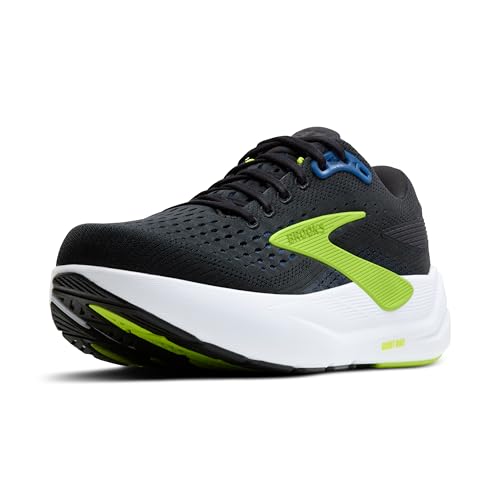
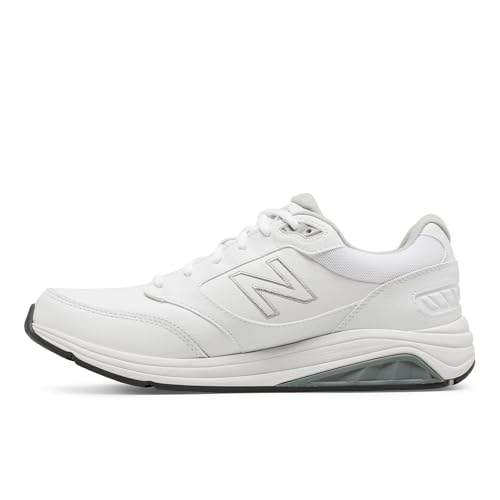


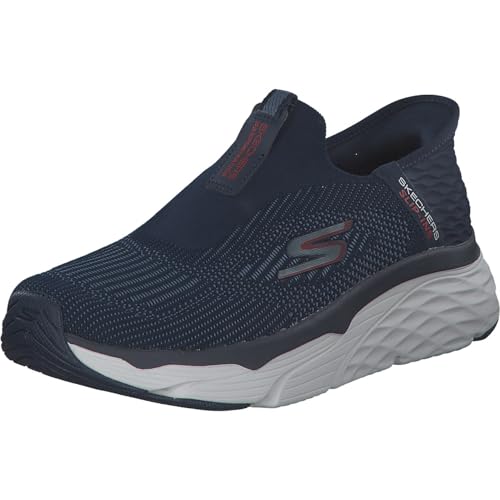

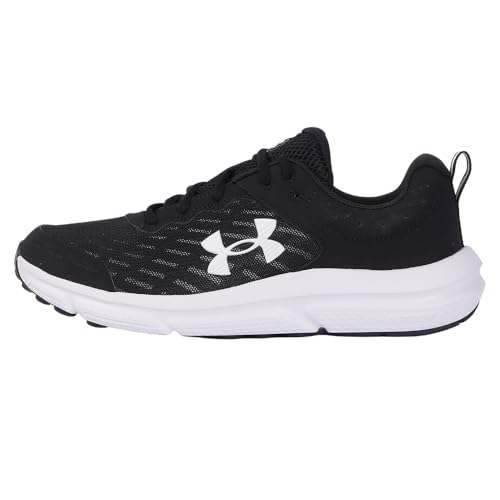


Who Should Buy City Walking Shoes For Men
The men who gain most are commuters who walk to work or transit, travelers who explore a city on foot for eight hours at a stretch, and older walkers who want a steady, easy shoe for errands and daily exercise. Each group values different strengths. A commuter needs a shoe that passes at work, a traveler needs all day cushioning and a quick dry upper, and a daily walker needs durability and a stable heel.
Think about your longest regular walking day, not your shortest. If you cover five or more miles most days, cushioning durability and outsole wear matter more than looks. If your walks are short but frequent, a lighter, easier shoe will get worn more often. For a wider view of the category beyond city use, see our guide to the best walking shoes for men.
Pain that stays after rest, swelling, numbness, or a change in how you walk deserves attention from a clinician, especially if you have diabetes or circulation problems. Shoes can support comfort, but they do not treat foot conditions, so talk with your clinician about ongoing pain before you rely on a new pair.
Types Compared
Men's city walking shoes fall into three broad types, and each trades cushioning, breathability, and looks differently. Use the table below as a starting point, then read the notes for each type.
| Type | Best For | Typical Price |
|---|---|---|
| Cushioned walking shoes | long days on pavement | about $90 to $160 |
| Light knit walking shoes | warm weather and travel | about $60 to $120 |
| Leather walking shoes | office days and smarter outfits | about $90 to $180 |
Cushioned walking shoes borrow their midsoles from running shoes, with thick foam, a rockered sole that rolls you forward, and a firm heel counter. They are the choice for sightseeing days and long commutes, because concrete returns far more impact to your legs than soil does. The trade off is a sporty look and a slightly higher stack that some men find less stable on uneven curbs.
Light knit walking shoes use a stretchy mesh or knit upper over a thinner, flexible sole. They breathe well in summer, dry quickly after a shower, pack flat in a suitcase, and slip on without laces on many models. They give up some cushioning and protection, so they suit shorter walks and hot climates more than ten mile days.
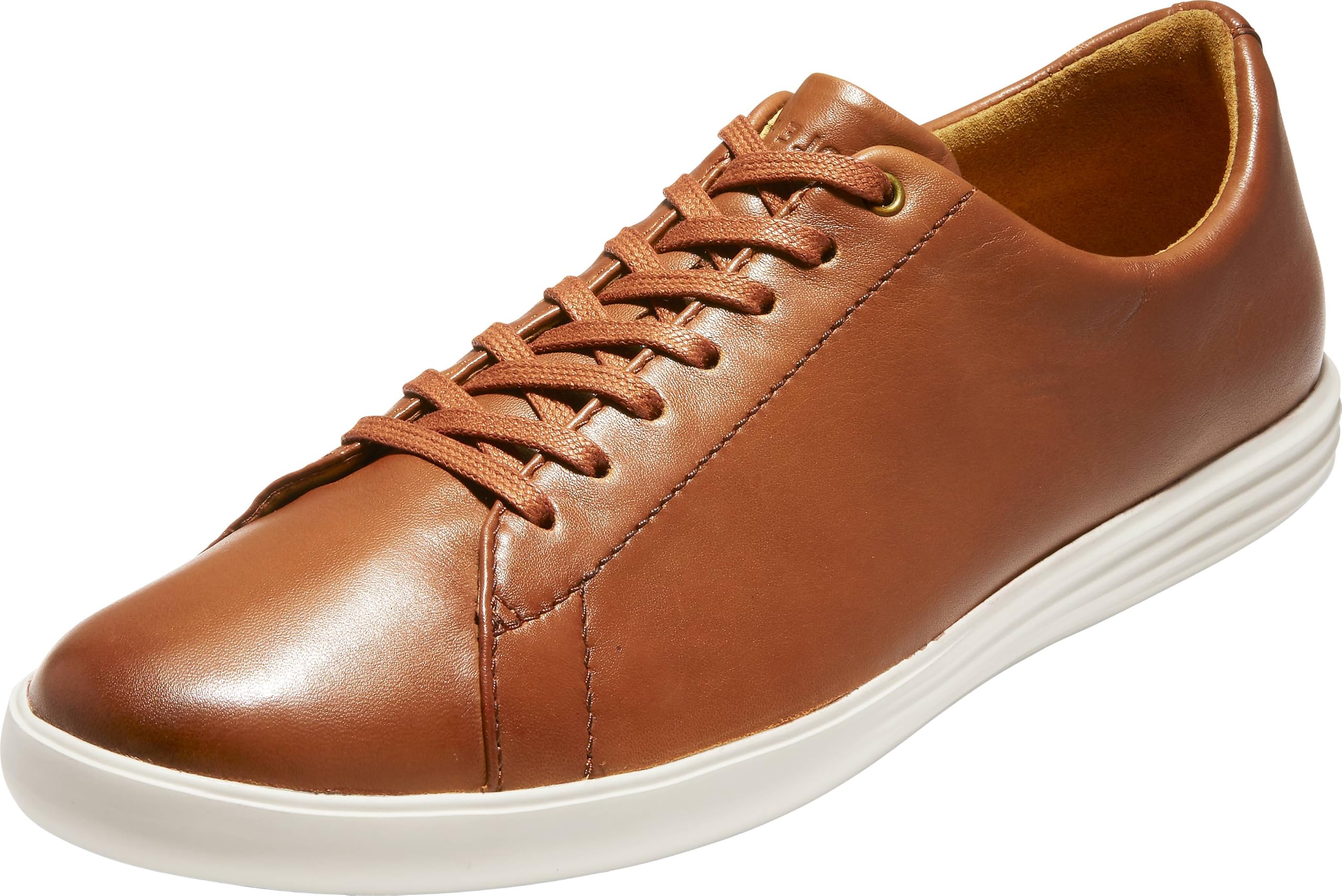
Leather walking shoes put a walking midsole under a leather or suede upper, so they pass in an office, a restaurant, or a wedding reception while still cushioning a long day. They run warmer, weigh more, and need occasional cleaning and conditioning, but one pair can cover the commute and the workday. Men who like a court shoe look can compare the best walking tennis shoes for men as a middle ground between sporty and smart.
Key Features to Check
Start with cushioning that stays springy after many miles and a grippy outsole for wet pavement and stairs, because those two strengths shape daily satisfaction more than minor extras. Press the midsole with a thumb: it should give and spring back, not feel like packing foam. Turn the shoe over and look for rubber across the heel and forefoot, not exposed foam, with small sipes or grooves that clear water.
Next, weigh breathability for warm city days, a heel counter that holds the foot steady, a toe box with room for natural spread, and a weight that feels light after a full day. A shoe that covers all six areas usually feels balanced, while a shoe that excels in one and ignores the rest frustrates over time. Rank the six features for your routine, then choose the pair that scores best on your top three.
- cushioning that stays springy after many miles
- a grippy rubber outsole for wet pavement and stairs
- a breathable upper for warm city days
- a heel counter that holds the foot steady
- a toe box with room for natural spread
- a weight that feels light after a full day
For how these features play out across brands and widths, our guide to the best walking shoes covers the broader market.
Fit and Sizing
Measure both feet late in the day, when they are at their largest, and fit the longer foot. Men's walking shoes often run in two or three widths, and a wide option solves more problems than a half size up, because going longer to get width leaves the heel loose. You want about a thumb width ahead of your longest toe, a heel that stays put when you walk up stairs, and no pressure across the ball of the foot.
After the shoes arrive, wear them indoors on a hard floor for an hour and then on one short walk before the return window closes. Note any hot spots at the heel, the little toe, or the top of the foot. Minor rubbing on day one usually becomes a blister on mile five, so treat it as a fit problem rather than something to break in.
Care and Everyday Use
Knock dried grit off the outsole, wipe knit and mesh uppers with a damp cloth, and let shoes air dry away from radiators, which can shrink uppers and weaken adhesives. Leather pairs need a brush, a wipe after rain, and conditioner every month or two in winter when road salt dries the hide. Pull the insoles out overnight after a sweaty day so the footbed dries fully.
Rotate two pairs if you walk daily. Foam needs a day to rebound between wears, and a second pair gives you a dry option after a wet commute. Replace insoles when they flatten, usually well before the upper wears out. For more on choosing by surface and season, see our guide to the best city walking shoes.
Common Mistakes to Avoid
The most common mistake is buying a fashion sneaker with a thin, flat sole for long city days, then blaming your feet for the ache that follows. The second is choosing by length alone when the real problem is width. A third is wearing a brand new pair on a full day of sightseeing instead of a few short walks first.
Men who walk in rain often make a fourth mistake: buying breathable mesh for a wet climate, or a fully waterproof shoe for a hot one. Match the upper to your weather, and keep a second pair for the other season rather than asking one shoe to do everything.
What Your Money Gets
Around $60 to $90 buys a competent knit or mesh walking shoe with basic foam cushioning and a rubber outsole, which suits short commutes and warm weather. The foam packs down sooner under daily mileage, so treat this tier as a backup pair or a travel pair.
Around $90 to $160 is where most daily walkers should shop. Cushioning holds its shape longer, heel counters are firmer, outsoles use better rubber, and widths become available. Leather uppers appear at the upper end of this tier. Above about $160 you are paying for premium leather, waterproof membranes, or a brand name, which helps only if your routine demands them. Older men who want extra stability and easy entry can see the fit notes in our guide to the best walking shoes for older men.
Frequently Asked Questions
What makes a city walking shoe different from a running shoe?
City walking shoes use a firmer heel, a rolling sole shape, and cushioning tuned for heel to toe walking rather than running impact. Running shoes often feel softer at first but can feel less stable over long walks and while standing. If most of your miles happen on pavement at a walking pace, a walking shoe usually feels steadier by the end of the day.
How much cushioning do I need?
Cushioning needs depend on your weight, walking distance, and joint comfort. Plush cushioning suits long days and hard pavement, while firmer cushioning gives more ground feel and stability. Walk in the shoes for at least ten minutes indoors, and notice whether your knees and feet still feel fresh.
Should city walking shoes be waterproof?
Waterproof shoes help in rain and wet streets, but they trap more heat in summer. Water resistant shoes often dry faster and breathe better for daily city use. Choose waterproofing when you walk in rain often, and choose breathable shoes when your city stays mostly dry.
How should city walking shoes fit?
They should leave about a thumb width ahead of your longest toe, hold your heel without slipping, and feel even across the foot. Try them late in the day, when feet tend to swell slightly, and wear your usual walking socks. Pressure on the toes or the top of the foot usually means the wrong size or width.
When should I replace walking shoes?
Replace them when tread wears smooth, cushioning feels flat, or the heel starts to tilt inward or outward. Many daily walkers replace shoes after about three hundred to five hundred miles, though weight and surface change that range. Soreness that appears only in old shoes often signals worn cushioning.
Final Thoughts
Measure both feet, rank the six features for your routine, and compare a short list before you order. The best city walking shoes for men should feel comfortable on a hard floor from the first wear, grip wet pavement, and still look right where your day ends. The product table above gives a useful starting point, and the sections in this guide give you a clear way to judge each option. If pain or a health concern persists, talk with your clinician before you rely on a new pair.


