
Best City Shoes: Budget, Midrange, and Premium Picks for 2026
Disclosure: We may earn a commission when you buy through links on this page, at no extra cost to you. As an Amazon Associate I earn from qualifying purchases. Learn more

Compare the best city shoes at every price point. Learn what you get at budget, midrange, and premium levels and where spending more pays off for you.
City shoes span a very wide price range, and a higher price does not always buy more comfort for your actual streets and schedule. The best city shoes for you depend on how far you walk, what surfaces you cross, and how polished the shoe needs to look at your destination.
This guide sorts spending by tier so you can see what each level usually delivers and where extra money truly helps. Use the comparison table below after you read the tiers, and judge each shoe against your daily distance first.
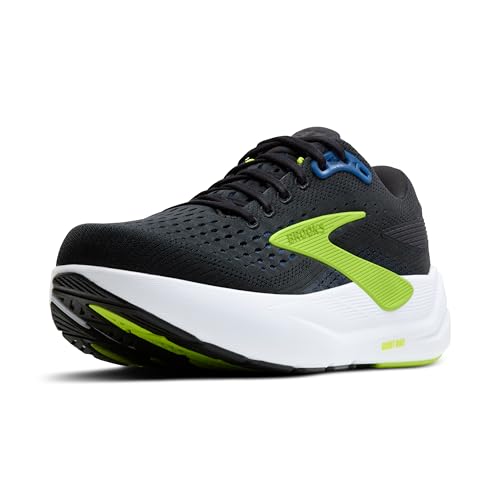
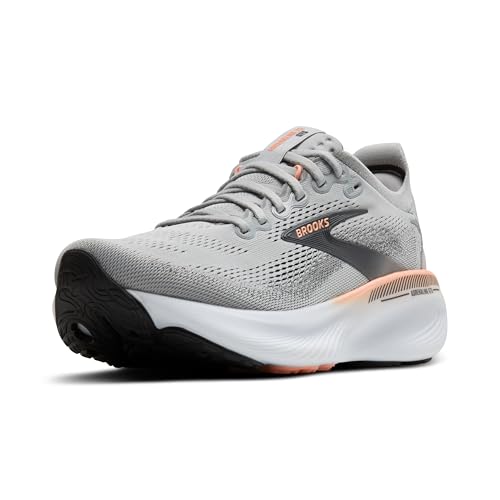
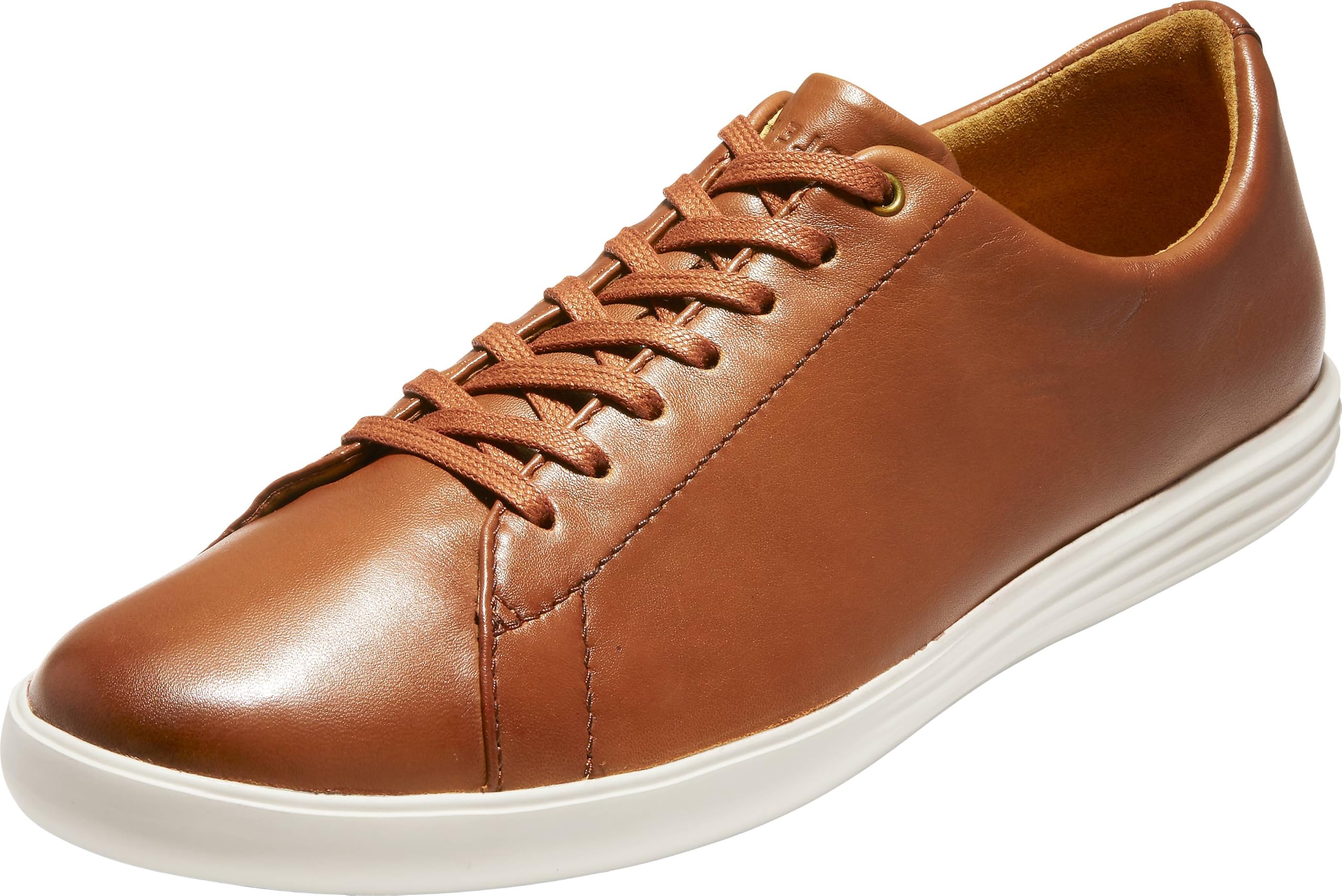


Choosing by Budget: Three Price Profiles
Use these profiles as a way to shop by outcome rather than by a single product name. Each profile describes who it suits, what strengths to demand, and what limit to accept before you move up a tier.
Budget Profile
The budget profile suits walkers who cover short to moderate distances and need a presentable shoe for errands, commuting, or casual office days. Demand a cushioned midsole, a roomy toe box, and an outsole with real tread for wet pavement, even at a low price near about $50 to $90. Accept simpler materials and a shorter lifespan. The main limit is durability, because softer foams and thinner uppers tend to pack down sooner under daily city mileage.
Midrange Profile
The midrange profile is the right target for most daily walkers who spend about $90 to $160. Expect better cushioning that holds its shape longer, stronger stitching, improved arch support, and uppers that handle light rain and repeated flexing without cracking early. This tier often gives the best balance of comfort, looks, and cost per wear. Its limit is that premium leather, advanced waterproof membranes, and very light builds usually remain a step above.
Premium Profile
The premium profile suits high mileage walkers, travelers who walk all day in one pair, and buyers who need a refined look with real walking comfort at about $160 to $250 or more. Demand durable leather or high quality engineered uppers, stable cushioning, and replaceable or long lasting outsoles. The gain is longevity and finish, not magic comfort for every foot. If the fit is wrong, a premium price will not fix heel slip, toe pressure, or arch pain.
What Your Money Gets You at Each Price Tier
Budget Tier: What to Expect
Budget city shoes usually deliver basic foam cushioning, synthetic or fabric uppers, and adequate grip for dry to damp sidewalks. They work well for short commutes, occasional walking tours, and as a backup pair. Trade offs appear in wet weather grip, long day support, and how quickly the midsole loses spring. If you walk more than about five miles a day most days, budget pairs often become a false economy because you will replace them sooner.
Midrange Tier: The Sweet Spot for Most Buyers
Midrange shoes add denser cushioning, better heel counters, and more thoughtful shaping around the arch and toes. Uppers resist scuffs better, linings manage moisture better, and outsoles use rubber compounds that grip wet stone and transit floors more securely. For most commuters and travelers, the best city shoes in this tier give the lowest cost per comfortable wear. It is also where you start to find wide sizes and more refined styles that pass in smarter settings without looking like athletic shoes.
If walking is your main use, see our guide to the best city walking shoes for distance focused fit advice that pairs well with this price guide.
Premium Tier: When Spending More Pays Off
Premium spending pays off when it buys fit options, durable materials, and construction you will use for years. Full grain leather that can be conditioned, waterproof membranes that are properly sealed, and stable midsoles that resist twisting all justify cost for heavy use. It does not pay off when the extra charge is mainly for fashion branding or a stiff sole you will dislike on hills and stairs. Judge premium shoes by materials and fit, never by price alone.
Features Worth Paying For and Ones to Skip
Weight and Flexibility
A lighter shoe reduces leg fatigue on long days, but too little structure can leave your feet working harder on uneven pavement. Look for a shoe that flexes at the toes where your foot bends and stays firm through the midfoot. Pick the shoe up and twist it gently. If it folds easily in the middle like a slipper, it may lack the stability you need for longer city walks and crowded transit days.
Durability and Expected Lifespan
For cushioned walking shoes, many buyers see useful life near 300 to 500 miles before cushioning feels flat, even if the upper still looks fine. Leather city shoes can last longer with care and resoling on some constructions, but their foam comfort layers still age. Track your weekly mileage and press the heel foam with a thumb each month to feel how it rebounds. When recovery feels slow and aches increase, start shopping before the old pair hurts you.
Fit, Sizing, and Toe Box
Measure and try shoes late in the day, when feet are at their largest from walking and standing. You want about a thumb width of space in front of your longest toe, no pressure across the widest part of the foot, and a heel that stays put without tight lacing. A roomy toe box helps on long days because toes swell. If one foot is larger, fit to that foot and use an insole or lacing pattern to secure the smaller side.
Men comparing fits for longer routes can also see our guide to the best city walking shoes for men for sizing notes by use case.
Waterproofing
Waterproof membranes such as Gore Tex help in rainy cities, on slushy streets, and during travel when you pack only one pair. The trade off is breathability, because a membrane that blocks rain also slows heat and moisture escape on warm days. If your city is mostly dry, a water resistant treated upper may be enough and will feel cooler. If you often arrive with wet socks, pay for true waterproofing and pair it with wool blend socks.
For warm weather trips where a closed shoe feels too hot, see our guide to the best city sandals and compare open designs for short distance days.
Long Term Costs to Factor In
The purchase price is only part of what a city shoe costs you. Add replacement insoles at about $20 to $50 if you upgrade support, waterproofing sprays or leather conditioner, and eventual replacement when cushioning dies. A midrange shoe that lasts a full year of daily walking often costs less per wear than a budget shoe replaced three times. Warranty and return policies matter too, especially for fit. A generous trial window can save you the full price of a shoe that fails on day three.
A practical point is to rotate two pairs if you walk daily. Foam needs time to rebound between wears, and uppers need time to dry. Rotation can extend the useful life of both pairs and gives you a dry option after a rainy commute.
City Shoes: Your Questions Answered
How should city shoes fit?
City shoes should feel secure at the heel, roomy at the toes, and free of pressure points from the first try on. Leave about a thumb width ahead of your longest toe and lace so the midfoot feels held without numbness. Walk on a hard floor, not just carpet, and try a slope if the shop allows. A shoe that needs a long break in period to stop hurting is usually the wrong size or shape.
Can I wear them all day?
Yes, you can wear well fitted city shoes all day if the cushioning, arch support, and toe room match your mileage. Start with a shorter day before a full travel day so you can spot hot spots early. Carry a thin spare pair of socks on long days, because a dry sock change can prevent blisters and restore comfort. If pain builds in the arch or heel, stop increasing distance and reassess fit and support.
Do I need waterproof shoes?
You need waterproof shoes if you regularly walk in rain, snow melt, or puddled streets and cannot change shoes at your destination. You may not need them in a dry climate or for short car based errands, where breathability matters more. Remember that waterproof shoes can still let water in over the collar in deep puddles. For heavy rain, pair a waterproof shoe with pants that shed water away from the opening.
How long is the break in period?
Most cushioned city shoes should feel comfortable within a few short wears, while stiffer leather styles may need one to two weeks of gradual use. Wear new shoes indoors first, then for short walks, and watch for rubbing at the heel and toes. Pain, blisters, or numbness are not normal break in signs. Those signals mean the shape does not suit your foot and more time is unlikely to solve the problem.
Are expensive city shoes worth it?
Expensive city shoes are worth it when the extra cost buys better fit options, durable uppers, stable cushioning, and a finish you need for work or travel. They are not worth it when the premium is only a logo or a stiff fashion sole. Compare cost per wear instead of shelf price. A shoe worn 200 days can be good value at a high price, while a rarely worn pair rarely is, at any tier.
Our Verdict
For most buyers, the midrange tier gives the best mix of comfort, durability, and looks, while budget suits light use and premium suits high mileage or refined needs. Fit, toe room, and wet grip should outrank brand and price every time. Check the product table above to compare the best city shoes by tier, try your finalists late in the day, and choose the pair you can imagine wearing for your longest normal city day without a second thought.


