
Best Citronella Candles: A Buying Guide for Outdoor Spaces
Disclosure: We may earn a commission when you buy through links on this page, at no extra cost to you. As an Amazon Associate we earn from qualifying purchases. Learn more

There's nothing that ends a relaxed evening on the deck faster than the whine of a mosquito circling your ear. It's the reason so many people reach for citronella candles the moment the sun starts to go down and the bugs come out. But not every candle labeled "citronella" delivers the same protection, and buying the wrong one usually means paying for scented wax that does almost nothing against bites. This guide breaks down what actually separates an effective candle from a purely decorative one, how burn time and coverage work in real outdoor conditions, and what to keep in mind if kids or pets will be nearby while it's lit.
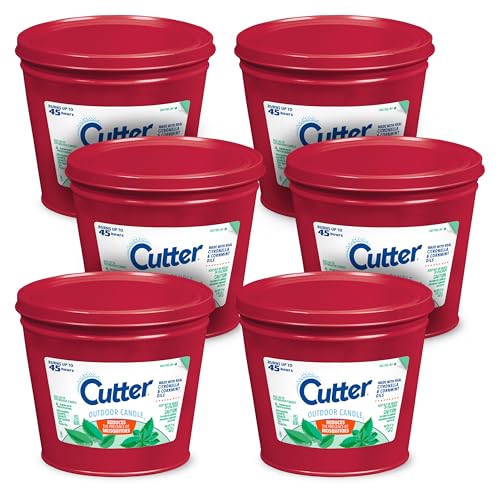
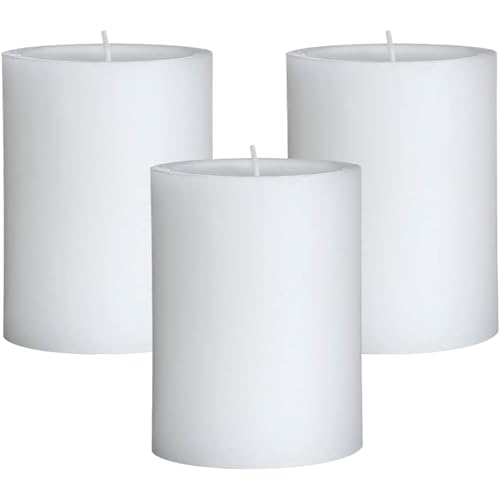

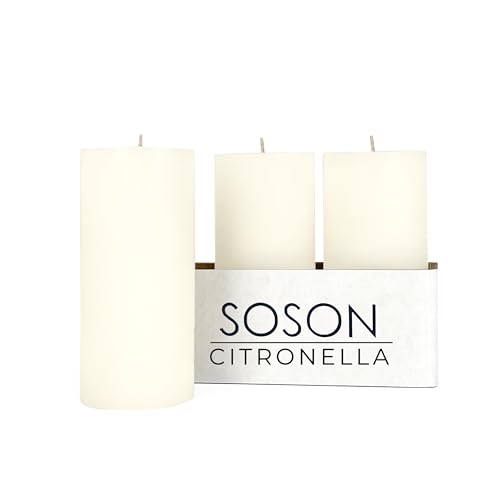

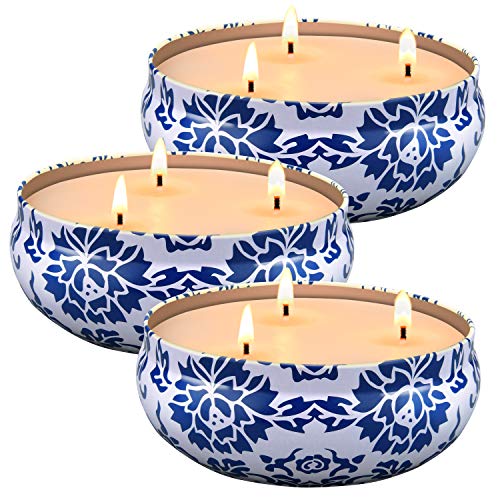


Real Citronella Oil vs. Synthetic "Citronella Scent": Why the Label Matters
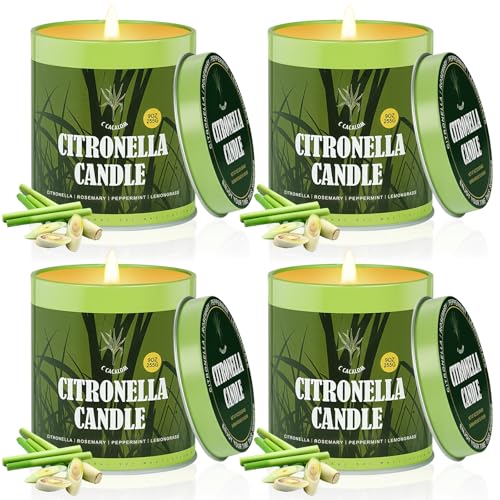
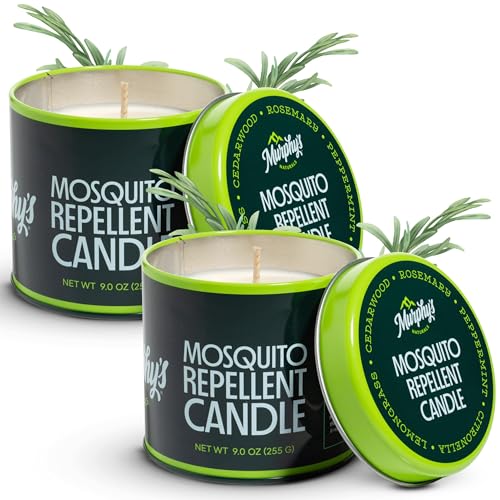
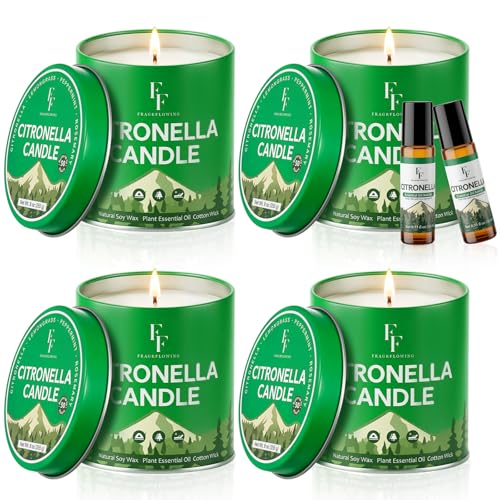
Not every candle that smells like citronella actually contains it. Plenty of budget options are made with a synthetic fragrance oil designed to mimic the scent, without any of the plant compounds that give real citronella its repellent properties. That distinction matters more than the price tag or the size of the jar, because a candle that only smells right won't do much once the sun goes down and the bugs show up.
What "Citronella Fragrance" on the Label Actually Means
When a label says "citronella fragrance" or simply "fragrance oil" without naming an actual oil, it's usually a synthetic blend built to smell close to the real thing. These blends can be pleasant, but they lack the natural compounds, mainly citronellal and geraniol, that make citronella oil useful as an insect deterrent in the first place. A candle built entirely on fragrance oil is essentially a scented candle with a citrus theme, not a functional outdoor tool.
How to Read the Ingredient List Before You Buy
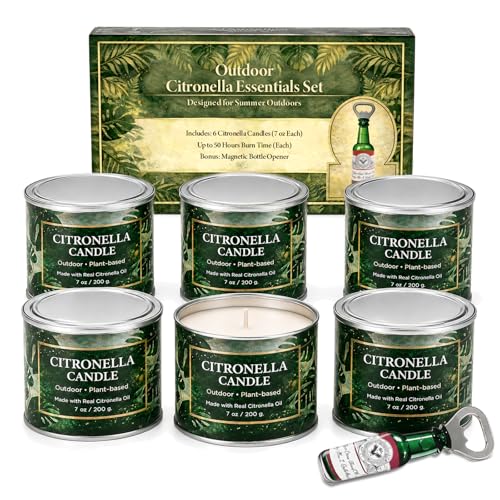
Look for "citronella oil" listed directly among the ingredients, sometimes alongside its botanical name. Candles that pair citronella with other essential oils, such as lemongrass, cedarwood, or peppermint, tend to perform a bit better than single-note versions, since the combined scent profile is harder for insects to tune out. If a product page or label can't tell you whether real oil is inside, that's usually a sign it isn't.
Wax type plays a role here too, even if it's easy to overlook. Soy and beeswax blends tend to burn a bit cooler and slower than plain paraffin, which means the oil releases more gradually instead of burning off too fast in the first hour. That steadier release is part of why some candles seem to hold their scent longer than others, even when the listed oil content is similar on paper.
Burn Time and Effective Range: What to Expect Outdoors
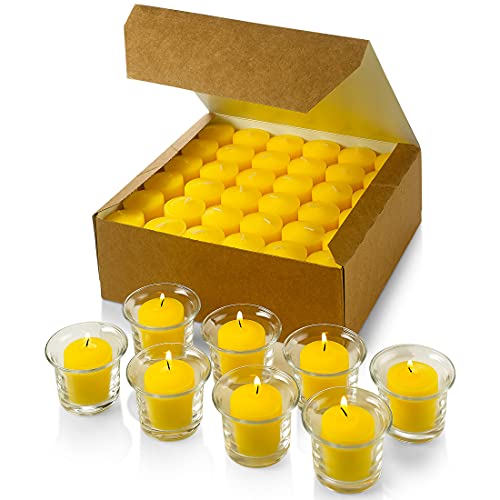
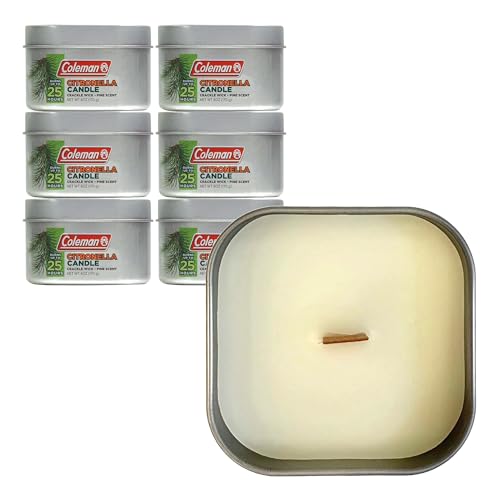
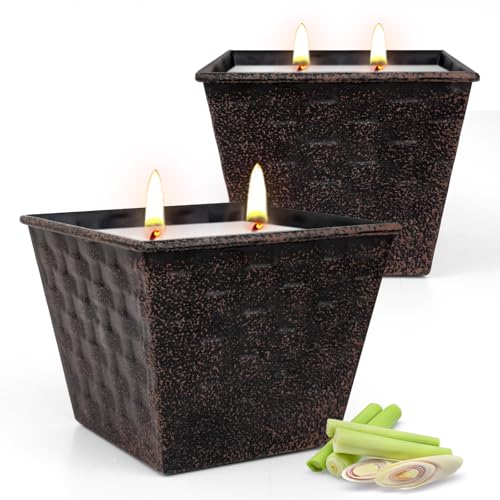
Burn time and coverage area go hand in hand, and both depend heavily on candle size. Smaller tins and votives typically burn for somewhere around 10 to 15 hours, while larger jar candles with more wax volume can run 25 to 30 hours or more. Multi-wick bucket-style candles built for bigger gatherings often last the longest, but they also burn faster in windy conditions since more flame surface is exposed to moving air.
Matching Candle Size to How Long You'll Be Outside
A small tin is fine for a quick dinner on the patio, but it won't hold up through a full evening of entertaining. If you're planning to be outside for several hours, a larger single-wick jar or a multi-wick option gives you more margin without needing to swap candles halfway through the night.
How Far the Scent Barrier Really Reaches
Most standard citronella candles create a protective zone of only a few feet in diameter, and that radius shrinks further in open air or breezy conditions. Larger, multi-wick candles extend that range somewhat, but even then, a single candle rarely covers more than one seating cluster. For a yard that's simply too large for candles alone to handle, many people pair them with a bug zapper set up away from the seating area to catch what the candles miss.
Placement That Works With Outdoor Air, Not Against It
Citronella candles rely on their scent spreading through the air around you, which means wind is either their best friend or their biggest obstacle. A steady breeze can carry the scent well beyond your seating area and dilute it before it does any good. Planning where and how many candles you use around your patio or deck goes a long way toward making the setup actually effective, especially on evenings when you're hoping to stretch the gathering later into cooler hours with something like a patio heater keeping everyone comfortable.
Beating Wind on an Open Deck or Patio
Placing candles low, near ankle height, and tucking them into sheltered corners or against a windbreak helps keep the scent concentrated where people are actually sitting rather than blowing off into the yard. Lanterns or enclosed holders can also help shield the flame and slow how quickly the wax burns down on a gusty evening.
When One Candle Isn't Enough
For a larger patio or a bigger group, one candle per table, or one placed every four to five feet along a railing, keeps coverage more consistent than relying on a single large candle in the middle of the space. If you're hosting a bigger gathering, layering candles with a proven bug repellent applied directly to skin closes the gaps that candles alone can't cover, especially for guests seated farther from the flame.
Keeping Things Safe Around Kids, Pets, and Open Flame
Because citronella candles are, first and foremost, an open flame, safety considerations matter just as much as effectiveness. Good ventilation, sensible placement, and a bit of common sense around curious hands and paws make the difference between a relaxing evening and an avoidable accident.
Ventilation and Where Not to Place a Lit Candle
These candles are meant for open, well-ventilated outdoor spaces, not enclosed porches or screened-in areas with poor airflow. Keep them away from doorways, windows, and anywhere smoke could drift indoors. Set them on stable, heat-resistant surfaces well out of reach of small children who might grab at the flame or knock the container over.
It also helps to think about traffic patterns around your seating area before you light anything. A candle placed right next to a walkway or a spot where kids tend to run between the yard and the house is far more likely to get bumped than one tucked toward the back of a table. A few extra feet of clearance costs nothing and removes most of the risk.
What to Watch for With Curious Pets
Dogs and cats are naturally curious about anything burning or fragrant, and both the flame and the smoke can be a problem for them. Direct exposure to smoke can irritate a pet's airways, and knocked-over candles pose a burn risk to paws and fur. For households with pets that tend to get too close to an open flame, a flameless outdoor candle can provide similar ambiance without the burn risk, letting you reserve real citronella candles for areas your pets simply can't reach.
Frequently Asked Questions
Do citronella candles actually keep mosquitoes away?
They can help, but mostly at close range and only when made with a meaningful amount of real citronella oil. Candles relying on synthetic fragrance offer little to no repellent effect, so results vary a lot between products.
How many citronella candles do I need for a patio?
A single candle usually covers one small seating area. For a larger patio, plan on one per table or one every four to five feet along the space you want protected.
Does wind reduce how well citronella candles work?
Yes. Wind disperses the scent faster and can pull it away from where people are sitting, which is why sheltered placement matters more outdoors than it would indoors.
Are citronella candles safe to use around dogs and cats?
They can be, as long as pets can't reach the flame and the area stays well ventilated. Some pets are sensitive to smoke or fragrance, so it's worth watching for signs of irritation.
How long does a typical citronella candle last once lit?
It depends on size. Small tins often burn for around 10 to 15 hours total, while larger multi-wick candles can last well beyond that, though wind and outdoor conditions shorten burn time.
Can citronella candles be used safely around children?
Yes, with normal open-flame precautions. Keep candles on stable surfaces out of reach, and never leave a lit candle unattended near kids playing nearby.
What's the real difference between citronella oil and a citronella-scented candle?
Citronella oil is the actual plant extract responsible for any repellent effect. A "citronella-scented" candle may only use fragrance oil designed to smell similar, without delivering the same benefit.
Setting Realistic Expectations
Citronella candles work best as one layer of a broader approach to keeping bugs away from your outdoor space, not a standalone solution. Choosing a candle with real oil content, sizing it to how long you'll actually be outside, and placing it thoughtfully against the wind will get you noticeably better results than grabbing whatever's cheapest at the store. Pair that with sensible placement around kids and pets, and citronella candles can genuinely earn their spot on the patio table.