
Best Bug Repellent: How to Choose the Right One for You
Disclosure: We may earn a commission when you buy through links on this page, at no extra cost to you. As an Amazon Associate I earn from qualifying purchases. Learn more

Nothing ruins a backyard barbecue or a quiet evening on the porch faster than the whine of a mosquito circling your ankles. One bad bite can itch for days, and in many parts of the country a single tick can pass along a lot more than an itch. Finding the best bug repellent for your family, your yard, or your next camping trip is not as simple as grabbing the first spray can off the shelf. Active ingredients, protection windows, and skin sensitivities all matter, and the right pick depends on where you live and which pests you are dealing with. This guide walks through what to look for, the main types on the market, how to apply repellent correctly, and a few mistakes worth avoiding before you head back outside.




What to Look for in a Bug Repellent
Picking a bug repellent gets much easier once you know which features actually matter and which are just marketing. A handful of factors separate a product that genuinely keeps pests away from one that fades after twenty minutes. Here is what to check before you buy.
Active Ingredient and EPA Registration
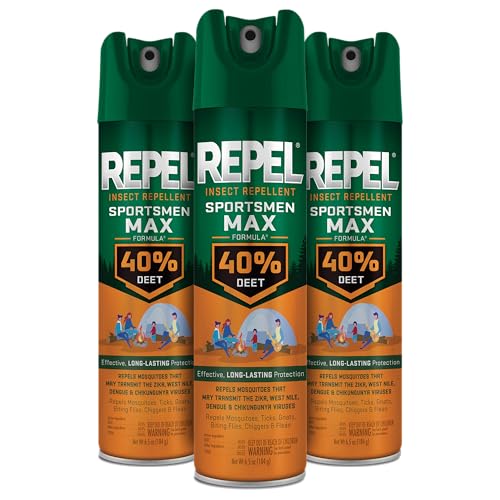
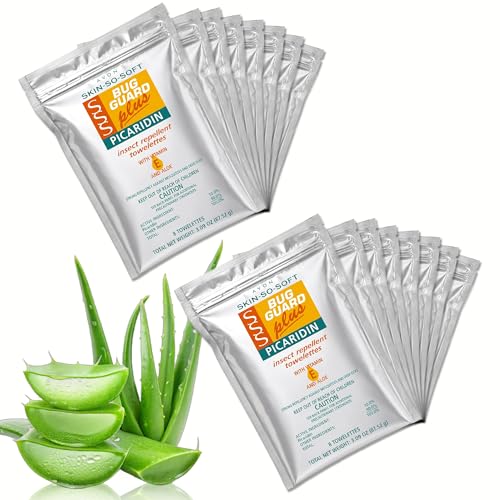
The active ingredient does the real work, so start there. DEET has decades of research behind it and remains the benchmark for broad protection against mosquitoes and ticks. Picaridin offers similar effectiveness with a lighter feel on skin and less odor, while IR3535 and oil of lemon eucalyptus are solid alternatives for people who prefer something gentler. Look for products registered with the Environmental Protection Agency, since that registration means the formula has been tested for both safety and effectiveness.
Protection Time and Reapplication
Concentration affects how long a repellent lasts, not necessarily how well it works. A lower concentration of an active ingredient might protect you for two hours, while a higher concentration of that same ingredient can stretch coverage to six or eight hours. Match the concentration to your plans; a quick evening walk needs less than a full day of yard work or a weekend hike.
Target Pests: Mosquitoes, Ticks, and Gnats
Not every repellent handles every pest equally well. Some formulas lean heavily toward mosquito protection but do little against ticks, which matters a great deal if you spend time in tall grass or wooded trails. Check the label for the specific pests it claims to repel rather than assuming one product covers everything that bites.
Skin Sensitivity and Formula Type
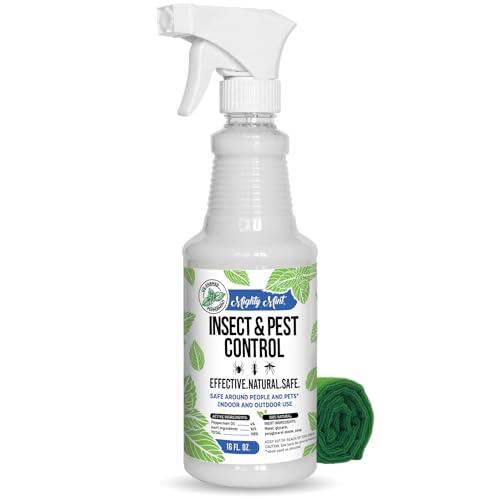
People with sensitive skin, young children, or fragrance allergies often do better with lotions or wipes than with heavily scented sprays. A natural insect repellent made with essential oils can feel gentler, though it typically needs more frequent reapplication than synthetic formulas. Always patch test a new product on a small area of skin before applying it everywhere.
Weather and Water Resistance
Sweat and water wash repellent away faster than most people expect. If you plan to swim, hike in humid weather, or spend the day working outside, look for a formula described as sweat or water resistant, and plan to reapply sooner than the label suggests once you towel off.
Types of Bug Repellents Explained
Bug repellents come in several formats, and each one suits a different situation. Knowing the strengths of each type helps you build the right combination for your household.
Spray and Aerosol Repellents
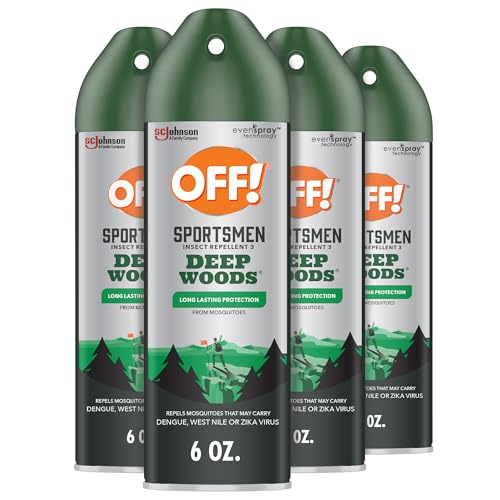
Sprays are the most common format because they cover skin and clothing quickly and evenly. Pump sprays give you more control over placement, while aerosols disperse faster but can be harder to apply precisely on a windy day.
Lotions and Creams
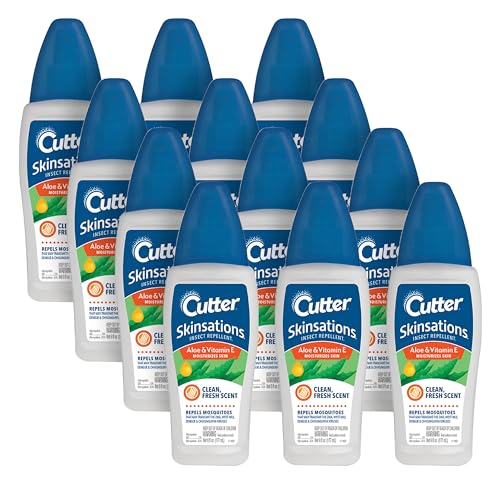
Lotions spread evenly, sit closer to the skin, and tend to release less into the air, which many parents prefer for kids. They usually take a bit longer to apply than a spray, but the tradeoff is a more even, controlled layer of protection.
Wearable Repellents
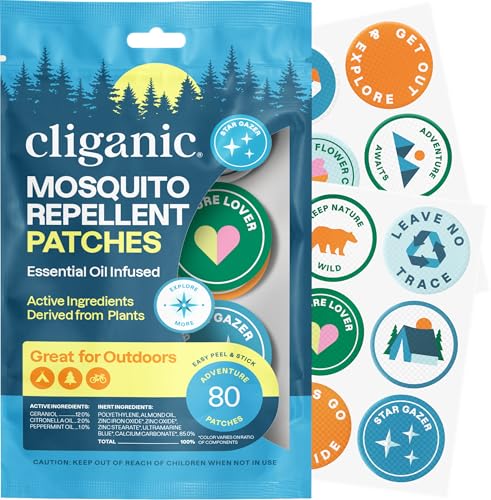
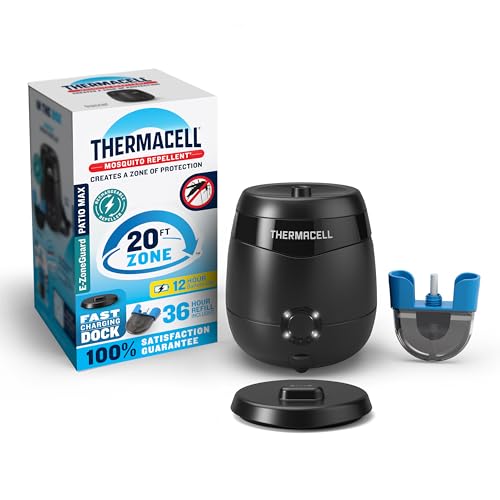
Clip on diffusers, bracelets, and small fans that disperse repellent vapor appeal to people who dislike putting anything on their skin. These work best in still air and lose effectiveness quickly outdoors in any breeze, so treat them as a supplement rather than your main line of defense.
Candles, Coils, and Area Repellents
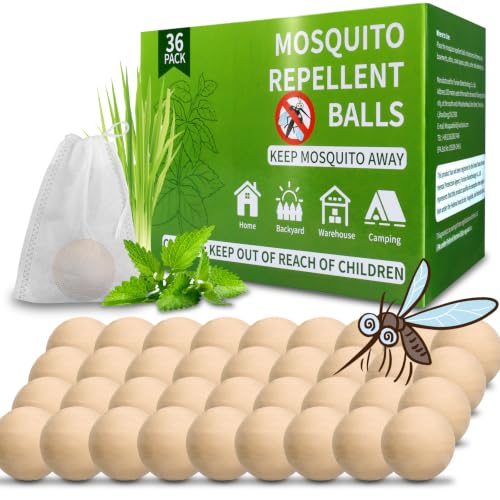
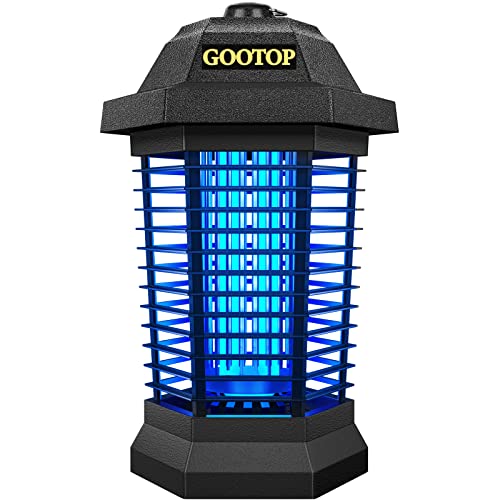
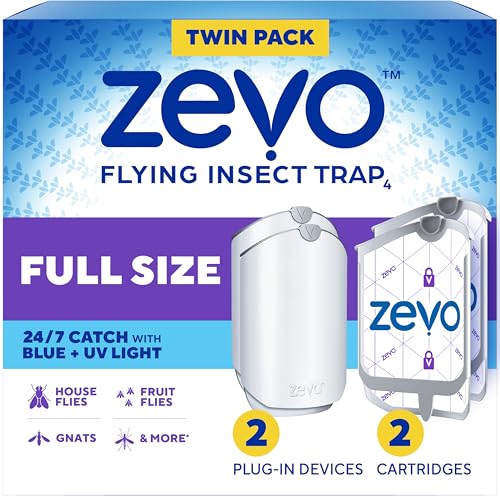
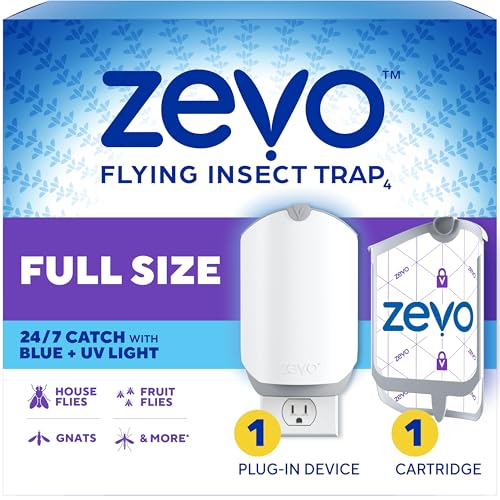
Citronella candles, coils, and plug in diffusers treat a general area instead of your body directly. They can help around a patio table or campsite, but their coverage shrinks in open air or windy conditions, so pair them with a personal repellent for real protection.
Clothing Treatments
Products built around permethrin are applied to fabric rather than skin and bind to clothing through multiple washes. This makes them a strong option for hikers, campers, and anyone spending long stretches in tick heavy areas, since treated clothing keeps working even as skin repellent wears thin.
How to Use Bug Repellent Properly
Even the right bug repellent underperforms if it goes on the wrong way. A few simple habits make a real difference in how well it protects you through the day.
- Apply repellent to exposed skin and clothing, avoiding eyes, mouth, cuts, and irritated skin.
- If you are also wearing sunscreen, apply sunscreen first and let it absorb before adding repellent on top.
- Reapply after swimming, heavy sweating, or towel drying, even if the label's time window has not passed yet.
- Spray clothing and gear separately from skin for extra coverage in high risk areas like tall grass or brush.
- Wash treated skin with soap and water once you are back indoors for the night.
Common Mistakes to Avoid
A surprising number of people undermine their own protection through small, avoidable habits. Watch for these before your next trip outside.
- Over applying repellent, which wastes product without extending protection time.
- Spraying directly onto the face instead of misting hands first and wiping it on carefully.
- Assuming a tick repellent also handles mosquitoes, or vice versa, without checking the label.
- Skipping a patch test and discovering a skin reaction only after a full application.
- Using area repellents like candles as the only line of defense during an active outdoor evening.
- Letting repellent sit unused for years past its expiration date, since active ingredients do break down over time.
Frequently Asked Questions
What is the most effective bug repellent?
Products containing DEET or picaridin at moderate to higher concentrations consistently perform best in independent testing against both mosquitoes and ticks. The right choice still depends on how long you need protection and how sensitive your skin is.
Is DEET or picaridin better?
Both are highly effective and backed by solid research. DEET has a slightly longer track record and broader pest coverage, while picaridin tends to feel lighter on skin and has less odor, so the better option often comes down to personal preference.
Do natural bug repellents actually work?
Plant based formulas using oils like lemon eucalyptus or citronella can offer real protection, but they typically wear off faster than synthetic options and need more frequent reapplication. They work best for short outings rather than an entire day outdoors.
What percentage of DEET should you look for?
Higher percentages extend protection time rather than making the repellent more powerful. A concentration in the 20 to 30 percent range covers most everyday needs, while shorter outings can get by with less.
Is bug repellent safe for babies and pregnant women?
Most major health organizations consider EPA registered repellents safe for pregnant women when used as directed, though products are generally not recommended for infants under two months old. Always check the label and consult a doctor with specific concerns.
Do bug repellent bracelets and wearables work?
Wearable devices offer limited protection at best, especially outdoors where wind quickly disperses the vapor they release. They can be a reasonable supplement but should not replace a repellent applied directly to skin or clothing.
Does bug spray expire?
Yes, active ingredients break down over time, and a can left in a hot garage for several summers may not perform as advertised. Check the expiration date on the label and replace old stock before a season that matters, like a big camping trip.
Final Thoughts
The right bug repellent comes down to matching the active ingredient, format, and protection window to how you actually spend time outdoors. A family cookout calls for something different than a multi day backpacking trip through tick country, and there is no single formula that covers every situation perfectly. Keep a couple of options on hand, a spray or lotion for daily use and a clothing treatment for longer excursions, and reapply according to your activity rather than the clock alone. With the right combination in your bag, mosquitoes and ticks become a minor inconvenience instead of something that cuts your evening short.


