
Best Outdoor Flameless Candles: A Weatherproof Buying Guide
Disclosure: We may earn a commission when you buy through links on this page, at no extra cost to you. As an Amazon Associate we earn from qualifying purchases. Learn more

A candle that looks perfect on the porch table one evening can be a soggy mess of melted wax and a dead battery compartment the next morning after a surprise rain shower. That is the real challenge with outdoor lighting: a patio, deck, or backyard throws sun, wind, and moisture at anything you set down, and most candles simply were not built for it. The best outdoor flameless candles are designed specifically to survive those conditions without fading, tipping over, or shorting out. This guide walks through what actually separates a candle rated for outdoor use from one that just happens to be sold near the patio furniture, so you know exactly what to check before you buy.
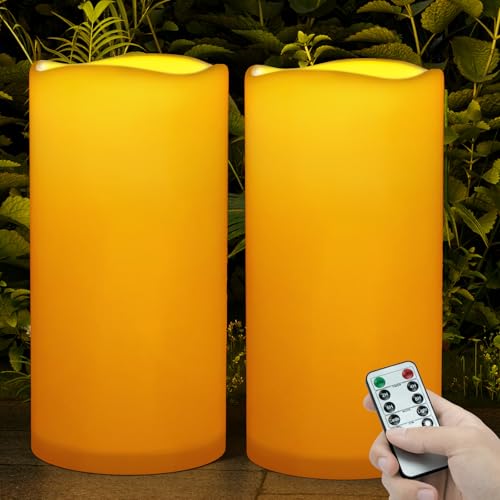
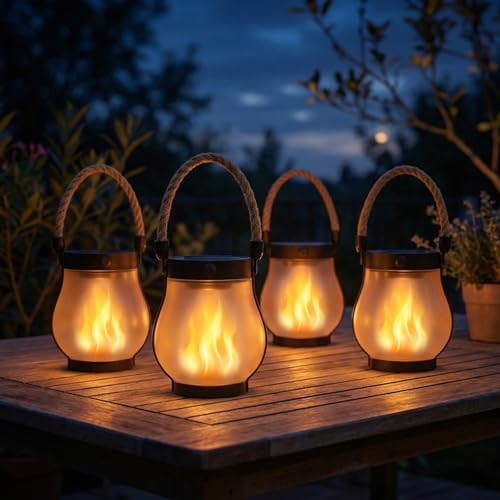
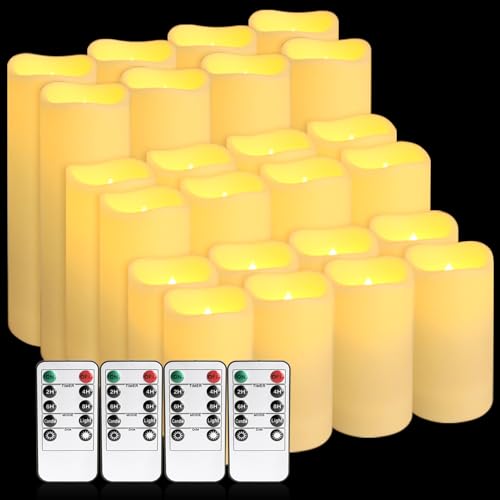

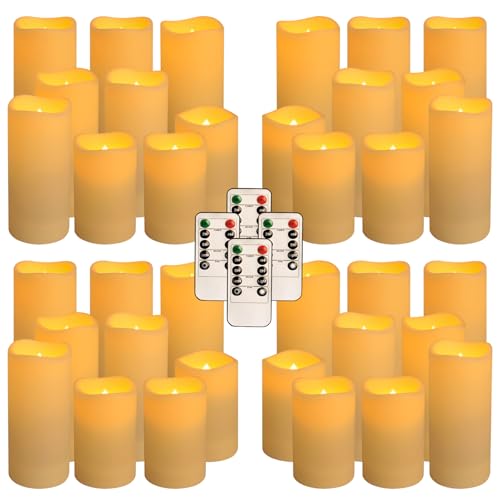
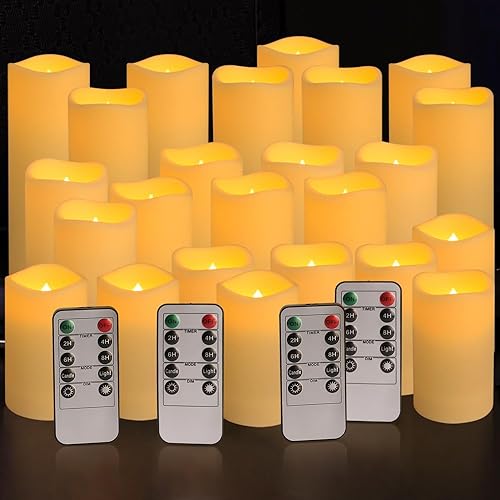
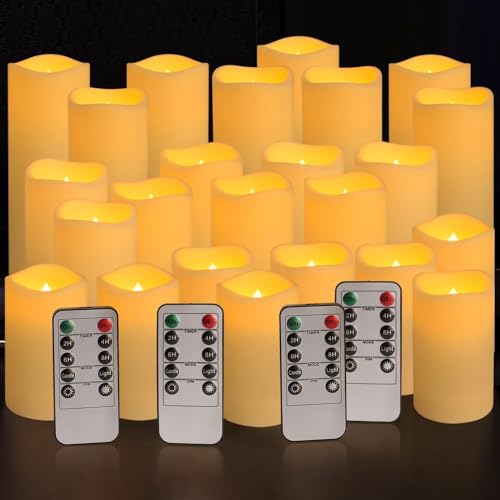
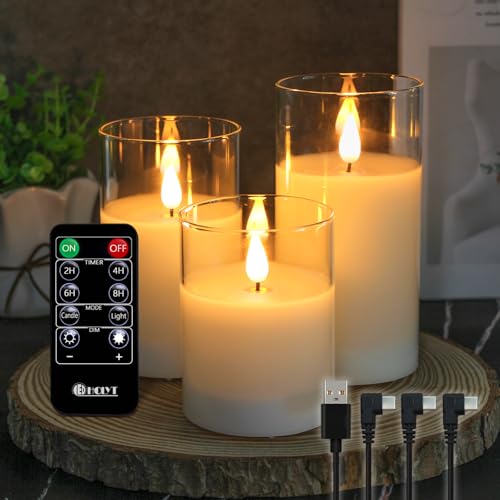
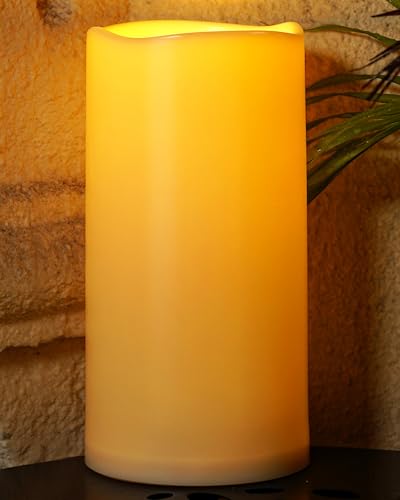


Weatherproofing and IP Ratings: Water Resistant Is Not the Same as Waterproof
This is the single most important thing to get right, and it is also the spot where a lot of buyers get burned. Plenty of candles marketed as outdoor-friendly are only splash resistant, meaning they can handle a light mist but not standing water or a real downpour. Sellers often use "water resistant" and "waterproof" as if they mean the same thing, and they do not.
What an IP Rating Actually Tells You
An IP rating is a two-number code that spells out exactly what a device is protected against, and for outdoor candles the second digit (water protection) matters most. A rating in the IPX4 to IP54 range typically means the candle can handle splashing rain from any direction, while lower ratings only cover light moisture. If a listing does not mention an IP rating at all, treat that as a warning sign rather than an oversight.
Why the Battery Compartment Is the Weak Point
Even a candle with a solid weatherproof shell can fail if the battery door is not properly sealed. Look for a screw-in or gasketed compartment rather than a simple snap-open lid, and avoid setting any waterproof flameless candles in a spot where rainwater can pool underneath, since standing water finds its way in far more easily than falling rain does. Getting this detail right is usually what separates outdoor flameless candles that survive a full season from ones that die after a single storm.
Materials That Handle Sun, Heat, and Weather Swings
Real wax was never meant for direct sun. It softens, sweats, and eventually warps out of shape once temperatures climb, which is a big part of why people move to flameless options for outdoor spaces in the first place. A quality outdoor flameless candle uses UV-stable resin or ABS plastic instead, which holds its color and shape through repeated hot afternoons without cracking or going chalky. Cheaper plastics can still fade or become brittle after a season or two of full sun, so it is worth checking whether a listing specifically claims UV resistance rather than just "outdoor use." Temperature swings matter too, since a candle that spends all day baking on a south-facing deck and then cools overnight needs a body that can expand and contract without stress cracks forming around the seams.
Keeping Candles Steady When the Wind Picks Up
Flameless candles solve the obvious wind problem since there is no actual flame to blow out, but a gust can still knock a lightweight candle clean off a table or railing. Stability becomes a design question rather than a fire-safety one.
Weighted Bases and Wide Footprints
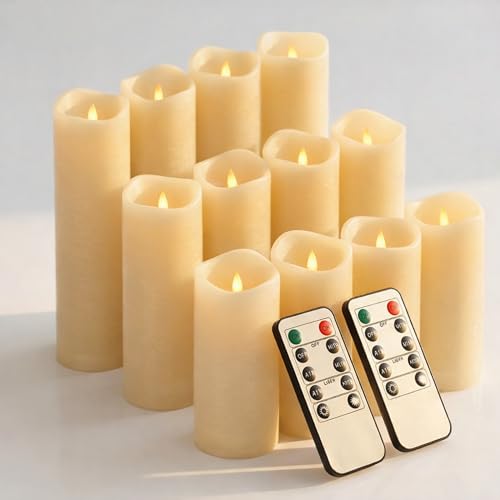
A wider base or a small amount of added weight at the bottom keeps a candle planted through normal breezes. Thin, tall pillar shapes with a narrow footprint are the most prone to tipping, so if your patio or deck tends to catch wind, favor shorter, broader designs or plan to anchor them another way.
Lanterns, Hurricanes, and Mounted Options
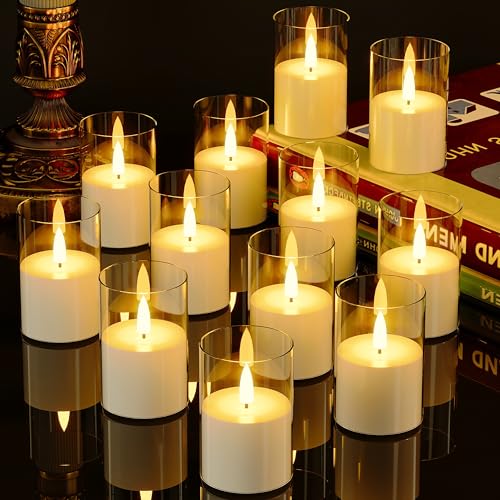
Setting a flameless candle inside a hurricane glass or lantern adds weight and wind protection at the same time, and it is a common pairing you will see in outdoor product listings for exactly that reason. Some candles are also sized to fit into wall sconces or hanging fixtures, which removes the tipping risk entirely by taking the candle off a flat surface altogether.
Battery Life, Solar Charging, and Runtime Outdoors
Outdoor use tends to be harder on batteries than indoor use, partly because cold evenings drain power faster and partly because outdoor candles often stay lit longer at a stretch, whether for a dinner party or an all-night event.
Battery-Powered Models
Standard AA or C battery models can run for hundreds of hours on a single set, and a built-in timer is especially useful outdoors since it lets you set candles to switch on at dusk and off a few hours later without anyone remembering to walk out and flip a switch.
Solar-Powered Models
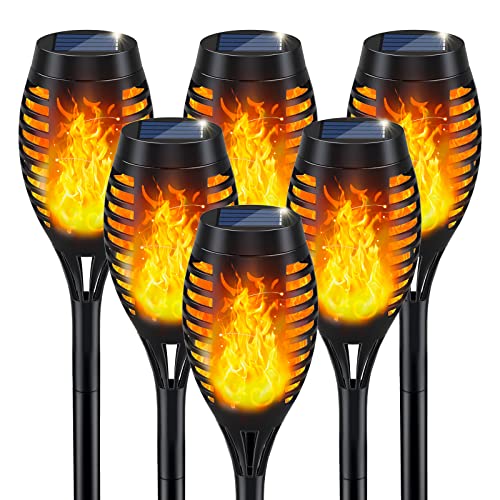
Solar candles pair a small panel with a rechargeable battery and a light sensor, so they charge during the day and turn on automatically once it gets dark. The tradeoff is that they need real, mostly unobstructed sun exposure to charge fully; a candle tucked under a covered porch or shaded corner will run dimmer and shorter than one placed somewhere brighter. If you are already leaning toward solar lighting for the yard, it is worth browsing a broader roundup of solar-powered outdoor lighting options to see how the same charging logic applies to pathway and landscape fixtures.
Where Outdoor Flameless Candles Work Best
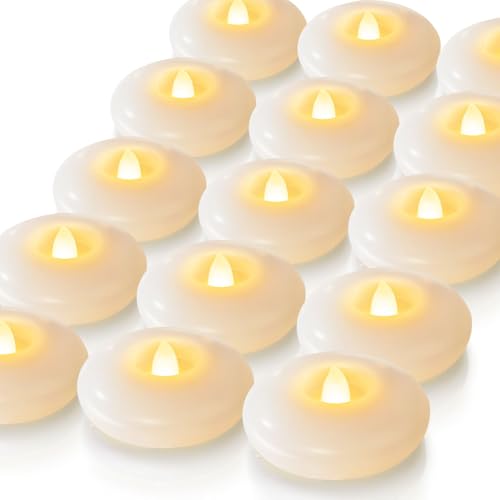
Knowing where you plan to use the best outdoor flameless candles helps you decide how much weatherproofing and brightness you actually need. A candle grouped along a covered porch railing does not face the same exposure as one sitting in the open on a patio dining table, so matching the candle to the space saves you from overbuying or underbuying protection. Clustering a few candles around a patio coffee table or dining set creates warm evening ambiance without any of the wax drips or flame risk that come with the real thing.
For garden paths, deck steps, or entryways, smaller votive-style flameless candles work well tucked into lanterns or glass jars. Outdoor events like weddings and backyard parties are another common use case, since venues often restrict open flame anyway, and a timer-equipped set means you are not scrambling to light dozens of candles right before guests arrive. If most of your candle use actually happens indoors on a mantel or nightstand, a dedicated indoor flameless candle guide covers the realism and battery features that matter most in that setting instead.
Frequently Asked Questions
Are outdoor flameless candles waterproof?
Some are, but many are only water resistant, which means they can handle light rain or splashing but not standing water. Check for an explicit IP rating or "waterproof" claim rather than assuming.
Can flameless candles be left outside in the rain?
Models rated for outdoor use can generally handle rain fine, especially with a sealed battery compartment. It is still smart to avoid leaving any candle sitting in a puddle or pooled water for long periods.
Do flameless candles fade or crack in the sun?
Cheap plastics can fade or become brittle after repeated sun exposure, but candles made from UV-stable resin or ABS plastic are built to resist that kind of wear through a full season outdoors.
How do you keep flameless candles from blowing over outside?
Choose candles with a wide, weighted base, or set them inside a hurricane glass or lantern for added stability. Shorter, broader shapes handle wind better than tall, narrow ones.
How long do batteries last in outdoor flameless candles?
Battery-powered models often run for hundreds of hours on a single set of AA or C batteries, though cold weather can shorten that runtime. Solar models recharge automatically as long as they get enough direct sun during the day.
Are solar flameless candles worth it?
They are convenient since you never swap batteries, but they need real sun exposure to charge fully. A shaded or covered patio spot will leave a solar candle dimmer and shorter-lived at night than a battery-powered alternative.
Do outdoor flameless candles need to be brought inside in winter?
It depends on the material and climate. Most weatherproof plastic bodies can handle cold temperatures fine, but bringing batteries inside during freezing stretches helps them last longer and keeps the candle working reliably when you want it.
Making the Right Choice for Your Outdoor Space
The right outdoor flameless candle comes down to matching its weatherproofing, material, and power source to where it will actually live. A sheltered porch has very different needs than an open deck that takes full sun and wind all afternoon. Once you know what your space demands, picking a candle that will still look good and work reliably months from now becomes a much easier call.