
Best Cisco Routers: A First Time Buyer's Guide for 2026
Disclosure: We may earn a commission when you buy through links on this page, at no extra cost to you. As an Amazon Associate I earn from qualifying purchases. Learn more

Shopping for the best cisco routers for the first time? Learn the key terms, compare your options, and avoid rookie mistakes with this easy guide.
Buying your first serious router feels harder than it should. Boxes shout about speed numbers, WiFi versions and antenna counts, yet none of that tells you what your home or small office will actually feel like day to day. This guide to the best cisco routers starts from the basics and builds up in plain language.
We will explain what a router does, decode the main specs one by one, and match router types to common situations. Use the comparison table below as your shortlist while you read, and finish with the setup steps and mistake list before you spend anything.
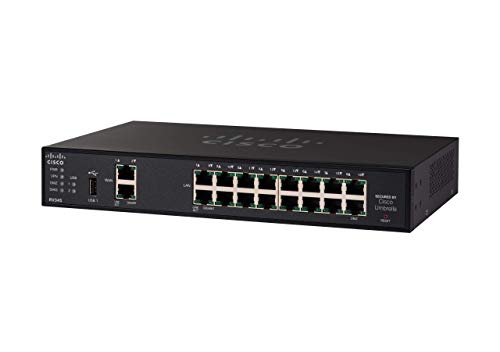




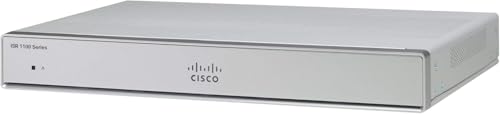

Cisco Routers 101: The Basics
A router is the traffic manager for your network. Your modem brings the internet into the building, and the router shares that connection with your phones, laptops, TVs and smart devices, giving each one a local address and passing data between them and the wider internet. Cisco builds routers for homes, small offices and large organizations, so the same brand name covers simple home units and serious business hardware with very different prices.
WiFi is simply the wireless way devices connect to that router. A dual band router offers a 2.4 GHz band that travels farther through walls and a 5 GHz band that is faster at shorter range, and newer models add a 6 GHz band as well. When you read our overview of the best reviewed routers, notice how often reviewers praise stable connections over headline speed, because stability is what you feel every day.
Key Specs Explained in Plain English
WiFi Standard (WiFi 6, 6E, 7)
The WiFi standard is the generation of wireless technology inside the router. WiFi 6 handles busy homes well and is the sensible value choice today. WiFi 6E adds the 6 GHz band, which is less crowded and suits apartments and offices packed with neighboring networks, as long as your phones and laptops support it. WiFi 7 is the newest step, with wider channels and lower delay, but it only shines with WiFi 7 devices.
For a first purchase, WiFi 6 or 6E covers nearly every home well. Pay for WiFi 7 if you plan to keep the router for many years and your key devices already support it, or if your work depends on fast local transfers. Older devices still connect to newer routers; they just use the older standard they know.
Number of Devices and MU MIMO/OFDMA
Modern homes connect far more devices than people realize, once you count bulbs, speakers, cameras, watches and TVs alongside phones and laptops. MU MIMO lets a router talk to several devices at once instead of in rapid turns, and OFDMA lets one transmission carry data for several devices together. Together they keep a busy network calm at peak times, such as evenings when everyone streams and calls at once.
Count your connected devices honestly before you shop. Under about 20 devices, almost any current router copes. Between 30 and 60 devices, prioritize strong MU MIMO and OFDMA support and a capable processor. Above that, or in a small office, step up to business grade hardware or a mesh system with a wired backbone where possible.
Wired Ports (Multi Gig, WAN/LAN)
Not everything should use WiFi. A wired connection beats wireless for desktop computers, game consoles, network storage and office printers, because it removes interference and keeps speeds steady. Check how many LAN ports a router offers and how fast they are. Standard ports run at 1 Gbps, while multi gig ports run at 2.5 Gbps or faster and suit fast internet plans and local file transfers.
Your WAN port is the one that connects to the modem, so it must be at least as fast as your internet plan. If you pay for a plan above 1 Gbps, a router with only a 1 Gbps WAN port caps your speed no matter what the box promises. If you run out of LAN ports later, a small network switch adds more for modest cost.
Setup and App Management
A good first router should be running within about 15 minutes of opening the box. App guided setup that walks you through naming your network, setting a strong password and updating firmware saves most beginners from the classic errors. Browser based admin pages offer deeper control, and business minded models add more detailed settings for guest networks, VPN access and traffic rules.
Look for clear signal strength tools, a guest network you can switch on in seconds, and parental or device controls if children use the network. Automatic firmware updates are worth having, since they close security holes without you remembering. If you mostly want wireless coverage with minimal fuss, compare your options with our guide to the best cisco wireless routers before you decide between model types.
Gaming Features (QoS, Low Latency)
Games care about delay far more than raw download speed. QoS, short for Quality of Service, lets the router put game traffic or a work call ahead of a large download happening in another room. That one setting prevents the familiar problem where one person updating a console makes everyone else lag or stutter on calls.
If nobody games or works from home in your household, basic QoS is plenty and you can spend the money on coverage instead. If competitive gaming matters, favor wired connections for the gaming machine first, then QoS, then any gaming labeled extras. A ping test at your usual gaming hour tells you more than any box claim, so run one before and after any change.
Speed Ratings vs Your Internet Plan
Router speed labels such as AX3000 describe a combined theoretical total across all bands under ideal conditions. No single device will ever see that number, and your real speed can never exceed the plan you buy from your provider. A household on a 100 Mbps plan gains nothing from the fastest router tier except better handling of many devices and stronger local network transfers.
Match the router tier to your plan with headroom. For plans up to about 300 Mbps, a mid range WiFi 6 router is ample. For 500 Mbps to 1 Gbps plans, choose a stronger WiFi 6 or 6E model with good device handling. For plans above 1 Gbps, you need multi gig ports to use the speed you pay for. Readers tied to one provider can also check our guide to the best routers for spectrum for plan specific notes.
Choosing Cisco Routers for Your Situation
Best Cisco Routers for Business: Tips for First Time Buyers
For a workplace network, three needs move to the front. First, security and separate networks matter, so look for guest access, VLAN support and strong firewall controls that keep payment systems and staff devices apart. Second, reliability and support matter more than raw speed, including a solid warranty and firmware that stays updated. Third, VPN support lets staff connect safely from home. A small office also benefits from enough LAN ports for printers, phones and a storage drive without extra hardware.
Best Cisco Routers to Practice on: Tips for First Time Buyers
Learners need something different from a home buyer. You want access to the full command line and configuration system used in real networks and certification study, which many home app driven models hide or simplify. Older enterprise units and lab focused models are popular for practice because they expose those tools at low cost, and they pair well with free network simulation software for safe experiments.
Check that the unit runs a current enough software version to match your study materials, and confirm the power supply and console cable are included. Keep your practice router separate from your home network while you learn, so a wrong setting never takes your household offline. General background on wireless terminology in our guide to the best wlan routers also helps new learners connect the theory to home gear.
Rookie Mistakes to Avoid
- Buying by the biggest speed number on the box instead of matching the router to your plan, home size and device count.
- Placing the router in a corner, inside a cupboard or behind a TV, then blaming the router for weak signal in distant rooms.
- Keeping the default admin password and network name, which leaves your network open to easy attack and confusion with neighbours.
- Paying for WiFi 7 or gaming extras when none of your devices support them and nobody in the home games online.
- Forgetting to check port speeds, then discovering your fast internet plan is capped by a slow WAN port.
Getting Started: Setup and First Use
Place the router centrally and elevated, on a shelf rather than the floor, with space around it for airflow. Connect the modem to the WAN port, power up the modem first and the router second, and follow the setup app or wizard to name your network and set a long, unique password. Turn on WPA3 security if your devices support it, or the mixed WPA2 and WPA3 mode if older devices refuse to connect.
Update the firmware before you change any advanced settings, and switch on automatic updates if offered. Connect your most important devices, run a speed test near the router and again in your farthest room, and note the difference. Walk the home with your phone and mark any dead spots, because moving the router a few feet often fixes more than any setting. Write down your admin details and store them somewhere safe and offline.
Frequently Asked Questions
Do I need WiFi 7 yet?
Most households do not need WiFi 7 yet. It helps only when your main devices support it and you keep routers for many years or run very fast plans. A good WiFi 6 or 6E router will feel fast for everyday streaming, calls and browsing. One practical trigger is a new laptop or phone that supports WiFi 7 combined with a router that is already five years old and due for replacement anyway.
Will a new router speed up my internet?
A new router cannot raise the speed of the plan you buy, but it can remove slowdowns your old router caused. If your plan is 300 Mbps and rooms far from the router see only 40 Mbps, a better placed or stronger router can close that gap. Check with a wired connection to the modem first. If wired speed is also low, the problem sits with the line or plan, not the router.
Mesh or a single router: which is better?
A single router suits compact homes and apartments where one central spot covers every room. Mesh suits larger, long or multi floor homes, because extra nodes carry the signal around corners and up stairs. Mesh costs more and each wireless hop can trim top speed, so wired backhaul between nodes is ideal where cables can run. Start with one good router, measure your dead spots, and add mesh only if placement cannot fix them.
How often should I replace my router?
Plan on replacing a home router every four to six years. Replace sooner if security updates stop, if your device count has grown a lot, or if a new WiFi standard covers most of your daily devices. Business users should track the maker support end date and budget a replacement before it arrives, because an unsupported router on a business network is a real security risk rather than a minor inconvenience.
Final Thoughts
For a first purchase, match the WiFi standard to your devices, match port speeds to your plan, and place the router where its signal can actually reach you. Those three decisions matter more than any premium extra. Business buyers should weight security and VPN support, and learners should weight full configuration access. With that shortlist in mind, compare the best cisco routers in the product table above and pick the one that fits your rooms, your plan and your budget.


