
Best Cisco Routers for Small Business: Matching the Right Model to Your Routine for 2026
Disclosure: We may earn a commission when you buy through links on this page, at no extra cost to you. As an Amazon Associate I earn from qualifying purchases. Learn more

Small business owners can match the best cisco routers for small business to their team size, premises and internet plan with this guide to security, ports and coverage.
There is no single router that suits every small company. A three person design studio pushing large files, a cafe offering guest WiFi, and a clinic handling bookings and card payments all put very different demands on the same box in the corner. That is why the best cisco routers for small business choice starts with your routine, not with a speed number.
This guide sorts buyers by how they actually work, then walks through the features that decide coverage, security and room to grow. Use the comparison table below to shortlist, and match each model against your premises, your team size and your internet plan.
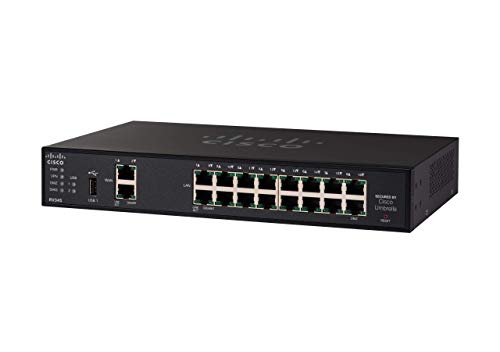



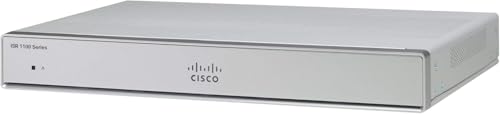

Who Should Buy Which Cisco Routers?
The profiles below are deliberately practical. Find the one closest to your working day, note the features it tells you to prioritise, and let that list drive the rest of your shopping.
For Design, Video and Software Teams
Some small businesses run like power users. Video editors, streamers, architects and software teams move huge files, join video calls all day and notice every moment of delay. If that sounds like your office, prioritize low latency, strong QoS controls and multi gig wired ports for the main workstations and storage. A WiFi 6E or WiFi 7 model with a capable processor keeps many demanding devices smooth at once.
Budget for coverage as well as speed, because a fast router in the wrong place still drops calls in the far office. This group should also plan a backup internet option or at least a router that restarts cleanly after power cuts, since downtime costs real money during client work.
For Mobile Teams and Satellite Offices
Teams that work between sites, market stalls, client offices and home need a different kind of value. The priorities are secure remote access, compact hardware for a small desk or cabinet, and setup that a non specialist can repeat at each location. Look for strong VPN support so staff reach office files safely from anywhere, plus automatic updates that keep security current without an IT visit.
For a solo consultant or a tiny satellite office, a smaller router with good security beats a large unit with features nobody configures. Weight and size genuinely matter if the router travels in a case between venues, and a model that runs cool and quiet suits shared spaces. Pair it with a written setup note so any team member can reconnect the office after a move.
For Everyday Offices and Shared Workspaces
Training rooms, shared workspaces and everyday offices with light needs sit here. Browsing, email, cloud documents, checkout terminals and a printer or two ask for stability and fair value rather than top tier speed. A dependable WiFi 6 router with enough ports for the printer and payment terminal, a simple guest network and clear controls is usually the right spend.
Long support life matters more than novelty for this group. Choose a model the maker will update for years, set a strong admin password, and schedule a quick monthly restart and update check. Money saved here can go toward a second access point for a dead corner, which improves daily life more than a faster main router would.
Key Features to Compare
WiFi Standard (WiFi 6, 6E, 7)
WiFi 6 remains the value standard for most small firms, handling dozens of devices with ease. WiFi 6E adds the 6 GHz band, which helps in dense city buildings where dozens of neighboring networks fight for the older bands, provided your laptops and phones support it. WiFi 7 brings wider channels and lower delay and makes sense if you keep hardware for five years or more and your newest devices already use it.
Check your actual device fleet before paying for a newer standard, because a router cannot give a WiFi 5 laptop a WiFi 7 connection. Also remember that guest and staff networks share the same radios, so busy customer facing spaces benefit from the extra capacity of 6E and 7 sooner than a quiet back office does. Our broader guide to the best small business routers compares standards across brands if you want a wider view before choosing.
Coverage and Premises Size
Premises shape coverage more than raw power does. A single open plan office of about 1,500 square feet often works well with one well placed router, while long units, thick walls and multi floor sites break a single signal quickly. In those layouts, a mesh system or extra access points deliver even coverage to checkout counters, desks and meeting rooms without the dead zones that frustrate staff and customers.
Measure your space and note wall materials before you shop, since metal shelving and concrete absorb signal far more than plasterboard. Place access points high and central, away from stockrooms full of metal. For primarily wireless setups, our guide to the best wireless routers for small business goes deeper on placement and node counts for awkward buildings.
Measuring for Size and Portability
Routers live in real rooms, often in a small comms cabinet, on a shelf behind a checkout counter or in a locked cupboard with poor airflow. Measure the space you actually have, including room for cables to bend without strain, and leave clearance so the unit can shed heat. A compact model that fits and stays cool will outlast a larger one wedged into a hot, tight box.
There is a genuine trade off between small size and performance, because larger units fit more antennas, bigger processors and more ports. If the router must move between sites, favor lighter hardware with a simple power supply and settings you can back up and restore in minutes. Note the weight and footprint in your office records alongside passwords and warranty dates.
Wired Ports (Multi Gig, WAN/LAN)
Wire the devices that never move. Desktop computers, printers, card terminals, network storage and desk phones all run better on a cable, and every device you wire frees wireless capacity for laptops and guests. Count the LAN ports you need today and add two spare, because small firms add devices steadily. Standard gigabit ports suit most offices, while multi gig ports at 2.5 Gbps help firms with fast fiber plans or heavy local file work.
The WAN port must match or exceed your internet plan speed, or it becomes a ceiling on everything. If your provider offers a plan above 1 Gbps, confirm at least the WAN port is multi gig. Readers comparing general wireless options alongside Cisco can also use our guide to the best wifi routers for small business to sanity check port counts at each price level.
Features That Matter for Small Business
Business use adds needs that home routers often skip. Separate networks for staff, guests and payment devices protect you if a guest phone carries malware, and VLAN support makes that separation clean. A proper firewall, VPN access for remote staff, and traffic controls that put calls and card terminals ahead of bulk downloads are the features that earn their keep weekly.
Support and updates deserve equal weight with hardware. Choose a model with a clear warranty, a maker that publishes firmware updates regularly, and controls you can hand to a colleague without a manual. For a wider shortlist beyond one brand, our guide to the best routers for business sets out the same checklist at larger scales, and compact sites may also find our notes on the best small routers useful for tight cabinets.
Common Mistakes to Avoid When Buying Cisco Routers
- Looking only at price and buying a home grade unit that lacks separate guest and staff networks, VPN support and a business warranty.
- Ignoring the WiFi standard your devices actually support, then paying for WiFi 7 capacity that your laptop fleet cannot use.
- Buying too small for a growing team, or far too large for a two person office, instead of matching device counts and premises size.
- Skipping the warranty and support check, which matters far more when a failure stops card payments and bookings.
- Forgetting the WAN port speed, so a new fast fiber plan runs at the limit of an older gigabit port from day one.
Tips to Get the Most From Your Cisco Router
Place the router centrally and elevated, with clear space around it, and keep it out of metal cabinets that block signal. Update firmware regularly and turn on automatic updates where offered, because those updates carry security fixes your business depends on. Change default admin passwords on day one, use a long unique password for the WiFi network, and keep a written record of settings in a sealed office file.
Restart the router about once a month during a quiet period, review the connected device list for anything you do not recognize, and try your guest network as a customer would. Once a year, check whether your team size, premises or internet plan has changed enough to justify new hardware, rather than waiting for a failure to force the decision on your busiest day.
FAQs
What features matter most in cisco routers for small business?
Separate staff and guest networks, a solid firewall, VPN access and regular firmware updates matter most. Those four protect payments, bookings and files while staff work from anywhere. Next come enough wired ports for fixed devices and coverage that fits your premises. Raw top speed ranks last for most small firms, because a stable connection at your plan speed beats a faster router that drops out.
Mesh or a single router: which is better?
A single router suits compact, open premises where one central position reaches every desk and till. Mesh or added access points suit long, split level or thick walled sites where one signal cannot cover the building. If customers complain about WiFi at the far end while staff near the router are fine, that pattern points to a coverage problem, and mesh solves coverage rather than speed.
Do I need WiFi 7 yet?
Most small businesses do not need WiFi 7 yet. It pays off when your newest laptops and phones support it, your plan is very fast, and you keep routers for five years or more. Otherwise WiFi 6 or 6E delivers the daily experience staff notice at a lower price. A sensible trigger is an office wide laptop refresh, since new devices and a new router then gain from the standard together.
How often should I replace my router?
Plan on four to six years, and replace sooner if firmware updates stop or your team and device count outgrow the hardware. Track the maker support end date in your office calendar and budget the replacement the year before it arrives. Running an unsupported router in a business that takes card payments is a security and compliance risk, not just an age issue.
Will a new router speed up my internet?
A new router cannot exceed your plan speed, but it can remove limits an old or badly placed router imposed. If terminals and laptops near the router hit your plan speed while far rooms crawl, better coverage fixes that. Check a wired connection at the router first. If wired results are far below your plan, contact your provider before spending on hardware.
Final Thoughts
Match the router to your routine first. Power users need low delay and multi gig ports, mobile teams need VPN and portability, and everyday offices need stability and value. Add separate networks and current security updates, and you have the core of a sound business network. Compare the best cisco routers for small business options in the product table above against your premises and team size, and choose the model your next three years will thank you for.


