
Best Cisco Router for Home Use: The Buyer Checklist We Use for 2026
Disclosure: We may earn a commission when you buy through links on this page, at no extra cost to you. As an Amazon Associate I earn from qualifying purchases. Learn more

Learn how to choose a Cisco router for home use with a clear checklist covering speed, coverage, ports, security, and spending levels for your household.
Shopping for a home router is easier when you start with a checklist instead of a feature list. A best cisco router for home use should match your internet plan, the size of your home, and the number of devices your household uses at once. The comparison table below gives a quick overview, and the rest of this guide explains each check in plain terms.
Use this guide as a decision tool, not as a hunt for the fastest box on the shelf. A router that is far faster than your plan will not make your connection faster, and a router with weak coverage will frustrate you even if its headline speed looks impressive. Work through speed, coverage, ports, security, and setup before you compare prices.




What to Check Before You Buy a Cisco Router for Home Use
Each factor below affects a different part of daily use. Read them in order, note which ones matter most in your home, and then use that shortlist to narrow your options. A good choice balances all of them rather than winning on one headline number.
WiFi Standard
WiFi 6 is a solid baseline for most homes, while WiFi 6E adds a 6 GHz band that can help in crowded areas if your devices support it. WiFi 7 offers even more capacity, but it only helps when your phones, laptops, and streaming devices can use it. Check the standards your newest devices support, and do not pay for a newer standard that none of your devices can reach yet.
Speed Ratings vs Your Internet Plan
A router speed rating describes the combined capacity across its bands, not the speed a single device will reach. Compare that rating with your internet plan first. If your plan delivers about 300 megabits per second, a router rated well above that level still cannot pull more speed from your provider. Match the router to your plan, then leave some headroom for several devices working at once.
Gaming Features
Quality of service controls let you give priority to gaming traffic when the network is busy. Low latency matters more than raw speed for online games, because a steady connection feels smoother than a fast but uneven one. Look for clear controls that let you prioritize a console or a gaming computer without shutting out everyone else in the home.
Setup and App Management
Setup should be simple enough to complete without hunting through advanced menus. A clear app can help you name your network, set a strong password, add guest access, and check which devices are connected. Good management tools also make it easier to update firmware, restart the router, and change settings later when your household needs change.
Wired Ports
Wired ports matter for devices that need a steady connection, such as a desktop computer, a game console, or a streaming box. A multi gig port can help if your plan or your local network supports faster wired speeds. Count how many wired devices you plan to connect, and check whether the router offers enough local ports for them without forcing you to buy extra hardware right away.
Coverage and Home Size
Coverage depends on your floor plan, wall materials, and the number of floors in your home. A single router can work well in a smaller home with an open layout, while a larger home or a home with thick walls may need a mesh system. For broader coverage options, see our guide to the best mesh routers for home use. Place the router centrally and elevated where possible, since a router hidden in a corner will struggle to reach distant rooms.
Security and Parental Controls
Look for WPA3 security, automatic firmware updates, and a clear way to change the default admin password during setup. Parental controls should let you set schedules and pause access for specific devices without complicated steps. Check whether extra security features require an ongoing subscription, because that cost can change the long term value of an otherwise well priced router.
What Cisco Actually Sells for Home Use
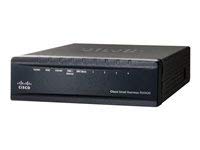
Cisco no longer makes consumer WiFi routers under its own name, so a Cisco router at home usually means one of three things. The first is a Meraki Go router from the Cisco small business line, a compact wired router and firewall with cloud management through a phone app and no required subscription for the core features. The second is a Cisco RV series small business router, a wired VPN router that suits a home office that needs site to site connections or more control than a consumer box offers. The third is an older Cisco-Linksys model from the years when Cisco owned the Linksys consumer brand; these still sell new in some listings but use older WiFi standards.
Note that most current Cisco routers are wired only. To add WiFi you pair the router with a Cisco Business access point or keep your existing WiFi router in access point mode behind it. For a typical family that only wants fast whole home WiFi with an easy app, a mainstream consumer router is the simpler fit; the Cisco route makes sense when you want business grade firewall rules, VLANs, VPN access, or gear that matches what you manage at work.
Spending Levels That Fit Different Homes
Price tiers help you match spending to need. The tiers below describe types of routers, not specific products, and each tier suits a different household pattern. Start with your plan speed and device count, then choose the lowest tier that covers them comfortably.
Lower Priced Routers for Basic Homes
Lower priced options, at about $80 to $150, cover legacy Cisco-Linksys wireless models and the entry Meraki Go router. They handle browsing, video calls, and streaming for a small household with a modest plan. The legacy models offer older WiFi and slower ports, while the entry Meraki Go unit is wired only, so plan on an access point or your existing WiFi router behind it for wireless coverage.
Mid Priced Routers for Busy Homes
Mid priced options, at about $150 to $350, cover the small business RV routers and the larger Meraki Go model. They bring VPN support, separate networks for work and family devices, and traffic controls that keep video calls smooth while someone else downloads. This tier is the practical middle ground for a home office that needs business features without a licensed enterprise product.
Higher Priced Routers for Heavy Homes
Higher priced options, from about $500 up, are the multi port RV routers and Meraki security appliances. They add dual WAN failover, more wired ports, and deeper firewall and VPN control, and some Meraki models need a paid license to work at all. Spend at this level only when you run servers, host remote workers, or want a home lab that mirrors a business network, since extra capacity alone will not improve a slow internet plan.
Quick Buyer Checklist
Run through these questions before you order. If you answer no to any of them, revisit that factor before you commit.
- Does the router match or modestly exceed your internet plan speed?
- Can it cover your home size and floor layout without obvious dead zones?
- Do your newest devices support its WiFi standard?
- Does it offer enough wired ports for your fixed devices?
- Can you set strong security and parental controls easily?
- Is setup and ongoing management clear from the app?
- Does the total cost, including any subscription, fit your budget?
Red Flags to Watch For
Watch for vague speed claims that never explain which band or condition produces the number. Be cautious when a listing hides security details, offers a very short warranty, or requires a subscription for basic safety features. Missing firmware update information is another warning sign, since an unpatched router can become a weak point in your home network over time.
How to Make Your Cisco Router Last Longer
Place the router centrally and elevated, away from thick metal objects and heat sources. Update firmware regularly, since updates often fix security issues and improve stability. Change default admin passwords during setup, and restart the router occasionally if performance drops.
For general home networking options, see our guide to the best routers for home use. These simple habits help a well chosen router stay useful for years.
Frequently Asked Questions
How often should I replace my router?
Most home routers last about four to six years, but age alone is not the best reason to replace one. Replace your router when it no longer covers your home, cannot keep up with your plan, or stops receiving firmware updates. If your devices have moved to a newer WiFi standard and your router cannot support them, an upgrade may help. Otherwise, a router that still covers your home and receives updates can stay in service.
Mesh or a single router: which is better?
A single router is better for smaller homes with an open layout, where one central unit can reach every room. A mesh system is better for larger homes, homes with multiple floors, or homes with thick walls that block signals. Mesh units work together to extend coverage, but they also cost more and need thoughtful placement. Check coverage in your farthest rooms first, since that result tells you more than any coverage claim on a box.
Will a new router speed up my internet?
A new router will not speed up your internet beyond what your plan provides. It can help if your old router was slowing down your connection, dropping signals, or struggling with many devices at once. In that case, you may see steadier speeds and fewer drops, especially on WiFi. If your plan itself is slow, upgrading the router will not fix that limit, and you should compare plans before spending more on hardware.
Do I need WiFi 7 yet?
You do not need WiFi 7 yet unless your newest devices support it and your plan or local network can use the extra capacity. WiFi 6 and WiFi 6E already handle most homes well, including streaming, video calls, and gaming. WiFi 7 may make sense if you are buying for a long horizon and your devices are already moving to that standard. For most buyers, a strong WiFi 6 or WiFi 6E router is the more practical choice today.
How do I know if my home needs a mesh system?
Your home likely needs a mesh system if some rooms lose signal even when the router sits centrally. Walk through your home with a phone and note where video stalls or calls drop. If dead zones appear on another floor or behind thick walls, extra units placed in open areas can help.
For wireless options in general, see our guide to the best wireless routers for home use. If only one distant room struggles, moving the router may solve the problem without a full mesh setup.
The Bottom Line
Focus first on plan match, coverage, and security, then on setup ease and wired ports. A router that covers your home well and stays updated will serve you better than a faster box that leaves rooms unconnected. When you are ready to compare options, return to the product table above and check each choice against the checklist in this guide. The right best cisco router for home use is the one that fits your home, your plan, and your daily routine.


