Best Circulon Frying Pan: Which Pan Fits Your Home (2026)
Disclosure: We may earn a commission when you buy through links on this page, at no extra cost to you. As an Amazon Associate I earn from qualifying purchases. Learn more

The best circulon frying pan by household size and stove: 8, 10 and 12 inch nonstick pans compared on induction fit, oven limits, handles, lids and budget.
A frying pan that sticks, heats unevenly, or crowds the burner makes weeknight cooking harder than it needs to be. If you are looking for the best circulon frying pan for your home, the right choice depends on how many people you cook for, how much storage you have, and what your stove needs.
Circulon is known for nonstick pans with raised circles on the cooking surface and hard anodized aluminum bodies. Use the comparison table below to see how the main types differ. If you are still weighing brands, our guide to the best frying pan covers the wider field.


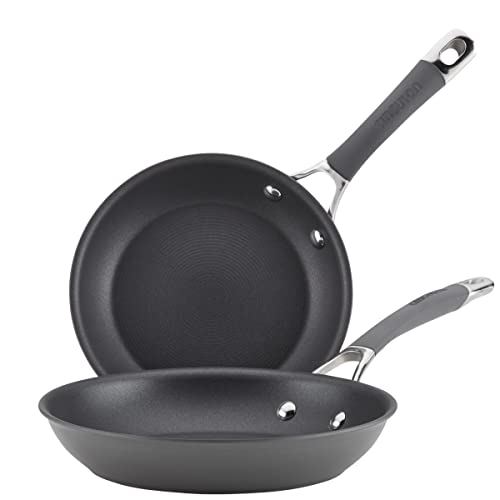


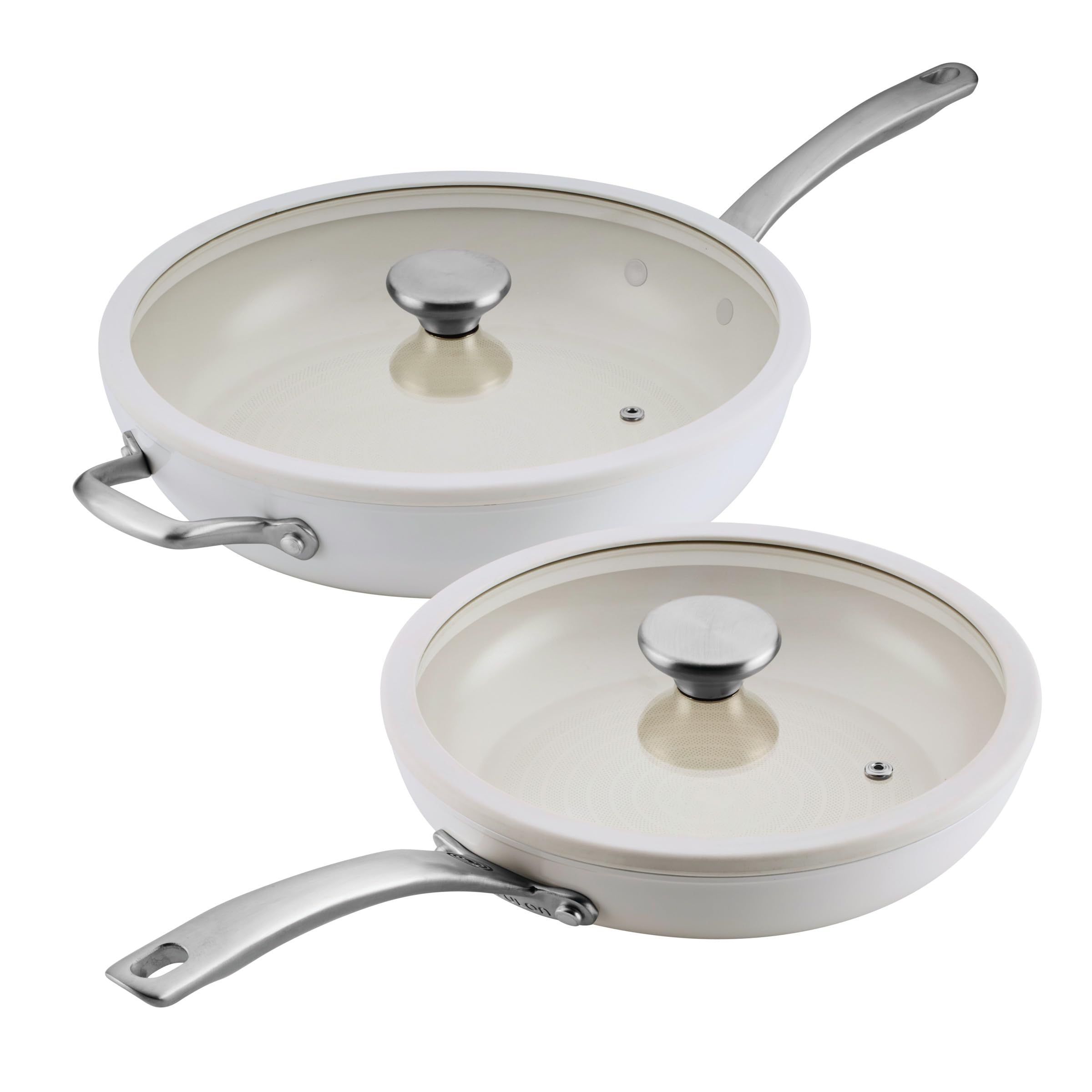

Quick Answer: How to Choose in 30 Seconds
Most homes do best with a 10 inch or 12 inch nonstick pan with a flat, induction ready base if the stove requires it, plus a lid if you simmer often. Larger families benefit from a deeper style that holds more food without crowding.
- For one or two people, choose 8 inch to 10 inch and save cabinet space.
- For three to five people, choose 12 inch so food cooks in a single layer.
- For induction, confirm the base is marked induction suitable before you order.
- For oven finishing, choose steel handles and a higher oven rating.
Before You Buy: A Quick Checklist for Choosing a Frying Pan
Two pans with the same logo can differ in size, base design, handle material, and oven limit. Work through the points below in order, starting with size and burner fit, because those are the hardest to fix after purchase.
Size: Match It to Your Space
An 8 inch pan suits one egg, a single sandwich, or reheating a small portion, and it stores easily in a shallow drawer. A 10 inch pan handles two chicken breasts or a modest frittata and fits most burners well. A 12 inch pan gives four portions room to brown instead of steam, but it needs a large burner and deeper storage. Measure your burner and cabinet depth first, and leave clearance for the handle.
Which Type Fits Your Routine
Most Circulon frying pans are nonstick over hard anodized aluminum, which heats quickly and releases eggs and fish with little effort. That suits daily cooking where easy cleanup matters. If you want strong searing and no coating to protect, compare our guide to the best stainless steel frying pan before deciding.
Ceramic coatings feel slick at first but tend to lose release sooner, a trade off explored in ceramic vs nonstick pan. Cast iron and carbon steel last longer, yet they weigh more and need seasoning care.
Features Worth It (and Ones to Skip)
A fitted lid is worth paying for if you melt cheese, steam vegetables, or simmer sauces, because it traps heat and cuts splatter. A helper handle on a 12 inch pan makes lifting a full load safer. Pour spouts help with sauces but matter little for eggs. Skip bundled extras you will not use.
Is It Non Toxic? Materials and Coatings Explained
Circulon nonstick pans use a PTFE based coating, the same family of coating used on most traditional nonstick cookware. Makers advise avoiding empty preheating on high heat, which can damage any nonstick surface. If you prefer to cook without a synthetic coating at all, look at our guide to the best non toxic frying pan for stainless, cast iron, and carbon steel options. Replace a pan once the coating is deeply scratched or peeling.
Induction, Gas and Glass Top Compatibility
Gas stoves accept almost any flat based pan. Glass top stoves need a smooth, flat base, and dragging can mark the surface, so lift the pan instead of sliding it. Induction is the strict check, because the base must contain magnetic material.
Some lines add a stainless steel base plate for induction, while others are aluminum only and will not register. Check the listing for induction suitability before you order.
Oven Safe Temperature and Handles
Oven ratings vary by line, often from about 350 to 500 degrees Fahrenheit, and the handle usually sets the limit. Steel handles tolerate higher heat and suit finishing a frittata in the oven. Handles with a silicone grip feel cooler on the stove, but they usually carry a lower oven ceiling.
Glass lids often rate lower than the pan itself. Always match the listing for the exact pan rather than assuming one rating for the whole brand.
Realistic Budget Ranges
Under about $30, expect a single smaller pan with basic features, fine for a first apartment. About $30 to $50 covers most mid size nonstick pans with lids. About $50 to $100 usually buys a larger pan, a heavier base, or a small set.
Above about $100, you are paying for premium construction or larger sets. Spending more mainly buys durability and compatibility, so set your budget after you settle size and stove fit.
Types Compared: Choosing by Home and Routine
Instead of chasing a single winner, match the pan type to your household. The three groupings below cover most buyers, and the product table above shows how current options line up. Prioritize the pan you will use daily and add a second size later.
For Most Homes: The Versatile Mid Size Nonstick Type
A 10 inch or 12 inch hard anodized nonstick pan is the workhorse for family dinners, weekend eggs, and reheating leftovers. Look for a flat base that sits steady, a handle that stays comfortable when the pan is full, and a lid that fits without rattling. This type suits cooks who value quick washing over hard searing. Readers comparing across brands may also find our guide to the best nonstick frying pan useful.
For Tight Budgets and Small Kitchens: The Compact Lightweight Type
An 8 inch or 10 inch lightweight pan fits small burners, narrow cabinets, and dorm or apartment kitchens where storage is scarce. It heats fast and costs less to replace when the coating wears. The trade off is capacity, so batch cooking takes longer and four burgers will not fit at once.
Choose it if you cook mostly for one or two people. Hanging storage keeps it accessible without stacking weight on the coating.
For Long Term Value: The Heavy Base Oven Ready Type
A heavier pan with a stainless steel base plate and steel handles spreads heat more evenly, resists warping, and moves from stove to oven without a handle limit holding you back. It costs more up front, but stronger construction can stretch its useful life. This type suits cooks who finish dishes in the oven, use induction, or cook daily. It weighs more when full, so consider a helper handle at 12 inch size.
How the Circulon Frying Pans Were Compared
Pans are compared on heat distribution, base stability, coating durability claims, material safety information from the maker, stovetop and oven compatibility, and how easy each pan is to clean. The judgments draw on maker specifications and patterns in buyer feedback, focusing on warping, handle looseness, and coating wear.
The Circulon Frying Pan Lineup Explained
The lineup can look confusing because lines overlap in size and shape while differing underneath. In general, entry level lines focus on classic nonstick performance at lower prices, with aluminum bases for gas and electric stoves.
Mid range lines often add a stainless steel base for induction and sturdier handles. Premium lines may pair nonstick interiors with harder exteriors or clad construction for more even heating. The best circulon frying pan for you is the line whose base matches your stove and whose handle matches your oven use, in the size your household fills most often. Ignore line names until you have checked those two points.
Shape matters too. Standard pans have sloped sides that make flipping easy. Deeper pans with straighter sides hold sauces and larger volumes, but food steams more if crowded. A pair of 10 inch and 12 inch pans covers most tasks without duplicating a size you rarely use.
Common Buying Mistakes to Avoid
- Buying a 12 inch pan for a small burner, which leaves the edges cool and cooks food unevenly.
- Assuming every Circulon pan works on induction, which leads to a pan the stove will not detect.
- Choosing a set with duplicate sizes, which wastes money and cabinet space you could spend on one better pan.
- Ignoring the oven limit of the handle and lid, which risks damage during a simple finishing step.
- Judging value by price alone and skipping replacement cost, which makes a cheap pan that wears fast the pricier choice over time.
Cost of Ownership and Care
A nonstick pan is a replaceable item, and gentle care stretches the interval before you buy again. Cook on low to medium heat for most tasks, and avoid cooking sprays that can build a sticky film. Wash by hand with a soft sponge once the pan cools, and avoid stacking other pans directly on the coating without a protector between them.
For stuck residue, soak the pan in warm soapy water rather than scouring, because abrasive pads shorten coating life. Our guide on how to clean a frying pan covers residue and discoloration in more detail. Budget for replacement every few years with daily use rather than expecting nonstick to last like cast iron.
Your Questions, Answered
How long does a Circulon frying pan last with daily use?
With daily use and gentle care, a nonstick Circulon pan commonly serves about three to five years before release fades noticeably. Heat habits matter more than calendar time, so pans used mainly on medium heat tend to outlast pans pushed on high heat. A useful early sign of wear is eggs starting to cling in the center while the edges still release. Planning a replacement budget around that window avoids a surprise purchase midweek.
Can you use metal utensils in a Circulon frying pan?
Some Circulon lines are described by the maker as suitable for metal utensils, thanks in part to the raised circle design. Even so, wooden and silicone tools are gentler and help any coating last longer. If you do use metal, avoid sharp edges, cutting food in the pan, and scraping with force. Check the care notes for your exact line, because guidance differs between coatings and a general brand claim may not cover older pans.
Which Circulon frying pan size should a family of four buy first?
Start with a 12 inch pan, because it browns four portions in one layer and doubles as a shallow braising pan with a lid. If budget allows a second pan, add a 10 inch for eggs and smaller tasks rather than a second large pan. Families who cook pancakes or tortillas often find the larger surface pays off daily. Measure your burner first, since a 12 inch pan on a much smaller burner will heat unevenly at the rim.
Is Circulon a good frying pan brand for everyday cooking?
Circulon suits everyday cooking if you want nonstick convenience, even heating from an aluminum body, and a wide range of sizes at mid range prices. It is less suited to cooks who want very high heat searing or a pan that lasts for decades without replacement. Think of it as a practical daily tool rather than an heirloom. Buyers who cook mostly eggs, fish, and reheated meals tend to get the most satisfaction from the brand.
Why does food stick to a Circulon pan that used to release well?
Sticking usually builds up from residue, overheating, or a worn coating rather than one bad meal. A thin film from cooking spray or overheated oil can bake on and feel tacky, and soaking plus a soft sponge often restores release. If cleaning does not help and the surface looks dull or scratched across the center, the coating has likely worn out. At that point, lower heat and extra oil only delay replacement.
Final Thoughts
Start with the size your household fills most often, confirm the base suits your stove, and pick the handle and oven rating that match how you finish dishes. For most readers, the best circulon frying pan is a 10 inch or 12 inch nonstick model with an induction ready base and a lid you will actually use. Review the product table above once more with those three checks in mind, and you will land on a pan that earns its storage space every day.