
Best 12 Inch Nonstick Pan (2026): Features and Buying Tips
Disclosure: We may earn a commission when you buy through links on this page, at no extra cost to you. As an Amazon Associate I earn from qualifying purchases. Learn more

Shopping for a best 12 inch nonstick pan? Here is what to check on size, build, features and budget before you buy.
Saturday breakfast in a small kitchen tells you a lot about a pan. Four eggs and a pile of diced potatoes on one burner will show whether your skillet is big enough and whether the coating still releases food. If you are shopping for the best 12 inch nonstick pan, the right choice depends on your stove, your storage space, and how many people you feed on a normal weeknight.
This guide walks through size, coating types, stove compatibility, oven limits, and budgets. If you are still comparing the wider category, our guide to the best nonstick pan covers the full range. Start with the comparison table below, then use the checklist that follows it.


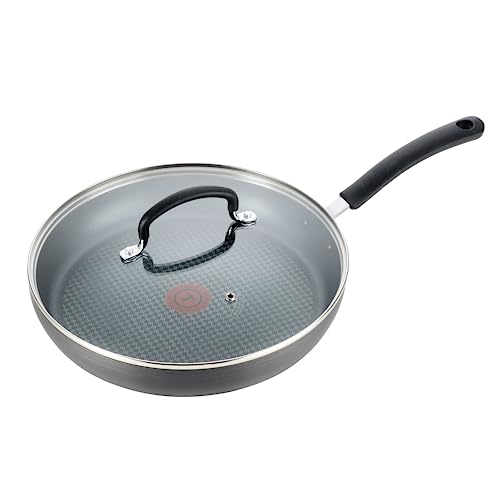
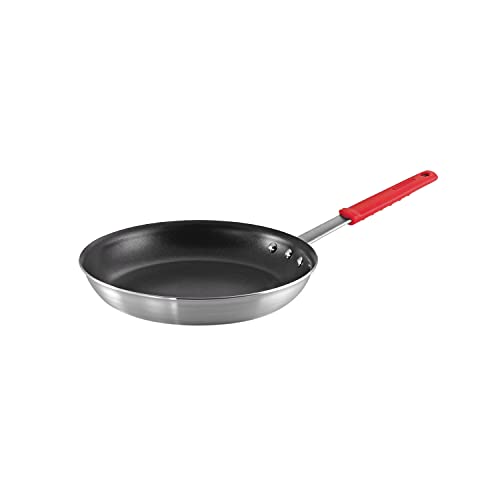
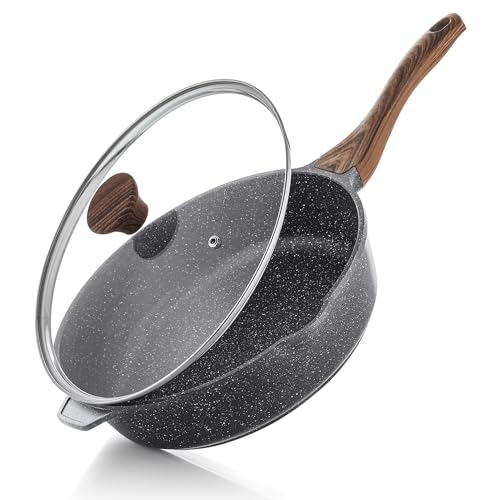


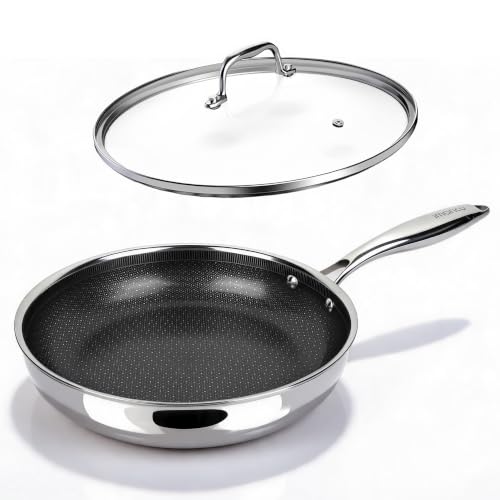
Quick Answer: The Three Types Worth Comparing
Most 12 inch nonstick pans fall into three groups. Classic PTFE coated pans on a hard anodized aluminum body give the slickest release and suit most homes. Ceramic coated pans appeal to shoppers who want to avoid PTFE, though the coating wears faster. Thicker hybrid and premium pans cost more but resist warping and hold heat better. The product table above lines these types up side by side.
Before You Buy: A Quick Checklist for Choosing a Nonstick Pan
A 12 inch label sounds simple, but pans with the same label can cook very differently. Work through the points below and you will rule out most poor matches before price enters the picture.
Size: Match It to Your Space
The 12 inch figure is measured across the rim, and the flat cooking surface inside is usually about 9 to 10 inches across because the sides slope outward. That flat area fits four chicken thighs, a family batch of pancakes, or a stir fry for three to four people without crowding. By comparison, an 8 inch pan suits one egg and a 10 inch pan handles two portions. Before ordering, measure your largest burner and check the cabinet where the pan will live, since the handle adds considerable length.
Which Type Fits Your Routine
Traditional PTFE coatings release eggs and fish with almost no effort and stay slick the longest when you cook over moderate heat. Ceramic coatings use a silica based surface that handles higher heat at first but loses its release sooner, often within a couple of years of daily use. If that trade off appeals to you, our roundup of the best ceramic nonstick pan options explains what to expect. Hybrid pans pair a nonstick surface with a stainless steel layer for better browning, and granite style coatings are mostly decorative, so judge those by base thickness.
Features Worth Paying For, and Ones to Skip
A thick base, roughly 4 to 5 mm, is worth paying for because it spreads heat and resists warping on glass cooktops. A helper handle opposite the main handle also earns its keep when a full pan gets heavy with food. A fitted lid helps when steaming vegetables or melting cheese, but skip it if you already own a universal lid that fits. Skip detachable handles and bundled utensil sets you do not need. A stainless steel handle matters more, and the oven section below explains why.
Is It Non Toxic? Coating Safety in Plain Terms
Modern PTFE coatings are made without PFOA, and the coating itself is inert at normal cooking temperatures. Problems start when an empty pan overheats past about 500 degrees Fahrenheit, where the coating can break down and release fumes, so never preheat a nonstick pan empty on high and keep pet birds out of the kitchen while cooking, since birds are sensitive to those fumes. Ceramic coatings avoid PFAS chemistry entirely, and our guide to the best non toxic nonstick pan covers the main alternatives if that is your priority.
Induction, Gas and Glass Top Compatibility
Check the base before anything else. Induction burners only work with a magnetic base, so hold a fridge magnet to the bottom of any pan you consider; if it sticks firmly, the pan will heat on induction. Plain aluminum pans without a bonded steel plate will not work at all. On gas burners, keep flames from licking up the sides, since direct flame on the coating edge shortens its life. On glass cooktops, a flat and slightly heavy base matters most, because a warped pan spins and heats unevenly.
Oven Safe Temperature and Handles
Oven ratings on nonstick pans range from about 350 to 500 degrees Fahrenheit, and the handle usually sets the limit. Phenolic and silicone wrapped handles often cap out near 350 to 400 degrees, while bare stainless steel handles commonly allow 450 to 500 degrees. That difference decides whether you can finish a frittata in a hot oven. If you often cook that way, treat a stainless steel handle and a rating of at least 450 degrees as requirements. Always confirm the rating for the exact pan.
Realistic Budget Ranges
Expect to pay about $20 to $30 for a light aluminum pan that suits occasional cooking. The middle band, about $30 to $60, buys a thicker hard anodized body, a better handle, and a coating that holds up to daily use. Above about $60 to $100 you are paying for heavier construction, stronger warp resistance, and longer warranties rather than slicker release. Under $20, pans tend to warp early and lose their coating fast, so the saving rarely lasts. A mid priced pan replaced on schedule usually beats a costly one nursed along past its prime.
The Main Types of 12 Inch Nonstick Pans Compared
With the checklist in mind, here is how the three main types stack up. None of them wins on every point, so match the type to the way you cook.
Classic PTFE on Hard Anodized Aluminum for Most Homes
This is the default choice for good reason. The hard anodized body heats evenly, the PTFE surface releases eggs, fish, and cheese with minimal oil, and the pan stays light enough to flip food with one hand. It suits weekday breakfasts and delicate foods that stick to everything else. The limits are heat and lifespan, so keep burners at medium or below for most cooking and plan on replacing the pan when the coating dulls. For households that cook eggs often, this type gives the easiest daily experience per dollar.
Lightweight Aluminum Pans for Tight Budgets
Thin aluminum pans with a basic coating cost the least and heat up fast, which suits dorm rooms, first apartments, and rental kitchens. The trade off is hot spots, since thin metal spreads heat poorly, and a base that can warp on high heat or under a cold tap while still hot. Treat this type as a short term tool. If you cook daily for a family, the middle budget band above will serve you better, but for light use a simple pan keeps spending sensible.
Thicker Hybrid and Premium Pans for Long Term Value
Premium pans use a heavier gauge body or a bonded multilayer base, which holds heat steady when you add cold food and resists warping year after year. Hybrid designs combine a nonstick surface with stainless steel elements that brown food more deeply than plain coatings. These pans suit cooks who use the same skillet daily and want one purchase to last. The coating still wears eventually, so the value comes from the body rather than a permanent surface. Weight is the other cost, since a full premium pan can strain weaker wrists during pouring.
What Separates One Pan From Another
The types and criteria here rest on manufacturer specifications, stated oven and stove ratings, coating disclosures, and patterns across verified buyer reviews. Heat distribution, base thickness, coating durability, material safety and compatibility carry the most weight. The goal is a framework that holds up whichever pan you choose from the product table above.
Is a 12 Inch Nonstick Pan the Right Size for You?
Choose this size if you cook for three to five people, make one pan meals, or batch cook pancakes and quesadillas on weekends. If you mostly cook for one or two, a 10 inch pan heats faster and stores more easily, and a single egg gets lost in a 12 inch pan. Many homes keep a smaller pan for morning eggs too, and our guide to the best nonstick pan for eggs covers that job. For very high heat searing, a different material serves better, and our comparison of nonstick vs stainless steel spells out where each one wins.
Common Mistakes to Avoid
- Buying by rim size alone, then finding the flat cooking area too small for four portions, so always check the base diameter.
- Preheating the pan empty on high, which overheats the coating and dulls its release within months.
- Ignoring burner fit, so a wide pan on a small burner heats unevenly while heat creeps up the sides.
- Forgetting replacement cost, since a cheap pan bought twice in three years can cost more than one mid priced pan.
- Skipping the oven rating, then discovering the handle limit blocks your favorite stove to oven recipes.
Cost of Ownership and Care
The purchase price is only part of what a nonstick pan costs you. Budget for replacement every few years, and protect the pan you own so that interval stays long. Hand washing takes a minute and is far gentler than a dishwasher cycle, even when a pan is labeled dishwasher safe, since detergents and jostling wear the coating. Our step by step guide on how to clean a nonstick pan covers the full routine. Store the pan with a cloth between it and anything stacked on top, use wood, silicone, or nylon utensils, and let it cool before washing so the base stays flat.
Your Questions, Answered
How long does a 12 inch nonstick pan last?
Most nonstick coatings last about three to five years with daily use and gentle care. Watch for the clear end of life signs rather than the calendar. Deep scratches that show the base metal, flaking, or a surface that stays sticky after a careful wash all mean the pan is done. Cooking sprays also shorten life quietly, because their additives bake into a residue that is hard to remove, so use plain oil or butter instead.
How do you clean a 12 inch nonstick pan with sticky residue?
Let the pan cool, then soak it in warm water with a drop of dish soap for about 20 to 30 minutes. Most residue lifts with a soft sponge after soaking. For a stubborn film, simmer water with a spoonful of baking soda in the pan for a few minutes, let it cool, and wash again. Never use steel wool or abrasive powders, since they cut through the coating and create the sticking problem you are trying to fix.
Is a 12 inch nonstick pan worth it if you already own a 10 inch pan?
Yes, if you regularly cook three or more portions or make foods that need elbow room, such as pancakes, quesadillas, or four fillets at once. The pair also speeds up weeknight cooking, since eggs can fry in the smaller pan while potatoes crisp in the larger one. If your 10 inch pan already handles your portions without crowding, save the money and the storage space instead.
Can a 12 inch nonstick pan go under the broiler?
Usually not, even when the pan is rated oven safe. Broilers produce intense direct heat well above most nonstick ratings, and handles sit close to the element in many ovens. Check the rating for broiler use specifically, since a general oven rating does not cover it. When a recipe needs a broiler finish, transfer the food to a broiler safe dish or a cast iron pan instead, and you will protect both the coating and the handle.
Final Thoughts
For most homes, a hard anodized pan with a classic coating in the middle budget band is the best 12 inch nonstick pan choice you can make, balancing easy release, fair price, and a reasonable lifespan. Tight budgets point to the simple aluminum type, and daily cooks who value steady heat can justify the thicker premium type. Check your burner size, oven needs, and storage space against the checklist above, compare your shortlist with the product table above, and you will land on a pan that fits your kitchen the first time.


