
Best Chunky Boots for Fall: A First Time Buyer's Guide for 2026
Disclosure: We may earn a commission when you buy through links on this page, at no extra cost to you. As an Amazon Associate I earn from qualifying purchases. Learn more

The best chunky boots for fall explained for first time buyers: lug depth, waterproofing, fit, break in and care for wet leaves and cold mornings.
Buying your first pair of chunky boots can feel confusing, because listings throw around terms about soles, drop, and support with no plain explanation. This guide slows things down and walks you from the basic vocabulary to a confident choice of best chunky boots for fall for your weather, your feet, and your daily routine.
Start with the comparison table below to see how styles differ at a glance, then read on for what each spec actually means in use. By the end, you will know how a boot should fit, what traction you need for wet leaves and early frost, and which extras are worth paying for.


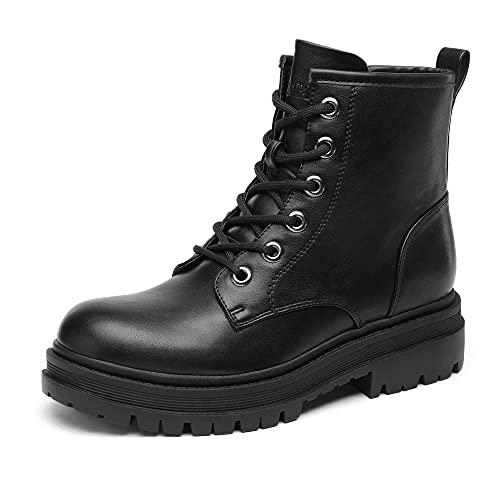


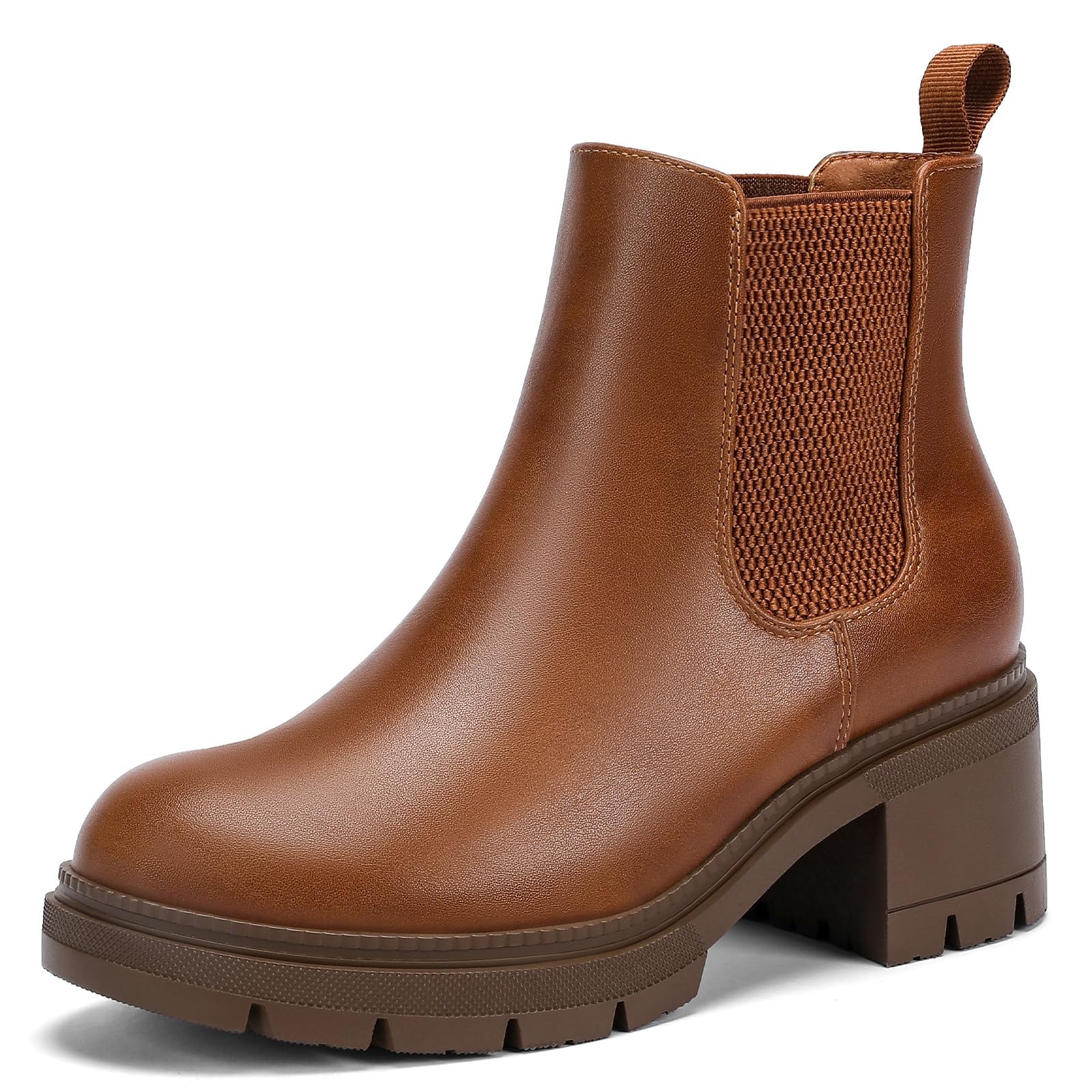
Chunky Boots 101: The Basics for New Buyers
A chunky boot is a boot built on a thick, bold sole with deep lugs and a wide, stable base. The upper usually covers the ankle and is made from leather, suede, nubuck, or synthetic materials, while the sole below does most of the visual and practical work. That extra sole height gives you clearance over puddles and mud, and the wide footprint feels steady on uneven ground.
If you are also weighing plainer year round styles, see our guide to the best chunky boots for how the general category compares across seasons. Fall versions add weather protection and grip that lighter fashion pairs often skip.
Three parts shape how any pair feels. The outsole is the rubber bottom that touches the ground and provides traction. The midsole sits above it and provides cushioning under your foot. The insole, sometimes called the footbed, is the layer your foot rests on directly, and on many boots you can remove and swap it.
Key Specs Explained in Plain English
The five topics below cover the specs that matter most when you compare the best chunky boots for fall against your own needs. Read them in order if you are new, because fit and support decisions build on the weather features you choose first. The product table above can then help you match those priorities to real listings.
Features That Matter for Fall
Fall asks more of a boot than summer or indoor wear. Rain, wet leaves, muddy paths, and sudden cold snaps all arrive in the same month, so look for sealed seams, water shedding uppers, and an outsole with deep multidirectional lugs. Lug depth of about 4 to 5 mm gives loose leaves and damp pavement something to grab instead of sliding across the surface.
Waterproof boots with a membrane such as Gore Tex keep rain out while letting some sweat vapor escape, which matters on mild days when your feet still warm up. Fully waterproof pairs can feel warm, so if your autumns are mostly dry and cool, a water resistant treated leather may suit you better. For a wider view of seasonal choices beyond the chunky shape, see our guide to the best fall boots and note which weather features repeat across styles.
Fit, Sizing, and Toe Box
Measure your feet in the afternoon or evening, when they are at their largest after a day of standing and walking. Stand on paper in the socks you plan to wear, trace each foot, and measure the longer tracing from heel to longest toe. Compare that length with the brand size chart for that exact boot, because sizes vary between makers.
A good fit leaves about a thumb width of space, roughly half an inch, between your longest toe and the front of the boot. Your heel should stay seated when you walk, with only slight movement, and toes need room to spread inside the toe box. Pinching at the toes on day one rarely stretches away, so treat it as a sizing problem. When you fall between sizes, most new buyers do better sizing up and adjusting with sock thickness or an added insole.
Sizing labels differ for women and men, and conversions between them are only a rough guide. Women comparing charts can see our guide to the best fall boots for women for sizing notes in that range, and men can see our guide to the best men's fall boots for notes on wider lasts and larger sizes.
Cushioning and Support
Cushioning in a chunky boot comes mainly from the midsole foam and the insole. A thicker midsole softens impact on pavement and packed trails, which you will notice most on long city walks. Very soft foam can feel unstable on uneven ground, though, so trail and yard use calls for a firmer feel that keeps your ankle steady when the surface tilts.
Stability describes how well the boot controls unwanted side to side motion, while a neutral boot lets your foot move more naturally. Chunky soles help stability because the base is wide, but the stiff cup around your heel, called the heel counter, matters too because it holds your heel centered. Heel to toe drop is the height difference between heel and forefoot, and a raised heel shifts some weight forward, while a lower drop spreads load more evenly for long standing shifts.
Weight and Flexibility
Chunky boots are heavier than sneakers, and weight is the tradeoff for that thick protective sole. A single fall boot often weighs about 1 to 2 pounds, and you feel the difference most at the end of a long day or on stairs. Lighter pairs use more foam in the sole, while heavier pairs use denser rubber and thicker leather that shrug off rocks and scrapes.
Flexibility tells you where the boot bends. A good pair bends at the ball of the foot, where your own foot bends, and stays stiff through the middle so your arch is not doing all the work. Match weight to your real plans: daily commuting rewards a lighter boot, while weekend trails and yard projects reward the heavier build.
Arch Support and Foot Type
Arch support is the shaped support under the middle of your foot, and the right amount depends on your foot type. Flat feet tend to roll inward as you walk, a motion called overpronation, and they usually feel best with firmer support and a stable heel. High arches roll outward more and often need extra cushioning, because a stiff high arch does not absorb impact as easily.
A wet footprint check at home gives a useful starting hint. Step onto dry paper with a wet foot and look at the print: a full wide print suggests flatter feet, a narrow connecting band suggests high arches, and something in between is a neutral shape. Removable insoles help too, because you can swap the footbed if the stock one does not suit you. If you have ongoing foot pain or numbness that keeps returning, talk with a clinician or podiatrist about your personal needs.
Rookie Mistakes to Avoid
Most first time regrets come from a handful of repeat errors, and each one is easy to sidestep once you can name it. Read this list before you order, then check your final choice against it one last time.
- Buying for looks alone and ignoring the outsole, so the boots slide on wet leaves and smooth wet pavement.
- Ordering your sneaker size without checking the brand chart, so thick fall socks turn a snug fit into toe pain.
- Choosing the heaviest boot for daily commuting, so tired legs make you leave the pair at home.
- Wearing brand new boots on an all day outing first, so stiff uppers rub blisters before the leather softens.
- Assuming waterproof means warm, so uninsulated boots feel cold during long outdoor events in late fall.
- Ignoring return terms, so a pair that fits poorly in your hallway becomes money you cannot recover.
Getting Started: First Wear, Break In, and Basic Care
When your boots arrive, wear them indoors first with your planned socks and walk on both carpet and hard floors. Check toe space while standing, not sitting, and climb stairs if you can to see whether your heel lifts too much. Keep the tags on and stay on clean floors until you are sure about the size, because most returns require unworn soles.
Break in new boots gradually over one to two weeks. Wear them for an hour or two at home, then for short errands, and only then for a full day out. Leather and stiff synthetic uppers soften where your foot bends, and a slow ramp gives your skin time to adjust. A small hot spot is a signal to stop and add thicker socks or a blister pad, not to push through pain.
Basic care keeps chunky boots for fall ready all season. Brush off dried mud, wipe the uppers with a damp cloth, and air dry wet boots at room temperature away from direct heat, since radiators can crack leather and weaken glue. Unlike open shoes, boots hold moisture inside, so remove the insoles after a soaking day to help everything dry fully.
Chunky Boots for Fall: Your Questions Answered
What features matter most in chunky boots for fall?
Traction, water protection, and a stable fit matter most in chunky boots for fall. Deep lugs keep you steady on wet leaves, a waterproof or water resistant upper keeps socks dry, and a firm heel counter stops your foot sliding inside. After those three, weigh warmth against breathability for your local climate. Rainy regions should rank waterproofing first, while dry and mild regions can favor lighter breathable pairs.
How should chunky boots for fall fit on your feet?
Chunky boots for fall should fit snug at the heel and midfoot with clear space at the toes. Aim for about half an inch in front of your longest toe while standing in your intended socks, and choose width that feels secure without squeezing your forefoot. One detail new buyers miss is trying both boots late in the day, because the larger foot should decide the size you keep.
How long is the break in period for chunky boots for fall?
The break in period for chunky boots for fall usually runs from a few days to two weeks of gradual wear. Soft synthetic uppers settle quickly, while thick leather can take longer around the ankle and the flex point. You should feel stiffness easing, not pain growing, as the days pass. If one spot still rubs after two weeks of short wears, the size or shape is likely wrong for your foot.
Can you wear chunky boots for fall all day?
Yes, you can wear chunky boots for fall all day once they are broken in and the weight suits your routine. The wide base and cushioning help on hard floors, but total weight tires legs faster than a sneaker would. Alternate with lighter shoes on the longest standing days while you adapt. If your job involves ladders or slick industrial floors, check workplace rules first, because fashion soles are not safety footwear.
How often should you replace chunky boots for fall?
You should replace chunky boots for fall when the tread, support, or upper can no longer do its job. Watch for lugs worn smooth in the heel strike zone, a midsole that stays compressed and feels flat, and cracks that let water in. For many casual wearers that point arrives after several seasons, not on a fixed schedule. Boots worn daily on pavement wear out far sooner than pairs saved for weekends.
Do you need waterproof chunky boots for fall?
You need waterproof chunky boots for fall if rain, puddles, or wet grass are a regular part of your week. A membrane lining keeps water out during steady rain in a way that surface treatments cannot match. Drier climates and mostly indoor days make water resistant uppers a reasonable and cooler choice. Water can still enter over the top of any ankle boot in deep puddles, whatever the lining promises, so route choice still matters.
Are expensive chunky boots for fall worth the cost?
Expensive chunky boots for fall are worth the cost when the extra money buys repairable construction, better leather, and a design a cobbler can resole. Mid priced pairs cover most first time needs well, while higher prices should bring clear upgrades you can name before you pay. Paying more mainly for a logo adds nothing underfoot. Ask about repair services, because a resole can stretch the value of a higher price over many seasons.
Wrapping Up
For a first pair, keep your priorities simple: steady traction, honest weather protection, and a fit with real toe room. Use the product table above to compare pairs against those three points instead of chasing every extra feature. Needs differ, so a commuter may favor light weight, a trail walker may favor deep lugs, and a rainy climate shopper may favor a full membrane.
Take your time with sizing, break the boots in slowly, and let your most common fall day guide the final call. Chosen that way, the best chunky boots for fall become the pair you reach for without thinking, from the first cool morning to the last muddy weekend of the season.


