
Best Chrome Laptops 2026: Everything Before You Buy
Disclosure: We may earn a commission when you buy through links on this page, at no extra cost to you. As an Amazon Associate I earn from qualifying purchases. Learn more

Choose the best chrome laptops by ChromeOS fit, processor tier, RAM, storage and battery life for school or work.
Chrome laptops, better known as Chromebooks, run ChromeOS and center on web apps, cloud storage, and long battery life. When you shop for best chrome laptops, you want a model that handles your schoolwork, office tasks, or browsing without paying for power you never use. The comparison table below shows the main tiers side by side, so you can match one to your needs.
First time buyers often wonder whether ChromeOS can replace Windows or macOS, and the honest answer depends on your apps. If your work lives in a browser, Google Workspace, or Android apps, a chrome laptop feels fast and simple. If you need specific desktop software, check compatibility before buying, since that decides everything.
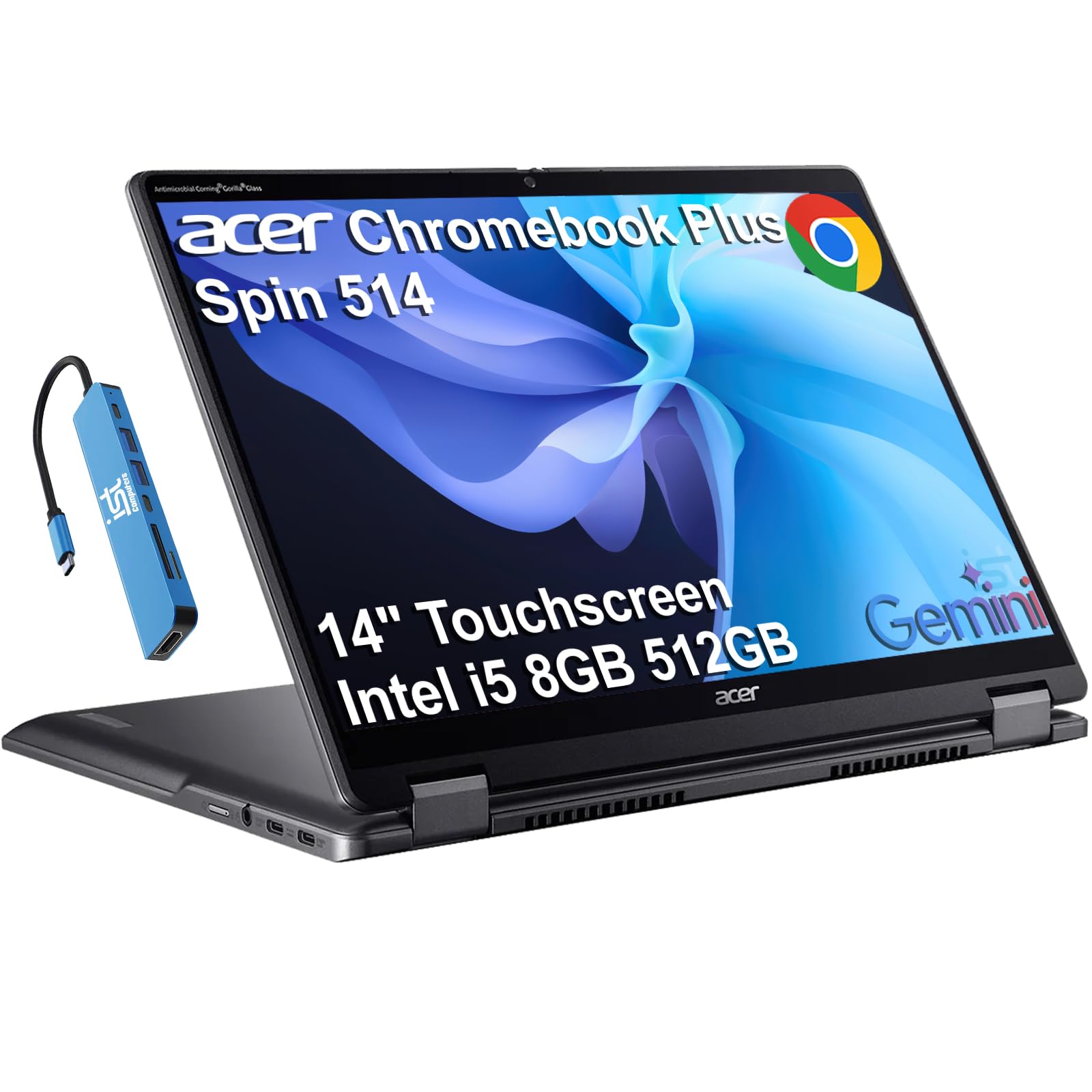



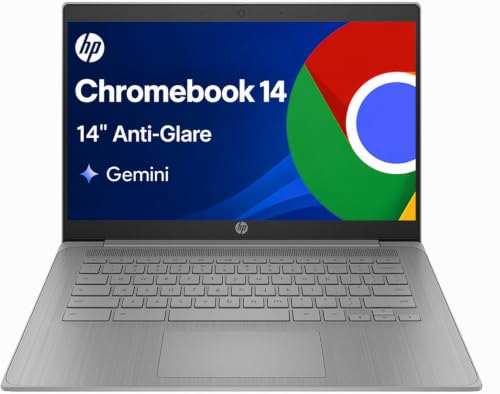


Chrome Laptops 101: The Basics
A chrome laptop boots in seconds, updates automatically in the background, and stores most files in the cloud, which keeps the system fast and low maintenance. The interface centers on the Chrome browser, with Android apps and Linux support on many models for extra flexibility. Security is built in, with sandboxed apps and verified boot that checks the system on startup.
This simplicity suits students, casual users, and workers whose tools are web based. It suits less well users who need full desktop versions of specialized software such as advanced video editors or engineering tools. List the apps you must run, check whether web or Android versions exist, and only then commit to ChromeOS.
Processor and Performance Tier
Processors in chrome laptops range from efficient entry chips for browsing and documents to faster Intel Core and AMD Ryzen chips for multitasking and heavier web apps. Entry chips suit single task use and schoolwork, while midrange chips handle many tabs, video calls, and Android apps smoothly. High end chips suit power users who run Linux apps or demanding web tools.
Do not judge by brand alone, since the same brand spans very different speeds. Check the chip generation and core count, and read how it handles your typical workload: many tabs, video streaming, and video calls together. A midrange processor usually offers the best balance for most buyers, avoiding both sluggishness and overspending.
RAM, Storage, and Display
RAM decides multitasking smoothness. A minimum of 8GB suits most users, while 16GB suits heavy tab users and Android app multitaskers. Storage matters less than on Windows, since files live in the cloud, but 128GB suits most users and 256GB suits those who store media locally. Check whether storage is expandable by microSD, since that adds cheap flexibility.
Display size and quality shape daily comfort. A 14 inch screen balances portability and readability for most users, while 13 inch models travel lighter and 15 inch models suit desk use. Look for full HD resolution and decent brightness, since dim screens strain eyes outdoors. Touchscreens and convertible hinges add versatility for tablet style use and note taking.
Battery Life in Real World Use
Battery claims assume light use, so treat them as optimistic. Real world use with video calls, streaming, and many tabs usually delivers 8 to 12 hours on good models, which still covers a school or work day. Check independent battery reviews when available, and consider your own mix of tasks rather than the headline number.
Charging matters too: USB C charging is standard and convenient, since the same charger can power a phone or tablet. Fast charging helps on busy days, topping up a large share in under an hour on many models. Carry the charger for long days away from power, and dim the screen to extend life when needed.
Operating System and Ecosystem Fit
ChromeOS fits best when your tools are Google Workspace, web apps, or Android apps, and when you already use a Google account and cloud storage. It syncs settings and files across devices, making a lost or replaced laptop easy to restore. Offline support has improved, with many web apps working without internet for documents and media.
Ecosystem fit also includes peripherals: most USB C accessories, printers, and external displays work well, but check compatibility for specialized hardware. If your school or workplace manages devices, confirm enrollment and management support before buying. A chrome laptop that fits your ecosystem feels effortless, while one that fights it frustrates daily.
Related Guides Worth Reading Next
For traditional notebook styles beyond ChromeOS, best notebook laptops compares portable laptops by size, weight, and performance.
Google branded and Google focused chrome models are covered in best google chrome laptops, which looks at official and partner devices.
For ChromeOS models more broadly, best chrome os laptops compares the operating system range across makers and price tiers.
College buyers should also check best laptops for college, which weighs durability, battery, and campus needs across all laptop types.
Rookie Mistakes to Avoid
The most common mistake is buying the cheapest model and expecting it to handle heavy multitasking, which leads to slowdowns and frustration. Another is ignoring app compatibility, then discovering a must have program lacks a web or Android version. Always list your essential apps and check their web versions before buying.
Also avoid overpaying for storage you will not use, since cloud storage covers most chrome laptop needs. A model around $300 to $600 covers most students and casual users, while premium models above that suit power users and professionals. Match the tier to your workload, and the laptop will feel fast for years.
Chrome Laptops for Travel
Travel rewards the traits chrome laptops already offer: light weight, long battery life, and fast startup. A 13 or 14 inch model fits most bags and airplane trays, while a convertible hinge turns the laptop into a tablet for reading and media on flights. Choose a model under 3 pounds when possible, since every ounce matters on long travel days.
Offline preparation matters for travel, since wifi is unreliable on planes and in remote areas. Download documents, maps, and media before departure, and confirm your essential apps work offline. Carry a USB C charger that also powers your phone, reducing cable clutter, and pack a compact mouse if you dislike trackpads for long work sessions.
Security on the road is another chrome laptop strength, since automatic updates, sandboxed apps, and easy remote wipe protect your data if the device is lost. Enable screen lock and two factor authentication on your Google account before traveling, and avoid public wifi for sensitive tasks without a trusted connection. A chrome laptop travels lighter and safer than most alternatives.
Frequently Asked Questions
Can a chrome laptop replace a Windows laptop?
It can if your work lives in web apps, Google Workspace, or Android apps, since ChromeOS handles browsing, documents, video calls, and media smoothly. It cannot fully replace Windows for specialized desktop software such as advanced video editors, engineering tools, or certain games. List your essential apps and check for web or Android versions before switching. Many users find a chrome laptop covers daily needs while keeping a desktop for specialized tasks.
How much RAM do I need in a chrome laptop?
A minimum of 8GB suits most users for browsing, documents, and video calls, while 16GB suits heavy multitaskers who keep many tabs and Android apps open. Entry models with 4GB feel slow under multitasking and suit only light, single task use. Since RAM is rarely upgradeable in chrome laptops, buy the amount you will need for the laptop lifetime, not just for today.
Do chrome laptops work offline?
Yes, many web apps including Google Docs, Sheets, and media players work offline once set up, syncing changes when you reconnect. Offline capability varies by app, so check your essential tools before relying on it. Downloads for movies and music also work offline on many models. ChromeOS handles offline use better than its early reputation suggests, but it still favors an internet connected workflow.
Are chrome laptops good for students?
Yes, they suit students well because they boot fast, last a school day on battery, update automatically, and cost less than comparable Windows laptops. They handle research, writing, video classes, and cloud collaboration smoothly. Check your school app requirements first, since some courses need specific desktop software. For most coursework, a midrange chrome laptop with 8GB of RAM is a strong, affordable choice.
How long do chrome laptops receive updates?
Most chrome laptops receive automatic updates for many years from release, with the exact period listed by Google for each model. Check the update expiration date before buying, especially for older or discounted models, since a short remaining period limits security and features. Newer models typically offer longer support, making them better long term value. This date matters more than small hardware differences for longevity.
Final Thoughts
A chrome laptop suits you when your work lives in the browser and you value speed, battery life, and low maintenance. Check app compatibility, choose 8GB of RAM or more, and pick a display and battery that fit your day. The product table above can help you compare tiers before you decide.
Match the model to your workload rather than to price alone, and the laptop will feel fast and simple for years. That honest app check is the key step among best chrome laptops.


