
Best Christmas Cookie Cutter Set: Types, Materials and Budget (2026)
Disclosure: We may earn a commission when you buy through links on this page, at no extra cost to you. As an Amazon Associate I earn from qualifying purchases. Learn more

Compare stainless steel, plastic and large assorted cutter sets by edge, size and budget to find the best christmas cookie cutter set for your baking.
Picture a December afternoon in a small kitchen. The counter is dusted with flour, two kids are arguing over who gets the snowman, and the one cutter you actually need is bent from last year. Choosing the best christmas cookie cutter set ahead of the rush saves that scramble. The right set matches your counter space, the number of bakers in your home, and how many cookies you realistically bake each season.
This guide walks through materials, edge styles, sizes, and honest budget ranges so you can pick once and bake for years. Start with the comparison table below for a quick side by side look at the main set types, then read on for the details that matter.

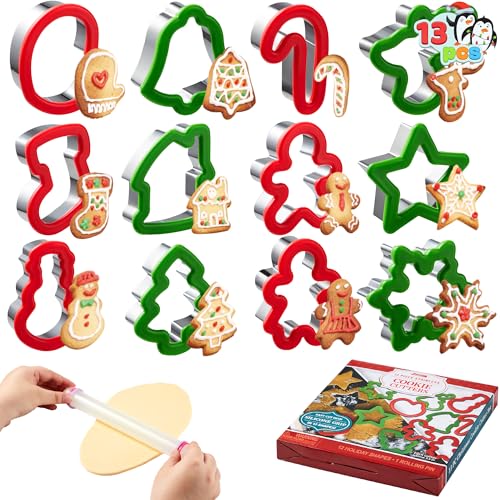


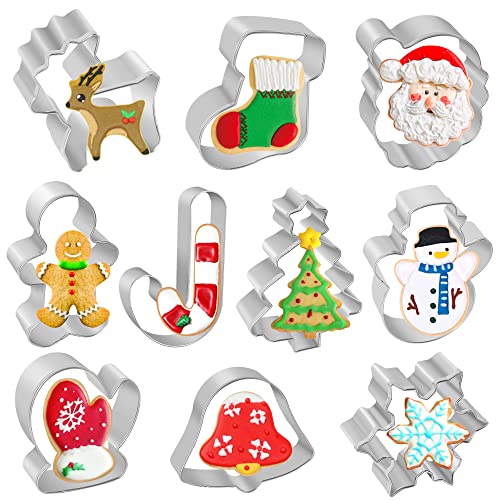
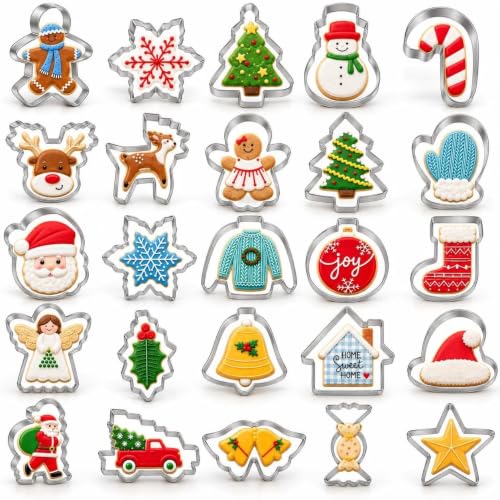

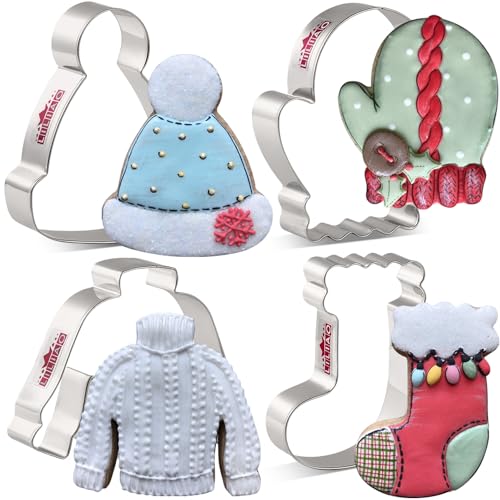
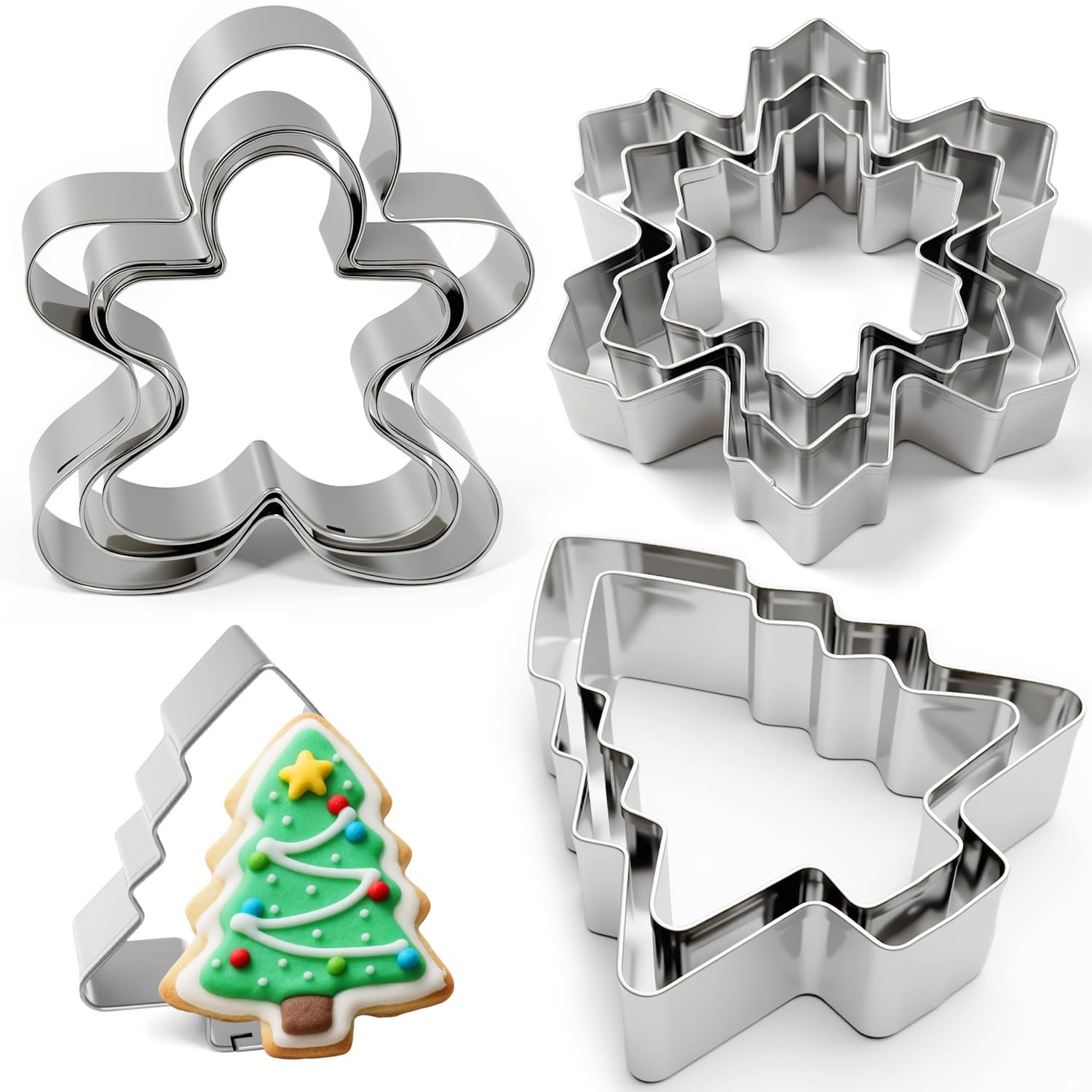

Quick Answer: The 3 Set Types in 30 Seconds
If you bake a few batches each December and want clean shapes with little fuss, a stainless steel set in classic shapes is the safest all round choice. If young kids do most of the pressing, a plastic set with smooth, rounded tops is gentler on small hands. If you host a cookie exchange or bake for a school event, a large assorted set earns its storage space. Everything below explains how to tell these types apart before you spend anything.
Before You Buy: A Quick Checklist for Choosing a Cookie Cutter Set
Which Type Fits Your Routine
Christmas sets come in a few distinct families. Stainless steel cutters are thin, sharp, and precise, and they suit rolled sugar cookie dough and gingerbread. Tin plated steel looks similar but costs less and needs careful drying to stay rust free. Plastic cutters are thicker and duller, which makes them friendly for children, fondant, and soft foods. You will also see add ons such as gingerbread house kits, biscuit and fluted rounds, and alphabet letters for names. If you bake all year and not just in December, our guide to the best cookie cutter set covers everyday sets that pair well with a seasonal box.
Edge, Finish, and Comfort
The cutting edge does the real work. A thin, sharp bottom edge slices chilled dough cleanly, so shapes keep crisp corners and lift off the counter without stretching. Look at the top edge too. A rolled or folded top gives your palm a comfortable place to press, while a raw cut top can dig into your hand across a big batch. Finish matters for upkeep rather than looks. Plain stainless steel shrugs off water and resists rust. Tin plated and coated cutters can look charming, but chips in the finish expose metal that stains faster, so they ask for gentler washing and prompt drying.
Sizes and Shape Counts
Sets range from small boxes of 4 or 5 shapes to big assortments of 20 or more. More is not always better. A home that bakes two or three trays needs the classics within easy reach: a tree, a star, a snowman, a gingerbread figure, a reindeer, and a snowflake cover most decorating plans. Size matters as much as count. Cutters around 3 to 4 inches make cookies that bake evenly and are easy for kids to decorate. Very small cutters suit bite size treats and fondant toppers, while oversize shapes need a wider rolling area and careful handling so the dough does not tear.
Realistic Budget Ranges
Most home bakers land in one of three bands. Under $10 usually buys a small plastic set or a basic tin plated set with a handful of shapes, fine for one season of light baking. About $10 to $20 is the practical middle, where stainless steel sets with a storage box and a good spread of sizes live. Above $20, you are paying for larger assortments, thicker steel, comfort grip tops, or specialty shapes such as house building kits. No band guarantees quality on its own, so judge the edge, the material, and the storage rather than the price tag.
Types Compared: Three Styles of Christmas Cookie Cutter Set
Stainless Steel Sets for Most Homes
This is the default choice for rolled dough. Thin steel walls cut sugar cookie and gingerbread dough with clean edges, so reindeer antlers and snowflake points survive the trip to the baking sheet. The shapes hold up season after season, and the metal does not bend under normal hand pressure. The trade off is comfort and care. Sharp top edges can tire your palm during a long session, and the cutters should be washed and dried by hand rather than left soaking. Choose this style if you bake several batches each December and care most about neat shapes.
Plastic Sets for Baking With Kids
Plastic cutters trade sharpness for safety and comfort. Their thick walls and smooth, rounded tops press easily under small palms, and there are no sharp edges to worry about when little helpers crowd the counter. Many plastic sets add a second piece that stamps a pattern into the dough, which keeps decorating simple for beginners. The limits show up with firm or chilled dough, where a dull edge can drag and distort a shape. Plastic also suits fondant and soft sandwiches better than crisp rolled cookies. Pick this style when the baking session itself is the family activity.
Large Assorted Sets for Big Batches and Gifts
Assortments of 15 to 30 pieces shine when variety is the point. A cookie exchange tray looks generous when every plate holds different shapes, and gift boxes feel special when trees, stars, stockings, and bells all appear in one tin. Multiple sizes of the same shape help too, since you can fill gaps on a platter with smaller cookies. The downside is storage and clutter, and you may never use the odd shapes at the bottom. Choose this style if you host, gift, or bake for groups at least once each season.
Our Selection Process for the Best Christmas Cookie Cutter Sets
We judge sets on the factors that show up in a home kitchen. The cutting edge should slice chilled dough without dragging. The material should be food safe, sturdy, and slow to rust. Shapes should release dough without a fight, keep their outline after repeated use, and cover the classic figures most families actually decorate. We also weigh cleanup, storage in a real drawer, and whether the piece count matches the price. These criteria come from manufacturer specifications and patterns in verified buyer feedback about bent shapes and rust spots.
What We Like and What We Don't About Christmas Sets vs Everyday Sets
Christmas themed sets earn their place through shape variety. A single box gives you the figures that define the season, in sizes planned to work together on one tray. Decorating feels easier when a snowman, tree, and star are all sized for the same batch of dough and baking time. Everyday sets cannot match that seasonal range.
The honest downside is the calendar. A Christmas set works hard for about one month and then sits in storage for the other eleven. It also duplicates shapes you may already own, such as plain stars and rounds. If cupboard space is tight, a modest Christmas set plus your everyday cutters is a smarter mix than one giant assortment. Families who bake for school events or gift giving get far more value from the big box than a household that bakes a single tray.
Common Buying Mistakes to Avoid
- Buying the biggest assortment on sale, then storing shapes you never use while the classic tree and star go missing in the clutter.
- Choosing cutters too small for your decorating style, so icing details crowd together and kids lose patience.
- Ignoring the top edge, then pressing a sharp rim into your palm tray after tray.
- Picking tin plated or coated cutters for a damp kitchen and letting them soak, which invites rust that stains pale dough.
- Forgetting storage, so loose cutters bend in a drawer and cut wobbly shapes next December.
- Assuming every shape bakes the same, when detailed cutters need slightly thicker dough to hold their outline.
Cost of Ownership and Care
A cookie cutter set has almost no running cost, but a little care decides whether it lasts two seasons or twenty. Wash cutters in warm soapy water right after baking, before dough dries into the corners. Dry each piece with a towel instead of leaving it to air dry, since standing water is what starts rust on tin plated steel. A light rub of plain cooking oil on tin plated edges before storage adds protection in humid homes. Store the set in its tin or a small box, nested by size, so edges stay straight and the box it came in stays worth keeping.
Your Questions, Answered
What is the most reliable cookie cutter set brand?
Reliability in this category tracks construction more than a name on the box. Look for stainless steel with a smooth rolled top edge, even seams, and shapes that feel firm when you press the sides gently. Sets sold with a storage tin and clear size markings tend to come from makers who sweat the details. Read recent buyer comments for mentions of rust or bent shapes, since those complaints predict a short life better than any brand claim.
How do you clean a cookie cutter set?
Wash the cutters soon after baking in warm water with a little dish soap, and use a small bottle brush to clear dough from narrow points like antlers and snowflake tips. Rinse, then dry every piece right away with a clean towel. If dough has hardened, a short soak softens it, but take the cutters out and dry them as soon as the residue lifts. Skipping the dishwasher protects thin edges and coated finishes from dulling and chipping.
Is a cookie cutter set worth it?
For most homes, yes, because one modest set replaces years of tracing shapes with a knife or buying single cutters one at a time. The math improves each season you reuse it, and a themed set makes decorating feel like an event rather than a chore. It is less worth it if you prefer drop cookies or slice and bake logs, since those styles need no cutters at all. Buy for the baker you actually are, not the one in the holiday photos.
How long does a cookie cutter set last?
A stainless steel set that is washed, dried, and stored in a box can serve for decades, because little on it can wear out beyond the sharpness of the edge. Tin plated sets typically give several good seasons before rust or bent spots appear, especially in humid kitchens. Plastic sets last until the walls warp or crack, which heat from a dishwasher speeds up. Longevity depends less on price and more on drying and storage habits after each bake.
Are christmas cookie cutter sets worth it?
They are worth it when December baking is a real tradition in your home, because the themed shapes do work that round and square everyday cutters cannot. A family that decorates one batch a year still gets good value from a small set under $10. The value drops when a huge assortment spends the season untouched, so match the piece count to your guest list and gift giving plans. Borrowing a set from a friend is also a fair test before you commit cupboard space.
What is the best christmas cookie cutter set for a small kitchen?
Choose a compact stainless steel set of about 6 to 10 classic shapes that arrives in its own flat storage tin. The tin keeps edges safe in a drawer, stacks neatly in a cupboard, and stops pieces from wandering off between seasons. Skip assortments with bulky plastic handles or display packaging you will throw away. If you already own plain rounds and stars, a tiny add on set with a tree, a reindeer, a snowman, and a gingerbread figure fills the seasonal gap for very little space.
Final Thoughts
Match the set to your household and the choice gets easy. Stainless steel suits most homes and most dough. Plastic keeps baking sessions with kids relaxed and safe. A large assortment pays off when you host, gift, or fill a cookie exchange tray. Whichever route you take, the best christmas cookie cutter set is the one that fits your drawer, your budget, and the number of bakers at your counter. Check the product table above before you order, and December baking can start with sharp edges and no scrambling.


