Best Christmas Card Printers 2026: Complete Buying Guide
Disclosure: We may earn a commission when you buy through links on this page, at no extra cost to you. As an Amazon Associate I earn from qualifying purchases. Learn more
Learn which printer features matter for holiday cards: thick stock, borderless photos, fast drying ink and running costs.
Printing your own holiday cards saves money on a long list and lets you use your own photos, but only if the printer can handle thick paper and rich color. A basic office printer often jams on card stock or leaves a white border around the picture. Choosing the best christmas card printers means looking at paper handling, ink type and borderless printing before you look at anything else.
This guide explains who needs which kind of printer, the main types compared, the features that matter for cards, and how to get clean results on the first try.




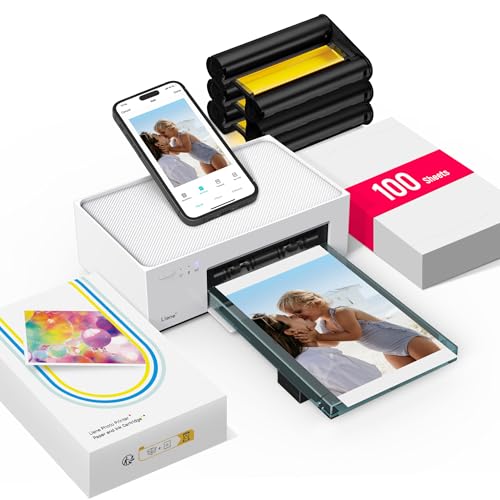
Who Should Print Christmas Cards at Home
Families sending photo cards to a long list gain the most, since a home printer pays for itself after a few batches. Small businesses sending cards to clients like the control over timing and design. Crafters who make layered or folded cards need a printer that accepts heavier paper. If you only send ten cards a year, an online print service may cost less than owning a photo printer.
Types of Printers Compared
| Type | Best For | Typical Price |
|---|---|---|
| Inkjet photo printers | rich color and borderless photo cards | about $80 to $350 |
| All in one inkjet printers | printing, scanning and copying in one machine | about $80 to $350 |
| Compact photo printers | small batches of photo cards | about $80 to $350 |
Inkjet Photo Printers
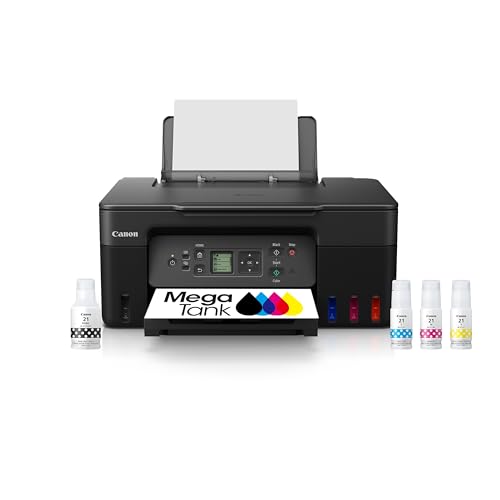
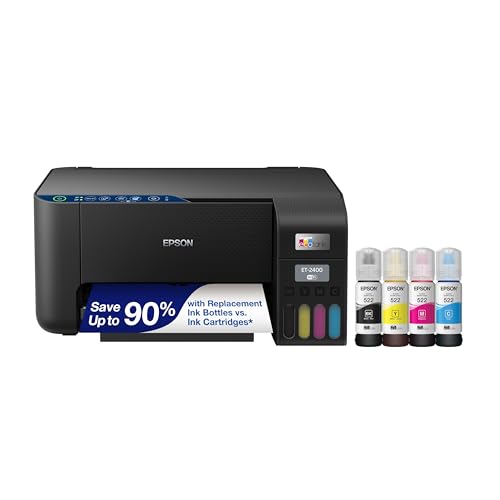
Inkjet photo printers use several ink colors to give smooth skin tones and deep reds and greens, which matter on a holiday card. Most accept glossy and matte photo paper and handle borderless printing at common card sizes. Their weak point is ink cost, which rises quickly for photo heavy cards, so look for models with refillable tanks or high capacity cartridges.
All in One Inkjet Printers
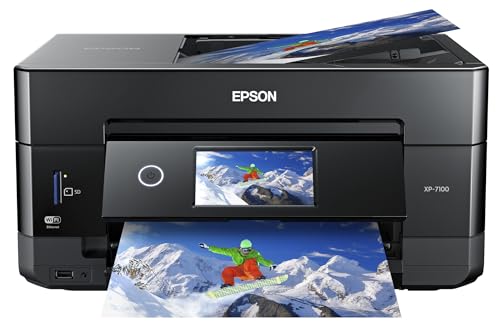
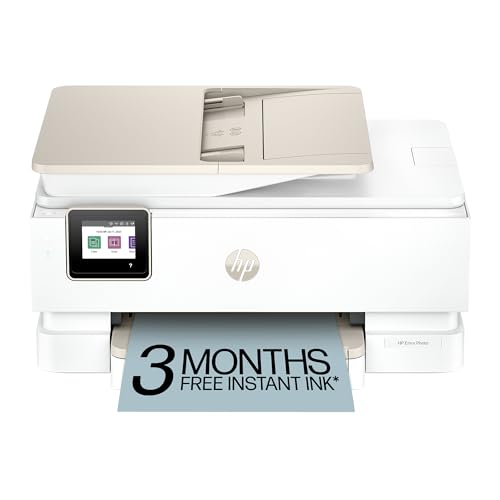
An all in one printer prints, scans and copies, which is useful if you also scan old family pictures or print addresses on envelopes. The scanner lets you digitize a favorite photo for the front of a card. Color quality is usually good, though some models do not feed heavy stock cleanly from the main tray.
Compact Photo Printers
Compact printers make small photo prints in minutes and often connect to a phone. They are handy for a short list or for printing a single picture to tuck inside a card. They typically print only a few fixed sizes, so they suit photo inserts better than full folded cards.
Features to Check Before You Buy
- A paper path that accepts thick card stock without bending it sharply.
- Borderless printing at the size of your cards.
- Ink that dries quickly and resists smudging, since cards are handled right after printing.
- A rear feed or manual feed for heavy paper.
- Enough ink capacity for a full card list, or a refillable tank.
- Software or an app that sizes cards correctly and previews the margins.
Check the maximum paper weight in the printer description, not just the paper size. A model that lists card stock in its supported media is far safer than one that only mentions plain paper.
If you want a wider view of related models, see our guide to the best printers for greeting cards and the best printers for card stock.
Dye Ink or Pigment Ink
Dye ink produces bright color and is common on photo printers, but it can smudge if a card gets damp. Pigment ink sits on top of the paper and resists water and fading, which helps cards that are handwritten over or mailed in winter weather. Many home printers use a mix of both. If you plan to write inside the card with a pen, let the printed side dry completely first.
Printing Tips for Better Cards
- Print one sample card before running the whole batch, and measure the margins.
- Choose the card stock or matte photo paper setting in the printer dialog, not plain paper.
- Feed one sheet at a time when printing very thick stock.
- Let each sheet dry flat for several minutes before stacking.
- Keep spare ink at home before the holiday rush, since stores sell out in December.
Common Mistakes
The most common mistake is buying a cheap printer without checking its paper weight limit. Others include choosing plain paper settings, ignoring the cost of replacement ink and forgetting that photos with deep colors use far more ink than text. Measure your card size, check the supported sizes, and plan for the ink you will really use.
What Your Money Gets
Printers at the lower end of the range handle basic photo prints and light card stock, which is enough for a short list. Mid priced models add better color, faster printing, borderless support and a rear feed. Higher priced printers add more ink colors, refillable tanks and larger paper sizes. Compare the running cost of ink before the purchase price, because ink often decides the real cost over several seasons.
Frequently Asked Questions
Can a normal home printer handle card stock?
Many home printers handle light to medium card stock, but heavy stock can jam or feed unevenly in a tight paper path. Check the maximum paper weight in the printer guidance, and print one card before running a full batch. A rear feed or manual feed often handles thick stock more reliably.
Inkjet or laser for Christmas cards?
Inkjet printers usually give richer photo color and better borderless results, which suits photo cards. Laser printers often print text sharply and handle large batches fast, but photo color can look flatter. Choose inkjet for photo heavy cards and laser for text heavy cards printed in volume.
Why does ink smudge on some cards?
Smudging often comes from ink that has not dried, a paper coating that does not match the ink, or a setting meant for plain paper. Use the card stock setting, let sheets dry flat before stacking, and try one card first. Pigment inks also tend to resist smudging better than dye inks.
How do I print borderless cards?
Choose a printer and paper size that support borderless printing, then select that option in the print settings. Some printers leave a small margin on certain sizes, so check the supported sizes before you buy paper. Print one card and measure the margins before running the full batch.
How many cards can I print per ink set?
Yield depends on card size, color coverage and photo content, so maker page counts are only a rough guide. Photo heavy cards use far more ink than simple text cards. Print a small batch early to judge real ink use.
Final Thoughts
Check the paper weight limit, borderless support and ink type, then judge the running cost over a few seasons. A printer that handles card stock cleanly and dries fast will make your holiday cards a pleasure rather than a chore. Compare the models in the product table above on those points, and the best christmas card printers for your list will stand out.