
Best Chopsticks for Food: Every Type Explained Side by Side for 2026
Disclosure: We may earn a commission when you buy through links on this page, at no extra cost to you. As an Amazon Associate I earn from qualifying purchases. Learn more

Compare the best chopsticks for food by type, with pros, cons, ideal users, and price range, so you can choose the right style for your table and kitchen.
Walk into any kitchen store and you will find chopsticks in a dozen materials, lengths, and tip shapes, all claiming to suit every meal. That variety is exactly what makes choosing confusing, because a pair that feels perfect for slippery noodles may feel clumsy with grilled vegetables or delicate fish.
This guide compares the main types side by side so you can match a material to the way you actually eat and cook. You will find the best chopsticks for food by looking at grip, heat tolerance, cleaning, and cost, and the comparison table below gives you a quick overview before the detail that follows.
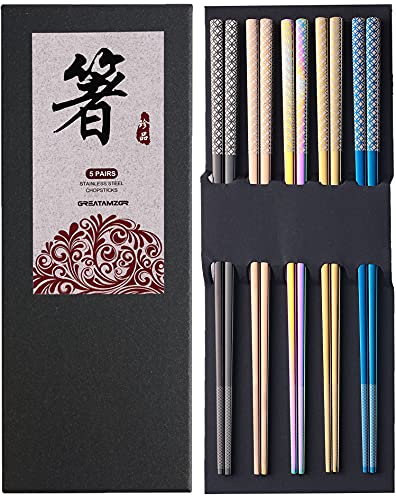
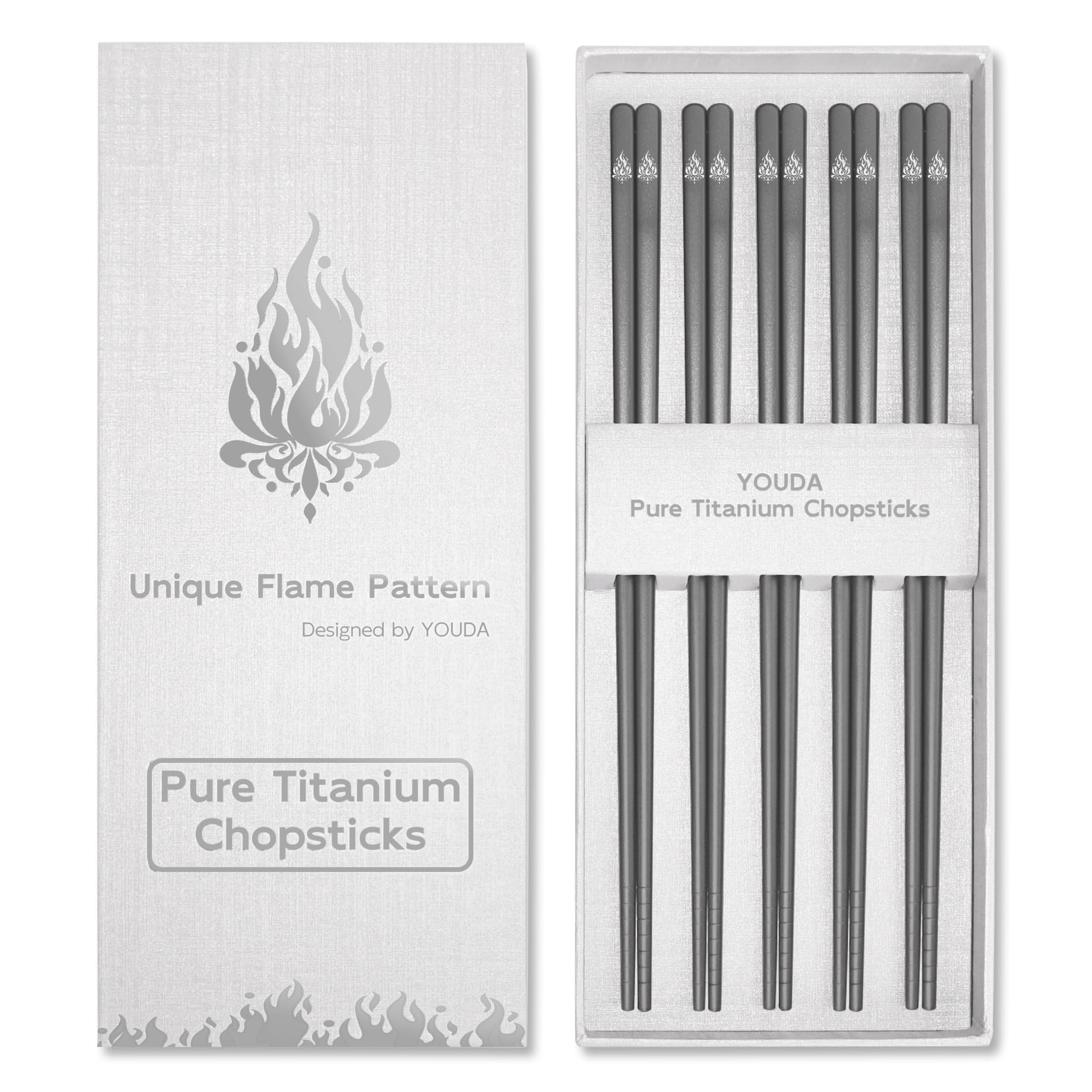


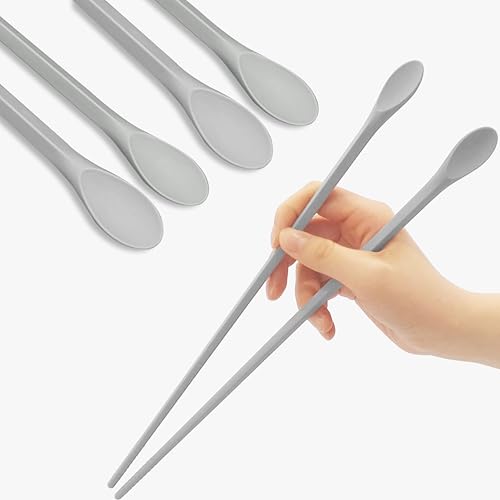

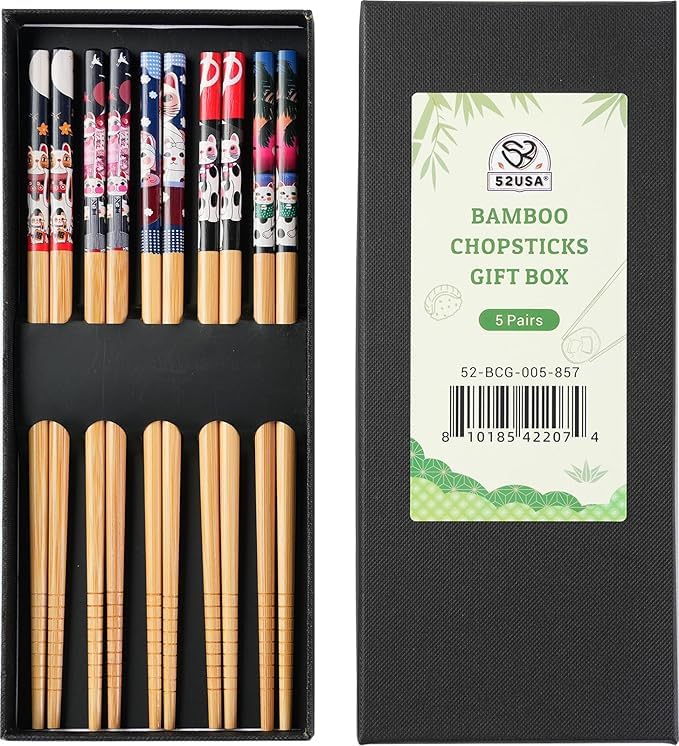
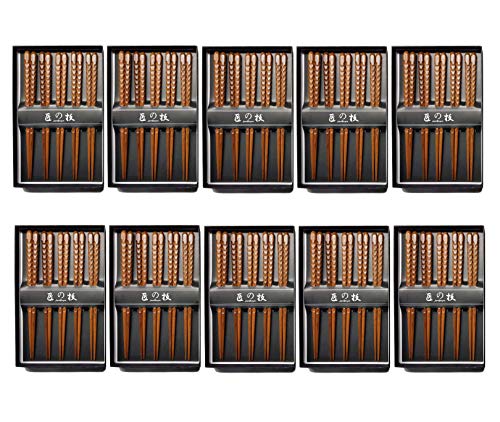

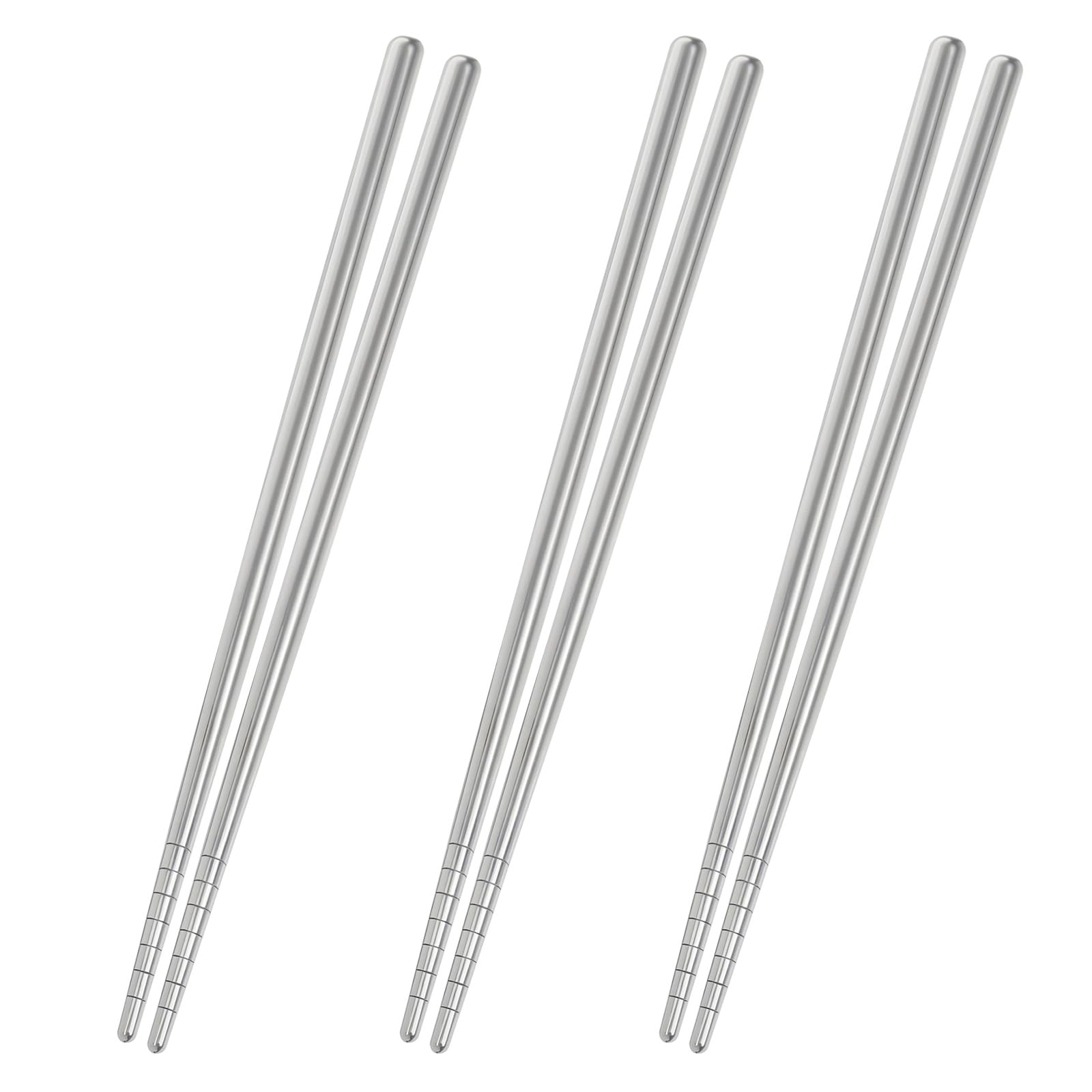
Types of the Best Chopsticks for Food Compared
Price is a useful starting point. Basic pairs often cost under $10 for a small set, midrange sets with better finishes usually run about $10 to $25, and premium handmade or specialty sets can reach around $25 to $50. What changes with price is rarely the basic shape. It is the smoothness of the finish, the consistency of the tips, how well the material tolerates heat and washing, and whether the pairs in a set all match in weight and length.
Keep one practical point in mind as you read. The right choice depends on whether you mostly eat with chopsticks at the table, cook with them at the stove, or do both. A household that does both often ends up happiest with two different pairs rather than one compromise pair.
Silicone Options
Silicone chopsticks are usually built around a firm core with a food grade silicone coating, and many are sold as cooking chopsticks because the coating tolerates high heat and will not scratch delicate pan surfaces. The soft surface grips food well, which helps beginners hold onto dumplings, tofu, and other smooth items that slide off polished wood.
The trade off is feel. The coating adds thickness, so the tips are less precise for picking small bones or separating thin slices. Silicone also holds onto strong food odors longer than steel does, so a pair used with garlic heavy dishes may need a thorough soak before it smells neutral again. Choose silicone if you cook at the stove often, share a kitchen with new users, or want one pair that moves from pan to plate without worry.
Plastic and BPA Free Options
Plastic chopsticks are the lightweight, low cost option you will see in large family sets and casual restaurants. When you shop this category, look specifically for BPA free labeling and a stated heat limit, because inexpensive plastic can soften or warp near a hot wok or in a very hot wash cycle.
The strengths are convenience and consistency. Plastic pairs are usually dishwasher safe, light in the hand, and cheap to replace when one goes missing. The weakness is texture. Smooth plastic can be slippery with oily food, so look for textured or ridged tips if you choose this material. Plastic suits large households, lunch boxes, and anyone who wants a big matching set for guests without spending much per pair.
Glass Options
Glass chopsticks are the least common type, and they earn their place mostly through looks and hygiene. Glass is nonporous, so it does not absorb food colors or odors, and it wipes clean with almost no effort. A clear or tinted pair also looks striking on a set table, which is why many buyers choose glass for serving and entertaining.
The limits are real, though. Glass is heavier than wood or plastic, it can feel slippery with sauced food, and it can chip or break if dropped on tile or stone. Heat tolerance varies by maker, so check the stated limit before using a glass pair near the stove. Choose glass if presentation and easy cleaning matter most and the pair will live at the dining table rather than in a busy cooking rotation.
Stainless Steel Options
Stainless steel chopsticks are the durability leaders. Look for 18/8 stainless steel, a common food contact grade that resists rust and staining through years of washing. Steel pairs are thin, precise, and completely nonporous, so flavors from one meal never carry into the next.
That precision comes with two cautions. Smooth steel can be the hardest surface for beginners to control, especially with round or oily food, so textured tips make a genuine difference. Steel also conducts heat, which makes long steel pairs a poor match for deep frying or prolonged stirring in a hot pot. Choose steel if you want a set that lasts for many years, you already have a confident grip, and most of your use happens at the table.
Silicone Options vs Plastic and BPA Free Options: Which Should You Choose?
These two types compete for the same buyers, so compare them on the points that separate them. For heat, silicone wins clearly, since quality silicone coatings tolerate stove level temperatures that would soften many plastics. For grip, silicone also leads, because its soft surface holds smooth food with less squeezing pressure from your fingers.
Plastic answers back on price and weight. A large plastic set usually costs less than a smaller silicone set, and plastic pairs feel lighter during a long meal. For cleaning, both are generally dishwasher safe, though silicone benefits from an occasional soak to clear lingering odors. Pick silicone for cooking and mixed use. Pick plastic for big, inexpensive table sets where heat exposure stays low and easy replacement matters more than grip.
How to Choose the Right Chopstick
Ease of Cleaning (Dishwasher Safe?)
Cleaning habits should guide your material choice more than most buyers expect. Steel, glass, and most plastic and silicone pairs handle the dishwasher well, which suits households that eat with chopsticks daily. Wood and bamboo pairs usually need hand washing and prompt drying, a small task that becomes annoying if you run the dishwasher after every meal. Check the care instructions before you buy a large set, because a set you dread washing is a set that quietly stops being used.
Heat Resistance and Cookware Safety
Heat matters in two places, the food itself and the pan. Any pair used for cooking should list a clear heat limit, and longer cooking lengths, often around 13 to 16 inches, keep your hand away from steam and splashing oil. Just as important, avoid metal tools on nonstick pans, because steel tips can damage the coating over time. Silicone, wood, and bamboo are the safer choices around coated cookware, while steel belongs at the table or in uncoated pans.
Features That Matter for Food
Food places specific demands on a pair. Tip shape decides how well you can grip, so look for tapered tips with fine ridges or a lightly roughened surface for noodles, dumplings, and grilled items. Length matters too. Standard dining lengths around 9 to 10 inches suit most adults, while shorter pairs give children and smaller hands better control. If you want a deeper look at how materials change these traits, see our guide to the best material for chopsticks before you settle on a set.
Material and Food Safety
Safe materials share a few traits. They are nonporous or well sealed, they carry clear food contact labeling, and they tolerate the temperatures you will actually use. For steel, 18/8 stainless steel is the grade to look for. For silicone, choose food grade silicone with a stated heat limit. For plastic, insist on BPA free labeling. For wood and bamboo, a smooth, splinter free finish matters because cracks and rough spots can trap residue and are hard to clean fully.
Size, Capacity, and What Is Included
Sets range from a single pair to bundles of ten pairs or more, and the right count depends on your household and how often you host. A set of five pairs covers most families, while entertainers may want ten matching pairs plus a few longer cooking pairs. Before ordering, measure your drawer or storage crock, because longer cooking chopsticks do not fit every organizer. Some sets add rests, cases, or a storage box, and those extras are worth having if your drawers are crowded.
Care and Maintenance Tips
A few habits extend the life of every type. Hand wash wooden items and oil them monthly with a food safe oil to prevent drying and cracking. Air dry fully before storing, since trapped moisture dulls finishes and can leave odors in natural materials. Keep steel away from prolonged soaking in salty water, rinse glass carefully to spot chips early, and store all pairs with the tips aligned so fine points do not bend or snap in a crowded drawer.
FAQs
What features matter most in chopsticks for food?
Tip grip matters most, followed by the right length for your hand and a material that matches your cooking habits. One extra point many buyers miss is balance. A pair that feels heavy at the back end tires your hand during a long meal, so if you can, compare how a pair rests across your fingers before committing to a full set.
Are chopsticks for food dishwasher safe?
Many are, but it depends on the material rather than the brand. Steel, glass, and most silicone and plastic pairs tolerate machine washing well. Wood and bamboo usually last longer with hand washing. Also note that repeated high heat drying cycles can fade printed designs and dry out natural finishes, even on pairs that are technically safe to machine wash.
How long do chopsticks for food last?
Steel pairs can last for many years, while wood and bamboo pairs often need replacing within a year or two of daily use. Lifespan depends heavily on washing and storage. A simple replacement test helps. If the tips have splinters, deep stains that survive washing, or a lingering odor after a soak, the pair has reached the end of its useful life.
Is a full set better than buying individual pairs of chopsticks?
A full set is usually better value and gives you matching pairs for guests. Buying individual pairs makes sense when you want one specialty length, such as extra long cooking chopsticks, or when you are replacing a single favorite pair. If you entertain often, a set plus two spare pairs covers breakage without forcing a whole new purchase later.
What material is safest for food contact?
Nonporous materials with clear food contact labeling are the safest starting point, including 18/8 stainless steel, food grade silicone, BPA free plastic, and glass. The less obvious factor is condition. A well maintained wooden pair is safer than a cracked, deeply stained pair of any material, so regular inspection and timely replacement matter as much as the material itself.
The Bottom Line
Start with grip, then match the material to your cooking and washing habits, then choose a set size that fits your household. The product table above pulls those choices together so you can compare lengths, materials, and set counts at a glance. When you weigh those three points honestly, the best chopsticks for food for your kitchen becomes an easy call. For meal ideas that suit each style, see our guide to the best foods to eat with chopsticks, and if finish quality is your top concern, read our guide to the best quality chopsticks next.


