
Best Chopsticks for Eating: What Actually Matters Before You Buy for 2026
Disclosure: We may earn a commission when you buy through links on this page, at no extra cost to you. As an Amazon Associate I earn from qualifying purchases. Learn more

Use this checklist to find the best chopsticks for eating by comparing length, tip grip, materials, food safety, and value for daily use at home.
Chopsticks that slip on noodles, feel heavy after ten minutes, or splinter after washing turn a relaxed meal into work. This checklist for the best chopsticks for eating breaks the choice into clear criteria for grip, length, material safety, and durability so you can buy once and enjoy daily use.
You will score each option against the same standards, from tip texture to cost per pair. The comparison table below lists lengths and materials together so you can check each set against the criteria as you read.

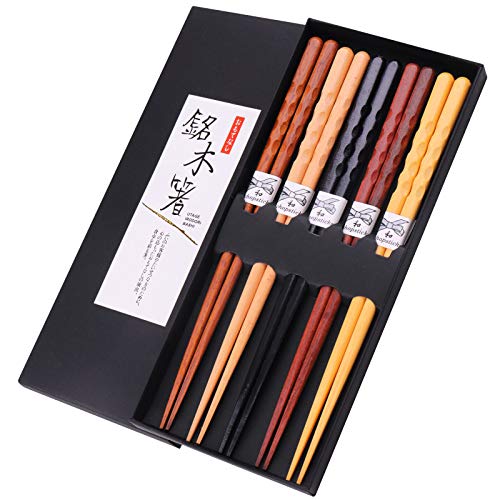


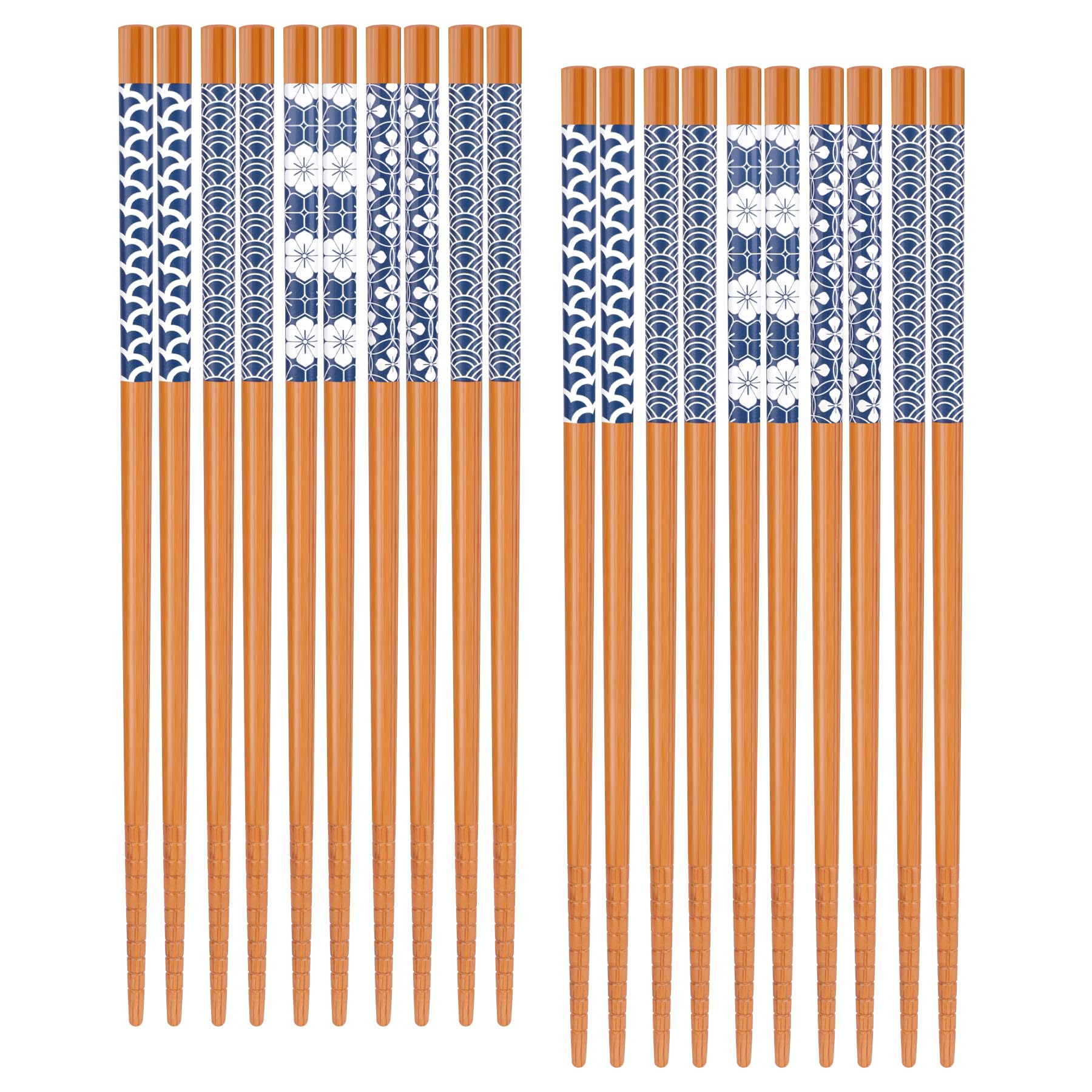
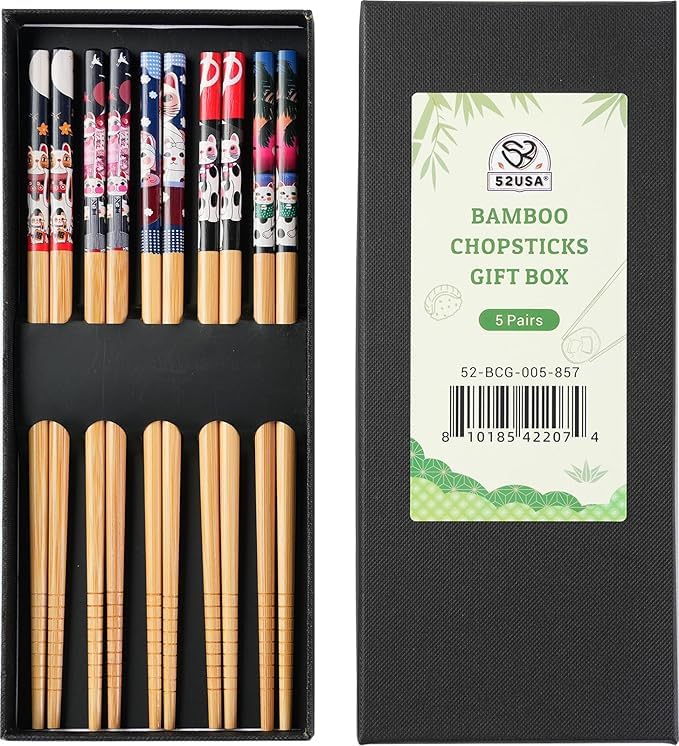


How to Judge the Best Chopsticks for Eating
Judge a pair by how it performs with slippery, delicate, and heavy foods, not by appearance alone. A good eating pair balances precision at the tip with comfort along the shaft for a full meal. Work through each criterion below and note good and poor thresholds, because small measurements such as tip width and overall length change control more than color or packaging ever will.
Features That Matter for Eating
Eating demands control with varied textures, from firm vegetables to soft tofu and slick noodles in broth. Look for tips around 2 mm to 4 mm at the point with light texture, because very thick tips feel clumsy and very sharp tips can pierce delicate foods. Length around 9 to 10 inches suits most adult hands at the table. Weight should feel present without tiring your fingers, and the pair should meet cleanly at the tips without crossing or splaying apart.
Material and Food Safety
Food contact materials should be clearly stated, including stainless steel grade 18/8, food grade silicone accents, and finishes free from peeling coatings. Heat resistance matters if you rest pairs on hot bowls or use them near steam. Wood and bamboo feel warm and grippy but need gentle washing, while steel and fiberglass tolerate machine washing. For a deeper comparison of safety and feel, see our guide to the best material for chopsticks before you settle on a drawer full of one type.
Storage and Space Saving
Storage shape affects daily habits more than most buyers expect. Pairs that stack flat in a drawer tray stay organized and dry, while bulky cases steal space in small kitchens. Some sets include rests that keep tips off the table, which improves hygiene during shared meals. If you pack lunches, confirm the pair fits your container without forcing the lid. A simple rule works well: store eating pairs upright in a dry holder or flat in a tray, never loose in a damp sink area.
Size, Capacity, and What Is Included
Count pairs per set against household size plus guests, because running short forces mismatched spares. Many family sets include five or ten pairs, while smaller sets suit couples. Check whether rests, a storage case, or spare pairs are included and whether replacements can be bought later in the same style. Drawer length matters too, since longer pairs can jam in shallow drawers. Measure your tray before ordering and leave about half an inch of spare length for easy lifting.
Durability and Build Quality
Durable pairs resist rust, warping, and tip wear through hundreds of meals and washes. Steel should show no rough seams, fiberglass should feel stiff without brittle sharpness, and wood should have a smooth finish without raised grain. Joints on decorated handles are weak points where water collects, so one piece construction lasts longer for daily use. Flex each pair gently in the store or on arrival: even spring with no creaking signals sound construction, while uneven flex predicts early failure.
Heat Resistance and Cookware Safety
Eating pairs meet heat mainly at the bowl, but many people also stir or serve with the same pair. Confirm the rated heat limit if you plan any contact with hot pans, and never leave any pair resting in a hot skillet. Metal pairs conduct heat and can feel hot near steam, while wood and fiberglass stay cooler. Keep eating pairs away from nonstick pan surfaces during serving, because metal tips can scratch coatings. Use dedicated cooking lengths at the stove and keep table pairs at the table.
Value per Piece
Value per piece means total price divided by usable pairs, judged against how long those pairs should last. A set around $10 to $25 covers most households, with cost per pair often around $2 to $5 for durable daily options. Paying more makes sense for better tip finishing, balanced weight, or materials that outlast cheaper pairs by years. For construction benchmarks at each price, compare notes in our guide to the best quality chopsticks and weigh finish quality against your weekly use.
What Strong Checklist Scores Look Like
Instead of chasing a single perfect pair, look for a set that scores well across grip, safety, and durability at a fair cost per pair. Use the product table above to compare candidates, then apply the level guidance below. The right level depends on how often you eat with chopsticks and whether guests use them too.
Strong All Around Performance
An all around strong set pairs textured tips, balanced mid weight, and a length near 9.5 inches that suits most adults. Materials clean easily, tips meet precisely, and the finish survives your normal wash routine without fading. This profile suits households that eat noodle soups, rice bowls, and shared dishes several times a week. Choose enough pairs for family plus two guests, and add matching rests if your table surface stains easily from sauces and oils.
Strong Value for Everyday Budgets
Strong value sets keep the essentials, precise tips and durable material, while simplifying cases and decoration. Fiberglass sets often lead here because they grip well, wash in the machine, and cost little per pair. They suit students, first apartments, and families teaching children, where loss and heavy use are normal. If sustainability matters in your kitchen, compare lifespan and replacement needs with the best reusable chopsticks approach of buying fewer, longer lasting pairs.
Strong Compact Choice for Small Kitchens
A compact choice favors shorter lengths, slim storage cases, and pairs that nest neatly in narrow drawers or lunch kits. Shorter pairs around 8 to 9 inches can feel more controllable for small hands and for children learning grip. Trade offs include less reach across large shared platters and less leverage with heavy pieces. Measure your drawer and lunch container first, and keep one standard length set at home if you host shared meals often.
Quick Buyer Checklist
Run through these questions before you order and let any no answer guide your next comparison.
- Do the tips meet cleanly and grip a single noodle without slipping?
- Does the length suit your hand size and your usual bowl size?
- Is the food contact material stated clearly by the maker?
- Does the wash method match your daily kitchen routine?
- Are there enough pairs for your household plus regular guests?
- Do the pairs fit your drawer, tray, or lunch container?
- Does the cost per pair fit your budget for the expected lifespan?
Red Flags to Watch For
Vague material labels are the top warning sign, especially decorative pairs with no food contact statement and no heat limit. Peeling lacquer, raised splinters, and tips that cross instead of meeting all signal poor finishing that will worsen with washing. Be cautious with sets that promise every use at once, eating, cooking, and frying, at an unusually low price, because length and heat needs differ by task. Very light hollow pairs that rattle or collect water inside also deserve a pass. When care instructions contradict the sales headline, trust the care instructions.
How to Make Your Chopsticks Last Longer
Hand wash wooden pairs and oil them monthly with food safe oil to prevent drying and cracking. Dry every pair fully before storing, standing wood pairs upright so air reaches the tips. Keep metal pairs away from abrasive scrubbing that dulls tip texture, and avoid using eating pairs as cooking tools in hot pans. Replace any pair that splinters, cracks, or bends, because damaged tips harbor residue and can hurt your mouth during a meal.
Frequently Asked Questions
What features matter most in chopsticks for eating at home?
Tip grip, length, and balanced weight matter most for eating at home. Textured tapered tips hold noodles and small pieces, while a length near 9 to 10 inches suits most adult hands. Material safety and wash method come next, because daily habits decide lifespan. Test control with a cherry tomato and a single noodle strand if you can, since those two foods reveal grip and precision faster than any spec sheet.
How long do chopsticks for eating last with regular use?
Steel and fiberglass pairs often last about three to five years or longer, while wood and bamboo pairs may need replacement every one to two years with frequent washing. Lifespan drops when pairs double as cooking tools in high heat. Inspect tips monthly for roughness, cracks, and bending. Retiring a worn pair early protects both hygiene and enjoyment, because a splintered tip can ruin an otherwise pleasant meal.
Are chopsticks for eating dishwasher safe for every material?
No, dishwasher safety depends on material, and wood and bamboo usually need hand washing to prevent cracking. Fiberglass, steel, and titanium pairs generally tolerate machine cycles when the maker confirms it. Always follow the care label for your set rather than the store headline. If your household relies on the machine, buy only materials rated for it and keep delicate decorative pairs separate for hand wash occasions.
What material is safest for food when choosing chopsticks?
Stainless steel grade 18/8, food grade fiberglass composite, and unfinished or food safe finished wood are all safe when made for food contact. Safety depends on intact surfaces, so discard pairs with peeling coatings or deep cracks. Avoid unknown plastics without a food contact statement. When serving children or anyone with a weakened immune system, choose seamless machine washable pairs that clean most fully, and talk with their clinician about personal needs if you have concerns.
Is a full chopstick set better than buying single pairs?
A full set is better for most homes because pairs match in length and weight, which helps guests and children learn consistent control. Sets also lower cost per pair and keep spares ready when one pair is in the wash. Buy single pairs only to test a new material or length. A smart path is to test one pair for a week of meals, then buy the full matching set once grip and length feel right.
Wrapping Up
Start with tip grip and length, confirm food safe materials and a wash routine you will follow, and then judge value per pair. Those steps prevent slippery meals and early replacements. When you are ready, compare your finalists in the comparison table above and choose the best chopsticks for eating set that fits your hands, your dishes, and your drawer.


