
Best Chopsticks for Cooking: A Kitchen Guide for 2026
Disclosure: We may earn a commission when you buy through links on this page, at no extra cost to you. As an Amazon Associate I earn from qualifying purchases. Learn more

Compare the best chopsticks for cooking on length, heat resistance, grip, and material so you can stir, turn, and serve safely without burning your hands.
Cooking chopsticks are longer and sturdier than table chopsticks, and they give precise control for stirring noodles, turning dumplings, and lifting food from hot oil or broth. Best chopsticks for cooking keep hands clear of heat, grip slippery food firmly, and survive daily washing without warping. The comparison table below gives a quick overview, while this guide explains length, material, and grip.
Many home cooks use table chopsticks for cooking and wonder why food slips or hands get hot. Length and heat resistance solve both problems, and a dedicated cooking pair quickly becomes one of the most used tools in the kitchen. This guide covers what to look for and what to avoid.
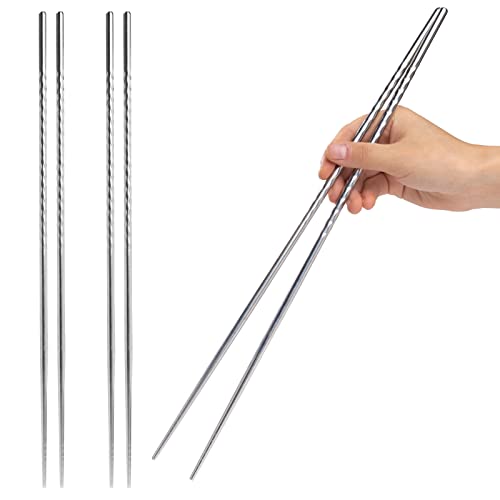


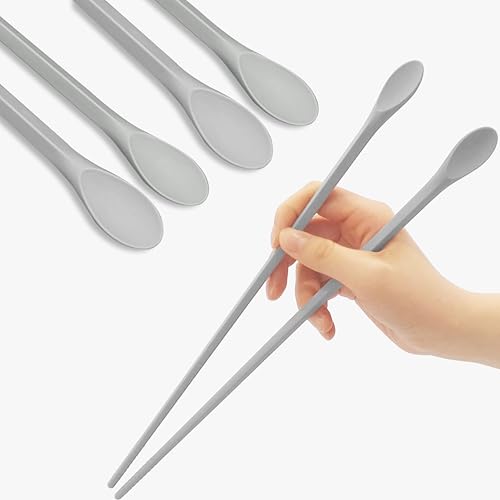

Who Should Buy Cooking Chopsticks
Noodle lovers, dumpling makers, and stir fry cooks benefit most, since long chopsticks stir, separate, and lift food with more control than a spoon or tongs. Deep frying fans use them to turn food safely in hot oil, while hot pot and noodle soup cooks use them to fish out ingredients without splashing. Even cooks who rarely eat with chopsticks find cooking pairs useful for delicate tasks.
Consider hand size and stove setup. Longer pairs suit deep pots and woks, while medium pairs suit shallow pans and small kitchens. If several people cook, keep two pairs, one for raw ingredients and one for cooked food, to avoid cross contamination during busy cooking.
Key Features of the Best Chopsticks for Cooking
Length and Heat Resistance
Length is the defining feature. Pairs around twelve to sixteen inches keep hands clear of steam, oil, and boiling water, while shorter pairs suit shallow pans but risk hot fingers over deep pots. Choose the longest pair that still feels controllable, since excess length tires the hand during long stirring.
Heat resistance depends on material. Bamboo and wood handle normal cooking heat well but char if left resting on a hot pot edge, while metal pairs resist heat fully but conduct it to the hand over time. Silicone tipped pairs resist heat and grip well, but check the temperature rating, since cheap silicone softens under high heat.
Grip and Tip Design
Grip decides whether food stays put. Grooved or textured tips hold noodles, dumplings, and slippery vegetables far better than smooth lacquered tips. Square bodies resist rolling on the counter, while round bodies feel smoother but need a rest to stay put. Test grip with wet noodles if possible, since dry testing hides slipping.
Tip width matters too. Broad blunt tips lift dumplings and tofu without tearing, while narrow tips pick up small items precisely. A medium blunt tip with light grooves suits most cooking, from stir fries to noodle soups, without specialising too narrowly.
Material and Cleaning
Bamboo cooking chopsticks are light, affordable, and easy to replace, which suits daily use and high heat tasks. Wood offers more weight and a nicer feel, but it needs hand washing and thorough drying to prevent warping and cracking. Metal pairs last longest and suit deep frying, yet they feel heavy and conduct heat, so a rest and a towel nearby help.
Cleaning should be quick, since cooking pairs face oil, sauces, and starch daily. Dishwasher safe pairs suit busy kitchens, but check the maker guidance, since wood and bamboo usually need hand washing. Replace pairs that splinter, warp, or lose their finish, since damaged chopsticks trap food and bacteria.
Cooking Tasks Compared
Stir frying needs length and a firm grip for tossing ingredients quickly without scratching the wok. Noodle cooking needs length and grooved tips to separate strands and lift portions cleanly. Deep frying needs the longest heat resistant pairs, with a steady grip for turning food in hot oil safely. Pickling and serving need clean dedicated pairs that never touch raw meat, to keep food safe.
For longer and quality options, see best long chopsticks for cooking and best quality chopsticks. Length and material guides help you match the pair to your pots, stove, and most cooked dishes.
Practical Checks Before You Buy
Before ordering, measure your deepest pot and choose a pair longer than its depth, so hands stay clear of steam. Check the heat rating, the care guidance, and whether the pair is sold singly or as a set, and keep a chopstick rest near the stove to protect counters from oily tips.
Keep cooking pairs separate from table pairs, and label them if needed, since cooking pairs face heat and raw ingredients that table pairs should not. A dedicated cooking pair, kept clean and dry, will serve daily for a long time.
Beyond Stir Fries
Cooking chopsticks shine far beyond stir fries. Use them to lift dumplings from steamers without tearing skins, to turn small items on a grill, and to test noodle doneness by lifting a single strand. Their precision beats tongs for delicate foods, since chopsticks grip without crushing, and they reach into narrow pots where spatulas cannot go. A versatile tool earns its drawer space quickly.
Plating benefits from chopstick control. Arrange garnishes, place herbs precisely, and adjust small components without touching food with fingers. Chefs use chopsticks for plating because they offer fine control and keep hands clean, and home cooks can borrow the same trick for dinner party presentations. A clean pair reserved for plating keeps the technique hygienic.
Deep frying safety improves with long chopsticks. Lower food gently into oil away from the body, turn pieces without splashing, and lift them to drain without a slotted spoon that drips. Keep a lid nearby for emergencies, never fill a pot more than half with oil, and dry food before frying to reduce splatter. Long chopsticks plus calm movements make frying far safer.
Noodle soups reward chopstick skill daily. Lift noodles to test texture, separate strands that clump, and fish out toppings without stirring the whole bowl into a cloud. Serve noodles with chopsticks and a spoon together, since the spoon handles broth while chopsticks handle solids. The pair works as a team, and meals feel more relaxed for it.
Grill and barbecue use suits long metal or bamboo pairs. Turn skewers, move small vegetables on a grill basket, and test doneness without piercing meat and losing juices. Keep cooking pairs away from table pairs during barbecues, since raw meat contact demands separate tools. A dedicated grill pair, kept by the barbecue, becomes a summer essential.
A chopstick rest by the stove keeps oily tips off counters and within reach during cooking. Choose a heat resistant rest in ceramic or metal, and wipe it after each session. Small kitchen habits like this keep cooking relaxed and counters clean, which makes the cooking pair pleasant to use every day.
Frequently Asked Questions
How long should cooking chopsticks be?
Cooking chopsticks should be longer than your deepest pot, usually around twelve to sixteen inches, so hands stay clear of steam, oil, and boiling water. Shorter pairs suit shallow pans but risk hot fingers over deep pots and woks. Choose the longest pair that still feels controllable, since excess length tires the hand during long stirring sessions.
Are bamboo or metal cooking chopsticks better?
Bamboo cooking chopsticks are light, affordable, and easy to replace, which suits daily cooking and high heat tasks. Metal pairs last longest and resist heat fully, but they feel heavier and conduct heat to the hand over time. Bamboo suits most home cooks, while metal suits deep frying fans who value durability above lightness.
How do I stop noodles slipping off cooking chopsticks?
Noodles slip less with grooved or textured tips that grip wet strands, so look for light grooves rather than smooth lacquered tips. Grip closer to the tips for better control, and stir gently to separate strands before lifting. Replacing worn smooth pairs also helps, since old finishes lose grip and make noodle cooking frustrating.
Can cooking chopsticks go in the dishwasher?
Some metal and melamine cooking chopsticks can go in a dishwasher, but bamboo and wood pairs usually need hand washing and thorough drying to prevent warping and cracking. Always check the maker guidance before machine washing, since heat and long soaking damage natural materials. Hand wash promptly after oily cooking, dry fully, and store upright.
Should cooking chopsticks be kept separate from table chopsticks?
Yes, cooking chopsticks should be kept separate from table chopsticks, since cooking pairs touch raw ingredients, hot oil, and strong sauces that table pairs should not. Keep two cooking pairs if possible, one for raw food and one for cooked food, to reduce cross contamination. Label pairs or store them in different places to avoid mix ups.
Final Thoughts
The best cooking pair is long enough for your deepest pot, grippy enough for wet noodles, and easy enough to clean after oily cooking. Compare length and material first, then tip grip, and test the pair with a real stir fry before settling. The product table above recaps the main options, but control over a hot wok tells you the most.
Choosing best chopsticks for cooking well adds precision and safety to everyday cooking. Keep a dedicated pair by the stove, keep it clean and dry, and enjoy the control it brings.


