
Best Chopsticks for Beginners: What to Look For and How to Practice
Disclosure: We may earn a commission when you buy through links on this page, at no extra cost to you. As an Amazon Associate I earn from qualifying purchases. Learn more

Compare the best chopsticks for beginners by trainer type, grip features, and technique, with an easy practice plan for new users.
The best chopsticks for beginners do three things well: they hold food without slipping, they guide your fingers into the right position, and they are comfortable enough that you want to keep practicing. Most people give up on chopsticks in the first week because the pair they picked fights them, with smooth tips, a heavy balance, or a length that feels clumsy. Choosing a forgiving pair solves most of that.
This guide explains the types of beginner chopsticks, the features that matter, and a simple practice plan, so the product table above helps you pick instead of guess.

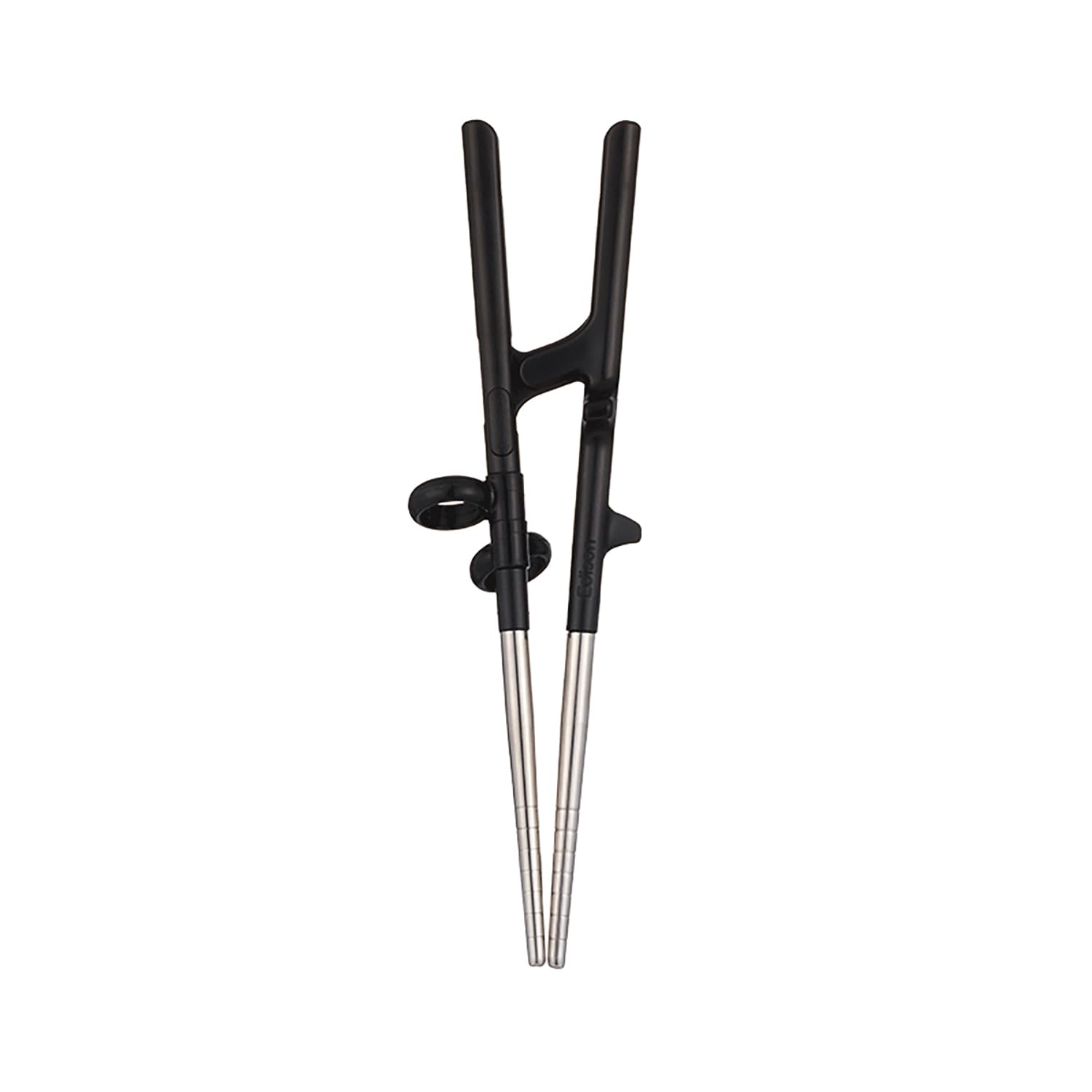


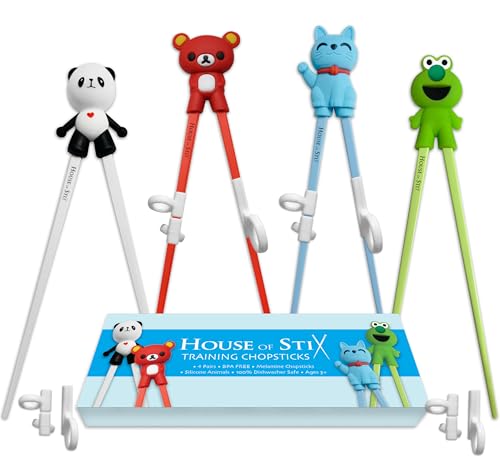
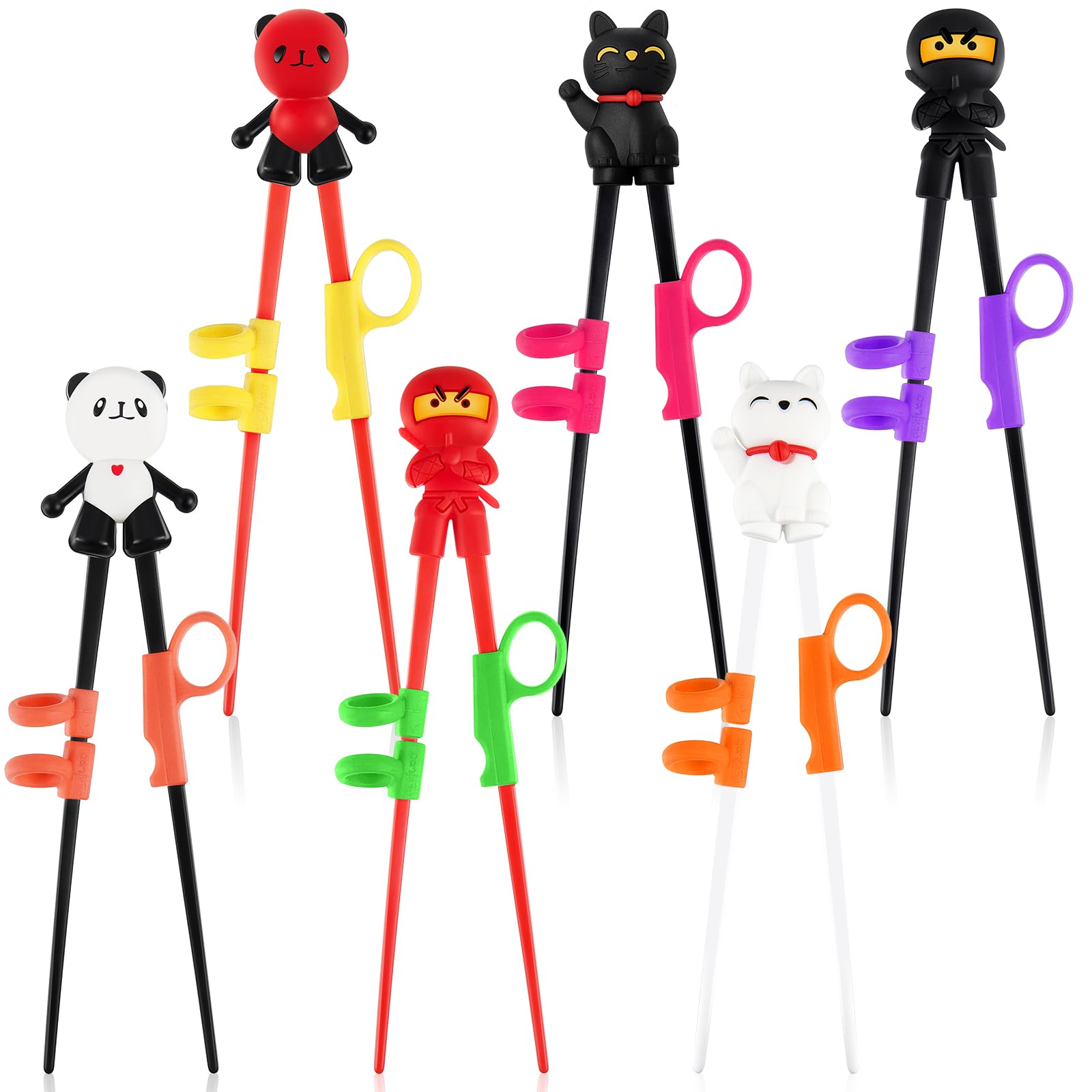


Why Chopsticks Feel Hard at First
The motion is small and unfamiliar. One stick stays still while the other moves, and your fingers must learn to share the work without squeezing too hard. Add slippery food and an audience, and it is easy to feel clumsy. The good news is that the skill comes quickly with a little structure. Most adults pick up the basics in a few meals, and comfortable control follows within a couple of weeks of regular use.
Types of Beginner Chopsticks
Hinged and Connected Trainers
These pairs are joined at the top by a small hinge or spring, so the sticks stay aligned and move together. They are the easiest way to feel the pinching motion without the sticks crossing. They suit absolute beginners and children, and they are a good first step for adults who want quick success.
Finger Guide Trainers
Finger guide pairs have rings or grooves where your thumb and fingers rest. They teach where each finger belongs, which is the part beginners usually get wrong. Many come with removable helpers so you can switch to a plain pair once your grip feels natural.
Plain Chopsticks With Textured Tips
If you would rather learn on a real pair, choose chopsticks with grooved or textured tips, a medium length, and a light balance. Bamboo and wood give natural grip, and fiberglass or steel with a textured tip holds slippery food well. Smooth polished tips are the hardest to learn on, so skip them at first.
Chopsticks for Kids
Children's pairs are shorter and often have bright colors or characters, which help young learners stay interested. If you are shopping for a child, pick a pair with a helper and a length that fits a small hand.
What to Look For in the Best Chopsticks for Beginners
A few features decide how easy a pair is to learn on. Check them in the product table and on each listing.
- Length: about eight to nine inches suits most beginners, because very long pairs magnify every wobble.
- Tip texture: grooves, ridges, or a matte surface add grip for slippery food.
- Weight and balance: a light, even balance tires the hand less during a meal.
- Shape: square or flat sections stay put in your fingers, while perfectly round sticks roll.
- Material and washing: choose something you will actually clean, and check whether it is dishwasher safe.
How to Hold Chopsticks, Step by Step
- Place the lower stick in the crook between your thumb and index finger and rest it on your ring finger.
- Hold the upper stick like a pencil, between the tips of your thumb, index, and middle fingers.
- Keep the lower stick still and move only the upper stick up and down.
- Line up the tips so they meet evenly when you close them.
- Practice picking up the tip of a cube and releasing it slowly.
Hold the sticks about two thirds of the way up, not at the very end, and keep your grip relaxed. If your hand cramps, you are squeezing too hard.
A Simple Practice Plan
Short sessions beat long ones. Spend five minutes at the start of a few meals on easy foods, then eat the rest with a fork if you are hungry. In the first week, practice with large, soft pieces such as cubes of cheese, tofu, or cooked vegetables. In the second week, move to dumplings and thick noodles, and in the third week try rice and smaller items.
Foods that suit beginners include steamed dumplings, broccoli florets, cubed chicken, and sushi rolls. Save peas, soft eggs, and thin wet noodles for later.
Mistakes Beginners Make
- Squeezing too hard, which tires the hand and sends food flying.
- Moving both sticks instead of keeping the lower one still.
- Holding the sticks too close to the tips, which reduces control.
- Choosing smooth glossy tips for slippery foods.
- Practicing only at big meals, when pressure is highest.
Caring for Your First Pair
Wash a new pair before the first use and dry it fully. Wood and bamboo prefer hand washing, while steel, fiberglass, and many plastics tolerate a dishwasher. Check the tips from time to time for splinters or cracks, and replace a pair that is damaged. When you are ready to move up, our guide to the best quality chopsticks explains what better finishes look like.
Frequently Asked Questions
How long does it take to learn?
Most people eat comfortably with chopsticks after a few weeks of regular practice. A trainer pair can shorten that time, because it builds the correct finger position from the start.
Are trainer chopsticks only for children?
No. Many adults use hinged or finger guide pairs to learn quickly, and then switch to plain chopsticks once the grip feels automatic.
Is wood or steel easier to learn on?
Wood and bamboo are usually easier because their surface grips food naturally. Steel works fine if the tips are textured.
What if my hand hurts?
Take a break and loosen your grip. If you have pain or numbness that does not ease, talk with your doctor.
Can I practice without food?
Yes. Small objects such as pom poms, erasers, or cotton balls make good practice items, and they let you work on grip with no mess.
Final Thoughts
Pick a pair that guides your fingers or grips food, keep your sessions short and relaxed, and start with easy foods. Check the product table above for sets that match those traits, and the best chopsticks for beginners will turn a frustrating first week into a habit you enjoy. Within a few weeks, the movement will feel natural.


