
Best Chlorine Tablets for Hot Tubs: A Water Care Guide for 2026
Disclosure: We may earn a commission when you buy through links on this page, at no extra cost to you. As an Amazon Associate I earn from qualifying purchases. Learn more

Learn how chlorine tablet size, stabilizer type, feeders, and safe storage affect hot tub water care with the best chlorine tablets for hot tubs.
Chlorine tablets keep hot tub water sanitized between soaks, but tablet size, stabilizer type, and dosing method change how steadily chlorine is released. Best chlorine tablets for hot tubs match the tub size, the feeder type, and the bather load, while storage and handling stay safe. The product table below gives a quick overview, while this guide explains dosing, testing, and safety in plain terms.
Hot tubs run warm, which makes sanitizer work harder and water balance shift faster than in a pool. Guessing doses leads to cloudy water, skin irritation, or damaged equipment, so testing and steady dosing matter more than brand loyalty. This guide focuses on safe, consistent water care.



Who Should Use Chlorine Tablets
Chlorine tablets suit owners who want steady sanitizing with less daily dosing, since a feeder releases chlorine slowly over days. They suit holiday homes and busy households where daily liquid dosing is impractical, and they work well in tubs with a compatible feeder or floating dispenser. Owners who prefer a gentler feel sometimes choose bromine instead, which is covered in the related guides below.
Tablets do not suit every tub. Some makers specify bromine or salt systems, and some feeders only accept one tablet size, so check the tub manual first. If the tub is used by people with chlorine sensitivity, talk with a clinician and consider the maker guidance before switching sanitizers.
Key Features Worth Comparing
Tablet Size and Dissolve Rate
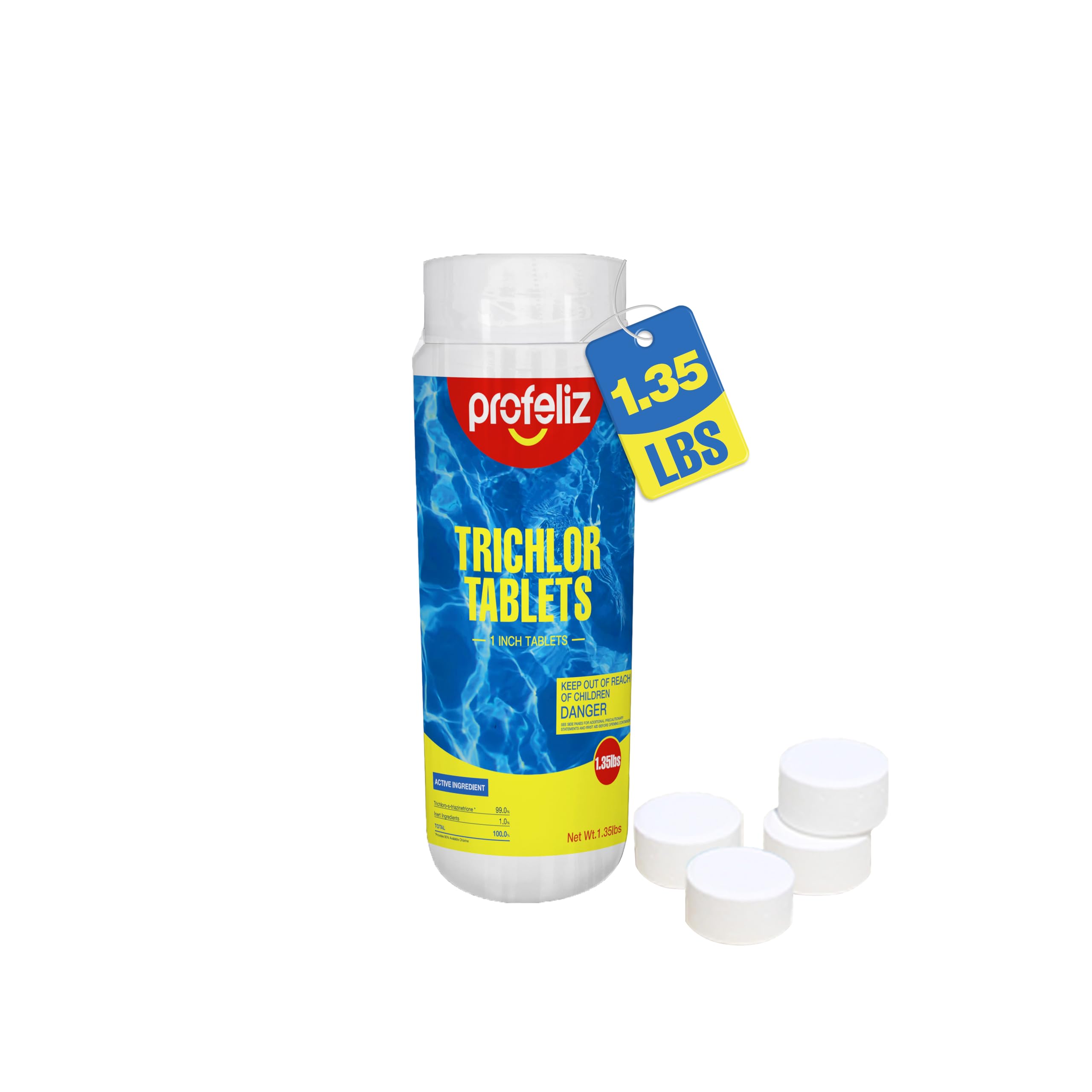
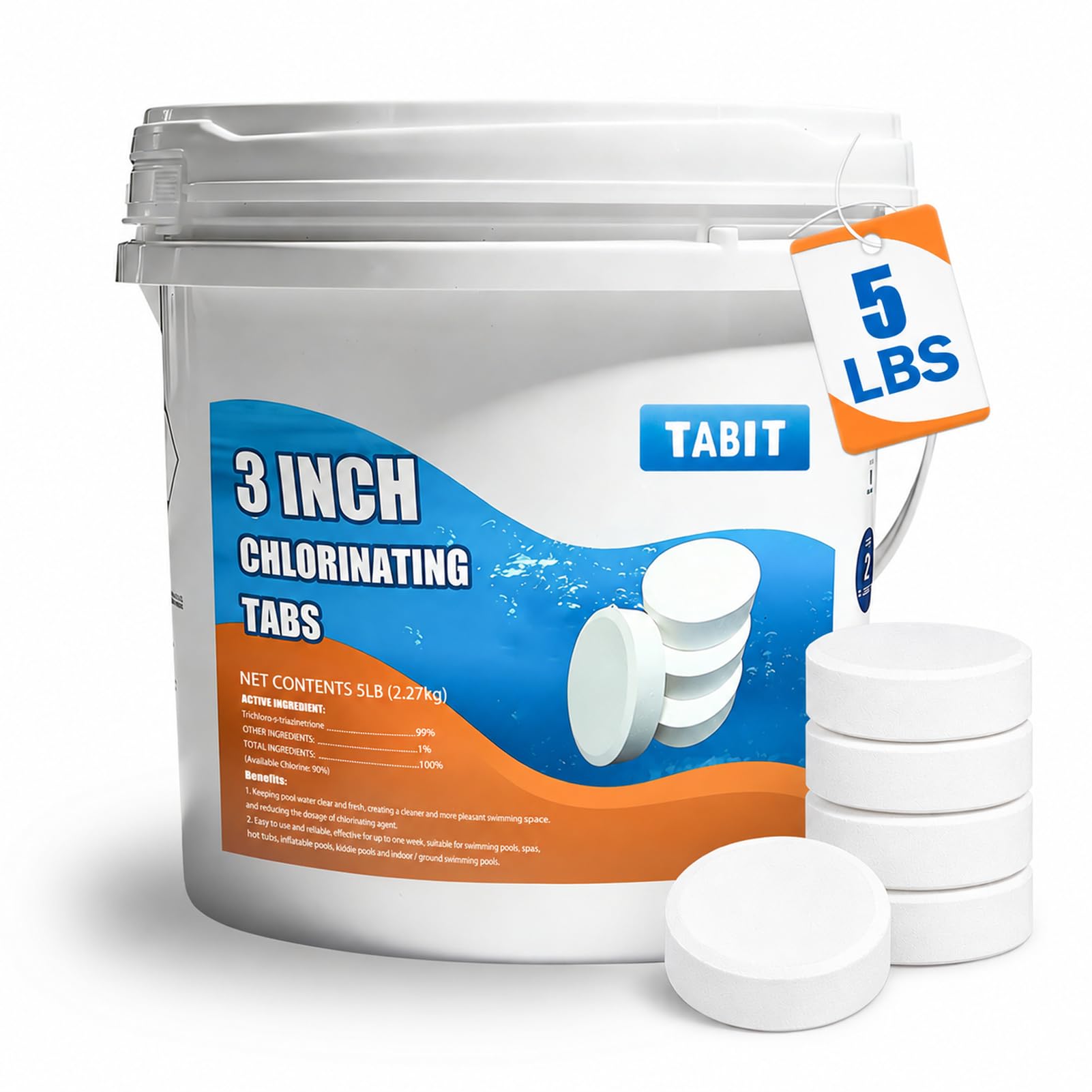
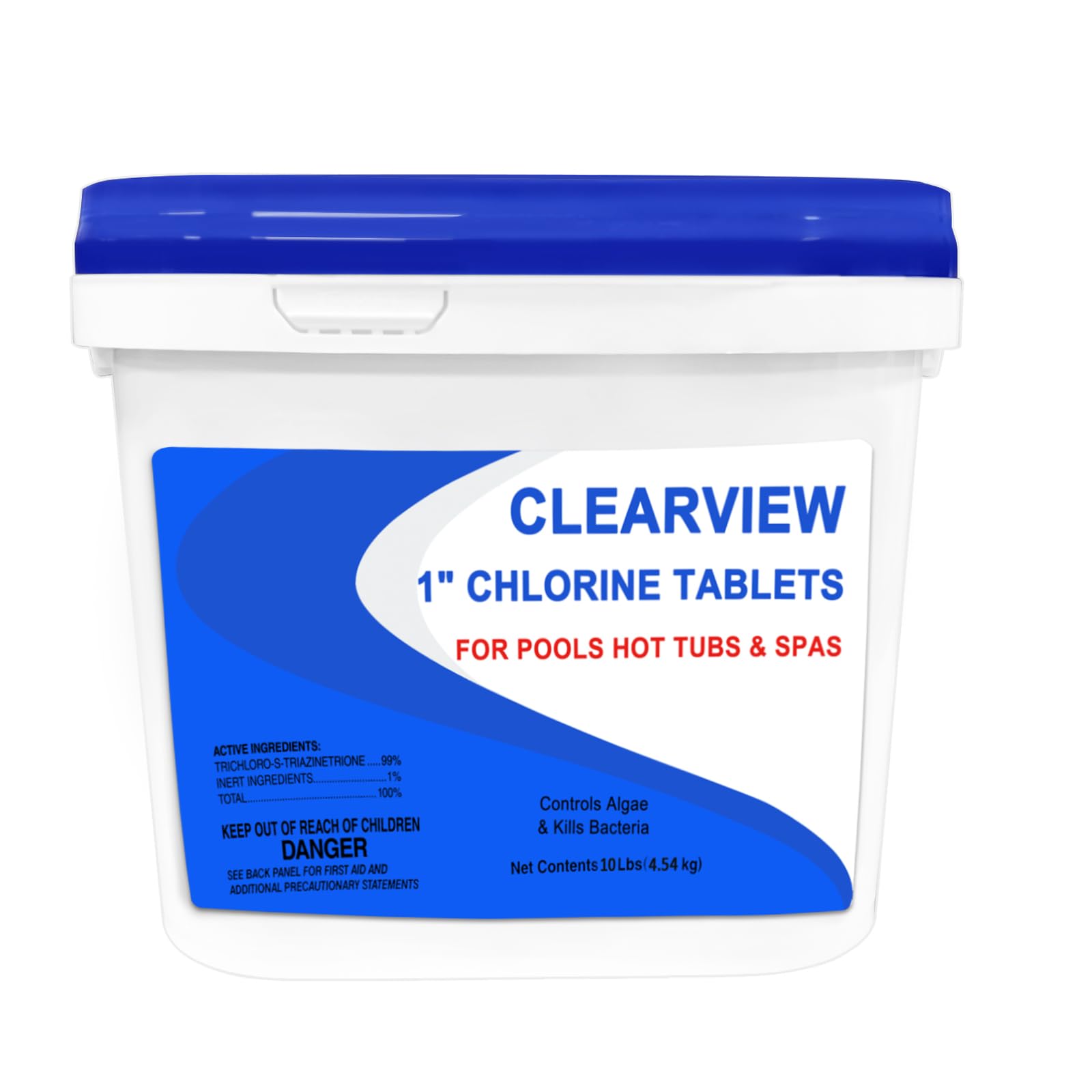
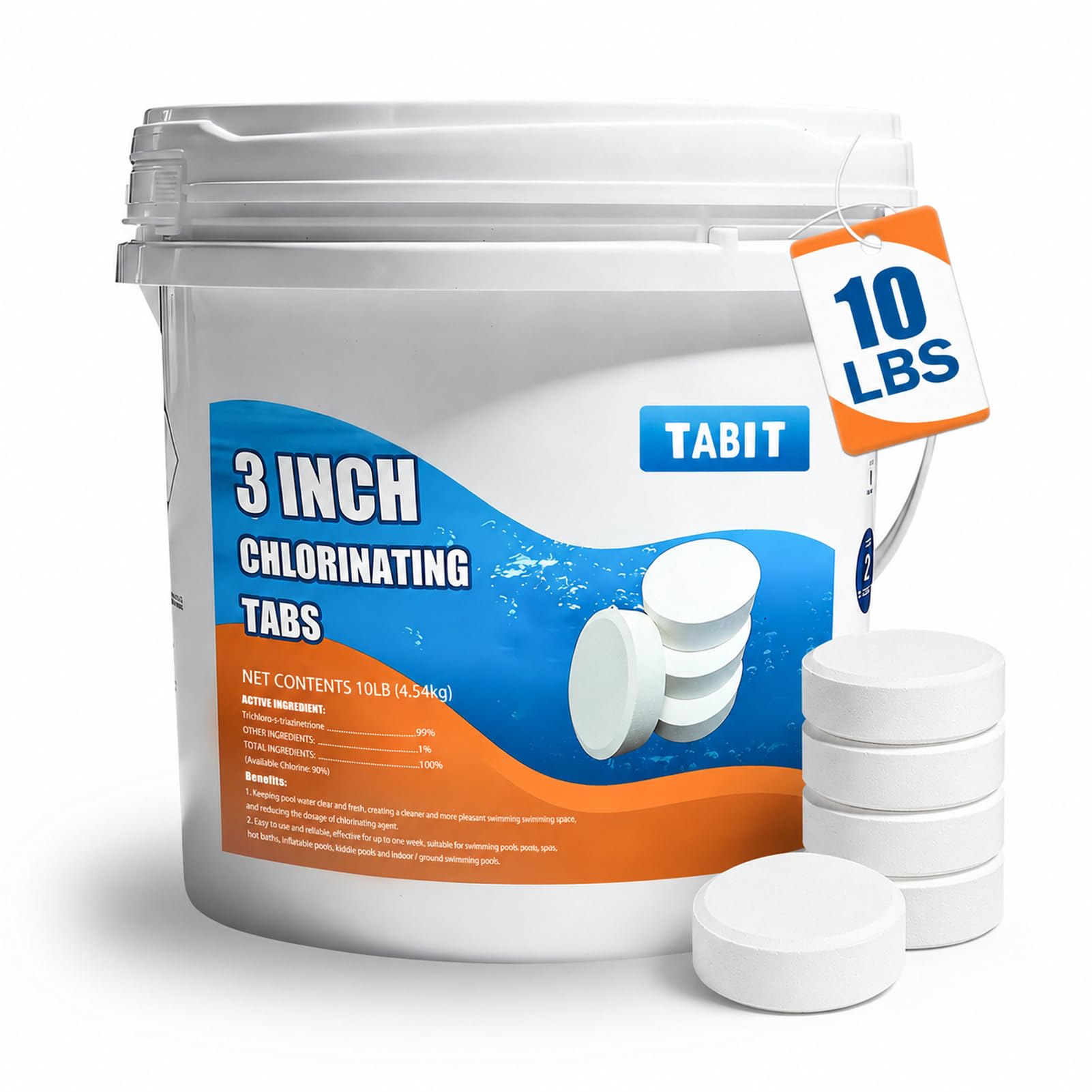
Tablet size decides dosing control. Small one inch tablets suit small tubs and floating dispensers, while large three inch tablets suit bigger tubs and inline feeders. Using the wrong size in a feeder causes uneven release, so match the tablet to the feeder, not just to the tub volume.
Dissolve rate depends on water flow and temperature, so a tablet that lasts a week in one tub may last days in another. Start with the maker guidance, test often in the first weeks, and adjust the feeder setting rather than adding loose tablets, since loose tablets can bleach surfaces and damage equipment.
Stabilized or Unstabilized Chlorine
Stabilized tablets contain cyanuric acid, which protects chlorine from sunlight in outdoor tubs. That protection helps outdoors, but stabilizer builds up over time and can lock chlorine, making it less effective even when test readings look fine. Outdoor tubs need occasional partial water changes to keep stabilizer in range.
Unstabilized tablets suit indoor tubs and covered tubs where sunlight is not an issue, since they avoid stabilizer build up. They dissolve faster and need more frequent attention, so they suit owners who test often. Check the label for stabilizer content, and record which type you use, since mixing types causes confusion in testing.
Feeders, Testing, and Balance
Feeders control release far better than loose tablets. Inline feeders plumb into the circulation, while floating dispensers suit tubs without a feeder, but both need the right tablet size and regular checks. Never place tablets directly in the skimmer unless the maker allows it, since concentrated chlorine damages pumps and heaters.
Testing is essential. Test chlorine and pH at least a few times per week, and test alkalinity and stabilizer regularly, since balance affects both comfort and equipment life. Keep a log in the first month, and adjust feeder settings in small steps, because large changes overshoot and waste chemicals.
Chlorine and Bromine Compared
Chlorine acts fast, costs less, and suits most tubs, but it can smell stronger and irritate sensitive skin at high levels. Bromine works well in warm water, smells milder, and stays effective at higher pH, but it costs more and needs its own feeder and test method. Neither is better in every tub, so match the sanitizer to the users, the tub, and the testing routine you will actually follow.
Related water care guides include best chlorine tablets for inflatable hot tub, best chlorine for hot tubs, best tablets for hot tub, and best bromine tablets for hot tub. Inflatable tubs need extra care with dosing, since their smaller volumes change faster.
Safety and Storage Essentials
Chlorine safety starts with storage. Keep tablets dry, cool, and locked away from children and pets, in the original container with the label intact. Never mix chlorine with other chemicals, especially acids or other sanitizers, since mixing can release dangerous gases. Handle tablets with dry hands or gloves, and wash hands after handling.
If water turns cloudy, smells strongly, or irritates skin or eyes, stop using the tub and test before soaking again. Shock dosing and water changes solve most problems, but persistent issues need a dealer or professional, not stronger guessing. Safe water care is steady and boring, and that is exactly how it should feel.
A Steady Weekly Water Routine
A weekly routine keeps hot tub water inviting with little effort. Test chlorine and pH twice a week in regular use, check alkalinity weekly, and inspect the feeder and filter during the same visit. Small adjustments made often beat large corrections made rarely, since water balance drifts gradually and responds best to gentle changes. A short log book makes patterns visible within a month.
Filter cleaning belongs in the same routine. Rinse cartridge filters weekly in busy periods, deep clean them monthly, and replace them when fibers flatten or water flow drops despite cleaning. A clean filter lets sanitizer circulate properly, while a clogged filter starves the tub of treated water and invites cloudiness. Keep a spare filter ready so cleaning never leaves the tub unfiltered.
Cover care protects both water and heat. Keep the cover clean, dry on top, and free of heavy snow or standing water, since a sagging cover leaks heat and lets debris in. Check the cover seal and lifter mechanism monthly, and replace a waterlogged cover promptly, since a heavy cover strains lifters and wastes energy every day.
Bather load changes dosing needs, so adjust after parties and heavy weekends. More bathers add oils, lotions, and organic matter that consume chlorine faster, so test after heavy use and shock only when readings demand it. Encourage showers before soaking, since clean bathers keep water clearer far longer than any chemical dose.
Seasonal changes need attention too. Outdoor tubs lose more heat and gain more debris in autumn, while summer sun breaks chlorine down faster and raises stabilizer questions. Adjust feeder settings seasonally, change part of the water when stabilizer climbs, and winterise properly when closing a tub, following the maker guidance exactly for draining and pipe protection.
Frequently Asked Questions
How many chlorine tablets does a hot tub need?
A hot tub usually needs feeder dosing matched to its volume and bather load, rather than a fixed tablet count, since flow and temperature change dissolve rates. Start with the feeder maker guidance, test chlorine often in the first weeks, and adjust the feeder setting in small steps. A steady reading inside the recommended range matters more than any single tablet number.
Can I use pool chlorine tablets in a hot tub?
Pool chlorine tablets are often the wrong size and strength for a hot tub feeder, and hot tubs run warmer, which changes dissolve rates and balance. Use tablets made for hot tubs and matched to your feeder size, and follow the tub maker guidance. Wrong tablets can bleach surfaces, damage equipment, and make dosing unpredictable.
Should I use stabilized or unstabilized tablets?
Use stabilized tablets for outdoor tubs where sunlight breaks chlorine down, and unstabilized tablets for indoor or covered tubs where sunlight is not an issue. Stabilizer builds up over time outdoors, so outdoor tubs need partial water changes to stay in range. Check the label, record the type you use, and test stabilizer regularly.
Why does my hot tub water turn cloudy?
Cloudy water usually means sanitizer, filtration, or balance is off, often after heavy use or infrequent testing. Test chlorine and pH first, clean or replace filters, and run filtration longer before adding more chemicals. If cloudiness persists after balancing and filtering, change part or all of the water and review the dosing routine.
How should chlorine tablets be stored safely?
Store chlorine tablets in their original labeled container, in a cool dry place locked away from children and pets. Never mix chlorine with other chemicals, and never store tablets near acids, fuels, or other sanitizers, since mixing can release dangerous gases. Handle tablets with dry hands or gloves, and keep the storage area ventilated and dry.
Final Thoughts
Good hot tub care comes from matching tablet size to the feeder, choosing stabilized or unstabilized chlorine for the setting, and testing steadily. Small adjustments beat large guesses, and a log in the first month prevents most cloudy water problems. The product table above recaps the main options, but your test readings guide daily decisions.
When you choose best chlorine tablets for hot tubs, let the tub manual and the feeder lead, and keep safety at the center of storage and handling. Steady care keeps the water inviting and the tub in good shape for years.


