
Best Chlorine for Hot Tubs: A Buying Guide for 2026
Disclosure: We may earn a commission when you buy through links on this page, at no extra cost to you. As an Amazon Associate I earn from qualifying purchases. Learn more

Learn how to choose chlorine for hot tubs: compare tablets, granules and liquid, dosing, stabilizer and safe storage for clear, comfortable water.
Choosing best chlorine for hot tubs starts with matching the form to your tub, your routine and your water. Hot tubs run warm, hold a small volume of water and get used often, so sanitizer levels can drift fast. This guide compares tablets, granules and liquid, explains dosing and stabilizer in plain language and covers safe storage, so you can keep water clear without guesswork. Read the product table below for a quick side by side look at the main types.
Chlorine works by killing bacteria and breaking down body oils, lotions and other contaminants that build up in warm water. The goal is a steady residual level, not a large dose once in a while. That means the best choice is the form you will actually test and dose on schedule, in a size that fits your feeder or routine. Price matters, but a cheap product that dissolves unevenly or pushes pH around can cost more in extra testing, balancing chemicals and drained water.


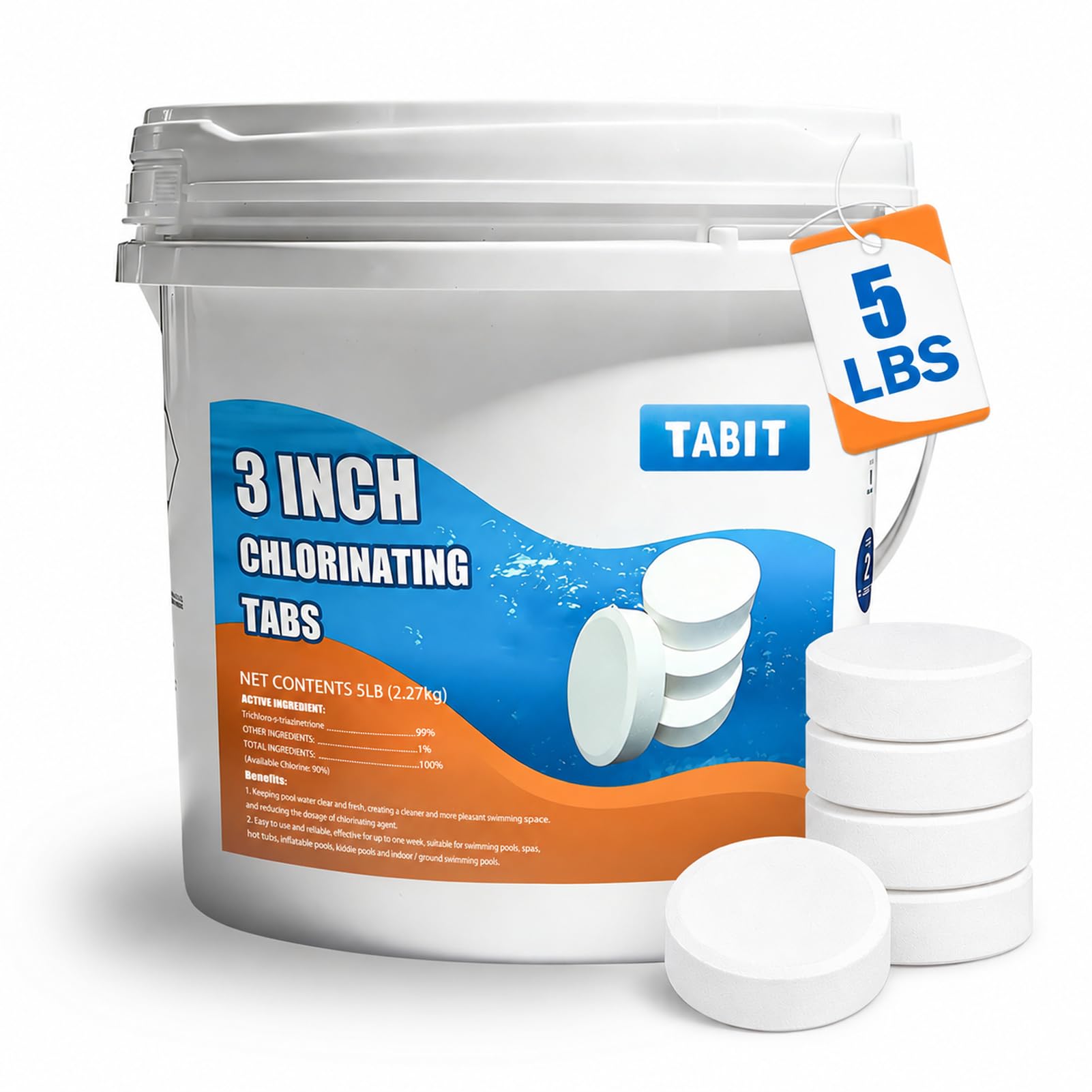
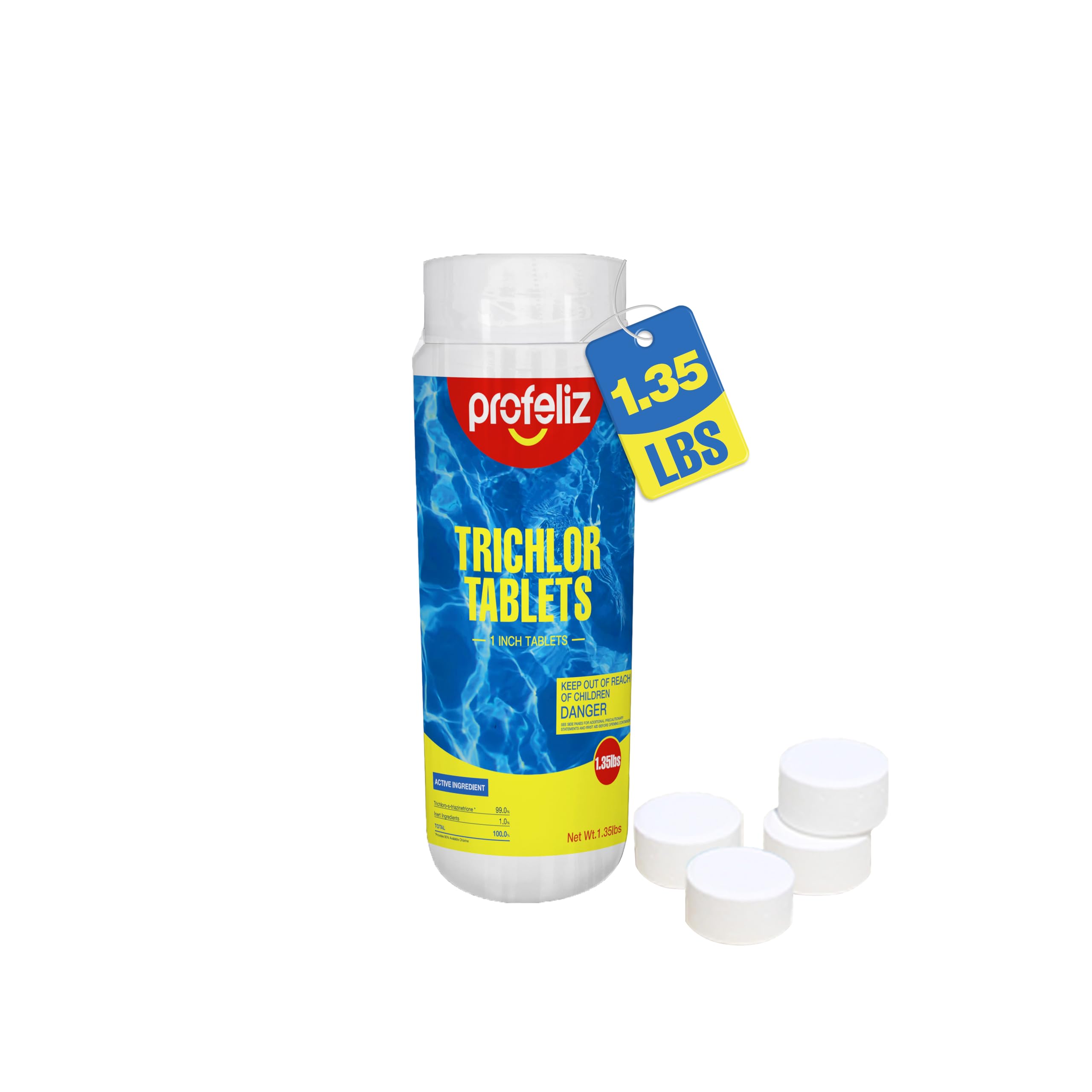
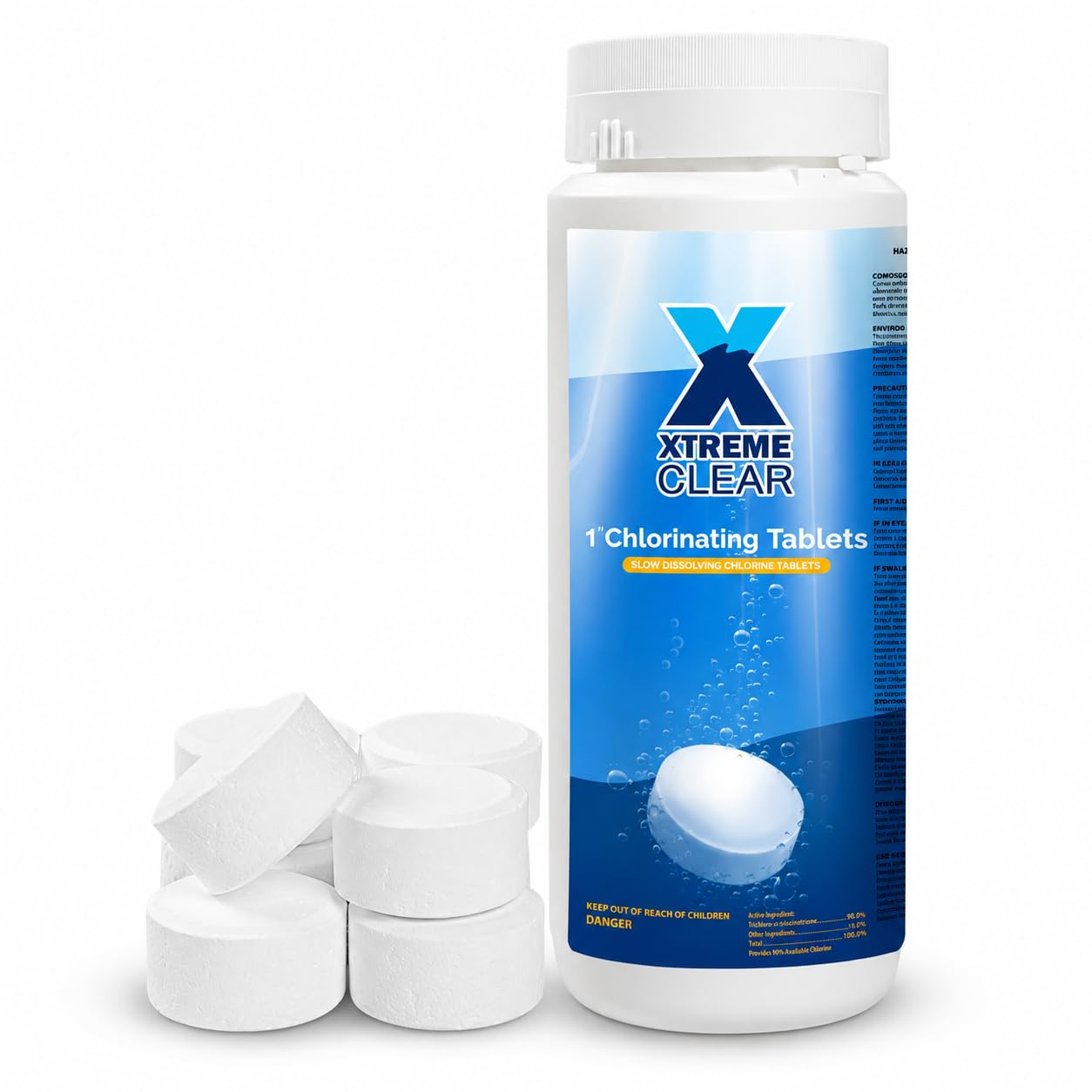
Who Should Buy Which Chlorine Form?
Hot tub owners fall into a few clear routines, and each routine suits a different form. People who soak several times a week and want steady dosing often do well with tablets in a feeder or floater, because tablets dissolve slowly and release chlorine over days. Owners who prefer direct control, or who need to raise levels quickly after heavy use, often prefer granules, which dissolve fast and let you adjust the dose each time. Liquid chlorine suits owners who want a fast acting option without added stabilizer, but it is bulkier to store and needs careful measuring.
Frequent Soakers and Families
If your tub sees daily use, steady dosing matters more than a low sticker price. Tablets in a feeder give a slow, even release, and a weekly test tells you whether to adjust the feeder setting. Keep a small supply of granules on hand for a quick boost after a party or a long soak session, when bather load spikes. Test before and after heavy use so you learn how your tub responds.
Occasional Users and Vacation Homes
If you soak once a week or less, granules may fit better, because you dose only when you use the tub and you avoid tablets sitting in a feeder for weeks. Test the water before each soak, dose to the target range, and retest after the water circulates. For a tub left unused for a stretch, follow the maker guidance for shocking and balancing before anyone gets in. Never leave children unsupervised near water, even when the tub is covered.
Inflatable and Smaller Tubs
Smaller tubs react faster to every dose, so measuring matters more than the brand on the container. A small error that would barely move a large tub can overshoot a small one. Use the smallest measuring scoop that fits your dose, dissolve granules fully in a bucket of warm water before adding them where the maker allows, and test soon after. For size and feeder notes for soft sided tubs, see our guide to best chlorine tablets for inflatable hot tub.
Key Features to Compare
Most chlorine looks similar on the shelf, but a few specs decide how easy it is to live with. Compare available chlorine strength, form, stabilizer content, pH effect, dissolving speed and packaging size, and match them to your tub volume and routine. The product table above gives a quick comparison, and the sections below explain what each factor means in daily use.
Available Chlorine Strength
Available chlorine tells you how much active sanitizer a product delivers per pound, and it varies by form. Granules often list a high percentage, tablets list a slightly lower one because of binders that hold the tablet together, and liquid lists a lower percentage because much of the weight is water. Compare products on cost per pound of available chlorine, not just cost per container. A stronger product needs a smaller dose, so the scoop or tablet count matters as much as the price tag.
Form: Tablets, Granules and Liquid
Tablets dissolve slowly and suit feeders and floaters, granules dissolve quickly and suit hand dosing, and liquid acts fast but adds no stabilizer. Tablets are convenient and easy to store, yet they can over chlorinate a small tub if the feeder is set too high. Granules give fine control but demand accurate measuring and full dissolving. Liquid is simple to dose by volume, but it is heavy, takes shelf space and loses strength faster in heat and sunlight.
Stabilizer and Cyanuric Acid
Stabilizer, usually cyanuric acid, protects chlorine from sunlight, which matters for outdoor tubs. Many tablets contain stabilizer, so levels can creep up over weeks of regular use. High stabilizer can make chlorine less effective, so outdoor owners should test stabilizer a few times a season. If stabilizer is already high, a non stabilized granule or liquid lets you sanitize without adding more, and indoor tubs need little or no stabilizer, since sunlight is not breaking chlorine down.
Effect on pH and Alkalinity
Every chlorine form nudges pH in one direction, and pH decides both comfort and sanitizer effectiveness. Trichlor tablets tend to lower pH over time, dichlor granules are closer to neutral, and liquid chlorine tends to raise pH. That is why a regular test routine matters: test pH and alkalinity together, adjust alkalinity first when it is out of range, then fine tune pH. If you find yourself chasing pH every week, the form may be a poor match for your water source.
Dosing Control and Feeder Fit
Dosing control is about how precisely you can hit your target range without overshooting. Tablets in a feeder give coarse control through the feeder dial, granules give fine control through the scoop, and liquid gives fine control through a measuring cup. Check that your tablets fit your feeder or floater, since some feeders take only one inch or three inch tablets. A floater that tips or a feeder left wide open can dump too much chlorine at once, so start low and adjust after testing.
Packaging Size and Shelf Life
Buy a size you will use within a season or two, because chlorine loses strength with heat, moisture and time. A large bucket looks cheaper per pound, but a half used bucket stored in a hot garage may be weaker by next season. Look for a container with a tight lid that seals well, and store it in a cool, dry place away from other pool chemicals. Keep every container out of reach of children and pets, and never transfer chlorine into a food container.
Types of Chlorine Compared
The short version is that tablets favor routine, granules favor control, liquid favors speed without stabilizer, and non chlorine shock favors oxidizing without adding chlorine. Your tub size, cover use and soak frequency should decide among them, not the size of the discount.
Tablets
Tablets dissolve slowly in a feeder or floater and suit owners who want steady dosing with less daily attention. They store neatly and dose evenly, but they usually add stabilizer and can lower pH over time. Use them when your routine is regular and your stabilizer level has room to rise.
Granules
Granules dissolve fast, dose precisely and suit owners who test often and adjust by hand. Dichlor granules are a common hot tub choice because they dissolve fully and sit near neutral pH. They demand accurate measuring, and undissolved granules can bleach a shell, so dissolve them first when the maker directs it.
Liquid
Liquid chlorine acts quickly, adds no stabilizer and suits a fast correction after heavy use. It is heavier to carry, needs more storage space and loses strength faster than dry forms. Measure with a dedicated cup, add it slowly with the jets running, and retest before soaking.
Non Chlorine Shock
Non chlorine shock oxidizes contaminants without adding chlorine, which helps after heavy bather load or cloudy water. It does not sanitize on its own, so it pairs with a chlorine routine rather than replacing one. For an oxidizer option that fits a regular routine, see our guide to best non chlorine shock for hot tubs alongside your sanitizer plan.
Best Chlorine for Specific Needs
Best Chlorine for Hot Tub Tablets
When tablets are the right call, three details matter most: tablet size for your feeder, stabilized versus non stabilized content, and dissolving rate in warm water. One inch tablets suit small feeders and floaters, while three inch tablets suit larger feeders and last longer between refills. Check stabilizer content against your latest test, since a stabilized tablet keeps adding cyanuric acid with every refill. For a tablet focused comparison, see our guide to best chlorine tablets for hot tubs before you settle on a size.
Common Mistakes to Avoid
- Mixing chemicals: Never mix chlorine with ammonia, acids or other cleaners, and never mix different chlorine forms in one container, since reactions can release harmful gas.
- Dosing by guesswork: Skipping the test strip or meter leads to over or under dosing, so test first, dose second and retest after circulation.
- Adding granules straight to the shell: Undissolved granules can stain or bleach acrylic, so dissolve them fully when the maker directs it.
- Ignoring stabilizer buildup: Stabilized tablets keep adding cyanuric acid, and high levels can blunt sanitizing power even when free chlorine looks fine.
- Storing chemicals together: Keep chlorine away from acids, fuels and other pool products, and keep the storage area ventilated and locked.
Tips to Get the Most From Your Chlorine
- Read the maker label first: Dose ranges, feeder guidance and storage rules differ by product, so follow the label for your exact form.
- Test on a schedule: Test free chlorine and pH a few times a week during regular use, and test alkalinity and stabilizer less often but on a routine.
- Shower before soaking: Rinsing off lotions, oils and sunscreen lowers the contaminant load, so chlorine lasts longer and water stays clearer.
- Run the jets after dosing: Circulation spreads sanitizer evenly and helps granules and liquid mix fully before anyone gets in.
- Store it dry and locked: Keep containers sealed, dry, cool and out of reach of children and pets, and replace a damaged lid right away.
- Keep a small backup: A spare small container of granules covers a heavy use weekend without a last minute trip to the store.
Frequently Asked Questions
What features matter most in chlorine for hot tubs?
Form, available chlorine strength, stabilizer content and pH effect matter most, because they decide dosing ease and water balance. Tablets suit steady routines, granules suit hands on dosing, and liquid suits fast correction without added stabilizer. Match the form to your tub volume and soak frequency first, then compare cost per pound of available chlorine. A product that fits your feeder and your testing habit will outperform a stronger product that you dose unevenly.
How long does chlorine last in storage?
Dry chlorine stored sealed, cool and dry often keeps useful strength for a season or two, while liquid loses strength faster, especially in heat and sunlight. Moisture is the main enemy of tablets and granules, since damp product can clump, dissolve unevenly or damage the container. Buy a size you will finish within a year or so, check the lid seal each time you open it, and discard product that smells strongly degraded or has fused into a solid block.
How do I maintain chlorine levels in a hot tub?
Test free chlorine and pH a few times a week, dose to the range on your test kit or maker guidance, and retest after the water circulates. Shock after heavy use, after a party or when water turns cloudy, following the label for your shock product. Keep the cover on between soaks to slow chlorine loss and keep debris out. If levels swing wildly week to week, check stabilizer, alkalinity and feeder settings before changing products.
Are expensive chlorine products worth it?
Sometimes, but price alone does not predict clean water. A higher price may buy a purer product, a better sealing container or a form that dissolves more evenly, and those details can save testing time. A lower priced product with the same available chlorine and a form that fits your routine can perform just as well. Compare cost per pound of available chlorine, check stabilizer content and pH effect, and let your test results decide whether the upgrade earns its price.
How much should I spend on chlorine?
Most hot tub owners spend about $20 to $60 per month on sanitizer and balancing chemicals, depending on tub size, soak frequency and local prices. Tablets in bulk often cost less per month than small containers, while liquid can cost more once you count storage space and faster strength loss. Start with a small or mid size container to confirm the form suits your routine, then buy larger only when you know your monthly use. Keep a little budget aside for test supplies, since testing is what makes any dose accurate.
Final Thoughts
The right chlorine is the one that fits your tub, your feeder and your willingness to test on schedule. Tablets suit steady routines, granules suit hands on control, and liquid suits fast correction without added stabilizer. Whichever form you choose, test first, dose by the label, store chemicals safely and keep the storage area ventilated and locked. Review the product table above one more time, then pick the form that matches your routine and enjoy clearer, more comfortable water with best chlorine for hot tubs.


