
Best Bromine Tablets For Hot Tub 2026
Disclosure: We may earn a commission when you buy through links on this page, at no extra cost to you. As an Amazon Associate I earn from qualifying purchases. Learn more

Learn how to choose bromine tablets for your hot tub, from tablet size and dispensers to dosing, safety, and balanced water. Compare options first.
Choosing the best bromine tablets for hot tub care means finding a steady way to keep hot tub water clean and comfortable. Bromine tablets dissolve slowly and suit warm water well, but they need the right dispenser, careful handling, and regular testing to work safely. This guide explains tablet types, dosing basics, and safety in plain language.
The comparison table below gives an overview of the main options, while the sections that follow explain water balance, storage, and common mistakes. Always follow the product label for your specific tablets and tub, since dosing depends on tub size and use.


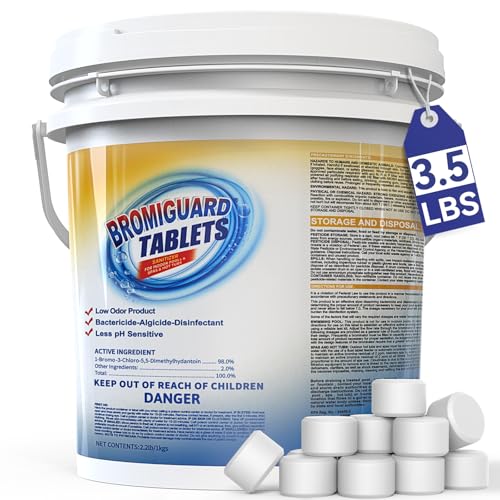
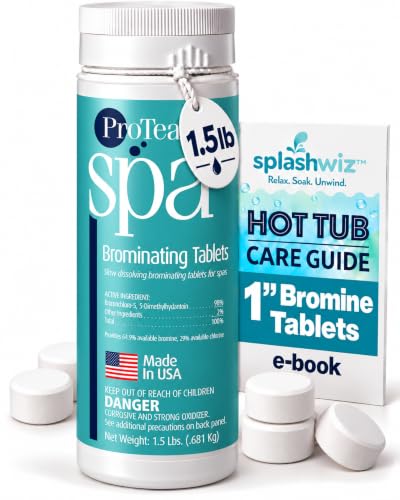
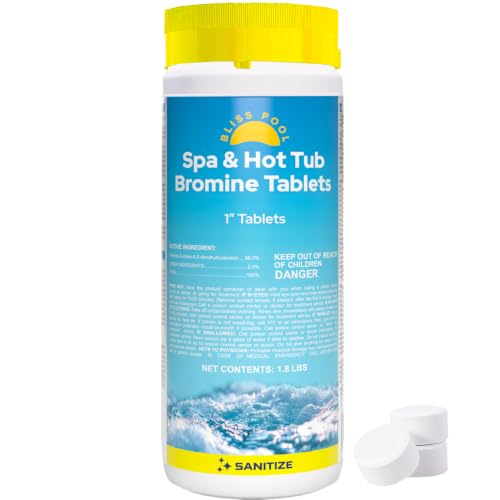
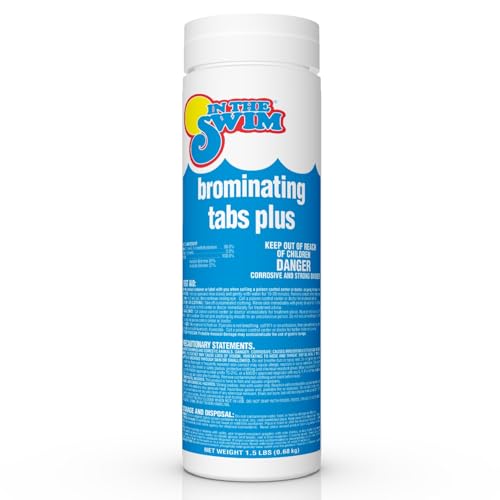
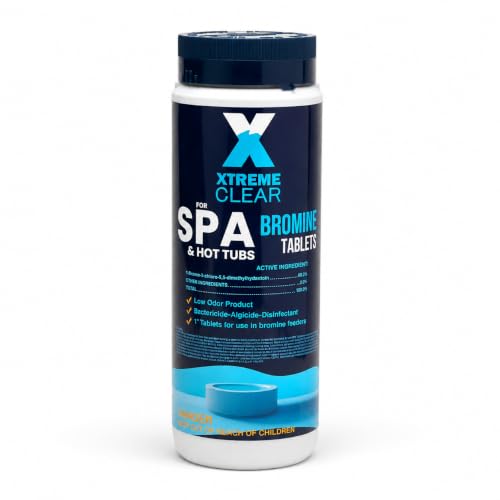
Who Should Use Bromine Tablets
For Regular Hot Tub Owners
Regular owners who soak several times a week benefit from the slow, steady release of bromine tablets. A floating dispenser or inline feeder keeps levels steadier than adding granules by hand each time. Test water regularly and adjust the dispenser rather than guessing, since steady levels protect both bathers and equipment.
For Owners Sensitive to Chlorine
Some bathers prefer bromine because it tends to smell less harsh than chlorine in warm water and remains active at higher temperatures. Sensitivity varies by person, so test carefully and watch for skin or eye irritation. If irritation appears, stop soaking and check water balance before trying again.
For Holiday Homes and Rentals
Holiday homes benefit from slow release tablets that maintain water between visits, though testing on arrival remains essential. A feeder with a clear setting helps caretakers keep levels consistent. Never assume water is safe without testing, especially after a gap in use.
Key Features to Compare
Tablet Size and Dissolve Rate
Tablets commonly come in small and large sizes, and size affects how fast they dissolve and how long they last. Larger tablets suit feeders and bigger tubs, while smaller tablets fit compact dispensers. Match tablet size to your dispenser first, since the wrong size can dissolve unevenly or jam the feeder.
Dispensers and Feeders
Floating dispensers are simple and portable, while inline feeders connect to plumbing and offer finer control. Adjustable vents let you tune release to bather load and temperature. Keep dispensers away from skimmers and heaters as the label directs, and never mix bromine tablets with other chemicals in the same feeder.
Water Balance Basics
Bromine works best when pH and alkalinity sit in their recommended ranges, so test all three together rather than bromine alone. Unbalanced water can irritate skin and damage heaters, pumps, and covers. Use test strips or a liquid kit regularly and record results to spot trends before problems grow.
Handling and Storage Safety
Bromine tablets are strong oxidisers and must be handled with dry hands and stored away from other chemicals, heat, and moisture. Keep containers closed, labelled, and out of reach of children and pets. Never mix bromine with chlorine products, since mixing pool chemicals can create dangerous gases.
Types Worth Knowing
Slow Dissolve Tablets
Slow dissolve tablets are the standard choice for feeders and floating dispensers, releasing sanitiser gradually over days. They suit regular use and reduce the need for daily dosing. Check the label for recommended feeder settings and never crush tablets to speed release.
Bromine Granules for Shocking
Granules dissolve quickly and suit initial fills or recovery after heavy use, but they are not a substitute for steady tablet dosing. Use them only as the product label directs and allow water to balance before soaking. Keep granules and tablets stored separately to avoid confusion.
Two Step Bromine Systems
Two step systems pair a bromide bank with an oxidiser to activate bromine in the water. They offer flexible control but need more testing and understanding than tablets alone. Beginners usually find tablets simpler, while experienced owners may prefer the control of a two step approach.
Budget, Care, and Common Mistakes
Prices for bromine tablets usually range from about 25 dollars to about 80 dollars for a supply that lasts several weeks to months, depending on tub size and use. Dispensers add a one off cost, while test kits are a small ongoing expense. Budget for testing supplies too, since untested water wastes chemicals and risks irritation.
Common mistakes include overloading a dispenser, mixing chemicals, and skipping tests after heavy use or hot weather. Another is storing tablets near chlorine or in a damp shed, which can degrade them or create hazards. Rinse the dispenser regularly, check for cracked tablets, and replace worn feeder parts promptly.
Before you buy, note your tub volume, your current dispenser type, and your usual bather load. Start with the label dose, test after a day, and adjust the feeder in small steps. If water stays cloudy, smells strong, or irritates skin despite balanced readings, stop soaking and seek advice from a pool professional.
A Closer Look at Water Care Routines
Testing routines work best when tied to a habit, such as testing before the first soak of the weekend or after any party use. Keep test strips near the tub with a simple logbook, and record bromine, pH, and alkalinity together. Patterns in the log reveal feeder adjustments before problems become visible.
Filter care supports sanitiser performance, since a dirty filter reduces circulation and lets bromine levels vary across the tub. Rinse filters regularly and deep clean on the schedule your manual suggests. A clean filter helps every chemical work more evenly and extends equipment life.
Bather load changes dosing needs sharply, with parties and frequent use consuming sanitiser faster than quiet weeks. Increase feeder settings modestly before expected heavy use and test afterwards rather than guessing. Returning to normal settings after heavy use prevents irritation from too much sanitiser.
Cover care matters too, since a well fitting cover reduces debris, heat loss, and chemical demand between soaks. Clean the cover underside regularly and check for waterlogging, which adds weight and harbours bacteria. A good cover pays for itself in chemical savings and cleaner water.
Seasonal changes affect bromine demand, with hot weather and sunlight increasing consumption and cold weather slowing it. Adjust feeder settings gradually with seasons and test more often during transitions. Small seasonal tweaks keep water stable without dramatic chemical swings.
Finally, teach every regular bather basic rules, including showering before soaking, avoiding lotions and oils in the tub, and reporting cloudy water or irritation promptly. Shared habits protect water quality far better than chemicals alone. A tub cared for together stays inviting for everyone.
Frequently Asked Questions
How many bromine tablets should I use?
The right number depends on tub volume, dispenser type, water temperature, and bather load, so follow your product label as the starting point. Start low, test after a day, and adjust the feeder gradually. Overdosing wastes chemicals and can irritate skin, while underdosing leaves water unprotected.
Can I mix bromine and chlorine tablets?
No, never mix bromine and chlorine products in the same feeder or container, since mixing pool chemicals can create dangerous gases and damage equipment. Choose one sanitiser system and stick with it. If switching systems, follow label guidance for draining, cleaning, and balancing water first.
Why does my hot tub water smell strongly?
A strong smell often signals unbalanced water, high bather load, or a need for shocking rather than simply more tablets. Test bromine, pH, and alkalinity together and check the filter. If the smell persists after balancing, stop soaking and ask a pool professional to review the water.
How often should I test hot tub water?
Test before each soak during regular use, and more often after parties, heavy use, or hot weather. Record results so you can spot trends in bromine and pH. Regular testing prevents most water problems and helps you adjust the feeder before irritation or cloudiness appears.
Is bromine safe for children and sensitive skin?
Bromine is widely used in hot tubs, but children and sensitive bathers should soak only in properly balanced water and for shorter times. Watch for redness, itching, or eye irritation and stop if symptoms appear. Young children should always be supervised in and around hot tubs, and water temperature needs care.
Related Guides
For the broader sanitiser picture, best bromine for hot tubs and best tablets for hot tub compare bromine with other water care options. If you are weighing bromine against chlorine, best chlorine tablets for hot tubs and best chlorine tablets for inflatable hot tub explain chlorine dosing and use.
Use these guides alongside the product table above when choosing a system that fits your tub, your routine, and your bathers.
Final Thoughts
Choosing best bromine tablets for hot tub comes down to matching tablet size to your dispenser, testing water regularly, and handling chemicals safely. Steady dosing and balanced water protect bathers, equipment, and covers far better than occasional heavy doses. Follow the label, test often, and adjust in small steps.
Use the product table above as a starting point, then keep a simple testing routine and store chemicals safely apart from each other. With steady care, your hot tub stays inviting and comfortable for every soak.


