
Best Chipmunk Bait: Types Compared and How to Choose for 2026
Disclosure: We may earn a commission when you buy through links on this page, at no extra cost to you. As an Amazon Associate I earn from qualifying purchases. Learn more
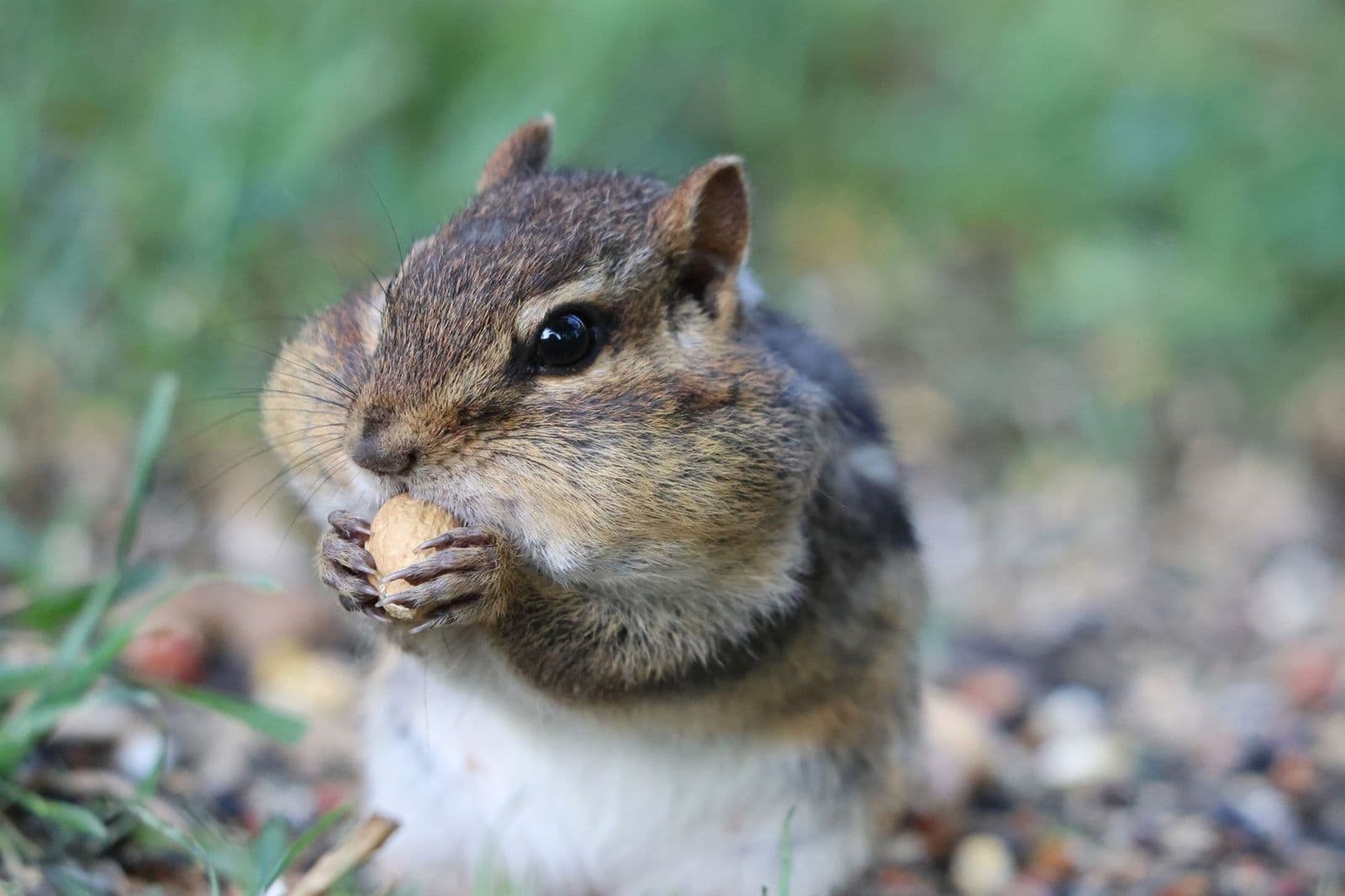
Compare the best chipmunk bait types, from seed mixes to scent pastes, with clear pros, cons, and price guidance for live traps and gardens.
Chipmunks are cautious foragers, and the food that tempts one animal in a quiet garden may be ignored by another living under a busy porch. That is why choosing the best chipmunk bait feels confusing at first. Shelves and listings mix seed blends, scented pastes, and plain pantry foods together, and each one promises quick results without explaining when it actually works best.
This guide compares the main bait types side by side, explains what each one does well, and shows you how to match a bait to your trap, your yard, and the season. Read on for placement, storage, and safety guidance that helps any bait work harder.
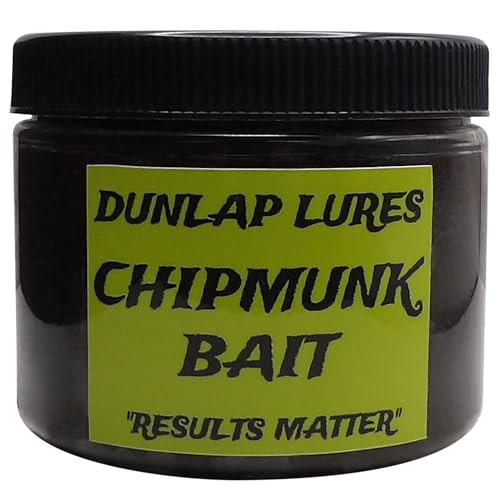


Types of Chipmunk Baits Compared
Every chipmunk bait is simply food or scent placed in or near a live trap so the animal walks in and triggers the door. Chipmunks eat seeds, nuts, grains, and fruit, and they rely heavily on smell when deciding whether a new food is safe. Unlike insect baits, which carry a poison inside a station, chipmunk bait is plain food with nothing toxic added. If you have dealt with indoor pests before, our guides to the best roach baits and the best ant baits cover that very different approach, while this article stays focused on humane live trapping.
Mid Range Options: Prepared Baits and Scent Pastes
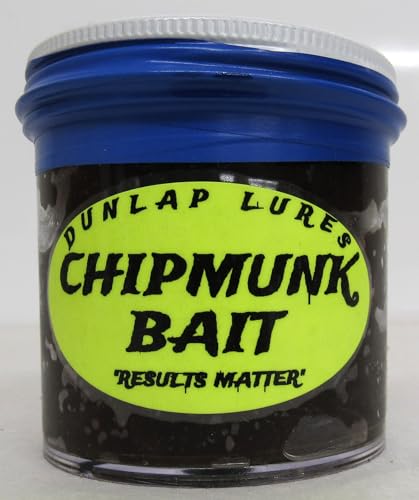
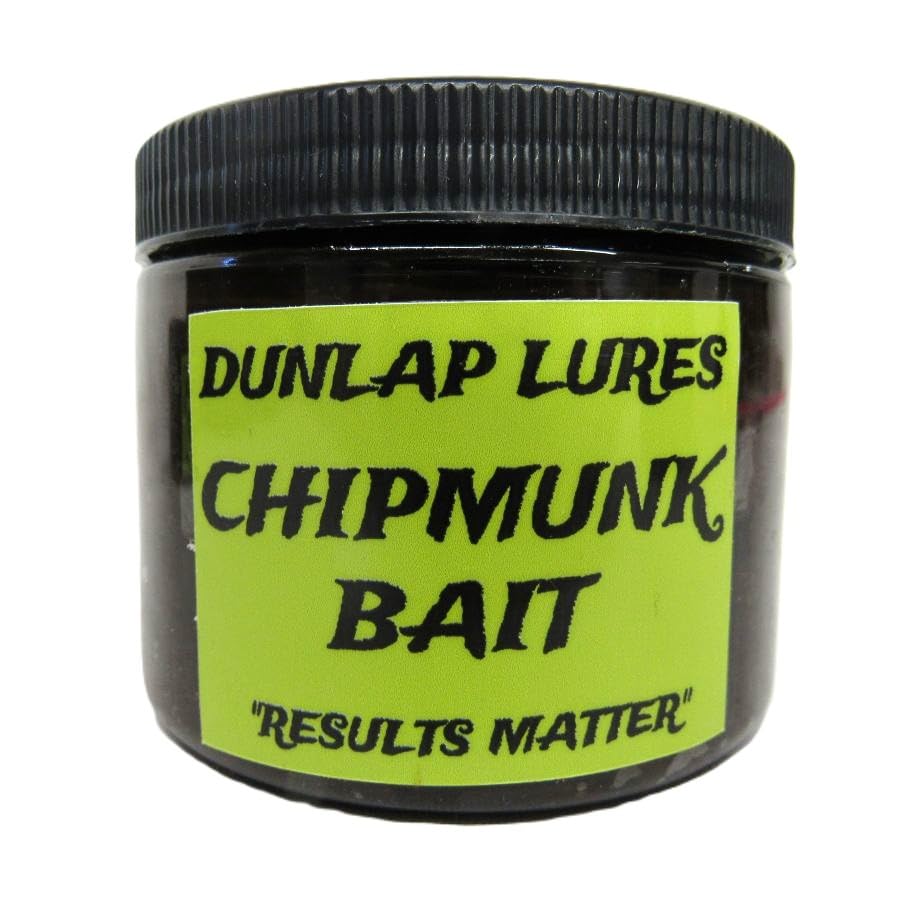
Prepared baits are made for trapping, and they usually come as a thick paste, a gel, or a scented block that you smear or set inside the trap. Most use peanut, seed oils, or grain aromas blended to smell strong from a distance. Because the scent carries farther than a pile of plain seeds, these baits can pull a chipmunk toward a trap it has never seen before, which matters when the animal is wary.
The trade off is cost per use. A tube or jar usually sells for around $10 to $20 and treats many trap sets, so the price per catch stays reasonable. Pastes also stay put in the trap instead of scattering when the door snaps shut. Choose this type when chipmunks have ignored plain food, when you are trapping in a new area, or when you want one product that stores well between uses.
Budget Options: Pantry Foods Chipmunks Already Love
The cheapest baits are foods you may already own. Black oil sunflower seeds, unsalted peanuts in the shell, small pieces of apple, and a thin smear of peanut butter all sit high on a chipmunk menu. These foods work because chipmunks already recognize them as safe calories, so there is little hesitation at the trap entrance. A bag of sunflower seeds costs under $10 and can bait a trap for weeks.
The limits show up outdoors. Loose seeds spill, soak up rain, and attract birds, mice, and squirrels that may spring your trap first. Peanut butter can melt in summer heat and turn rancid, and its smell fades within a day or two. Budget foods suit patient trappers with a small problem, a sheltered trap spot, and time to refresh the bait often.
Compact Options: Small Packs for Small Traps and Tight Spaces
Compact baits come in small tubes, single use paste packets, and little prefilled cups sized for the narrow floor of a chipmunk sized live trap. A pea sized dab is all you need, placed past the trigger plate so the animal steps fully inside. Because the portions are tiny and sealed until opened, these packs store neatly in a drawer and travel easily to a cabin, a rental, or a garden shed.
You pay more per ounce for that convenience, and a small pack runs out fast if chipmunks keep visiting or if other animals steal the bait. Compact options fit best when you own one small trap, when storage space is tight, or when you only trap during the few weeks that chipmunks raid a ripening garden.
Mid Range Options vs Budget Options: Which Should You Choose?
Start with scent strength. A prepared paste announces itself across a yard, while plain seeds mostly reward an animal that already passes the trap daily. Next, think about weather. Pastes and blocks hold up in light rain and heat, while loose seeds and peanut butter lose appeal quickly outdoors. Durability of the bait itself, meaning how long it stays fresh and attractive in the trap, is where prepared products earn their price.
Then weigh effort and total cost. Budget foods cost almost nothing per set but demand daily checking and frequent replacement, and stolen bait means more trips to the trap. A mid range paste costs around $10 to $20 once and cuts that work for weeks. If you have one chipmunk and a sheltered porch trap, start with pantry food. If you face several animals, an exposed yard, or a history of ignored traps, the prepared bait is the better value.
How to Choose the Right Chipmunk Bait
There is no single best chipmunk bait for every yard, because local food supplies change with the season and with the neighborhood. The factors below help you decide which type fits your situation before you spend anything, and they apply whether you trap in a suburban yard, a farm garden, or around a woodpile.
Intended Use and Who It Is For
Match the bait to the job. Gardeners protecting strawberries or bulbs need a bait that draws chipmunks away from the crop and into a trap set along their travel paths. Homeowners dealing with burrows near a foundation need a strong scent that competes with natural food in late summer and fall, when seeds are everywhere. If trapping is not allowed in your area, or if you only want chipmunks gone from a bird feeder, bait alone will not solve it, and deterrents may suit you better, so see our guide to the best chipmunk repellents for that approach. Always check your local rules on trapping and relocation before you set a trap.
Key Performance Specs to Compare
Four qualities separate a good bait from a wasted weekend. Scent strength decides how far the lure reaches. Staying power decides how many days the bait stays attractive before it dries out, molds, or washes away. Texture matters too, because a bait the chipmunk must lick or gnaw in place keeps it on the trigger longer than a seed it can grab and carry off. Finally, check the ingredient list for simple, food based contents with no added poison, since other wildlife and pets may reach the trap.
Price vs Value
Bait prices run from under $5 for a bag of seeds to around $20 for a large tube of prepared paste, with premium scent products reaching about $25. Judge value by cost per successful catch, not cost per ounce. A cheap bait that birds steal three days in a row is not cheap anymore, while a paste that works on the first night and stores for months earns its price. Buy the smallest size first when trying a new type, because chipmunk tastes vary by region and season.
Ease of Use and Setup
Good bait should be easy to use even with gloves on. Pastes squeeze or smear in seconds and stay where you put them. Loose seeds need a small dish or a pile placed with care so they do not jam the trap door or roll under the trigger plate. Whatever you choose, place a small trail of bait leading into the trap and the main portion behind the trigger, then handle the bait with clean gloves so your scent stays off it. Wash your hands after every setup, and keep bait and traps away from children and pets.
Care and Maintenance Tips for Chipmunk Bait
Bait loses power when it gets stale, wet, or contaminated, so storage and routine checks matter. Keep opened bait in a sealed container in a cool, dry place, and note the date you opened it. Inspect stored seeds and grains for mold or insect activity before each use, and throw out anything that smells sour or looks webbed. Prepared pastes usually keep their quality for many months once sealed again after use, though most carry no formal warranty, so treat the printed date on the package as your guide.
Outdoors, refresh loose food bait every one to two days and paste bait every few days, sooner after rain. Clean the trap with plain water when old bait leaves residue, because sour smells tell a chipmunk to stay away. If a child or a pet eats any bait, or if you find a sick or injured animal in the trap, contact your local animal control office or a veterinarian for advice rather than handling the situation alone.
FAQs
How should I store chipmunk bait so it stays fresh?
Store chipmunk bait in a sealed, labeled container in a cool, dry spot away from sunlight and garage chemicals. Keep seeds and grains in a metal or thick plastic bin with a tight lid, because mice can chew through bags and ruin the whole supply. One point many people miss is that bait stored near gasoline or fertilizer picks up chemical odors, and chipmunks will refuse food that smells wrong.
How long does chipmunk bait stay effective in a trap?
Chipmunk bait stays effective for about one to two days when it is loose food, and for several days when it is a paste or block. Heat, rain, and visiting insects shorten that window, so check the trap daily and replace bait that looks dry, moldy, or picked over. In cool spring weather a paste can stay attractive close to a week, which is one reason trappers like it for traps set far from the house.
How much should I spend on chipmunk bait?
Most people should spend under $20 in total on chipmunk bait for a typical yard problem. Pantry foods and a bag of sunflower seeds cost under $10, while one tube of prepared paste usually costs around $10 to $20 and lasts a full season of occasional trapping. Spend more only if you trap often or manage a large garden. Money is better spent on a second trap than on a large stock of bait that may go stale.
Are expensive chipmunk baits worth the extra cost?
Expensive chipmunk baits are worth it only when plain food has already failed or when weather keeps ruining loose bait. Premium pastes offer stronger scent and better staying power, which can end a problem in fewer nights. They add little for a calm animal already feeding near the trap. A sensible test is to try seeds for three nights first, then upgrade once if the trap stays empty, instead of starting with the priciest option.
What features matter most when buying chipmunk bait?
The features that matter most in chipmunk bait are scent strength, food based ingredients, and a texture the animal must work at in place. Look for baits built on peanut, seed, or grain flavors, and check that the package states it contains no poison. Freshness dating is an underrated detail, since a bait near the end of its shelf life may smell weak. Packaging you can reseal also protects your purchase between trapping sessions.
The Bottom Line
Choosing well comes down to three things: a scent strong enough to reach the animal, a texture that keeps it working on the trigger, and freshness every time you set the trap. Budget pantry foods handle easy cases, prepared pastes earn their price with wary chipmunks and rough weather, and compact packs suit small traps and short jobs. Pick one type to try first, start small, and refresh often, and the best chipmunk bait for your yard will prove itself within a few nights.


