
Best Chipmunk Repellents by Budget: Smart Picks for 2026
Disclosure: We may earn a commission when you buy through links on this page, at no extra cost to you. As an Amazon Associate I earn from qualifying purchases. Learn more

Compare chipmunk repellent types by budget, from sprays and granules to solar powered and ultrasonic options, and learn what each price level usually includes.
Chipmunk damage in a garden, flower bed, or garage can be frustrating, and prices for deterrents range widely. Best chipmunk repellents are not one single product type, so this guide compares sprays, granules, ultrasonic devices, and physical barriers by what you get at each price level. Use the comparison table below to match a format to your space, your budget, and how much upkeep you are willing to do.
Before you buy, decide where chipmunks are active and whether you need coverage for a small bed, a whole yard, or an enclosed space like a shed. That choice matters more than brand names, because a product made for open garden beds may be a poor fit for a garage or a porch. The sections below walk through spending levels, features worth paying for, and long term costs, so you can spend where it counts.

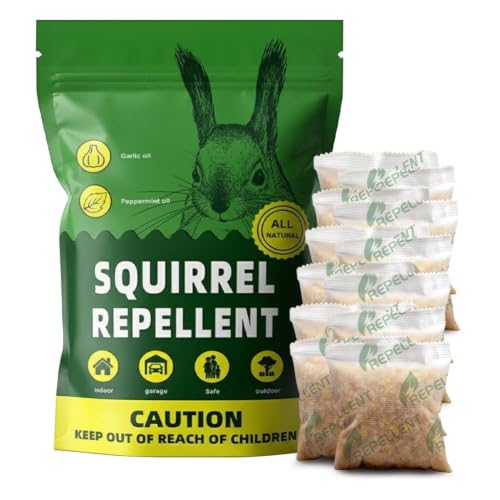
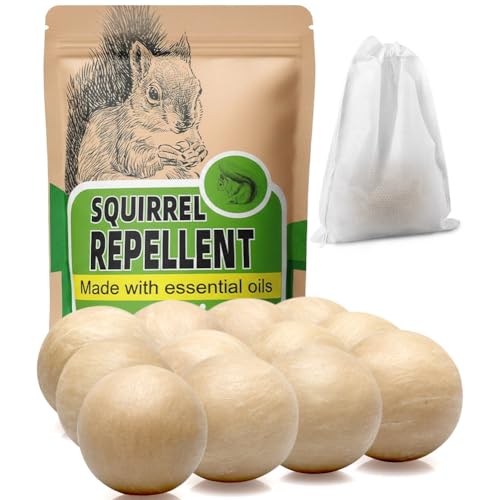


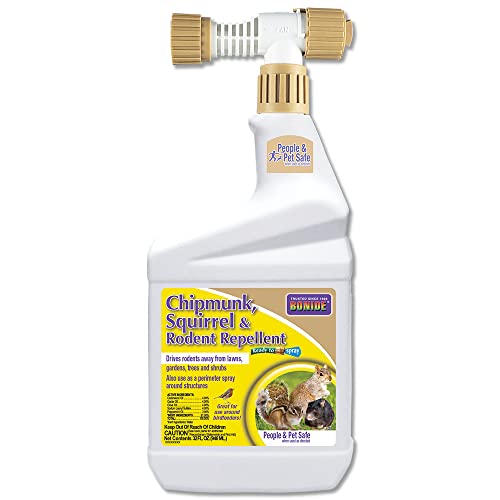
Spending Levels at a Glance
Price alone does not tell you whether a repellent will suit your yard. Lower priced options often cover a small area and need frequent reapplication, while higher priced options may cover more ground, last longer between applications, or include sturdier housings. Think about total effort as well as total cost, since a cheap option that needs weekly attention can cost more in time than a sturdier one.
Lower Priced Options: What to Expect
Lower priced repellents, usually about $10 to $25, tend to include ready to use sprays and small bags of granules. They suit a single flower bed, a container garden, or a spot near a foundation where chipmunks dig. Coverage is usually limited, and rain often washes sprays and granules away, so plan to reapply after heavy rain.
Middle Priced Options: The Balanced Choice
Middle priced repellents, usually about $25 to $50, often include larger granule bags, concentrated sprays that you mix yourself, and basic solar powered ultrasonic units. These options suit a full garden bed, a yard border, or a shed entrance. Concentrates can lower the cost per application, but they require careful mixing and storage, and solar powered units need direct sun.
Higher Priced Options: When Extra Spending Helps
Higher priced repellents, usually about $50 to $100, often include multi pack granule sets, weather resistant ultrasonic units with wider coverage, and sturdy physical barriers such as mesh and fencing kits. These options suit larger yards, repeat problem areas, or spots where chipmunks return season after season, but no repellent can guarantee that chipmunks will stay away for good.
What Your Money Gets You at Each Price Tier
Each price tier changes how much area you can treat, how often you must reapply, and how well the product holds up outdoors. Budget options are best for testing a format before you commit to a larger purchase, mid priced options usually give the best balance for a typical home garden, and higher priced options make sense for a large area or a spot that is hard to reach for frequent reapplication.
Budget Tier Basics
At the budget level, expect simple formulas and small coverage areas. Sprays are easy to aim at burrow entrances and plant bases, while granules spread quickly along a border. Both need regular reapplication, especially after rain or watering.
Mid Tier Value
At the mid level, you often get larger quantities, concentrates, or a basic electronic unit. Larger packs reduce the need to reorder, and concentrates let you adjust how much you mix for each use. Electronic units in this range usually cover a modest area and rely on sun or batteries, so check the stated coverage and power source before you buy.
Premium Tier Trade Offs
At the premium level, you pay for wider coverage, sturdier construction, and longer intervals between applications or battery changes. Multi packs and barrier kits can treat a whole yard in one project rather than one bed at a time. The trade off is upfront cost and, for barriers, installation time, and results still vary with weather and nearby food sources.
Features Worth Paying For (and Ones to Skip)
Some features genuinely change results, while others sound useful but add little in a real yard. Focus on coverage, weather resistance, ease of reapplication, and safety for your household, and skip extras that do not match your space, such as a wide area unit for a single container garden.
Safety and Certifications
Safety information is worth reading closely, especially if children or pets use the yard. Look for clear label directions about where the product can be used, whether it should stay away from vegetable gardens, and how to store it. Keep all repellents out of reach of children and pets, and follow local wildlife rules for your area.
Build Quality and Materials
For electronic units, build quality matters because the device sits outdoors in sun, rain, and temperature swings. Look for weather resistant housings, secure battery compartments, and stakes or mounts that hold firm in soft soil. Cheap housings that crack or leak often cost more in replacements than a sturdier unit bought once.
Intended Use and Who It Is For
Match the format to the place you need to protect. Sprays suit burrow entrances, plant bases, and narrow gaps, and granules suit borders, beds, and lawn edges. Ultrasonic units suit open areas with a clear line of sight, while mesh and fencing suit raised beds and garden plots that need lasting protection. If you also deal with other pests, see our guide to the best cockroach repellents for a different pest problem, since a chipmunk product is not made for indoor insect control.
Ease of Use and Setup
Ease of use affects whether you will actually keep up the routine. Sprays and granules need little setup but regular reapplication, and ultrasonic units need placement in sun or near a power source, plus occasional cleaning. Barriers need the most setup time, since mesh must be buried or secured to block digging, but they need less attention afterward.
Repellents Compared With Other Approaches
Repellents work best as part of a wider plan that also removes food sources and blocks entry points. Clean up fallen seed under bird feeders, store pet food indoors, and seal gaps around sheds and garages. If chipmunks keep returning to one spot despite repellents, a barrier or removing dense ground cover near a foundation may help more than switching to another spray. For readers weighing a different tactic, our guide to the best chipmunk bait covers bait based options, which should be used strictly as labeled.
Vehicles and outbuildings deserve special attention, because chipmunks may shelter in garages and chew on stored items. A granule border around a garage door or an ultrasonic unit near the entrance can help, but sealing gaps and keeping the space tidy matters just as much. If cars are the concern, see our guide to the best rodent repellent for cars for options made for vehicle storage areas.
Long Term Costs to Factor In
Long term costs include refills, batteries, replacement stakes, and barrier repairs. Sprays and granules are the cheapest to buy but the most expensive to maintain, since rain and watering shorten their effect. Barriers cost more upfront and need little ongoing spending, though mesh can tear and need patching, so add up a full season of refills before you judge a low sticker price.
Frequently Asked Questions
What features matter most when buying chipmunk repellents?
Coverage area, weather resistance, and ease of reapplication matter most, because they decide whether the product fits your space and whether you will keep using it. A spray that washes away after one rain is a poor fit for an exposed bed, while a unit with a narrow range will miss a wide yard. Also check label safety directions and whether the format suits beds, borders, garages, or open lawns.
Are expensive chipmunk repellents worth it?
Expensive repellents are worth it when they solve a problem that cheaper options cannot, such as covering a large yard or lasting longer between applications. Wider coverage, sturdier housings, and multi packs can lower effort over a full season. They are less worth it for a small, one time problem, where a basic spray or granule may do the job.
How long does a chipmunk repellent last?
How long a repellent lasts depends on the format, the weather, and the area treated. Sprays and granules often need reapplication after heavy rain, watering, or about two to four weeks of normal outdoor exposure. Electronic units last as long as their power source and housing hold up, which can be a full season or longer with care. Always follow the label for reapplication timing rather than guessing.
How do I maintain a chipmunk repellent?
Maintenance depends on the format you choose, but a few habits help every type, including reapplying sprays and granules after rain and checking that granules have not washed into drains or paths. Clean ultrasonic units, clear debris from sensors, and check batteries or solar panels through the season. Inspect barriers for gaps, torn mesh, and soil erosion around edges. Store unused products sealed, upright, and out of reach of children and pets, and dispose of empty containers as the label directs.
How much should I spend on a chipmunk repellent?
Most home gardeners spend about $10 to $50 for a first purchase, with larger yards or repeat problems pushing spending toward about $50 to $100 for multi packs or barriers. Start small if you are testing a format in one bed, then scale up only if it helps. Remember that season long costs include refills and batteries, so a low priced spray can end up costing as much as a mid priced unit over time.
Our Verdict
Start by matching the format to your space, then choose a price tier that fits how much upkeep you will actually do. Small beds suit budget sprays or granules, typical gardens suit mid priced concentrates or basic electronic units, and large or persistent problem areas suit wider coverage units or barriers. Keep safety and local wildlife rules in mind, maintain the product through the season, and judge results over several weeks. For a final check, review the product table above and pick the best chipmunk repellents format that fits your yard and your budget.


