
Best Ant Baits: What Actually Matters Before You Buy
Disclosure: We may earn a commission when you buy through links on this page, at no extra cost to you. As an Amazon Associate I earn from qualifying purchases. Learn more

The best ant baits checklist: species, safety, format and speed, with TERRO, Raid and Optigard picks.
A trail of ants across the kitchen counter is one of the most common household pests, and spraying the ants you see rarely solves the problem. The colony keeps sending more workers until the queen is gone. Ant baits work differently: worker ants carry the bait back to the nest and share it, which can wipe out the colony at its source. But ant baits vary widely in active ingredients, formats and which ant species they work on. This guide to the best ant baits explains what actually matters before you buy, then shares three picks that pass our checklist.
We walk through how we judge ant baits, share our picks, then cover a quick buyer checklist, red flags, care tips and answers to common questions. Every product in the table above is sold new on Amazon US. Ant baits contain insecticides or borax: read the label, place baits out of reach of children and pets, wash your hands after handling and call Poison Control or your vet right away if a child or pet swallows bait.




How We Evaluate the Best Ant Baits
We judge ant baits on the ant species they target, safety features, format and build, active ingredient and speed, ongoing cost, placement options and how clear the label and support are. We relied on maker labels and specifications plus the overall pattern in owner feedback, not our own use. Here is what each criterion means.
Intended Use and Who It's For
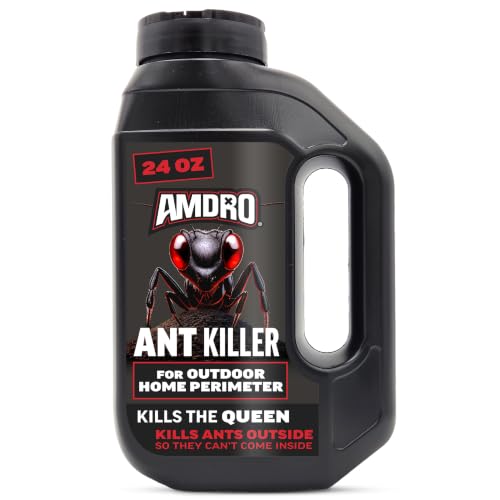
Start with the ant you are fighting and where. Sweet feeding ants like odorous house, little black, pavement and ghost ants respond well to sugary liquid baits indoors, like TERRO T300B. Outdoor colonies and perimeter problems call for outdoor stakes or granules, like TERRO Outdoor Liquid Ant Bait Stakes and Amdro Ant Killer for Outdoor Home Perimeter. Heavier or mixed infestations may need professional gels like Syngenta Optigard.
A quick way to tell what ants want is to set out a dab of honey and a dab of peanut butter near the trail. If they swarm the honey, a sweet liquid bait fits; if they prefer peanut butter, look for a protein or grease based bait.
Safety and Child Resistance
Enclosed bait stations keep bait away from small hands and paws better than open gels or granules. Raid lists its Ant Killer Baits as child resistant. Place any bait where kids and pets cannot reach, like behind appliances, under sinks and inside cabinets. Outdoor granules should stay off play areas and be watered in or kept dry as the label directs.
Pet owners should pay special attention to placement, since dogs may chew plastic stations. Adhesive stations mounted on walls or inside cabinets keep bait off the floor.
Build Quality and Format
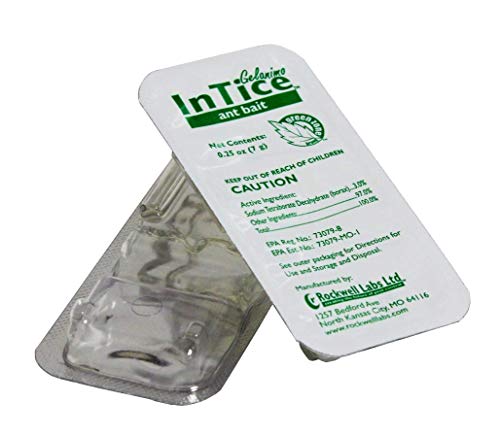
Liquid stations, like TERRO's, let many ants feed at once and keep the bait sealed until opened. Gels, like Optigard, go into cracks and along trails. INTICE Gelanimo uses a rigid hydro gel that Rockwell Labs says stays stable up to 130°F without getting sticky or gooey, which helps in hot spots. Adhesive stations, like TERRO T334SR, stick to walls and under cabinets.
Key Performance Specs
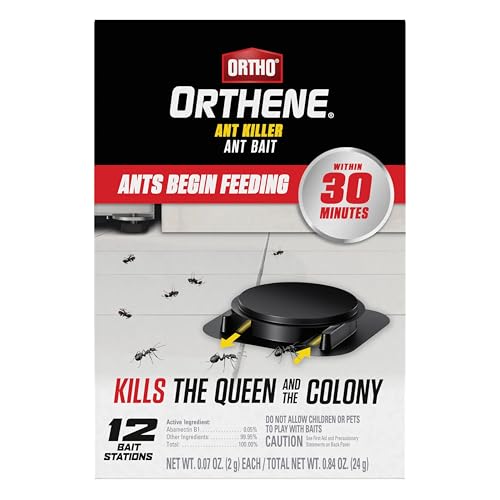
Active ingredient and speed matter. Borax based liquid baits, like TERRO's, work slowly enough for workers to carry bait home; TERRO says complete control may take 2 to 4 weeks depending on infestation size. Ortho Orthene says you should see fewer ants in 3 to 7 days. Optigard uses 0.01% thiamethoxam in a sugar based gel designed to stay thick enough for ants to carry to the colony.
Slow acting is a feature, not a flaw. A bait that kills workers too quickly stops them before they share it with the queen, so the colony survives and keeps sending new ants.
Maintenance and Long Term Costs
Baits need checking and replacing. Raid says its baits work for up to 3 months, while liquid stations last as long as ants keep visiting and bait remains. Outdoor granules like TERRO T2600 last up to 4 weeks, according to TERRO. Low priced station packs cost a few dollars, while professional gels cost around $33 but treat many placements.
Amdro says its outdoor perimeter bait controls 25 ant species, including carpenter and pharaoh ants, and recommends applying in cool early morning or evening, not on wet ground or before rain within 24 hours, or below 50°F.
Size, Weight, and Fit for Your Space
Small, flat stations fit along baseboards, on windowsills and inside cabinets. Outdoor stakes push into soil near foundations. Gels reach into narrow cracks where stations will not fit. Granule canisters, like TERRO T2600's 2 pound shaker, cover larger outdoor perimeters.
Count active trails before buying so you have at least one placement per trail.
Label Clarity and Support
Clear labels list which ants a bait controls and which it does not. Raid MAX Liquid, for example, notes that it does not control fire, carpenter, harvester or pharaoh ants. Established brands like TERRO, Raid, Ortho, Amdro and Syngenta offer label guidance and support.
3 Picks That Pass Our Checklist
Our picks are TERRO Liquid Ant Killer Bait Stations T300B as the best overall for common indoor ants, Raid Ant Killer Baits as the best value and Syngenta Optigard Ant Gel Bait as the best for heavy use and stubborn infestations.
Best Overall: TERRO Liquid Ant Killer Bait Stations (T300B, 12 Pack)
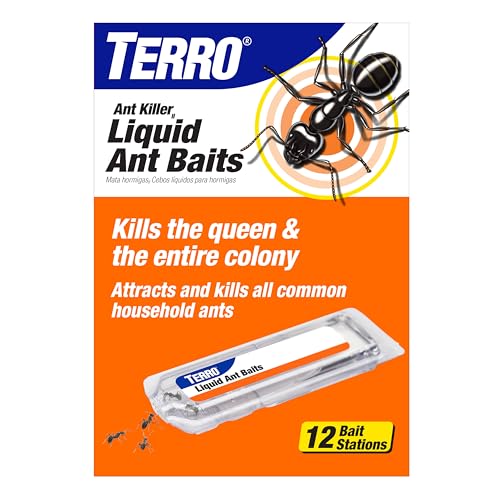
TERRO T300B stations suit most households dealing with sweet feeding ants indoors, at around $11 for 12 stations. TERRO lists a borax based liquid bait that targets acrobat, crazy, ghost, little black, odorous house and pavement ants, ready to use stations that go along baseboards, corners and countertops and bait that keeps working for weeks while ants visit.
Two strengths stand out: the liquid bait is very attractive to common household ants, and slow action lets workers carry it to the queen and colony. Ready to use stations need no mixing or mess.
The limitation is that it is not designed for carpenter or fire ants. Skip it for outdoor colonies or large ant species.

Best for: kitchens, bathrooms and pantries where small sugar ants trail along counters and baseboards. Place several stations along active trails and leave them undisturbed.
Best Value: Raid Ant Killer Baits (8 Count)
Raid Ant Killer Baits are for budget shoppers who want simple, child resistant stations, at around $5.50 for 8. Raid says ants return to the colony and transfer the bait to the queen and others, killing the colony, and the baits kill ants where they hide for up to 3 months. Raid recommends placing them in corners, along walls and near entry points.
Their strengths are a very low price, long lasting placements and a child resistant design that suits homes with kids.
The trade off is slower results than liquid baits on some sweet feeding ants. Skip them if you face a large, fast growing infestation.

Best for: preventive placements near doors and windows in spring, and light ant activity in apartments.
Best for Heavy Use: Syngenta Optigard Ant Gel Bait (4 Tubes)
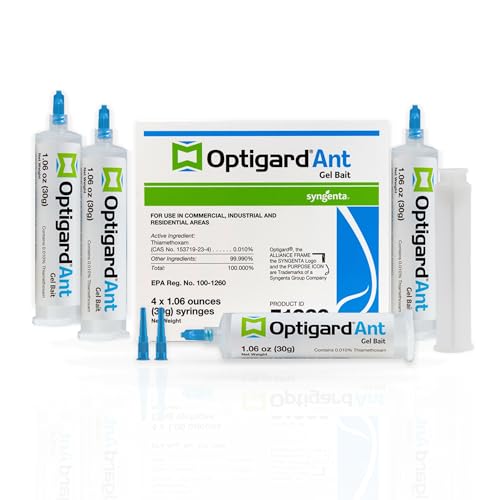
Syngenta Optigard suits homeowners with persistent or mixed ant problems, indoors and outdoors, at around $33 for four 30 gram tubes with a plunger. Syngenta lists 0.01% thiamethoxam, an odorless, stainless clear gel, a sugar based matrix that targets all major ant species and a consistency that ants can carry back to the colony.
The appeal is flexibility and coverage: four tubes treat many trails, cracks and nest sites.
The limitation is that gel requires careful placement out of reach of pets. Skip it if a few stations already solve your problem.

Best for: homes with ants coming from several entry points, outdoor foundation trails and ants that ignore liquid stations.
Quick Buyer Checklist
Before you buy, run through this checklist. Which ant species are you dealing with, and does the label list them? Is the problem indoors, outdoors or both? Do you need child resistant stations?
Will the format fit where ants travel, such as baseboards, cracks or soil? How long does the bait last? Do you have enough placements to cover every trail? Can you avoid sprays and cleaners near the bait while it works?
The best ant baits answer yes to most of these questions for your situation. If you cannot identify the ant, start with a common sweet liquid bait indoors and watch how ants respond over two or three days before switching.
Red Flags to Watch For
Watch for baits that promise instant kills, since fast acting poisons kill workers before they carry bait home. Be cautious with products that do not list target species or active ingredients.
Avoid spraying insecticides or cleaners near baits, which repel ants. If ants ignore a bait for several days, switch formulas; some ants prefer protein or grease baits over sugar. Finally, carpenter ants and fire ants often need specific products or professional help.
Be wary of repellent sprays marketed alongside baits. Repellents can split colonies of some species, like pharaoh ants, into multiple new colonies, which makes the problem worse.
Care and Maintenance Tips
Check baits every few days and replace stations that are empty or dried out. Keep counters clean of crumbs and spills so ants focus on the bait.
Do not disturb ant trails leading to bait. Seal entry points like gaps around windows and doors once ants are gone. Store unused baits in their original packaging.
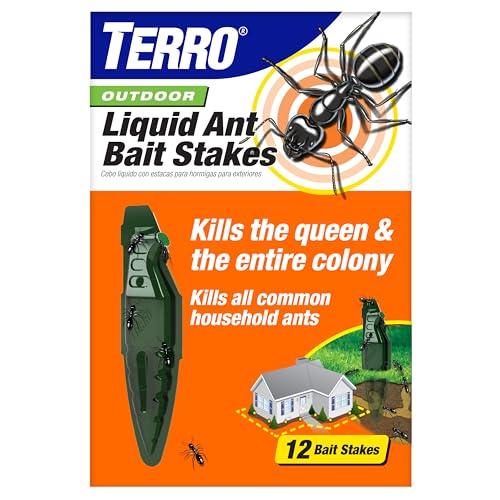
Outdoors, keep mulch and plants trimmed back from the foundation, since they give ants a path into your home. TERRO's see through outdoor stakes make it easy to monitor bait levels.
Frequently Asked Questions
Are expensive ant baits worth it?
Expensive baits are worth it for heavy or stubborn infestations, where professional gels like Optigard cover more placements and target more species. For light problems with common sweet feeding ants, low priced stations like TERRO T300B and Raid often work just as well.
A mix often works best: affordable stations indoors plus an outdoor stake or perimeter bait to stop ants before they reach the house.
How long does an ant bait last?
Ant baits last from a few weeks to about 3 months. Raid lists up to 3 months, TERRO liquid stations keep working while bait remains and outdoor granules like TERRO T2600 last up to 4 weeks.
Replace any station that is empty or has dried out, and add new stations if ants keep appearing.
How long does it take ant bait to work?
Most ant baits reduce activity within a few days and take 1 to 4 weeks for full colony control. Ortho says you should see fewer ants in 3 to 7 days, and TERRO says complete control may take 2 to 4 weeks.
What features matter most when buying ant baits?
Target species, format, active ingredient, safety design and how long the bait lasts matter most. Match the bait to the ant and location for the best results.
Placement options also matter: stations for open areas, gel for cracks and outdoor stakes or granules for the perimeter.
How much should I spend on an ant bait?
Most homes spend around $5 to $15 on bait stations for typical indoor ants. Outdoor stakes and granules cost around $15 to $20, and professional gels cost around $30 to $35.
Buying enough placements matters more than buying the most expensive product, since ants need easy access to bait along every trail.
Our Verdict
The best ant baits match your ant species and where they are coming from. TERRO T300B liquid stations are our best overall pick for common indoor ants, Raid Ant Killer Baits offer great value and Syngenta Optigard gel handles heavy or stubborn infestations. Be patient while the bait works and keep sprays away.
For more pest control guides, see the best roach baits, the best roach killers, the best insect traps and the best bug zappers. Then compare current prices in the product table above.


