
Best Beginner Electric Mountain Bike 2026 Buying Guide
Disclosure: We may earn a commission when you buy through links on this page, at no extra cost to you. As an Amazon Associate I earn from qualifying purchases. Learn more

The best beginner electric mountain bike offers smooth assistance, a comfortable fit and reliable brakes. Compare motors, batteries, suspension and sizing.
Choosing the best beginner electric mountain bike can feel overwhelming, because electric trail bikes vary widely in power, weight, and price. The good news is that most beginners need the same things: smooth assistance, a comfortable fit, reliable brakes, and a battery that covers a real ride. Focus on those basics first, and the right bike becomes much easier to spot.
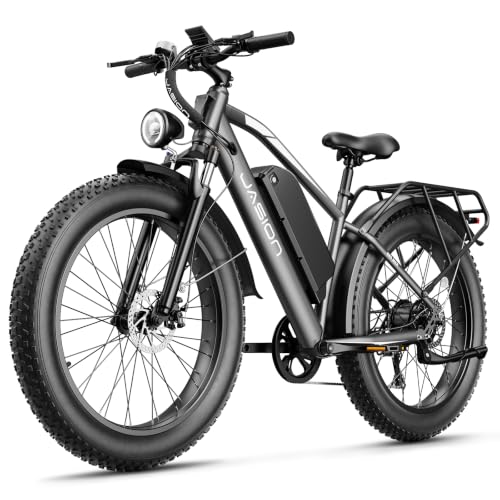
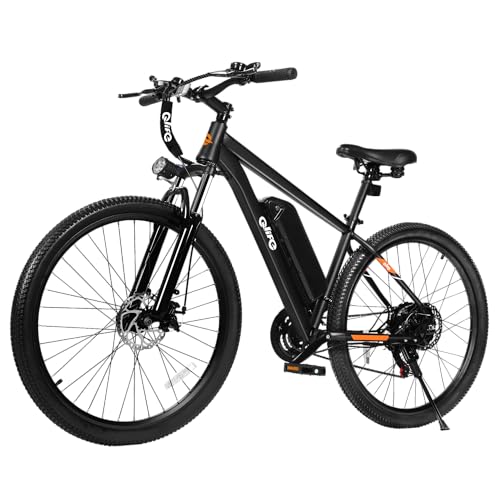
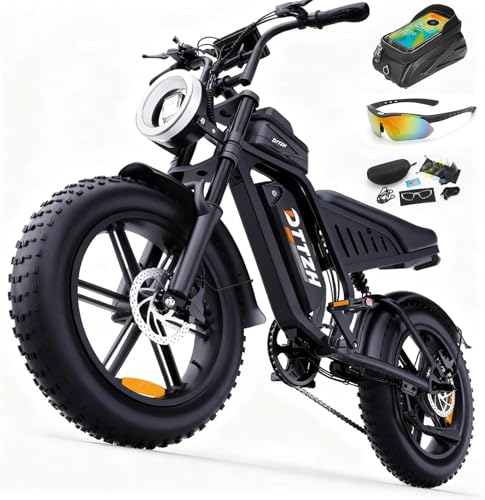
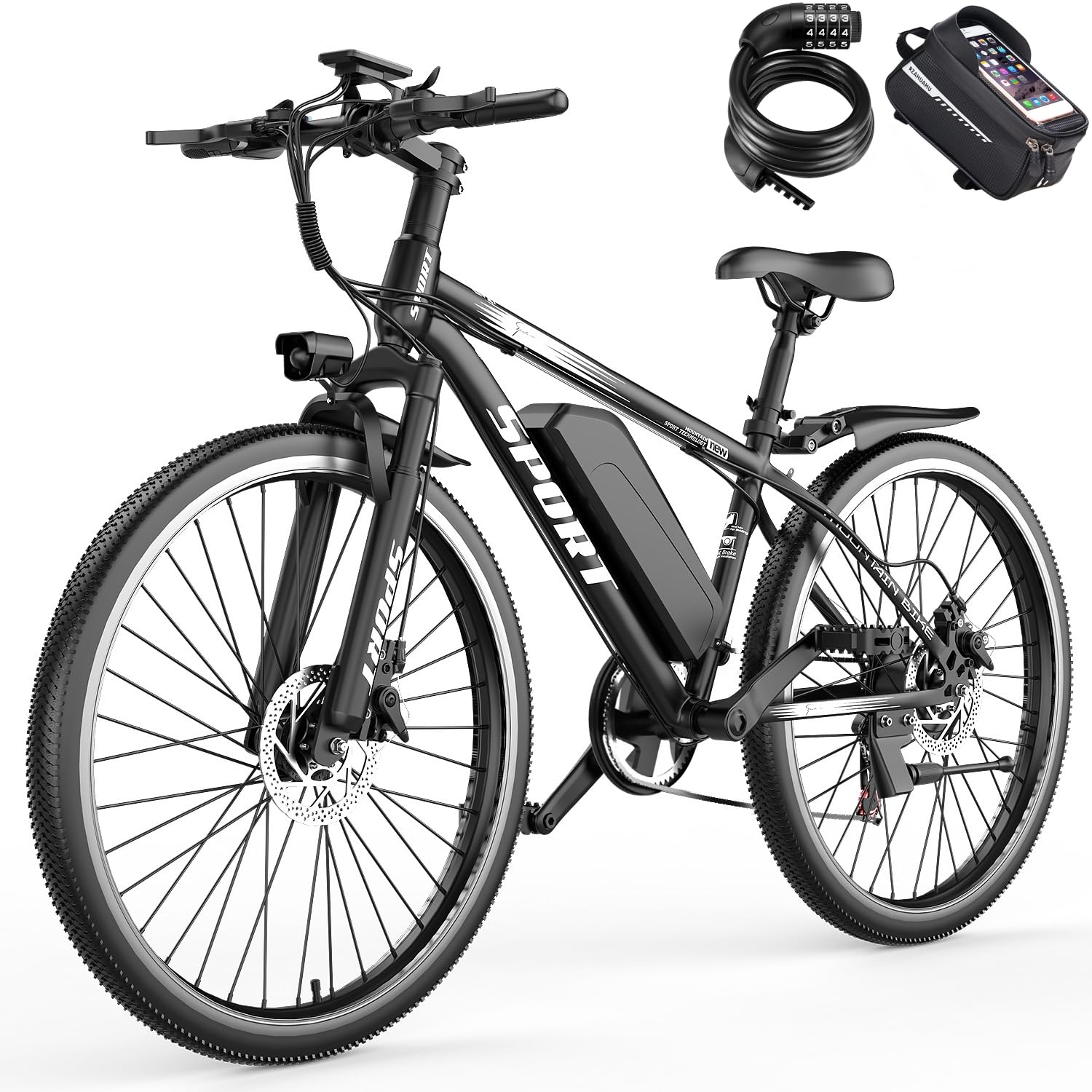
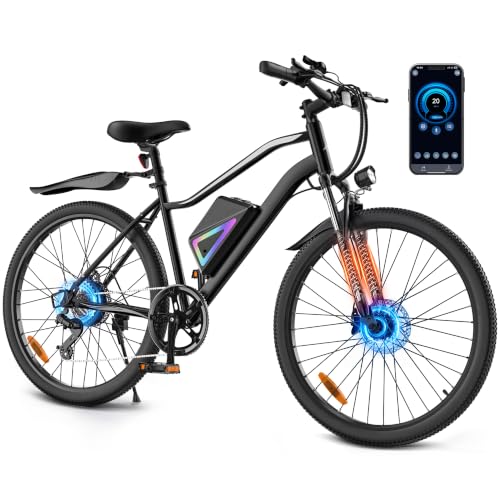
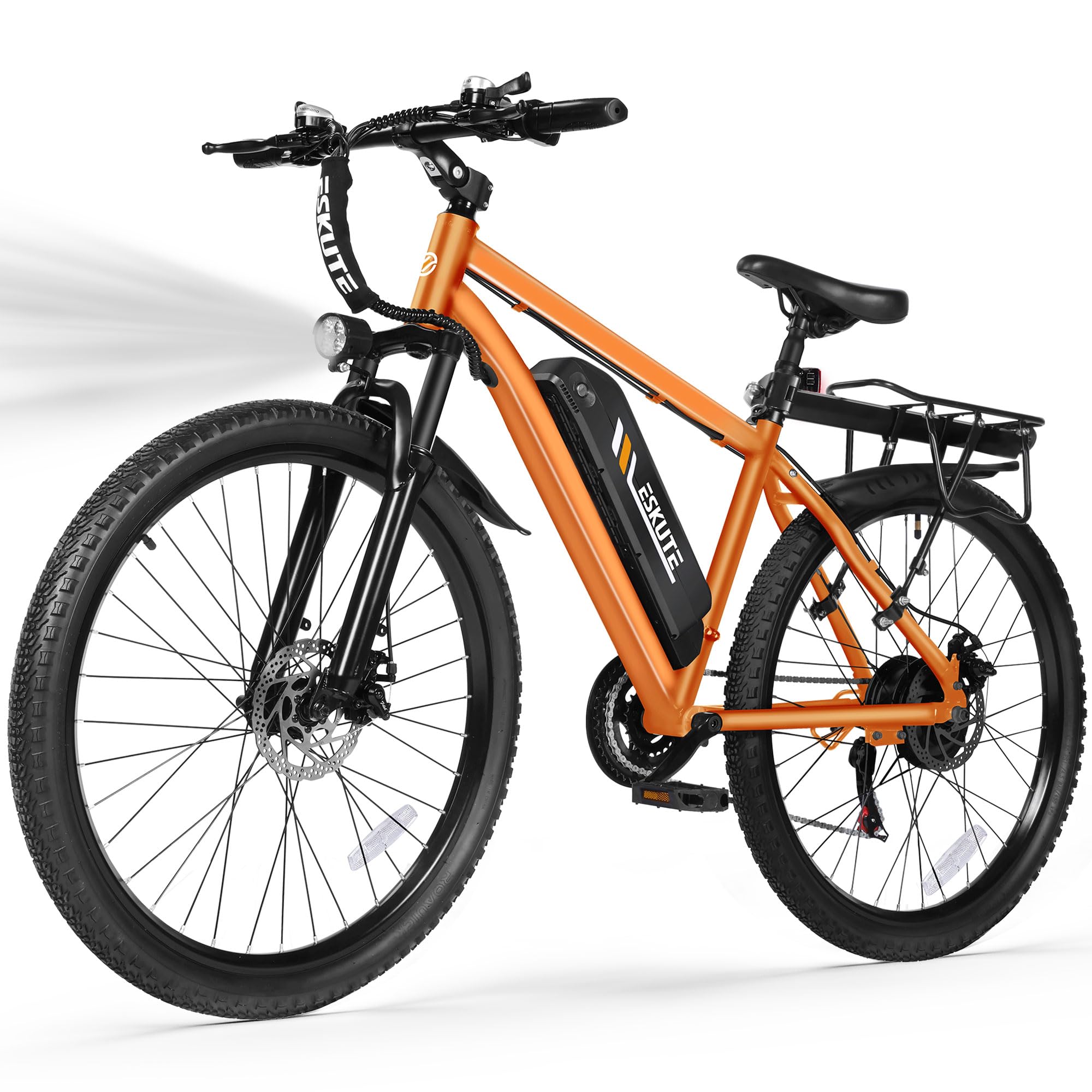
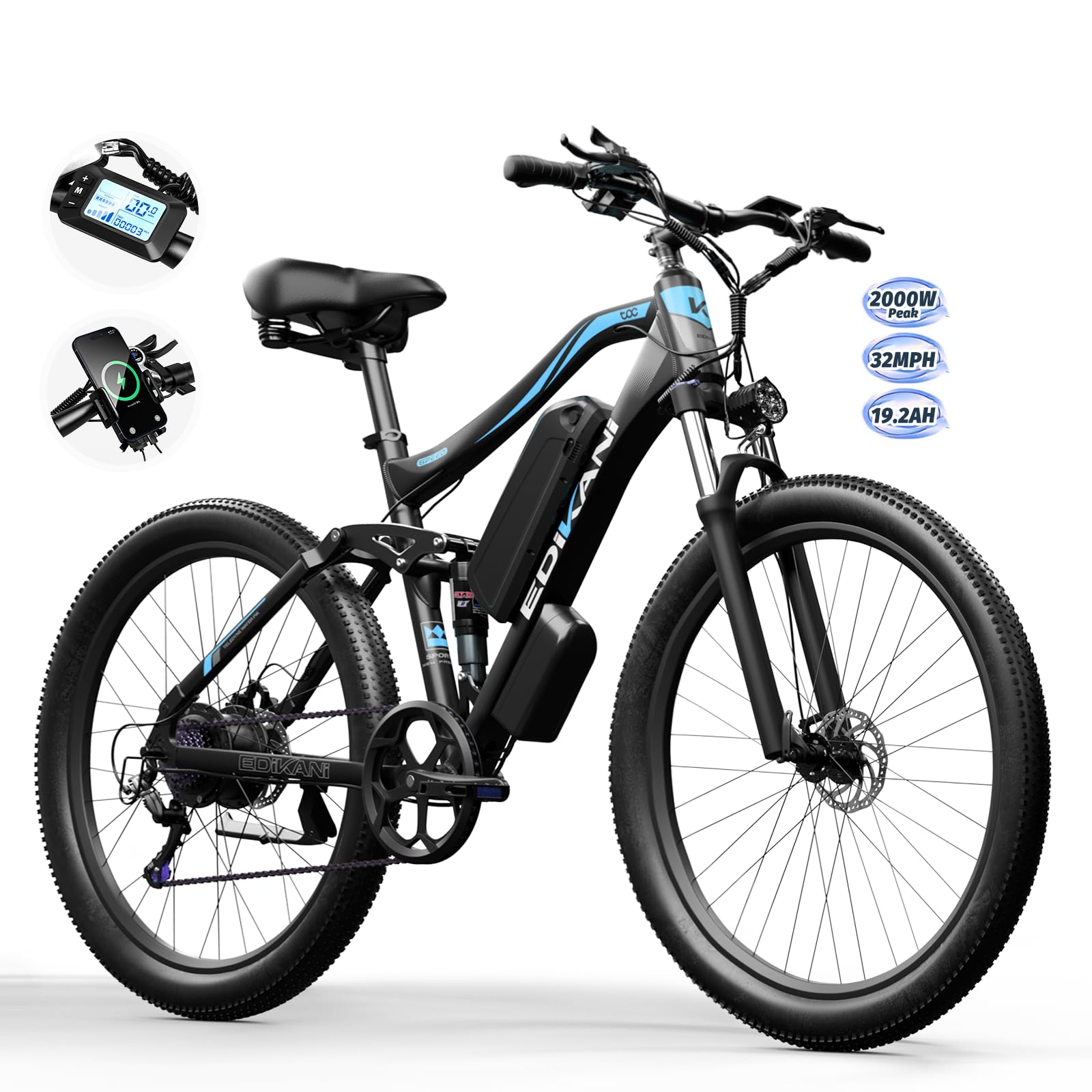
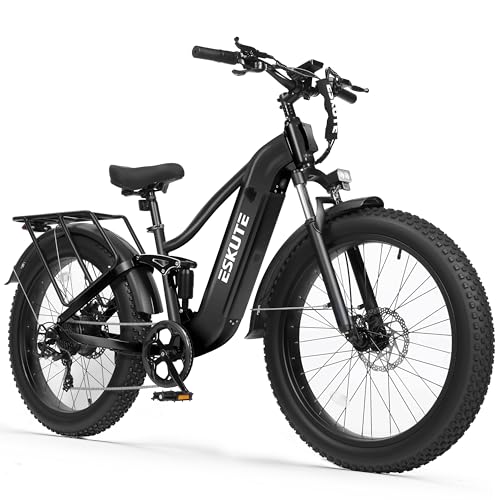
The comparison table below shows the main beginner electric mountain bike styles side by side, so you can compare motor power, battery size, and frame style before you read the details. Use it to shortlist bikes that suit your trails, then check the buying factors in this guide.


Who Should Buy A Beginner Electric Mountain Bike
Adults trying mountain biking for the first time are the clearest audience, since electric assistance removes the steepest barrier to enjoying trails: the climbs. Older riders and riders with limited fitness also benefit, because assistance lets them ride with fitter friends without struggling to keep up. Families benefit too, since a parent on an e bike can keep pace with energetic children on regular bikes.
Riders who already own a road bike but want to explore trails will find an electric mountain bike a friendly entry point. The assistance compensates for unfamiliar trail handling while skills develop. If you plan to ride mostly on pavement with occasional gravel, a hybrid e bike may be a better and cheaper choice than a full trail bike.
Understanding Motor Power And Assistance
Motor power is often quoted in watts, but torque matters more for trail riding, since torque decides how strongly the motor helps on steep climbs. A moderate torque motor around fifty to seventy newton meters suits most beginners well, giving confident climbs without sudden surges. Higher torque motors suit heavier riders and steeper trails, but they can feel abrupt to a new rider.
Assistance levels let you tune the ride. Eco mode extends range and gives a natural bike feel, while higher modes add strong help for steep or long climbs. A smooth, predictable assistance curve matters more than maximum power, so test ride if possible and notice whether assistance starts and stops gently or with a jerk.
Frame, Suspension, And Sizing
Frame material affects weight and price. Aluminum frames dominate beginner e mountain bikes because they balance strength, weight, and cost well. Carbon frames are lighter but cost far more and suit experienced riders better. Frame geometry for beginners should favor a stable, upright position over an aggressive racing posture.
Sizing is critical and varies between brands, so use the maker size chart plus a test ride rather than assuming your road bike size transfers directly. A bike that is too large feels hard to control on technical sections, while a bike that is too small feels cramped on longer rides. A local shop can confirm fit and adjust saddle and handlebar position for comfort.
Brakes, Tires, And Trail Safety
Brakes deserve attention on a heavier e bike, since extra weight increases stopping distance. Hydraulic disc brakes offer strong, consistent stopping power and suit beginners well, because they need less hand force than mechanical brakes. Check brake pad condition regularly, since e bike weight wears pads faster than a regular bike.
Tires affect grip and confidence more than most beginners expect. Wider tires with aggressive tread grip loose trails better, while narrower, smoother tires roll faster on hardpack. Choose tires for your local trail surfaces, and learn to check tire pressure before rides, since correct pressure improves both grip and puncture resistance.
Budget, Support, And Getting Started
Budget should include more than the bike itself. A helmet, gloves, basic tools, a pump, and a lock add meaningful cost, and a good helmet is essential rather than optional. Buying from a local shop often includes setup and a first service, which helps beginners who are not yet confident with bike maintenance.
Getting started well matters. Ride easier trails first, practice braking and gear changes on gentle ground, and join a local group ride if you can. Other riders can share trail knowledge and basic skills that make early rides safer and more enjoyable. Build distance and difficulty gradually, and let your confidence grow with your fitness.
Living With An Electric Trail Bike
Charging and storage routines keep an electric trail bike ready. Charge the battery after rides, keep it indoors during very cold weather, and check tire pressure before each outing, since e bike weight makes pressure more important for grip and puncture resistance. A quick pre ride check of brakes, tires, and battery takes two minutes and prevents most trailside problems.
Cleaning after muddy rides protects the motor and drivetrain. Rinse mud off gently without blasting water at motor seals or bearings, dry the chain, and lubricate it lightly. Regular cleaning also lets you spot wear early, such as thinning brake pads or a stretched chain, before they cause trouble far from home.
Planning Your First Trail Season
A first trail season should progress gradually. Start with green rated trails, then try blue rated trails once braking, cornering, and climbing feel comfortable. Keep early rides under two hours, since fatigue causes mistakes, and build distance slowly across the season. A gradual plan keeps riding fun and reduces injury risk.
Local knowledge accelerates progress. Join group rides, ask shop staff about suitable trails, and ride with experienced friends who can offer tips on technique and trail choice. Most trail communities welcome beginners warmly, and shared rides turn a solo hobby into a social one that keeps you coming back.
Riding With Friends And Groups
Group riding accelerates learning and enjoyment for beginners. Riding with experienced friends exposes you to better lines, braking points, and trail choices that solo riding takes much longer to discover. Group rides also provide mechanical help and encouragement when trails get challenging, which keeps early rides positive.
Choosing the right group matters. Look for beginner friendly or social rides rather than fast training rides, since a group that drops beginners quickly discourages rather than helps. Many shops and clubs run social rides specifically for new riders, and these are ideal places to learn skills, meet riding partners, and discover local trails safely.
Related Buying Guides
For non electric beginner trail bikes, read our guide to best beginner mountain bike.
For women focused beginner trail bikes, see our guide to best women's mountain bike for beginners.
For men focused beginner trail bikes, read our guide to best men's beginner mountain bike.
For hardtail beginner options, see our guide to best beginner hardtail mountain bike.
For women focused electric mountain bikes, read our guide to best women's electric mountain bike.
Frequently Asked Questions
How much should a beginner spend on an electric mountain bike?
Most beginners find good value in the mid range, where reliable motors, hydraulic brakes, and decent suspension meet. Very cheap e bikes often cut corners on brakes and batteries, while premium models offer performance beginners do not yet need. Budget for a helmet and basic tools alongside the bike.
What is the difference between a hub motor and a mid drive motor?
Hub motors sit in a wheel and are simpler and cheaper, while mid drive motors sit at the cranks and use the gears for smoother assistance on climbs. Mid drive motors usually feel more natural on trails and balance weight better. Hub motors suit gentle trails and budget buyers well.
Can I ride an electric mountain bike on any trail?
Trail access rules vary, so check local rules before riding, since some trails restrict e bikes. Many trail networks welcome pedal assist e bikes, while others limit them to certain routes. Respect posted rules and other trail users to keep trails open for everyone.
How heavy is a beginner electric mountain bike?
Most beginner e mountain bikes weigh between forty and sixty pounds, noticeably more than a regular mountain bike. Weight affects lifting onto a car rack and walking the bike on tricky sections. Consider weight when choosing transport and storage, and test lifting the bike before you buy.
Do electric mountain bikes need special maintenance?
E bikes need standard bike maintenance plus battery care and occasional motor system checks. Chains and brake pads wear faster due to extra weight and torque, so inspect them regularly. Keep the battery charged and stored correctly, and use a shop familiar with e bikes for system issues.
Choosing Your First Electric Trail Bike
The product table above gives a quick comparison, but smooth assistance, correct sizing, and reliable brakes should decide your choice. Pick a bike that feels natural and confidence inspiring, not the most powerful or most expensive model.
Start on easier trails, wear a helmet, and build skills gradually. Choosing the best beginner electric mountain bike is the first step into a sport that rewards every ride with fresh air, fitness, and fun. Apply these checks to any best beginner electric mountain bike you compare.


