Best Chinese 5G Phones by Budget: Smart Picks for 2026
Disclosure: We may earn a commission when you buy through links on this page, at no extra cost to you. As an Amazon Associate I earn from qualifying purchases. Learn more

Compare the best chinese 5g phones at every price point and learn what budget, mid range, and premium models offer before you choose your next phone.
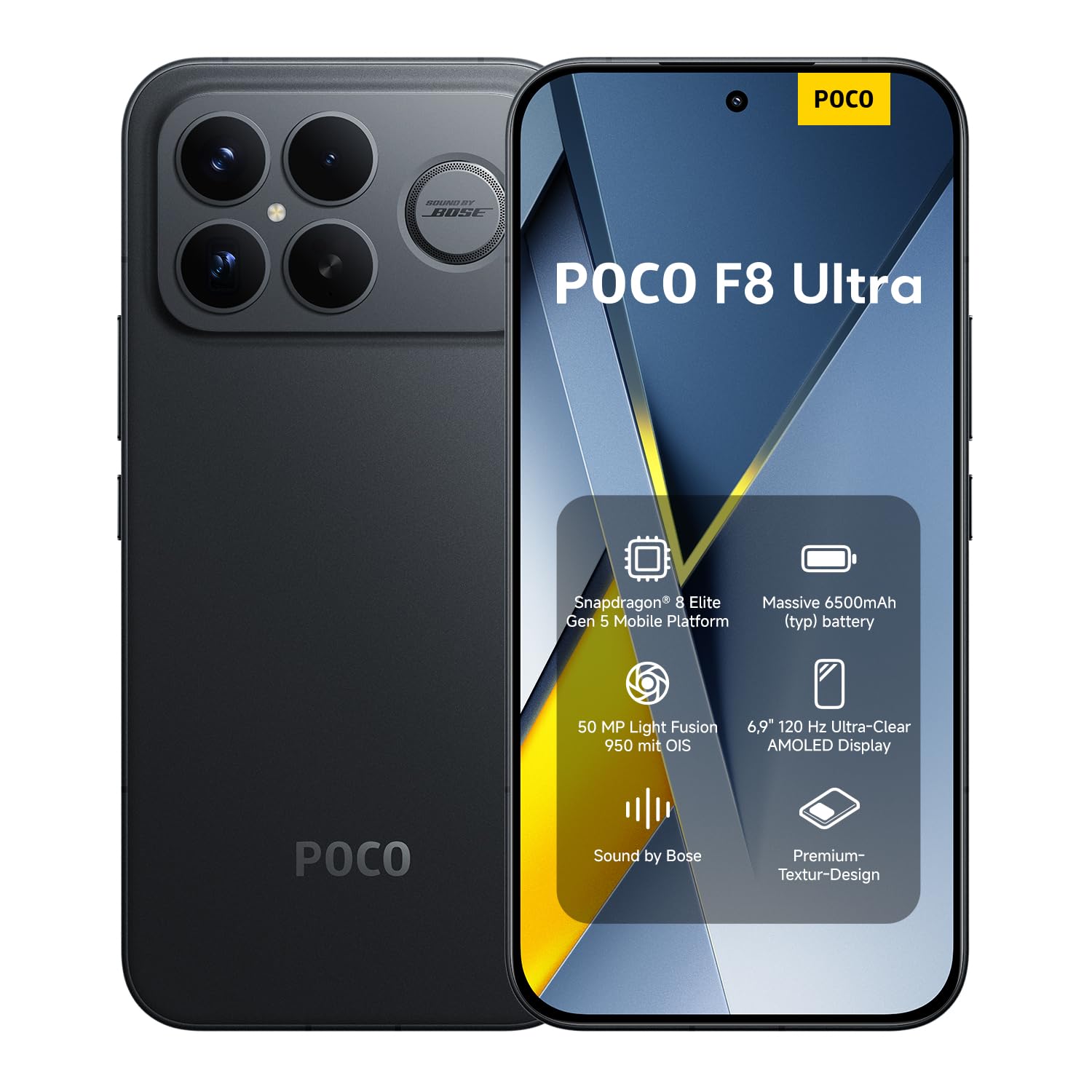
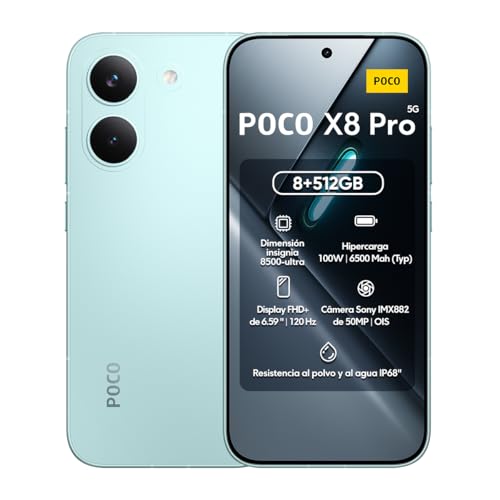
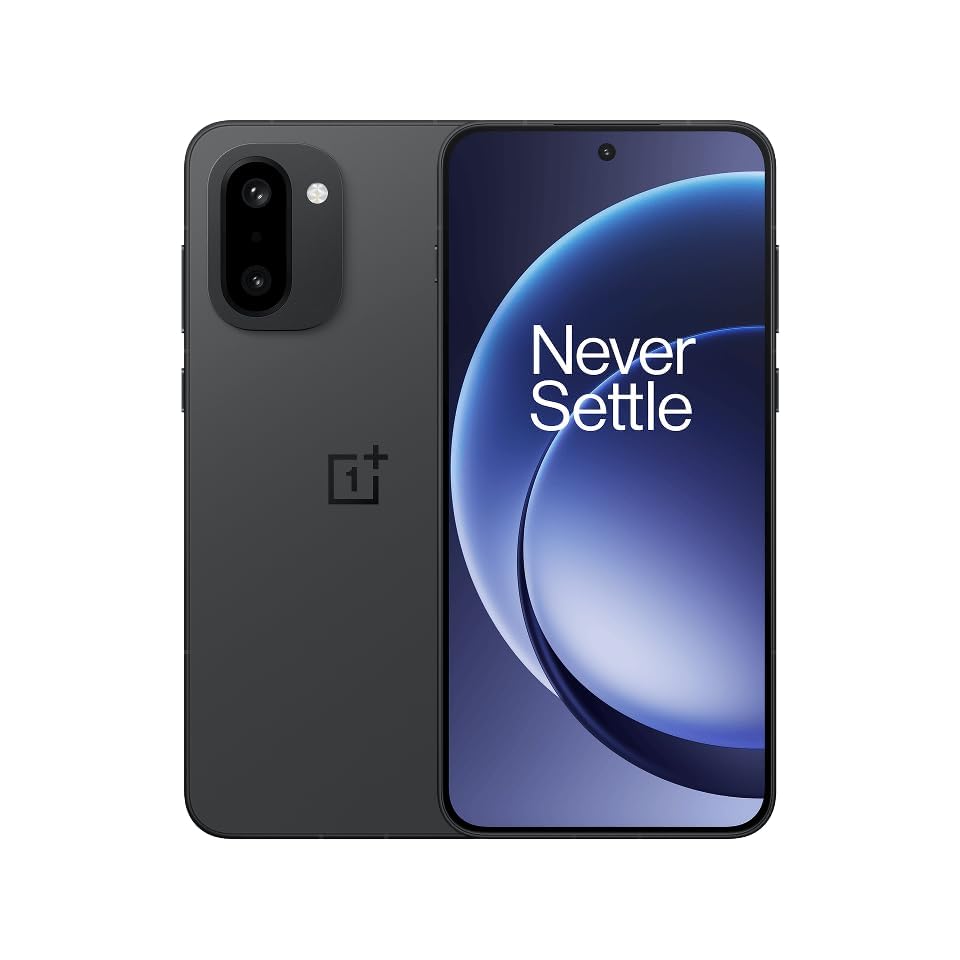
Chinese phone brands now sell models at almost every price, from simple budget phones under $200 to polished flagships that cost as much as any big name rival. That wide spread makes shopping confusing, because a low price can hide weak carrier support while a high price does not always buy features you will notice. This guide to the best chinese 5g phones sorts the market by budget first, so you can see what each price level realistically delivers and where extra money actually pays off. Start with the comparison table below, then read the tier notes before you order.
The single most important check comes before cameras or screens. A phone sold for other markets may lack the 5G bands your US carrier uses, and that one detail can turn a bargain into a slow 4G device. Keep your carrier, your update expectations, and your total budget in mind as you read.

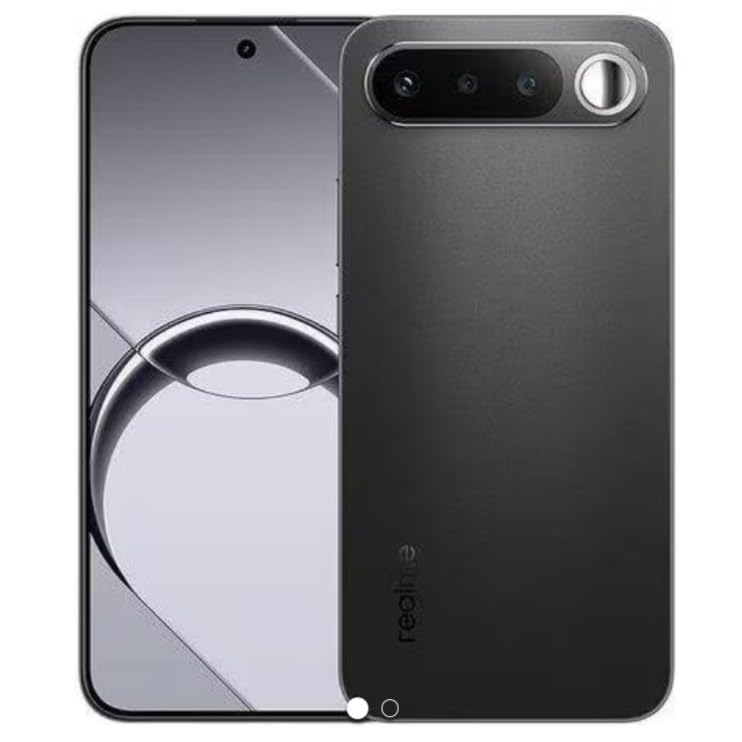

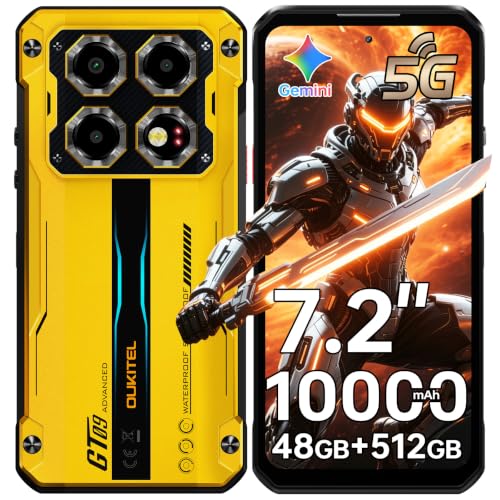

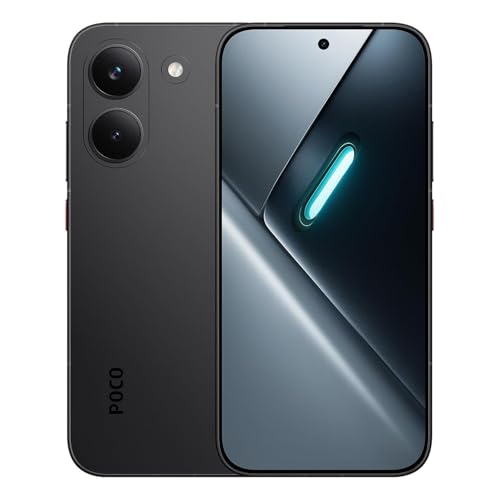
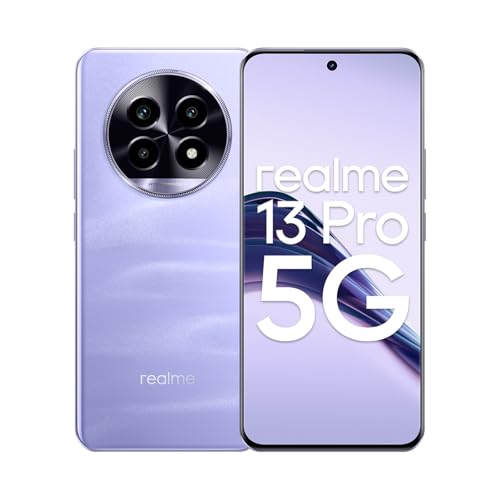
How to Choose by Budget Without Guessing
Instead of chasing one headline model, match the phone to the job it has to do for the next two or three years. The three buyer profiles below replace guesswork with a clear starting point, and each one names the compromise you accept at that price.
Budget Buyers Who Mostly Call, Text, and Browse
If your phone life is calls, messages, maps, email, and light social apps, a budget model covers you well and leaves money for a good case and your monthly plan. Expect a large battery, a decent main camera in daylight, and a plastic body that shrugs off small drops. What you give up is speed over time. Storage fills faster, the processor slows sooner under heavy apps, and software updates usually run for a shorter window, so plan on replacing the phone sooner than a mid range model.
Everyday Users Who Want One Phone for Everything
Most readers land here, and mid range phones are built for exactly this mix of work, photos, video, and games. You get a brighter OLED screen, a faster processor that still feels quick after two years, and cameras that handle indoor light without falling apart. This is also the tier where US band support gets more consistent, so an unlocked model is easier to move between carriers. If you keep phones for three years or longer, spending into this tier usually costs less per year than replacing a budget phone early.
Power Users Who Shoot Video and Game Hard
Premium models earn their price when you push a phone daily with long gaming sessions, 4K video, or heavy multitasking. You gain a stronger processor that holds its speed, better cooling, a telephoto camera, and faster charging that fills a big battery in well under an hour on many models. You also tend to get the longest update promises in the lineup. The trade off is simple. The hardware gains shrink each step up, so buy this tier for a specific need, not for the logo on the box.
What Your Money Gets You at Each Price Tier
Price tiers in this market move fast, so treat the dollar figures below as guideposts rather than fixed lines. Sales shift models between tiers often, which is why the product table above is worth a fresh look before you buy. Comparing tiers before models keeps your shortlist of the best chinese 5g phones grounded in what you will actually use. If you want a wider view of the whole market first, see our guide to the best 5g phones and then come back to the tier that fits your budget.
Budget Tier: What to Expect
Budget models run about $150 to $300 and focus on the basics done well. Screens are usually LCD panels at 90 Hz or 120 Hz, batteries are large at around 5,000 mAh, and the main camera takes clean daylight photos. Night mode exists but results get soft, and the ultrawide camera is often a low resolution extra you will rarely use. Updates may last two years or less. For a spare phone, a teen, or a light user, that package is honest value as long as the US band list checks out.
Midrange Tier: The Sweet Spot for Most Buyers
Mid range phones run about $300 to $600 and deliver the biggest jump in daily quality. You get an OLED display with a 120 Hz refresh rate, a processor that handles games and multitasking smoothly, and a main camera with optical image stabilization for steadier shots and video. Charging speeds climb, storage starts at roomier levels, and update support stretches to three or four years on many models. For most buyers this tier removes the frustrations of the budget tier without the steep price of a flagship.
Premium Tier: When Spending More Pays Off
Premium models run about $600 to $1,100 and refine everything rather than reinventing the phone. Displays get brighter for outdoor use, camera systems add a real telephoto lens for portraits and distant subjects, and bodies use glass and metal with water resistance ratings. Wireless charging appears here, along with the longest software updates and the fastest processors. Spending more pays off if you shoot a lot of video, keep a phone four years or more, or rely on your phone as your main work device all day.
Features Worth Paying For, and Ones to Skip
Spec sheets are long, and brands know which numbers look impressive in a listing. The four areas below decide how a phone feels every day, and each one includes a feature you can safely skip to save money.
Camera System
Pay for a good main camera with optical image stabilization, because it improves both photos and video in ordinary indoor light. A telephoto lens is worth money if you shoot portraits or your kids on a field, and night mode quality matters more than megapixel counts. Skip the tiny macro and depth cameras that pad the lens count on budget models, since they add cost without adding usable photos. Video fans should check for 4K recording and steady electronic stabilization, which matter far more than an 8K mode few people use.
Carrier Compatibility and 5G Bands
This is the feature that decides whether the phone works properly in the United States at all. Buy unlocked, and confirm the model lists your carrier 5G bands, including mid band 5G for speed in cities and low band 5G for coverage in rural areas. Verizon shoppers need models approved for its network, so read our guide to the best 5g phones verizon before assuming any imported model will activate. A phone missing the right bands may still connect, but it will fall back to slower speeds and weaker coverage.
Band support also affects resale and travel. A model with broad band coverage holds its value better and works on more networks if you switch carriers later. For a broader shortlist built around US networks, see our guide to the best 5g android phones and compare the band lists side by side before you commit.
Display Size and Quality
An OLED panel is worth paying for because it delivers deep contrast, better battery use with dark themes, and clearer outdoor reading than most LCD screens. A 120 Hz refresh rate makes scrolling and gaming feel smoother, and most people notice it within a day. Screen size is personal. Around 6.5 inches suits most hands, while larger panels help video and reading but make one hand use harder. Skip paying extra for extreme resolution you cannot see at normal distance, and spend that money on brightness instead.
Battery Life and Charging Speed
Capacity around 5,000 mAh is the sweet spot for a full day of mixed use, and bigger numbers help only if the processor is efficient. Fast wired charging is genuinely useful, since a short top up before you leave can add hours of use. Wireless charging is convenient on a desk or nightstand, but it is slower and mostly a premium tier extra, so treat it as a nice bonus rather than a reason to jump a tier. Also check whether a charger comes in the box, because many models now ship without one.
Software Updates and Long Term Costs
Software updates decide how long a phone stays safe and current. Longer support means more Android versions, more security patches, and better resale value, and Chinese brands vary widely here, from two years on budget lines to five or more on flagships. If software support is your top priority, our guide to the best android chinese phones compares update policies across brands in more detail. Before you buy, confirm the promised update window in writing on the product page, not just in launch marketing.
Total cost goes beyond the sticker price. Add a case and screen protector at around $20 to $40, a charger if the box lacks one, and the cost of extra cloud storage if the phone has no memory card slot. Warranty handling also differs. Brands with US based support resolve problems faster, while imported units may need shipping overseas for repair. If easy warranty service matters most to you, compare that against US sold rivals such as those in our guide to the best motorola 5g phones before you decide which trade off you prefer.
Frequently Asked Questions
How many years of software updates should a Chinese 5G phone get?
A Chinese 5G phone should get at least three years of security patches, and four or more years is a strong result worth paying a little extra for. Security patches matter more than new Android versions for most users, because they protect banking and email apps you rely on daily. Check the end date, not just the promise, since a model launched a year ago has already used part of its window.
Do US buyers need 5G on a Chinese phone?
Yes, US buyers benefit from 5G on a Chinese phone, because carriers keep shifting capacity toward 5G networks and 4G only service will feel slower over time. The real question is band coverage, not the 5G label on the box. Make sure your carrier mid band and low band frequencies are both listed, or the phone may show a 5G icon in one neighborhood and crawl in the next.
Is a mid range Chinese 5G phone good enough for most people?
Yes, a mid range Chinese 5G phone is good enough for most people, covering calls, photos, video, and popular games without the slowdowns that frustrate budget owners. The clearest gains over budget models are the OLED screen, a stabilized main camera, and longer update support. Step up to premium only if you record lots of video, want a telephoto lens, or plan to keep the phone for four years or longer.
How much storage does a Chinese 5G phone need?
Most buyers should choose 256 GB on a Chinese 5G phone, because photos, videos, and app caches grow faster than expected and many models drop the memory card slot entirely. Light users who stream everything can manage 128 GB, but the price gap is often small compared with the cost of deleting files later. Check whether your favorite apps can move data to cloud storage before settling for the smaller option.
Should US buyers choose an unlocked Chinese 5G phone?
Yes, US buyers should choose an unlocked Chinese 5G phone, because unlocked models let you switch carriers, use local SIM cards while traveling, and resell the phone to a wider pool of buyers. An eSIM option adds flexibility if your carrier supports it. Just confirm the exact model number matches the US band version, since the same phone name can hide different hardware in different regions.
Final Thoughts
Start with your carrier band check, set a tier that matches how long you keep phones, and then compare cameras and charging inside that tier. The product table above pulls those details together so you can shortlist quickly. Chosen with those three checks, the best chinese 5g phones offer strong screens, big batteries, and capable cameras for less than many big name rivals, and the right tier will serve you well for years.