
Best China Tea Sets: A First Time Buyer's Guide for 2026
Disclosure: We may earn a commission when you buy through links on this page, at no extra cost to you. As an Amazon Associate I earn from qualifying purchases. Learn more

Shopping for the best china tea sets for the first time? Learn the key terms, compare materials and sizes, and avoid rookie mistakes with this easy guide.
Buying your first porcelain tea set should feel like a pleasure, not a puzzle of unfamiliar terms. Words like bone china, stoneware, and service for six get thrown around with little explanation, and prices swing from modest to startling. This guide to the best china tea sets starts with the basics, explains each spec in plain English, and ends with the mistakes new buyers most often regret.
You do not need to become a ceramics expert. You only need to know how you serve tea, how much care you will give the pieces, and which quality signs separate a set you keep for decades from one that chips in a year. Keep those answers in mind as you check the comparison table below.




China Tea Sets 101: The Basics
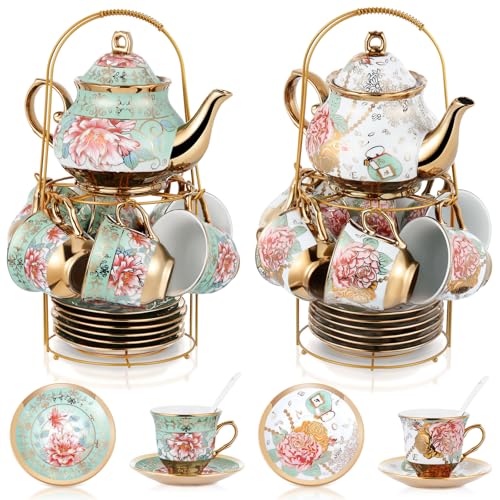
In this category, china means fine porcelain tableware, not a country of origin. A typical set includes a teapot, cups and saucers, and often a sugar bowl, a creamer, and small plates for snacks. Sets are sold by service size, so service for four means place settings for four guests, plus the serving pieces listed on the box.
The material shapes almost everything else. Porcelain is fired at high heat, which makes it strong, smooth, and resistant to stains. Bone china adds bone ash to the mix, giving thinner, lighter pieces with a warm translucency when held to light. Stoneware is thicker and more casual, with a rustic feel and strong everyday durability. None of these is automatically best. The right choice depends on whether your set is for daily pots of tea, weekend guests, or formal occasions.
One more term matters early: vitrified. It describes porcelain fired until the body absorbs almost no water, which helps pieces resist stains, odors, and cracking from heat changes. If a listing uses the word, that is a good sign the maker understands quality.
Key Specs Explained in Plain English
Intended Use and Who It's For
Start by naming your real routine. A daily tea drinker serving one or two people needs a smaller teapot, around 24 to 32 ounces, and sturdy cups that feel good in the hand. A host who entertains needs service for six or eight and a pot near 40 ounces so refills do not interrupt conversation. Occasional and display use allows more delicate pieces. Be honest here, because a formal set that feels too fragile for Tuesday mornings will sit unused in a cabinet.
Ease of Use and Setup
A good set should pour cleanly, stack or store sensibly, and clean without drama. Look for a teapot spout that starts high on the body, which reduces drips, and a lid that stays seated while you pour. Check whether pieces are listed as dishwasher safe and microwave safe, and treat those labels as promises worth confirming in reviews and care notes. Wide cup handles that fit two fingers make serving guests easier and safer with hot drinks.
Key Performance Specs
For a tea set, performance means capacity, heat retention, and a clean pour. Teapot capacity tells you how many cups one brew serves, with most cups holding about 6 to 8 ounces. Thicker porcelain holds heat longer, while thin bone china cools slightly faster but feels more refined. An infuser basket is a valuable extra if you brew loose leaf tea, since it lifts out cleanly and keeps leaves out of cups. A balanced pot should feel steady when full, never tippy.
Build Quality and Materials
Run your eyes over the details a listing shows. Glaze should look even, with no bubbles, bare patches, or rough spots on rims and feet. Gold or platinum trim signals hand washing and no microwave use, because metal in a microwave sparks and damages the finish. Readers drawn to the most refined material can explore our guide to the best bone china tea sets for a closer look at that option. Solid sets feel consistent in weight from cup to cup.
Warranty and Customer Support
Tableware rarely carries long warranties, but good makers stand behind shipping damage and defects. Before you buy, confirm how replacement pieces are handled, because a single broken cup should not orphan a whole set. Open stock programs, where individual pieces stay available for years, are a strong sign of a serious brand. Keep your order details and take photos on delivery day, since quick evidence makes any damage claim simple.
Safety and Certifications
Your set touches food and hot liquid daily, so safety deserves a real check. Choose pieces described as food safe and free of lead and cadmium in the glaze, especially for brightly decorated or vintage style sets. Very old or purely decorative pieces may not meet modern food contact standards, so serve from modern certified sets and display the antiques. If a listing carries a California Proposition 65 notice about lead, treat that set as decorative only and pick another for daily tea.
Rookie Mistakes to Avoid
- Buying for guests you never host. Service for twelve looks grand, but storage and cost balloon. Match the size to your largest realistic gathering.
- Ignoring the care rules. Metallic trim and delicate bone china often need hand washing. If you will only use a dishwasher, choose a set made for it.
- Forgetting the teapot test. A pretty pot that dribbles ruins every pour. Favor designs with high spouts and secure lids.
- Skipping replacement availability. Chips happen. Sets with open stock pieces save you from replacing everything after one accident.
- Mixing up display and daily use. Antique style sets may carry glaze safety questions. Serve daily tea from certified modern pieces.
Most of these errors come from shopping by photograph alone. A slower pass through specs and care notes prevents nearly all of them, and our broader guide to the best tea sets shows how these lessons apply across materials.
Getting Started: Setup and First Use
When your set arrives, unpack it over a soft towel and inspect every piece against the listing before you discard any packaging. Check rims, handles, and spouts for chips, and confirm the count of cups, saucers, and serving pieces. Wash everything in warm water with mild soap, rinse well, and dry with a soft cloth.
For your first brew, warm the pot with hot water for a minute, then empty it before adding leaves and fresh hot water. This small step keeps your tea hotter and reduces thermal shock to the porcelain. After each use, clean and inspect the pieces regularly, store cups without stacking weight on delicate rims, and keep the set away from the edge of shelves. Gentle habits formed in week one protect the set for years.
China Tea Sets: Your Questions Answered
Are expensive china tea sets worth it?
Expensive sets are worth it when the price buys finer material, even glazing, and replacement pieces that stay available. Thin, translucent bone china with crisp decoration costs more to make and feels noticeably lighter in use. Price alone, though, proves nothing. A mid priced porcelain set with open stock support often serves a family better than a costly set that cannot replace a broken cup.
How long does a china tea set last?
A quality porcelain set can last for decades, and many families pass sets between generations. Lifespan depends mostly on handling, since chips and cracks come from knocks, stacking pressure, and sudden heat changes rather than normal brewing. Wash gently, store with soft padding between plates, and avoid pouring boiling water into a cold pot. Treated that way, the glaze and decoration stay bright for a very long time.
How do I maintain a china tea set?
Wash pieces soon after use in warm water with mild soap, and dry them with a soft cloth to prevent water spots. Tea stains lift with a paste of baking soda and water applied gently, never with abrasive pads. Store cups upright or hanging, keep plates separated with felt or paper, and inspect rims each season. Readers planning full table settings may also like our guide to the best china sets.
How much should I spend on a china tea set?
Most first time buyers land between about $60 and $200 for a set that balances quality and care needs. Under $60, expect thicker porcelain and simpler decoration, which can still serve daily tea well. Above $200, you are paying for bone china, detailed artwork, and larger service sizes. Set your budget by how often you will use the set, not by the most formal occasion you can imagine.
What features matter most when buying china tea sets?
Material, teapot pour quality, and care requirements matter most. Material decides weight, strength, and feel, while a clean pour decides whether serving is relaxing or messy. Care rules decide whether the set fits your real habits, including dishwasher use. After those three, consider service size and replacement availability. Decoration should come last, because a beautiful set that fights your routine will not stay in use.
Our Verdict
Choose the material that fits your routine, confirm the teapot pours cleanly and the care rules suit your kitchen, and favor makers who sell replacement pieces. A set chosen on those grounds will serve daily tea and special guests with equal ease. Compare your finalists in the product table above, and if loose leaf brewing is your ritual, our guide to the best matcha tea sets covers that neighboring style. Above all, the best china tea sets are the ones you will reach for often and care for without stress.


