
Best Bone China Tea Sets for Every Need: How to Pick the Right One for 2026
Disclosure: We may earn a commission when you buy through links on this page, at no extra cost to you. As an Amazon Associate I earn from qualifying purchases. Learn more
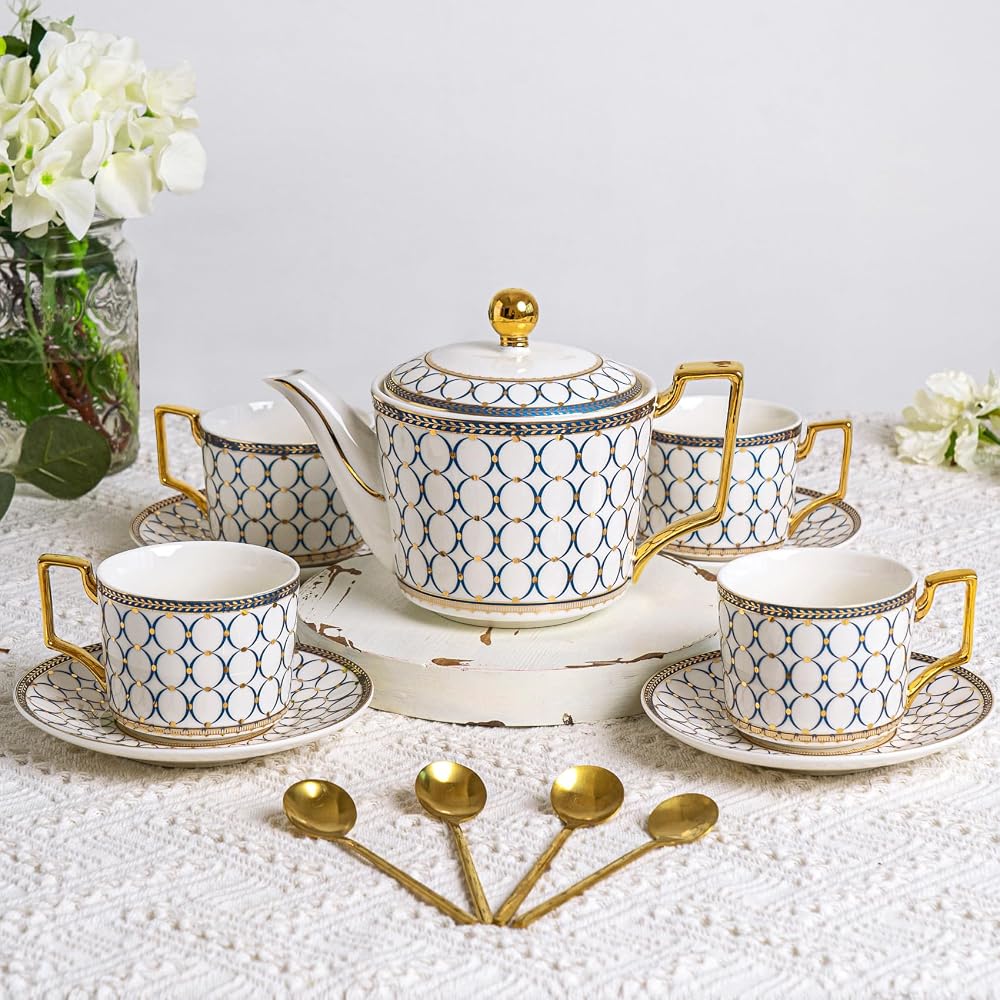
Match the best bone china tea sets to your routine with notes on pot size, cups, pour quality, care and price so you avoid overpaying.
A tea set that delights one drinker can annoy another. A solo tea lover needs a small pot that keeps heat well, while a host pouring for six needs capacity, balance, and cups that feel good in the hand. This guide matches the best bone china tea sets to real routines, so you pay for the traits your table will actually use.
Bone china brings real advantages to tea: thin walls that keep the drink tasting clean, a warm white body that shows the color of the brew, and strength that belies its delicate feel. Use the comparison table below, then work through the use cases and features in this guide before you choose a size and style.


Who Should Buy Which Bone China Tea Sets?
For People Who Want the Best Performance
Performance at the tea table means heat, pour, and taste. Look for a pot with a well fitted lid, a spout shaped to pour in a smooth stream without dripping down the side, and a handle that stays cool and clears your knuckles from the hot body. Fine thin walls matter here, since thick ceramic can dull delicate teas. A strainer built into the spout base helps with loose leaf tea.
Premium sets earn their price in these small details and in decoration fired smoothly under the glaze. If you brew prized loose leaf teas often, this tier flatters them. If your tea comes from bags and your mornings are rushed, the gains shrink, and a simpler set will serve you just as happily.
For Value Seekers
Value seekers should balance price against durability and completeness. A set with a teapot, sugar bowl, creamer, and cups for four covers most homes at a fair cost. Mid range bone china often runs around $60 to $140 for a set of that size, and it keeps the glow and strength of the material while skipping costly hand painted detail.
Check what replacement pieces cost before you buy. A value set you can top up after a breakage beats a bargain set in a retired pattern. Our guide to the best tea sets across materials is useful if you want to see what the same money buys in glass, cast iron styles, or stoneware.
For First Time Buyers
Start simple and forgiving. Choose a plain white or lightly patterned set with no metal trim, so you can warm the pot, wash pieces without worry, and learn your taste in tea without strict care rules. Service for two or four suits most new drinkers, and a pot around 30 to 40 ounces pours two generous mugs or four small cups.
Your first set teaches you what you value: a lighter cup, a larger pot, a strainer for loose leaf. Buy a sound starter set, use it for a season, and upgrade with knowledge rather than guesses. If you are also furnishing the dinner table, our guide to the best bone china dinnerware sets pairs well with this one for matching patterns.
For Gift Shoppers
Tea sets make gracious gifts because they feel personal without needing a size or a fitting. Choose classic shapes and quiet patterns that suit many homes, and favor sets that arrive in a sturdy gift box with pieces packed apart. A service for four with a pot is the safest format for weddings and housewarmings.
Add a small card noting the care rules, especially if the set has gold trim that needs hand washing. Include the receipt so the recipient can exchange a pattern or add matching pieces. A gift that can grow into a full service shows thought long after the day itself.
Key Features to Compare
Price vs Value
Budget sets often cost around $35 to $60 and may use thinner decoration and simpler shapes, though the bone china body can still be sound. Mid range sets, around $60 to $140, add better finish, fuller piece counts, and patterns that stay in production longer. Premium sets above that range pay for fine detail, higher bone content, and gift grade presentation.
Judge value by the pieces you will use weekly. A large set with a coffee pot and tiny cups you never touch is poorer value than a small set used daily. Cost per cup of tea over years of use is tiny either way, so comfort and care fit should lead the decision.
Warranty and Customer Support
Read the warranty before you fall for a pattern. Good makers cover manufacturing faults and sometimes chip damage for a stated period, and they sell single replacement cups and lids. Support matters most for teapot lids, which are the piece most often chipped or dropped and the hardest to substitute from another set.
Open stock availability is the quiet feature behind long ownership. Ask whether the pattern has been sold for several years and whether single pieces can be ordered. A living pattern turns a breakage from a loss into a small errand. Keep your purchase record and pattern name stored with the set.
Maintenance and Long Term Costs
Bone china asks for gentle handling rather than costly upkeep. The real long term costs are replacement pieces and, for trimmed sets, the time cost of hand washing. Tea stains build inside pots and cups over time; a soak in warm water with a little baking soda lifts them without harsh scrubbing that dulls glaze.
Avoid sudden temperature shocks, such as pouring boiling water into a cold pot on a winter morning. Warm the pot with hot tap water first, a habit that also keeps your tea hotter. Let pieces cool before washing. These small routines prevent the fine cracks that shorten a set life more than normal use does.
Size, Weight, and Fit for Your Space
Teapot capacity is the key size figure. Around 20 to 30 ounces suits one or two drinkers, 35 to 48 ounces suits a family tea or four guests, and larger pots make sense only if you pour often for a crowd, since tea stews and cools in an oversized pot. Cup size matters too: small 6 to 8 ounce cups suit formal service, while larger cups suit daily mugs style drinking.
Think about storage as well. Tall pots need shelf height, and saucers stack into surprising space over a full service. A set that fits your cabinet and your table without crowding will be used more. Measure the shelf, note the pot height with its lid, and check the full footprint of the creamer and sugar bowl.
Intended Use and Who It Is For
Formal afternoon tea, casual daily brewing, and display each favor different sets. Formal service rewards small cups, a full set of serving pieces, and decoration you enjoy presenting. Daily brewing rewards easy washing, a pot that pours cleanly one handed while you hold the lid, and cups that feel sturdy in a sleepy grip.
If children join tea time often, keep a few stoneware mugs for them and reserve the bone china for adults, since the material is strong but not unbreakable. Households comparing tableware types may also find our guide to the best china tea sets helpful for how other china bodies handle heat and care.
Common Mistakes to Avoid When Buying Bone China Tea Sets
- Buying a large service for guests you rarely host, while your daily pot is too big for one or two cups.
- Ignoring trim rules, then dulling gold bands in the dishwasher or risking sparks in the microwave.
- Judging a pot by looks alone and skipping the pour test details like spout shape and lid fit.
- Overlooking replacement piece sales, so one broken cup ends the matched set.
- Choosing tiny formal cups for a household that drinks tea by the mug.
Setup and Care Tips
Read the care card before first use and wash all pieces in warm water with mild detergent. Warm the pot before brewing, add leaves or bags, and pour water at the heat your tea type prefers. Clean and inspect regularly: check lids and spout tips for chips, and soak away tea stains gently rather than scouring. Store the set in a dry place with soft padding between stacked cups, and never stack pieces inside the teapot. Hang cups by their handles only if the hooks are padded and the cups hang freely.
Bone China Tea Sets: Your Questions Answered
Are expensive bone china tea sets worth it?
They are worth it when you brew often and care about pour quality, thin walls, and lasting decoration. Fine sets also tend to keep their patterns available longer, which protects your investment. For occasional tea drinking, a mid range set gives the same material benefits at a gentler price, and your guests are unlikely to notice the difference.
How do I maintain a bone china tea set?
Rinse pieces soon after use, wash in warm water with mild detergent, and dry with a soft cloth to keep the glaze bright. Remove tea stains with a warm baking soda soak instead of abrasive pads. Warm the pot before adding boiling water in cold weather, and store cups with padding between them to protect rims.
How long does a bone china tea set last?
A cared for set can serve for decades. Bone china resists chipping better than other porcelains, and the main risks are drops, hard knocks in the sink, and sudden heat changes. Teapot lids and spout tips are the usual first casualties, so handle those with attention and your set should outlast trends and kitchens.
What features matter most when buying bone china tea sets?
Pot capacity, pour quality, and cup size matter most, followed by care rules set by any trim. Then check bone content, lid fit, and whether replacement pieces are sold. Match those points to your routine: daily solo brewing, family tea, or formal hosting. A set that fits your routine beats a grander set that fights it.
How much should I spend on a bone china tea set?
Most buyers find their set between around $60 and $140, which buys a pot with cups for four and sound finish. Smaller starter sets cost less, and fine decorated services cost more. Spend toward the top of your range if you host often. Spend less, happily, if tea is a quiet daily habit for one or two.
Our Verdict
Choose by routine first: pot size for your usual group, cups that suit how you drink, and care rules you will actually follow. Then let finish and pattern decide between the sets that pass. Compare the best bone china tea sets in the product table above on those points.


