
Best Cast Iron Teapot: Size, Interior and Infusers (2026)
Disclosure: We may earn a commission when you buy through links on this page, at no extra cost to you. As an Amazon Associate I earn from qualifying purchases. Learn more

The best cast iron teapot guide: size, enamel interior, infuser baskets and care for a pot you will pour daily.
A heavy pot that keeps tea warm through a slow breakfast sounds lovely, until it turns out to be too big for one mug, awkward to pour with one hand, or wrong for your stove. Choosing the best cast iron teapot comes down to how many people you serve, how much counter space you can spare, and how much upkeep you will honestly do. The product table below lists current options by size and use.
If you are still weighing materials rather than sizes, our guide to the best teapot gives the wider view. Cast iron suits homes that brew at the table and want warmth without a plug, but less so if anyone struggles to lift a full pot.




Quick Answer: The Three Styles in 30 Seconds
For most homes, a medium pot with an enameled interior, holding about 24 to 32 oz, is the safest starting point. It brews loose leaf or bagged tea, rinses clean, and serves two to four cups without a refill.
- Small enameled pots, about 16 to 22 oz: best for one or two people, small kitchens, and a desk or reading corner.
- Medium enameled pots, about 24 to 32 oz: best for couples and small families who drink tea most days.
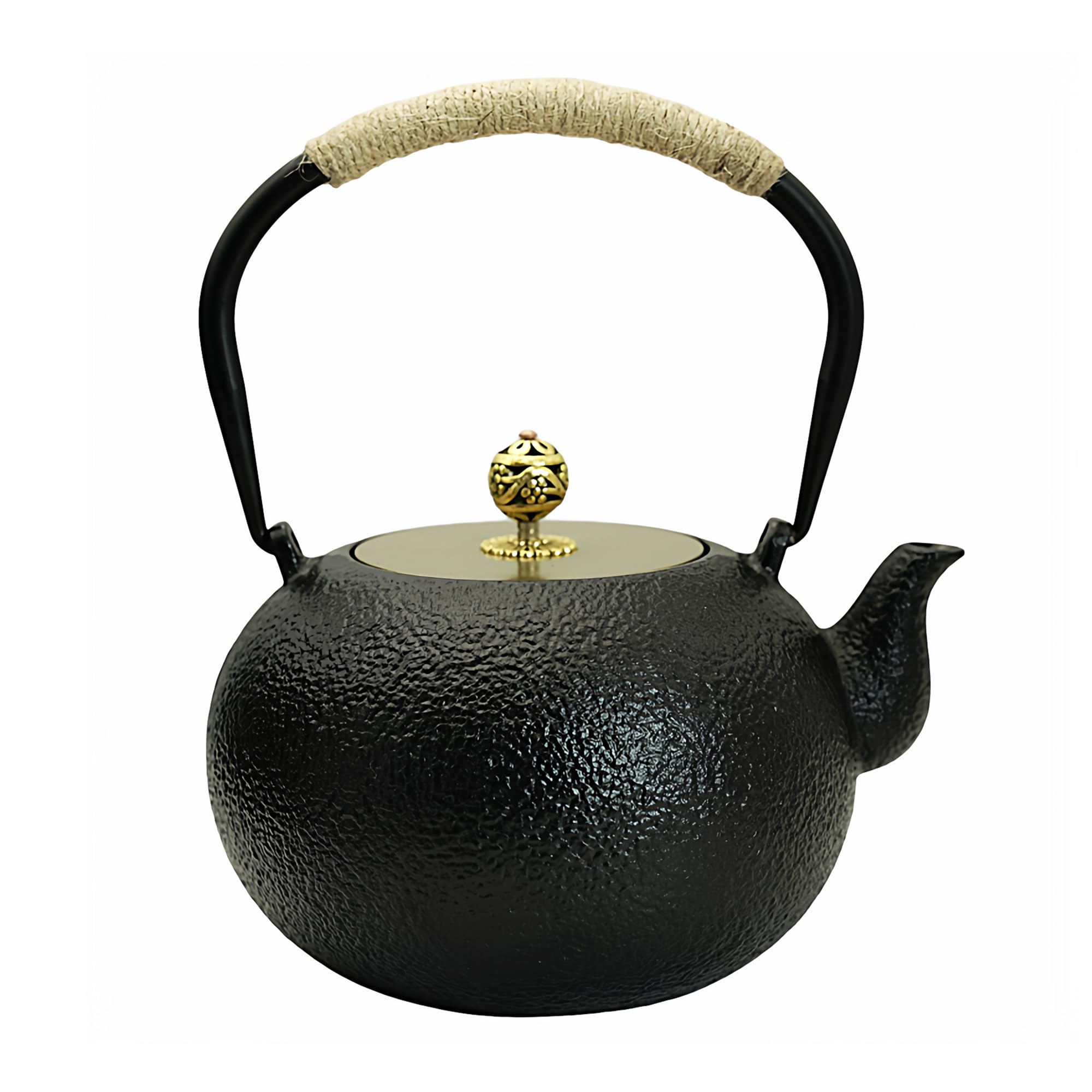
- Large pots and kettle style pots, about 34 to 40 oz and up: best for guests and homes that boil water in the pot itself.
Before You Buy: A Quick Checklist for Choosing a Teapot
Cast iron pots look similar in photos, yet size, interior finish, and lid fit decide whether a pot becomes a daily habit or a cupboard ornament. Work through these checks in order.
Size: Match It to Your Space
Start with your real cup, not the cup size printed on a box. A 16 oz pot pours about two modest cups, while a 32 oz pot pours about four and leaves room so tea does not slosh from the spout. Think about weight too, because water adds roughly two pounds to a 32 oz fill, on top of an already heavy pot. Finally, measure where the pot will live, since wide handles and spouts need more room than the body suggests.
Which Type Fits Your Routine
Most cast iron teapots sold for home brewing have an enameled interior, and that is the type to pick for steeping, since enamel resists stains and works with flavored blends. Kettle style pots with a bare iron interior are made for boiling water over heat, and they ask for stricter drying so rust does not form. If you want a light pot for delicate leaves, a best ceramic teapot may pour more gently. Cast iron earns its place when warmth matters more than low weight.
Features Worth It (and Ones to Skip)
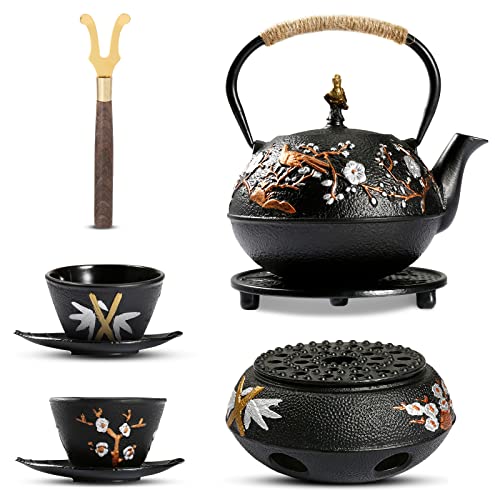
A removable stainless steel infuser basket is worth having, with holes fine enough to hold most leaves while still letting water move freely. A wide opening matters too, since you can reach in to empty leaves and wash the inside by hand. A snug lid and a low spout usually mean a cleaner pour. If you brew leaves daily, our guide to the best teapot for loose leaf tea explains basket depth in more detail. Skip oversized matching sets and built in warmers you will rarely light, since both add cost and bulk.
Lead and Cadmium Safety in Glazes
Color sits on the outside of most cast iron pots, while the food contact surface inside is usually black enamel. Still, look for a clear maker statement that the interior enamel and any colored glaze meet food contact rules for your market. If a listing says nothing about glaze safety, ask the seller before buying. Stop brewing in a pot if the interior enamel chips badly, and ask the maker about repair, since the exposed area will stain and may rust.
Dishwasher, Microwave and Stovetop Safety
Never put a cast iron pot in a microwave, since it is solid metal and can spark and damage the appliance. Treat the dishwasher as off limits too, because strong detergent and knocks can dull or chip enamel and leave bare edges open to rust. Stovetop use depends on the interior: enameled brewing pots belong on a trivet, not on a burner, while bare iron kettle style pots are built for direct heat. When in doubt, follow the care sheet that ships with your pot.
Set Size and Buying Extra Pieces Later
Pots are sold alone, with a trivet, or in sets with small cups and sometimes a warmer stand. A pot plus a trivet covers most homes, and it protects wood and stone from a hot, heavy base. Before paying for a full set, check whether matching cups and spare infusers stay available, because a chipped cup you cannot replace makes a set feel incomplete.
Realistic Budget Ranges
Under about $40, expect a small enameled pot with a basic basket and a plainer finish. In the range of about $40 to $80, pots tend to grow larger, castings look finer, and lids fit better. Over about $80, you mostly pay for larger capacity, detailed surface work, and bundled pieces such as cups or a warmer.
Three Cast Iron Teapot Styles Compared
Instead of chasing a single winner, match the style to the way your household actually drinks tea.
Small Enameled Pots for One or Two People
A small pot holding about 16 to 22 oz brews just enough for a morning mug or two small cups, so tea stays fresh instead of sitting and turning bitter. The lighter fill makes pouring easier for smaller hands and for anyone serving at a desk. The trade off is refills: if a second person joins you daily, you will wish you had bought the next size up.
Medium Enameled Pots for the Family Table
The medium range, about 24 to 32 oz, is where most households land, and it is the size class that the best cast iron teapot debate usually centers on. It serves a couple through breakfast or a small family through an evening pot, and the thick walls hold warmth well across a second round of cups. A basket in this size is deep enough for leaves to expand, which helps flavor. The trade off is lifting: a full medium pot is a two hand pour for many people.
Large Pots and Kettle Style Pots for Guests and Boiling
Large enameled pots, about 34 to 40 oz, suit guest tables and long, slow drinking where refilling would break the mood. Kettle style pots with a bare iron interior serve a different job, boiling water over a burner before you pour it over leaves in a cup or a separate pot. Both ask more of you: large pots are heavy when full, and bare iron needs drying after every use. Choose this group only when your habits truly call for it.
Our Selection Process
We judge a cast iron pot on what you can check before and just after buying: enamel coverage inside, lid fit, spout shape, handle comfort, and how clear the maker is about care and heat limits. Buyer comments help most when they mention rust, chips, or dripping after months of use. Our teapot buying guide covers the wider checks across materials. A pot that scores well on those basics, in the right size, beats a prettier pot that fails one of them.
What We Like and What We Do Not Like About Cast Iron
The strength of cast iron is steady warmth. Thick walls absorb heat while the water is hot and give it back slowly, so a second cup tastes much like the first. The pots also feel planted on the table and shrug off daily knocks that would chip thinner materials. For a fuller side by side look, read cast iron teapot vs ceramic before you commit.
The honest trade offs are weight, care, and heat rules. A full pot can be too heavy for anyone with weak wrists, and pouring the last cup often takes two hands. Bare iron spots at the rim and spout need drying to stay rust free, and an enameled brewing pot cannot go on the stove to reheat a forgotten brew. If those points clash with your routine, a lighter material will serve you better.
Common Buying Mistakes to Avoid
- Buying a 40 oz pot for one daily mug, so most brews sit too long and taste stewed.
- Putting an enameled brewing pot on a burner to reheat tea, which can crack the enamel inside.
- Leaving a pot soaking in the sink overnight, so bare iron edges at the rim start to rust.
- Setting a hot pot straight onto wood or stone without a trivet, which can leave a ring or a crack.
- Judging by photos alone and skipping the listed weight, then finding a full pot hard to lift.
Cost of Ownership and Care
Running costs stay low, since a cast iron pot uses no filters, pods, or power. The small extras are a trivet if your pot lacks one and a spare infuser basket after years of daily use.
Daily care is simple but not optional. Rinse the pot with warm water, wash gently if tea oils build up, and dry it fully with a soft cloth, then leave the lid ajar so the inside airs out. That habit keeps rim and spout edges bright, and our notes on how to clean a teapot cover stain care for other materials too. Never scour enamel with steel wool, since scratches give stains a place to grip.
Your Questions, Answered
What makes a cast iron teapot brand reliable?
Reliability shows up in support more than in casting. A dependable maker publishes clear care and heat guidance, sells spare infuser baskets and lids, and answers enamel safety questions in plain language. A written warranty against casting defects is another good sign. When a seller cannot tell you whether a pot may go on a stove, treat that silence as your answer.
How do you remove tea stains from an enameled cast iron teapot?
Start with a soak in warm water, then wipe with a soft cloth, since most fresh staining lifts without scrubbing. For older marks on enamel, a paste of baking soda and water, left on the stain for a few minutes, usually helps and rinses away cleanly. Keep steel pads and harsh powders away from enamel. Bare iron interiors should skip long soaks and go straight to a gentle wipe and full drying.
How long does a cast iron teapot last?
The iron body can serve for decades, because there is little in it to wear out beyond the surface finishes. Enamel is the part that ages, and careful handling, soft tools, and no burner heat on a brewing pot keep it sound for many years. Infuser baskets are the true wear item and may need replacing once the mesh tears or warps. Store the pot dry with the lid loose.
Are cast iron teapots worth it for weekend tea drinkers?
They can be, if the weekend pot is a ritual you protect. A heavy pot turns Saturday tea into an event and keeps the second cup warm. The math works less well if storage is tight and the pot will sit in a crowded cupboard, chipping against other cookware. Occasional drinkers with little storage often do better with a medium pot they can also use on weekdays.
Which cast iron teapot size suits most homes?
Most homes do well with about 24 to 32 oz and an enameled interior, but one check settles it better than any chart: fill your usual mugs with water, pour them into a measuring jug, and buy the pot that holds that total plus a little headroom. Also use the return window for a water only pour test at your table. A pot that feels steady with water will feel right with tea.
Final Thoughts
Cast iron rewards buyers who match the pot to their table: small for solo mugs, medium for daily family tea, large or kettle style only for guests and boiling. Use the product table above to compare sizes and interiors, then confirm the heat and care rules on the listing before you order. Chosen that way, the best cast iron teapot is the one your household lifts, pours, and dries happily for years. Prices and availability can change, so check the product page before ordering.


